
The Benefits of Hydroponic Gardening – Embracing the Future of Food Production
Hydroponic gardening grows plants in nutrient-rich water instead of soil. It uses less water, grows faster and works indoors all year, from countertop kits to larger systems. Here is how hydroponics works, its benefits and what it costs to get started at home.
Table of Contents
Key Takeaways:
- Hydroponic gardening lets you grow crops year-round indoors, without waiting for the outdoor season.
- It usually uses much less water than soil growing, because the water is recirculated.
- Hydroponic systems fit urban spaces, so food can be grown close to where it is eaten.
The Soil-less Revolution: How Hydroponic Gardening Works
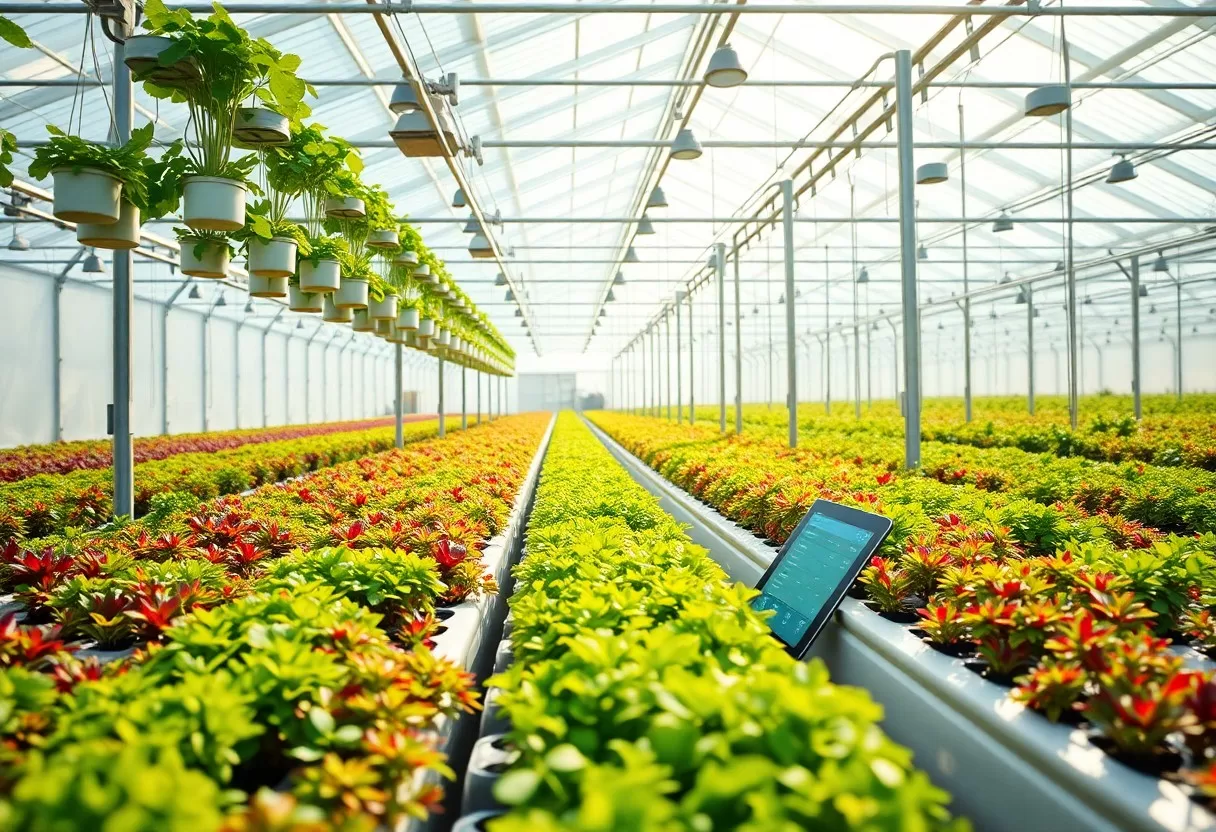
In hydroponic gardening, plants grow without soil and take their nutrients straight from a water-based nutrient solution. Because you control the pH, temperature, light and feeding, plants often grow faster than they would in average garden soil. Hydroponics also packs more plants into a small footprint, which makes it a good fit for apartments, basements, balconies and anyone with little or no yard. Leafy greens and herbs are the easiest crops to start with.
The Science Behind Hydroponics
Hydroponics works because plant roots absorb minerals dissolved in water. In soil, microbes and organic matter release nutrients slowly; in a hydroponic system, you supply them ready to use. The main nutrients are nitrogen, phosphorus and potassium, plus calcium, magnesium and trace elements like iron. Keep the solution’s pH around 5.5 to 6.5 so roots can take up these nutrients, and adjust the strength of the mix to the crop you are growing.
Key Components of a Hydroponic System
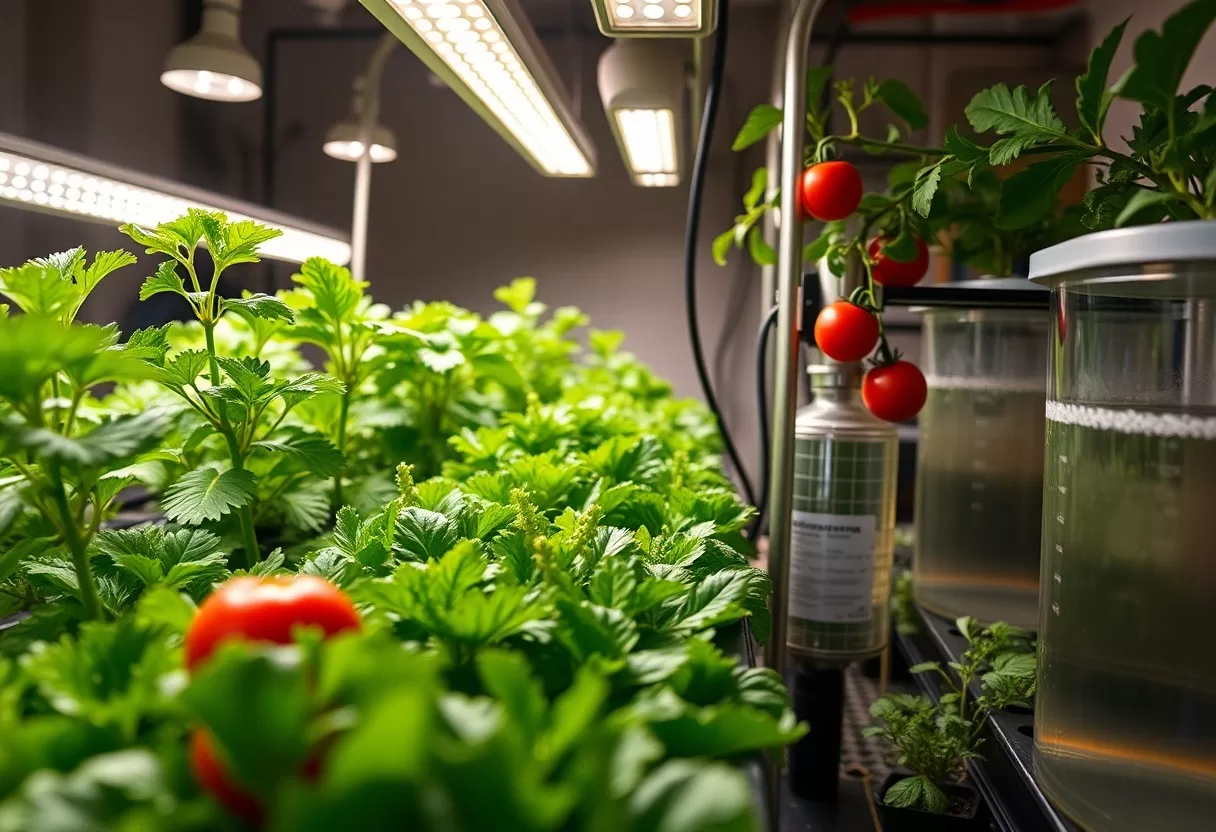
Every hydroponic system has three basic parts: a nutrient solution, a growing medium that holds the plants upright, and a delivery method that gets the solution to the roots. Most home setups also include a reservoir, an air pump or water pump, and grow lights. Each part matters, and a weak link such as a failed pump can stress plants quickly, especially in systems where the roots sit outside the water.
The nutrient solution is water mixed with a hydroponic fertilizer that contains both major nutrients and trace elements. Your growing medium, such as rockwool, coconut coir or expanded clay pebbles, affects how much air and moisture reach the roots. Delivery systems range from simple deep water culture, where roots hang in aerated water, to drip systems and the nutrient film technique, where a thin stream flows past the roots. For beginners, deep water culture or a small countertop kit is the easiest place to start.
Environmental Impact: A Sustainable Approach to Food Production
Hydroponic gardening is an efficient, resource-saving way to grow food. Crops need less land and less water, and they can be grown right in cities, close to the people who eat them. For you at home, that means fresh herbs and greens a few steps from the kitchen. On a larger scale, it supports local food systems and eases pressure on farmland and water supplies.
Reducing Water Usage and Waste
Agriculture accounts for about 70% of the world’s freshwater withdrawals, so water savings matter. Recirculating hydroponic systems typically use much less water than soil growing because the same solution is reused, and very little drains away or evaporates from bare soil. Fertilizer runoff into streams is also reduced. At home, you will simply top up the reservoir every few days and replace the solution completely every two to three weeks.
Lowering Carbon Footprint Through Localized Production
Growing food close to where it is eaten cuts down on trucking and refrigerated storage, which are part of the carbon footprint of fresh produce. It also means vegetables reach your plate fresher, often harvested the same day. Keep in mind that indoor systems use electricity for lights and pumps, so efficient LED grow lights on a timer help keep the overall footprint, and your power bill, in check.
Local production also makes neighborhoods more resilient. When some food is grown nearby, communities rely a little less on distant farms and long supply chains, and money stays in the local economy. Hydroponic farms can fit in warehouses, shipping containers, rooftops and other underused urban spaces. The result can be better access to fresh produce and a shared effort toward a more sustainable food supply.
Nutritional Advantages: Why Hydroponics Leads to Healthier Produce
Hydroponic gardening gives you a lot of control over how your produce grows. By managing nutrients, light and temperature, you can give plants what they need at each stage, which often means steady growth and good flavor. Nutrition depends mostly on the crop variety, growing conditions and freshness, and hydroponic produce is broadly comparable to soil-grown produce. The real advantage at home is that you can harvest at peak ripeness and eat it right away, before nutrients start to decline in storage.
Enhanced Nutrient Profiles
Because you mix the nutrient solution yourself, you can adjust it to the crop. Leafy greens need plenty of nitrogen, while fruiting plants like tomatoes and peppers need more potassium and calcium once they start flowering. Many hydroponic fertilizers come as two- or three-part mixes for this reason. Use a pH meter and an EC (electrical conductivity) meter to check the solution once or twice a week, and follow the fertilizer label for strength.
Pesticide-Free Benefits
Growing hydroponically indoors means you usually need far fewer pesticides, and often none at all. There are no soil-borne pests, and a closed room keeps out many outdoor insects. You decide exactly what goes on your plants, which is a big plus for families who want to know how their food is grown. If problems appear, gentle options like insecticidal soap or simply wiping the leaves are often enough.
That said, indoor systems are not pest-free. Aphids, spider mites, fungus gnats and root rot can still show up, especially in warm, humid rooms. Check the undersides of leaves weekly, keep the area clean, run a small fan for air movement, and keep the nutrient solution cool, ideally below about 72°F (22°C), so roots get enough oxygen. Catching problems early lets you enjoy salads and herbs from your hydroponic garden without harsh treatments.
Economic Viability: Cost-Effective Solutions for Urban Farmers
For urban farmers, hydroponic gardening can be a practical business option. Demand for fresh, local produce is steady, and hydroponics makes good use of small spaces by growing plants close together or in vertical stacks. It also reduces the need for land, tillage and large amounts of water. Many small growers start with fast, high-value crops like microgreens, lettuce and herbs, which can be harvested often and sold to restaurants and markets.
Start-Up Costs and Long-Term Savings
Start-up costs for hydroponics are usually higher than for a simple soil garden, because you need containers, pumps, lights and nutrients. Over time, though, savings on water, space and labor can help balance that out. Timers and automated pumps reduce daily work, and energy-efficient LED lights keep running costs down. Before you scale up, run a small system for a few months, track your costs and yields, and make sure the numbers work for you.
Market Trends Favoring Hydroponic Products
Shoppers increasingly look for local, sustainably grown food, and hydroponic produce often fits that demand. Locally grown hydroponic greens can sometimes sell at a premium because they are fresh, clean and available year-round. If you plan to sell, check local rules on food sales and labeling, and talk to buyers before you plant so you grow what they actually want.
Sales of hydroponically grown produce have been growing as more growers and stores adopt it. As cities get bigger, the demand for fresh food grown nearby keeps rising. Grocery stores, restaurants and farmers markets often like hydroponic greens because supply is steady and quality is consistent. If you are thinking about expanding your hydroponic gardening into a small business, start with one or two reliable buyers and grow from there.
Transforming Food Security: Hydroponics and the Future of Urban Agriculture
Cities face real challenges in feeding everyone, and some neighborhoods struggle with food insecurity. Hydroponics helps by making it possible to grow food inside dense urban areas, shortening the supply chain. You can grow greens on a rooftop, a balcony or in a spare room, which supports food sovereignty and gives more people access to fresh produce. As systems get more affordable, more urban spaces can produce food.
Addressing Food Deserts with Innovative Solutions
Food deserts are areas where fresh produce and healthy options are hard to find. Hydroponic projects can help. Container farms and small indoor systems use little space while producing quick crops like leafy greens and herbs. Placed in underserved neighborhoods, they give residents direct access to fresh food, which supports healthier eating. Success usually depends on local partners who can run the system day to day and get the produce to the people who need it.
Community Engagement and Education
Community involvement is key for urban hydroponic projects. Workshops and hands-on training help people learn the basics, from mixing nutrients to checking pH. Partnering with local schools can introduce students to science, nutrition and sustainable growing in a practical way. When people understand how hydroponics works, they feel more connected to their food and more responsible for how it is produced.
Partnerships make these efforts stronger. Local organizations and businesses can share space, funding and know-how to create easy-to-reach learning sites. Schools can build small hydroponic systems into science classes, so students see plant growth and nutrient cycles up close. Regular neighborhood workshops let residents try growing their own food, which builds both skills and friendships. Taking part yourself is a simple way to learn and help address local food challenges.
Conclusion
To wrap up, hydroponic gardening gives you a clean, efficient way to grow your own food, even without a yard or good soil. You get fresher produce, use less water and space, and can grow all year. Start small with a countertop kit or a simple deep water culture bucket, grow lettuce or basil first, and learn to manage pH and nutrients before you expand. Once you see how quickly it works, you can scale up with confidence.
FAQ
Q: What is hydroponic gardening and how does it work?
A: Hydroponic gardening is a way of growing plants without soil, using water mixed with a nutrient solution to supply the minerals plants need. Plants are usually held in an inert medium such as rock wool, coco coir or clay pebbles, and their roots sit in, or are regularly flooded or misted with, that solution. Because light, water and nutrients are easier to control, plants often grow faster and can yield more than the same crops in soil.
Q: What are the environmental benefits of hydroponic gardening?
A: Hydroponic gardening has several environmental benefits. Recirculating systems can use far less water than conventional field growing, because water is reused instead of draining away. Systems can also be set up in cities close to where people live, which shortens transport. Fertilizer is still essential, since the nutrient solution is fertilizer, but it is delivered precisely with little runoff, and growing indoors usually means fewer pest problems and less need for pesticides.
Q: Can hydroponic gardening be done at home, and what are the benefits of home hydroponics?
A: Yes, hydroponic gardening is easy to try at home. Home hydroponics lets you grow fresh herbs, leafy greens and some fruiting crops year-round, whatever the weather outside. You will need to add a nutrient solution and keep an eye on pH, and whether the produce counts as organic depends on the nutrients used and on local certification rules, which vary by country. It is also a rewarding hobby, and kits come in sizes and levels of complexity to suit beginners and experienced growers alike.
Find space for an indoor growing system with the free 3D room designer.
Related Guides
