
Home Murals & Artistic Walls – Transforming Blank Surfaces into Art
Walls are blank canvases that let you redefine your home’s personality; by assessing surface quality and choosing durable materials you can turn ordinary partitions into signature art pieces. Emphasize safety: address structural cracks and moisture before painting, use proper priming and sealing for longevity, and consider professional installation for large murals to ensure precision. You’ll learn techniques, materials, and maintenance strategies to plan and protect your investment while expressing your style.
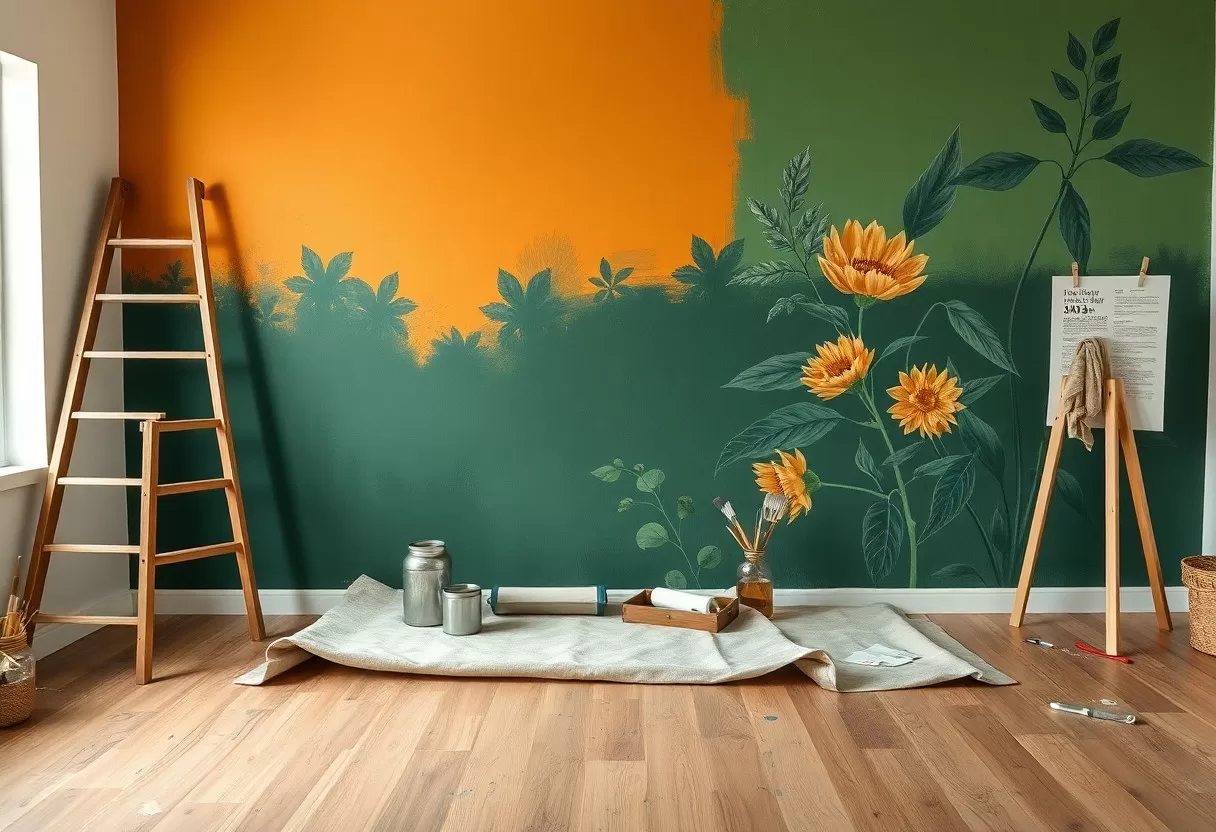
Key Takeaways:
- Custom murals transform plain walls into personalized focal points that reflect your style and enhance a room’s atmosphere.
- Careful planning of scale, color palette, and surface preparation ensures durability and strong visual impact.
- Choosing between commissioned artists, DIY approaches, or removable murals lets you balance budget, timeline, and permanence.
The Evolution of Mural Art
Across millennia murals moved from Paleolithic caves into public life: you see early pigment work dated around 40,000 years, Renaissance frescoes like Michelangelo’s Sistine Chapel (1508-1512), then 20th-century civic statements and New Deal programs. By the 1920s-30s Mexican muralism and U.S. WPA commissions placed narrative art in plazas and post offices, and by the 2000s street art, projection mapping, and AR layered new technology onto that long tradition.
Historical Significance
Because murals inhabit public surfaces, you encounter civic storytelling from Pompeii frescoes to Diego Rivera’s National Palace and the Detroit Industry Murals (1932-33)</strong); these works shaped identity and accessible education. Municipal programs and museum commissions during the 1930s funded thousands of public works, embedding social history into walls so that when you pass a plaza or courthouse you’re reading a community’s visual archive.
Modern Interpretations
Street art and contemporary murals fuse aerosol, stencils, wheatpaste, and digital media: Banksy and Shepard Fairey popularized stencil activism, while the Philadelphia Mural Arts Program has produced over 3,600 murals since 1984 and Wynwood Walls (launched 2009) transformed an industrial district into a global art destination. You now see vertical gardens, projection-mapped facades, and AR overlays that turn static walls into interactive experiences.
When you commission or maintain these modern works, materials and process matter: improper substrate prep will cause flaking, while using high-quality acrylic latex and a UV-resistant coating can extend exterior lifespan to roughly 10-20 years depending on exposure. Permits and neighbor engagement reduce vandalism, and trained conservators use pH-neutral cleaning and reversible varnishes to preserve both pigment and community value.
Choosing the Right Space for Your Mural
Assessing Your Walls
Start by measuring width and height in feet and multiply to get surface area (for example, 10×12 ft = 120 sq ft). Inspect for moisture (above 12% is risky), hairline or structural cracks, flaking paint and possible lead layers in homes built before 1978. Note substrate type-drywall, plaster, brick or cement-because primers and adhesion methods differ; drywall needs joint-sanding while masonry often requires a masonry primer and flexible paint.
Light and Space Considerations
Assess natural and artificial lighting across a full day: 6-8 hours of direct sun will accelerate fading and may require UV-resistant varnish. Think about viewing distance and traffic flow-an 8 ft ceiling favors mid-scale motifs, while a 10-12 ft wall allows bold, large-scale elements. If the space is a narrow hallway, orient composition lengthwise; in open-plan rooms, reserve about 50-70% of a focal wall for the mural to avoid visual overload.
Test values and angles by taping 1×1 ft swatches where the mural will sit and observe at morning, noon and evening. North-facing walls give more consistent color; south- or west-facing walls often need UV protection or protective glazing. For texture effects use grazing light or adjustable spotlights (800-1200 lumens each) to emphasize relief; in kitchens or corridors aim for 300-500 lux for clarity, while living areas at 100-300 lux preserve softer tones.
Types of Murals
You can choose between formats that change installation time, texture and cost: hand-painted murals often take 2-10 days for an 8×10 ft wall and demand artisanal skill, while printed wall graphics install in hours and cost less for large runs; trompe-l’oeil adds realistic depth, and fresco or stencil work suits historic or repeat patterns-see a recent example like Blank Wall Turned Dreamy Cloud Mural. The
- Hand-painted – bespoke artistry, variable timeline
- Printed wall graphics – fast, scalable, consistent color
- Trompe-l’oeil – illusionary depth for focal walls
| Type | Typical detail / timeline |
| Hand-painted | 2-10 days; high customization; often $500-$10,000+ |
| Printed vinyl | 1-3 days; precise prints; best for photo murals |
| Trompe-l’oeil | 3-14 days; requires skilled perspective work |
| Fresco / plaster | multi-day to weeks; durable when executed on wet plaster |
Hand-Painted Murals
You benefit from total customization with hand-painted murals: artists match palette and scale, layer textures, and can adapt to an existing architectural feature; expect a qualified painter to spend 3-7 days on a medium wall, require scaffolding for ceilings, and charge based on complexity and surface prep.
Printed Wall Graphics
You get speed and repeatability with printed wall graphics: high-resolution digital prints on removable vinyl or wallpaper install in hours, often cost 30-70% less than equivalent hand-painted work, and are ideal when you need consistent imagery across multiple rooms.
Printed graphics rely on material specs: choose 300+ DPI for close-view murals, opt for UV-resistant inks and matte laminate for longevity, and prefer peel-and-stick substrates for rental spaces; note that low-quality adhesives can leave residue, and some solvent inks emit odors before curing, so verify VOC levels and warranty details before purchase.
Color Theory and the Impact of Murals
Psychological Effects of Color
You can use the 12-hue color wheel to build schemes-complementary, analogous or triadic-to shape mood: reds and oranges raise energy and appetite, blues and greens lower heart rate and promote focus, while yellows can stimulate creativity but cause eye fatigue if overused. Studies of environmental color show sustained exposure affects perception and behavior, so balance intensity and contrast; high-contrast complementary murals energize, but if misapplied they can overwhelm a room and its occupants.
Harmonizing with Interior Design
Apply the 60-30-10 rule when integrating a mural: 60% dominant (walls/large furniture), 30% secondary (mural focal tones), 10% accent (pillows, art). Match the mural’s undertones to your upholstery, flooring and trim, and test paint samples at different times of day under your lighting (warm 2700-3000K vs cool 5000-6500K). Always sample under real lighting to avoid clashes and ensure cohesion.
For example, in a 12×14 living room with an 8-ft ceiling place a mural on the 10-ft focal wall using a deep teal base paired with sand-toned furniture and brass accents: mural occupies ~30% of visible color mass, sofa and rug supply 60%, cushions supply 10%. Choose matte acrylic for texture, then seal with a clear protective coat to preserve color and resist scuffs; matte acrylic plus a clear coat gives longevity without glare.
Hiring an Artist or DIY?
Deciding whether to hire a pro or tackle the mural yourself hinges on scale, skill and budget: professional murals often run from $500-$5,000 for interior walls and take days to weeks, while DIY can cost under $200 in materials but demand dozens of hours. If you want a custom print option, check Create Your Own Wall Mural – Canvas Champ for templates and sizing help.
Pros and Cons of Each Approach
Below is a concise, side-by-side breakdown so you can weigh cost, time and expected finish before choosing; the table summarizes practical trade-offs for project planning.
Pros and Cons Breakdown
| Cost | Hiring: $500-$5,000+; DIY: $50-$500 for paints and tools |
| Time | Hiring: 2-14 days (design to finish); DIY: 10-60+ hours depending on skill |
| Skill Required | Hiring: professional technique and surfaces expertise; DIY: learning curve, practice pieces recommended |
| Quality & Finish | Hiring: polished, durable finishes; DIY: variable-sealants and proper prep affect longevity |
| Customization | Hiring: bespoke designs and scaling; DIY: full creative control but limited by skills |
| Risk & Permits | Hiring: artist handles permits/insurance on larger projects; DIY: you manage permits, ladders and safety |
Finding the Right Artist
You should vet candidates by reviewing portfolios for similar scale and surface work, requesting at least 3 references, and asking for a detailed quote that lists materials, timeline and a payment schedule (commonly 30/40/30). Prioritize artists with documented mural experience and clear insurance info.
Ask for full project documentation: past-before/after photos, site prep steps, substrate compatibility (drywall, plaster, brick), and the exact products they use-acrylics, exterior-grade primers, UV-resistant varnishes. Require a sketch or mockup and a timeline with milestones; for example, a 12’×8′ interior mural might list 2 days prep, 3 days painting, 1 day sealing. Insist on a written contract covering scope, change orders and maintenance recommendations, and verify public reviews or festival participation to confirm reliability.
Maintenance and Longevity of Murals
Care Guidelines
Dust your mural weekly with a soft microfiber cloth or natural-hair brush to prevent grit buildup; for deeper cleaning, test a 2×2 inch area and use a pH-neutral soap diluted about 1:200, blotting gently rather than scrubbing. Keep indoor humidity between 40-60% and maintain stable temperatures to avoid flaking and mold. Apply a UV-resistant varnish or window film that blocks >99% UV to slow fading and protect pigments.
Restoration Techniques
When paint flakes or stains appear, stabilize loose areas using a conservation-grade consolidant such as Paraloid B-72 applied sparingly with a syringe; inpainting is best done with artist-grade acrylics matched via spectrophotometer for color fidelity. You should consider a professional conservator for large or historic pieces-typical restoration costs run about $50-$150 per ft² depending on damage.
Begin restoration with thorough documentation: high-res photos, measurements and condition mapping, then perform cleaning tests in small spots before full treatment. Allow 24-72 hours between consolidation and inpainting, use reversible fillers or gesso for losses, and finish with a removable varnish layer; a 12×8 ft living-room mural with water damage often requires 3-5 days of work and staged drying to restore stability and color integrity.
Final Words
Hence you can turn ordinary walls into dynamic personal statements that elevate your home’s character and value; thoughtful murals let you express taste, set mood, and unify interiors. By planning scale, palette, and placement, and engaging skilled artists or quality DIY techniques, you ensure enduring results that reflect your vision. Your choices shape how spaces function and feel, making artistic walls a powerful tool for meaningful, lasting transformation.
FAQ
Q: How do I choose the right mural design, placement, and scale for my home?
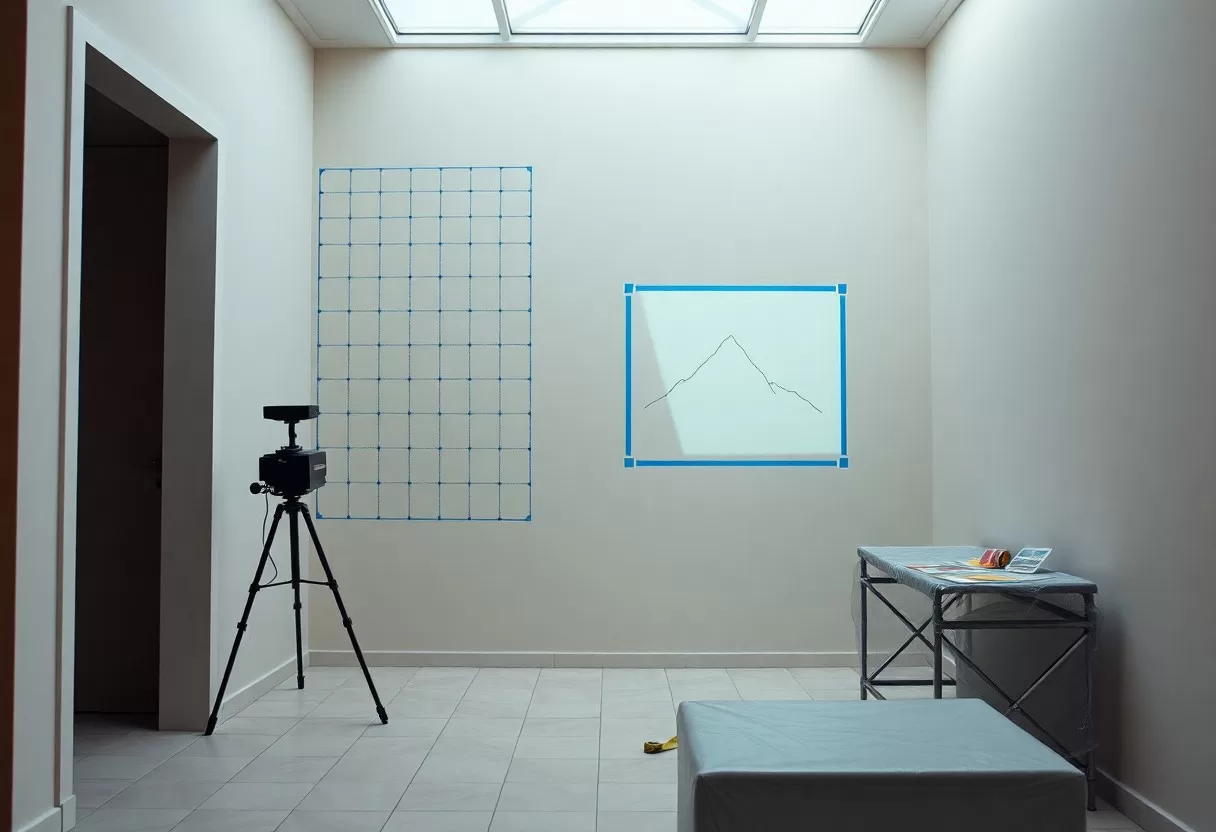
A: Start by evaluating the room’s purpose, natural light, sightlines and wall dimensions. Use the wall’s function to guide style-calming palettes for bedrooms, energetic compositions for living areas or playrooms. Measure and sketch the wall, then mock up options with painter’s tape, paper templates or a projected image to test scale and viewing distance. Consider architecture and existing furnishings so the mural complements rather than competes. For small walls favor simple motifs or accent panels; for large expanses consider panoramic or repeating patterns. Account for nearby features (switches, vents, windows) when planning placement.
Q: What materials, tools and surface preparation are best for durable indoor murals?
A: Clean, repair and prime the surface before painting: fill cracks, sand glossy finishes, remove dust and grease. Use a good-quality primer compatible with wall substrate (PVA or bonding primer for drywall; masonry primer for textured surfaces). For paint, use interior acrylic-latex or artist acrylics for detailed work; choose water-based options for easier cleanup and lower fumes. Essential tools include rollers and angled brushes for base coats, fine brushes for detail, a projector or grid for transferring designs, painter’s tape, drop cloths and a level. Finish with an appropriate protective varnish or clear coat (matte or satin) with UV resistance if the wall gets sun. Test materials on a small area to confirm adhesion and color.
Q: How should I protect, clean and repair a mural so it stays vibrant over time, and when should I hire a professional?
A: Protect high-traffic or moisture-prone murals with a clear protective finish and maintain stable indoor humidity and light exposure. Clean gently with a soft cloth and mild soap; avoid abrasive cleaners and scrubbing. For touch-ups, keep documented paint mixes or swatches and apply small retouches with matching paint, feathering edges to blend. Reapply protective sealer every few years depending on wear and UV exposure. Hire a professional for large-scale work, exterior murals exposed to weather, structural wall damage, complex restorations, or when scaffolding and specialized coatings are required. Professionals can also handle permits, historic-surface conservation and fast timelines.