
Digital‑Detox Gardens – Offline Community Spaces for Connection
A digital detox garden is an outdoor space designed to help people put down their phones and reconnect with nature and each other. Seating for conversation, sensory planting, shade and simple activities make it work, whether it sits in a backyard or a shared community lot. Here is how to plan one, run it and keep people coming back.
Table of Contents
Key Takeaways: Digital Detox Garden
- Digital-detox gardens give people a calm place to meet offline and get to know each other.
- They encourage mindfulness and less screen time, which supports well-being.
- Good design makes the space inviting for both relaxing and talking.
The Concept of Digital-Detox Gardens
Definition and Purpose
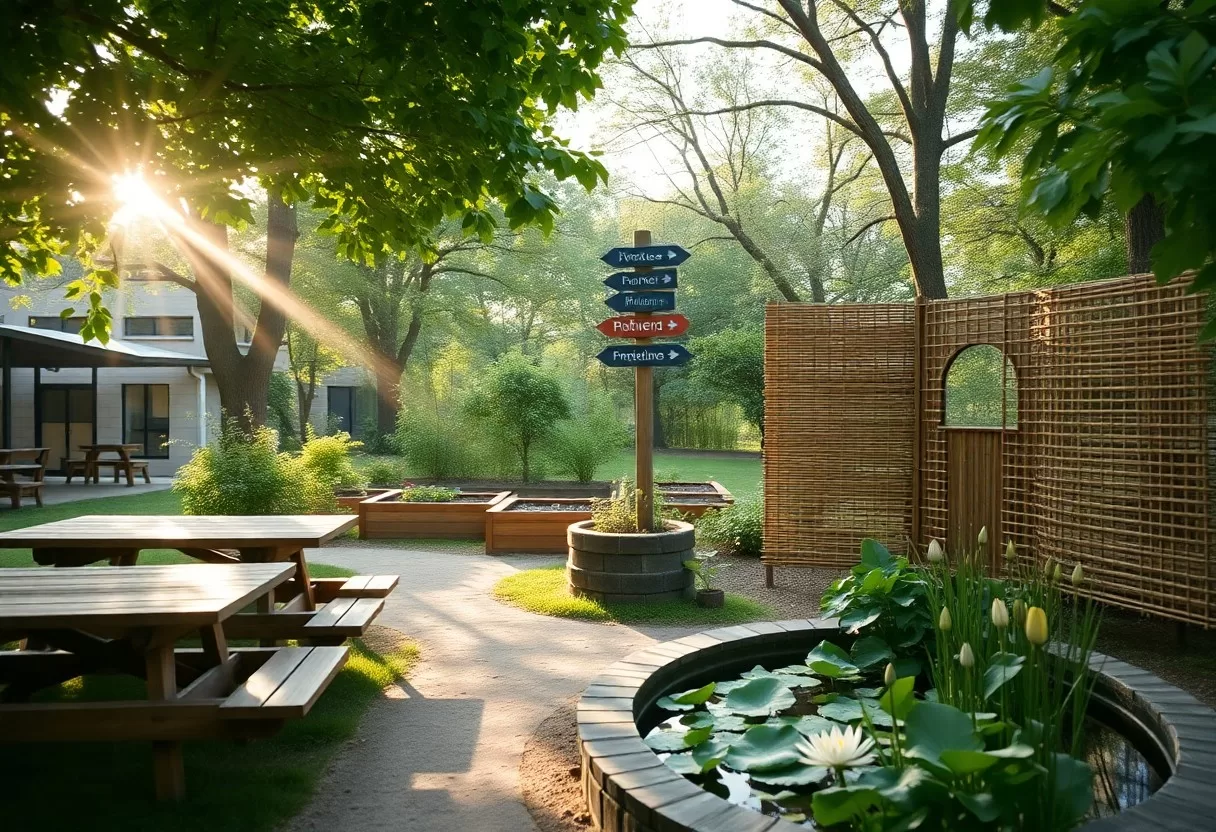
A digital detox garden is an outdoor space set up to encourage people to step away from screens and spend time with plants and with one another. It can be a corner of your backyard with a bench and no Wi-Fi, or a shared community garden with a phone-free rule. The goal is simple: a place where people can slow down, talk, garden and rest without notifications pulling them away.
Benefits for Community Engagement
These gardens bring people together. Working side by side on planting or weeding builds teamwork and a shared sense of responsibility. Regular events, such as potlucks, seed swaps or story time for kids, give neighbors an easy reason to show up and talk. Over time, those small, repeated contacts turn strangers into friends and help a neighborhood feel more connected.
Community gardens are known for building social ties, and a phone-free rule makes that effect stronger, because people look up and talk. Planting days and hands-on workshops teach useful skills, and growing vegetables together can help families who struggle to afford fresh produce. These spaces also draw a mix of ages and backgrounds, so older gardeners can pass on their know-how to younger neighbors.
Designing a Digital-Detox Garden
Designing a digital detox garden starts with how people will use it. Plan a mix of spaces: quiet corners where one or two people can sit alone and larger areas where groups can gather. Comfortable seating, shade and paths that invite slow walking all help. Native plants are a smart choice because they suit your climate, need less water once established and support local bees, butterflies and birds.
Features and Elements
Useful features include seating areas made from durable, sustainable materials such as reclaimed wood or stone, meditative spaces for quiet reflection and interactive installations that engage the senses, like a wind chime corner or a small labyrinth. Fragrant herbs such as lavender and rosemary, soft plants like lamb’s ears and a small water feature appeal to smell, touch and hearing. Simple signs naming local plants help visitors learn as they wander.
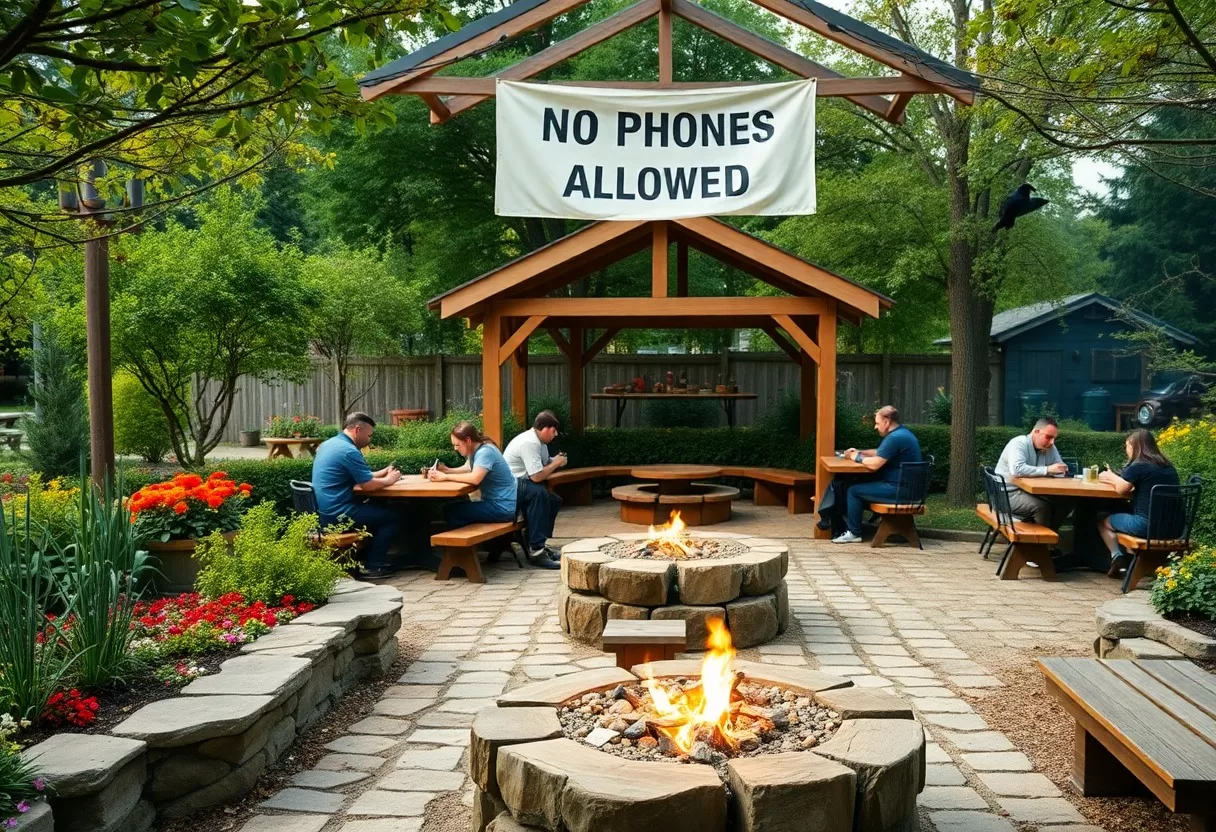
Think about the phone itself, too. A simple sign at the entrance asking visitors to silence their phones, or a basket or set of cubbies where people can leave them during events, sets the tone without being preachy. Skip Wi-Fi and charging stations in the main garden, and offer analog alternatives instead: a chalkboard for notes, a little free library box, board games or a sketchbook on a bench.
Accessibility and Inclusivity
A good design is accessible to everyone, including people who use wheelchairs or walkers and people with sensory sensitivities. Main paths should be firm, smooth and about 5 feet wide so two people can pass and a wheelchair can turn, with gentle slopes, ideally no steeper than 1:20, instead of steps. Include seating with backs and armrests at regular intervals, and offer both lively areas and quiet, low-stimulation corners.
Inclusive design helps everyone feel welcome. Raised beds about 24 to 30 inches high let people garden from a seat or wheelchair. Signs in the main languages of your neighborhood, plus large print or Braille, help visitors with different needs. Ask the community for input during planning, too; people support a space they helped shape, and they will tell you what they need. The result is a garden that serves a wide mix of neighbors.
The Role of Nature in Digital Detox
Time in nature gives you a break from the constant pull of devices. The sights, sounds and smells of a garden draw your attention outward in a gentle way, which many people find calming. Even a short visit can help you reset after a long day of screens.
Psychological Benefits
Many people find that time outdoors helps them feel less anxious and more balanced. Research on green spaces has linked them with lower stress, and gardens are an easy place to practice mindfulness: notice the breeze, the birdsong and the feel of soil in your hands. A regular habit, such as a ten-minute phone-free walk each morning, often matters more than a long visit now and then.
Physical Health Advantages
Spending time outdoors also has physical health advantages. Gardening involves bending, lifting and walking, which counts as moderate activity. Time outside in daylight can help regulate sleep, and regular movement supports heart health and a healthy weight. Remember sun protection, gloves and good lifting habits, especially if you are new to gardening.
A widely cited study from the UK found that people who spent about two hours per week in nature were more likely to report good health and well-being than those who spent none. You can split that time however you like, such as a few short walks or one longer gardening session. Green spaces also tend to get people moving, because walking, digging and carrying are part of the visit.
Community Involvement and Programming
A digital detox garden works best with active community involvement. When people help plan, plant and run it, they feel it belongs to them. Regular programming, such as monthly workdays and seasonal events, gives people reasons to return and keeps the garden lively.
Workshops and Events
Workshops and events turn the garden into a place to learn. Popular topics include organic vegetable growing, composting, seed saving, pruning, herbal teas and nature journaling. Keep sessions hands-on and short, about an hour, and schedule them at regular times so people can plan around them. Ask experienced local gardeners to teach; it is a good way to share knowledge across generations.
Volunteer Opportunities
Volunteering is a great way to get involved. You can help with maintenance, organize events or spread the word to neighbors. Working with others builds friendships and gives you a real stake in how the garden grows.
Even a few hours a month makes a difference. Volunteers can water during dry spells, weed paths, set up chairs for events or lead kids in simple activities like planting seeds or a bug hunt. A shared calendar or a sign-up board at the gate helps spread tasks fairly so no one burns out. Working outside together also gives volunteers the same rest and connection the garden offers visitors.
Case Studies of Successful Digital-Detox Gardens
Looking at real places helps show how people use green space to unplug. The examples below are not all formal digital-detox projects, but each one shows how parks, gardens and nature practices give people room to slow down and connect.
- Central Park, New York: 843 acres of lawns, woods and paths show how much city dwellers value green space to unwind.
- Botanic gardens, such as Sydney’s: quiet lawns, themed beds and guided walks offer a calm, screen-free outing.
- Forest bathing, Japan: shinrin-yoku, slow and mindful walks in the woods, has inspired guided nature walks worldwide.
- Everyman’s right, Finland: open public access to forests makes time outdoors part of everyday life.
Examples from Around the World
Around the world, many places already make room for offline time outdoors. Shared urban gardens in German cities such as Berlin bring neighbors together to grow food on vacant lots. In Australia, Nature Play programs encourage families to get kids outside and away from screens. You do not need a big budget to borrow these ideas for your own neighborhood or backyard.
Lessons Learned and Best Practices
A few lessons stand out from successful community gardens. Make the space easy to reach and use, and offer a variety of activities, from quiet mindfulness sessions to busy group workdays, so different people find a reason to come. Friendly signs that mark phone-free areas help set expectations without making visitors feel judged.
Good digital-detox spaces combine thoughtful design with strong community support. Give people comfortable places to sit, interesting things to do and clear, friendly guidelines about devices. Ask for feedback regularly, through a suggestion box or a short chat at events, and adjust as you learn what your community enjoys. A garden that changes with its users stays relevant for years.
Challenges and Considerations
Starting a digital-detox garden comes with challenges. Common ones include funding, keeping people interested and ongoing maintenance. Plan for these from the start, and the garden has a much better chance of lasting.
Funding and Maintenance
Securing funding is often the first hurdle. Look into community grants, local business sponsorships, garden club support and small crowdfunding campaigns. Ask your city about vacant lots or park space that can be leased cheaply, and check water access early, since irrigation is a running cost. A steady team of volunteers keeps maintenance costs low.
Write a simple maintenance plan before opening day. List weekly jobs, such as watering and picking up litter, and seasonal ones, like mulching, pruning and clearing beds. Choose tough, low-maintenance plants for the public areas and save fussier crops for members’ plots. Shared tools stored in a locked shed, with a sign-out sheet, last longer and are easier to track.
Overcoming Resistance to Offline Spaces
Some people resist offline spaces because their habits are built around phones, or they feel online contact is easier. Instead of lecturing, show them the benefits: invite them to a relaxed event with food, music or a hands-on activity and let the experience speak for itself. Share stories from your own garden, and partner with local schools, libraries or well-known community figures to reach new people. Keep phone rules gentle, such as phone-free hours, so nobody feels shut out.
Summing up
In the end, a digital detox garden gives you a place to reconnect with nature and build real relationships in your community. It encourages mindfulness and offers a break from constant notifications, which can support your well-being and strengthen social bonds. To read more about unplugging, you can Discover the Best Offline Escapes for a Screen-Free Summer. Start small, invite your neighbors and let the garden grow from there.
Box breathing: a 2-minute reset
Follow the circle: breathe in, hold, breathe out, hold — 4 seconds each. Four to six cycles calm the nervous system.
FAQ
Q: What is a Digital-Detox Garden?
A: A digital detox garden is an outdoor space, private or shared, set up to help people put their phones away and spend time on gardening, conversation and quiet activities instead of screens.
Q: How can Digital-Detox Gardens promote mental well-being?
A: Time outdoors and among plants is widely linked to lower stress and better mood. A garden without screens gives you room to slow down, notice your surroundings and talk with other people, which many find relaxing and good for their mental well-being.
Q: What activities are typically organized in Digital-Detox Gardens?
A: Common activities include shared planting and harvesting, yoga or stretching, sketching, reading circles, picnics and seasonal community events. Simple seating, shade and a few shared tools make it easy for people to join in.
Q: Can anyone participate in activities at Digital-Detox Gardens?
A: That depends on who runs the space. Public community gardens are usually open to everyone, while gardens at schools, workplaces or clubs may be limited to members, so check the rules or ask the organizers before you go.
Q: How do I find a Digital-Detox Garden near me?
A: You can search online for local community gardens, wellness centers, or social organizations that promote digital detox initiatives, or consult community boards for information about nearby spaces.
Sketch a phone-free garden retreat with the free AI garden and landscape designer.
Related Guides
