
Designing for Small Urban Lots – Challenges and Creative Solutions
Solutions for maximizing your small urban lot are imperative in today’s densely populated cities. As you navigate the challenges of limited space, creative design strategies can help you optimize functionality while enhancing aesthetic appeal. You may encounter restrictions on zoning, limited access to natural light, and the need for privacy, but innovative approaches like vertical gardens and multi-purpose furniture can transform your space into a captivating urban oasis. This post will guide you through the challenges and effective solutions that will help you make the most of your small urban lot.

Key Takeaways:
- Maximizing vertical space is important; utilizing multi-level designs can provide additional living areas while maintaining a smaller footprint.
- Incorporating flexible furniture solutions can enhance functionality, allowing spaces to adapt for different uses throughout the day.
- Strategic landscaping and greenery can help in creating a sense of openness and connection to nature, even in confined spaces.
- Implementing clever storage solutions helps maintain organization and declutter small areas, promoting a more livable environment.
- Utilizing natural light through large windows and light colors can significantly enhance the perception of space and improve overall ambiance.
Taming the Constraints: Navigating Space Challenges
Small urban lots present unique challenges that require innovative thinking. Limited square footage, unpredictable site shapes, and existing infrastructure can make traditional design approaches ineffective. You must navigate these constraints creatively, using strategies that maximize both functionality and aesthetics. Exploring solutions like multi-functional spaces, flexible layouts, and well-integrated outdoor areas will help you make the most of your property while ensuring it feels spacious and welcoming.
Analyzing Lot Sizes and Zoning Restrictions
Your first step in tackling the design constraints of small urban lots is to thoroughly analyze lot sizes and zoning restrictions. Zoning laws dictate what can be constructed, often impacting the allowable height, setbacks, and the total building footprint. Understanding these regulations will guide your design process, ensuring compliance and preventing costly redesigns.
Understanding Vertical vs. Horizontal Design Dynamics
Designing for smaller lots often necessitates a choice between going vertical or horizontal. Vertical designs take advantage of height, allowing you to create multi-story living spaces that can house more functions within a confined footprint. This approach can include stacked units or even incorporating living spaces above retail or garage areas. On the other hand, horizontal designs tend to spread out, emphasizing ground-level layouts that can blur indoor and outdoor living while maintaining accessibility. Each approach has its pros and cons, and the right choice depends on not just space, but also lifestyle needs and community context.
In urban settings, the vertical design is typically a preferred solution due to the limited ground area available. Buildings can reach heights of multiple stories, with a smaller footprint than horizontal designs. For example, a narrow, three-story townhouse can provide ample living space without taking up much land. Meanwhile, horizontal designs can make the most of setbacks and landscaping, creating intimate outdoor spaces and maximizing views. Ultimately, assessing your site’s context and your lifestyle will dictate the balance between these two dynamics, allowing for creative flexibility in your design.
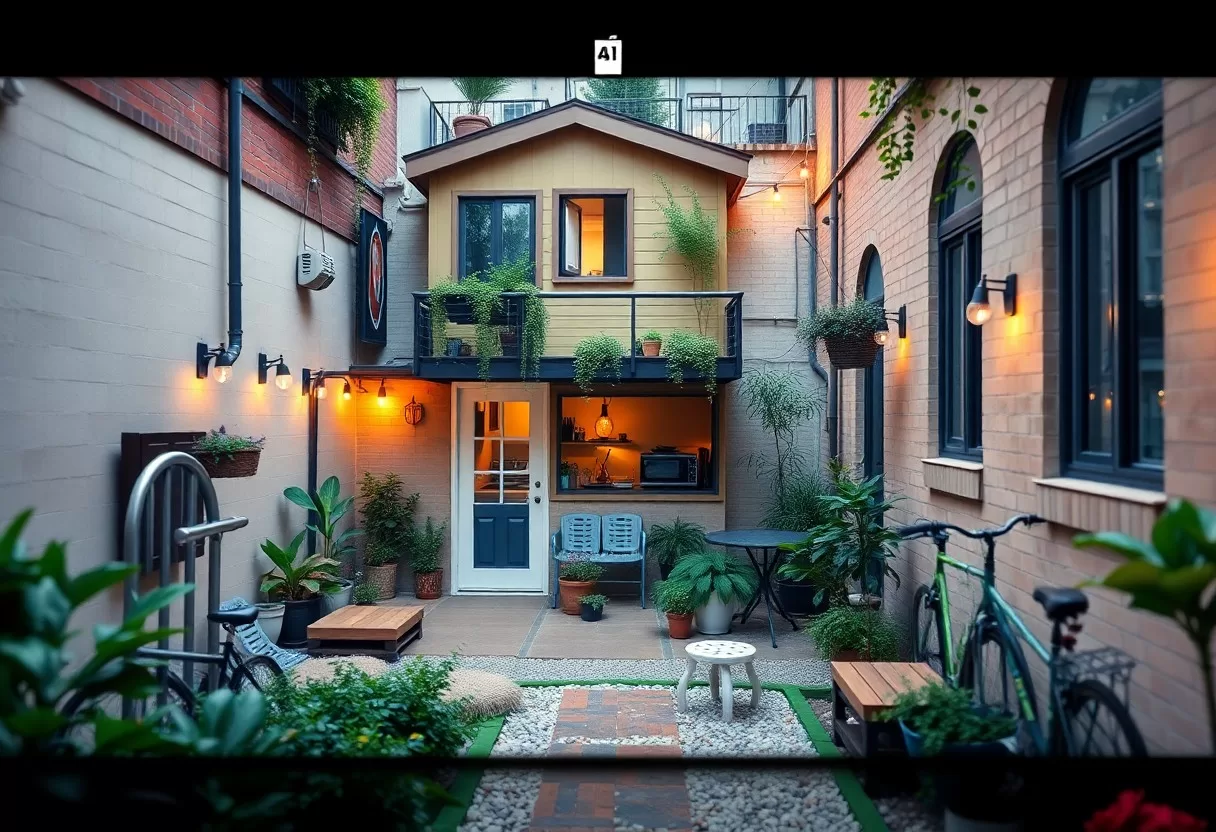
Creating Livable Spaces: Innovative Design Strategies
Engaging with small urban lots presents an opportunity to utilize innovative design strategies that enhance livability. By prioritizing functionality and creativity, you can transform limited square footage into inviting, practical environments. These strategies focus on maximizing space without sacrificing comfort or aesthetic appeal, allowing you to thrive in your urban setting.
Multi-Functional Furniture and Space-Saving Solutions
Investing in multi-functional furniture can significantly optimize your limited space. Pieces that serve multiple purposes, such as a sofa bed or an extendable dining table, help you maximize utility while minimizing clutter. Incorporating built-in storage solutions, like under-bed drawers or wall-mounted shelves, also ensures that every inch of your home serves a purpose, enhancing the overall livability of your small lot.
Enhancing Natural Light and Outdoor Connections
Leveraging natural light and establishing connections to outdoor spaces can dramatically improve the atmosphere of your living area. Consider incorporating large windows, sliding glass doors, or skylights to flood your interiors with light, making your small space feel larger and more open. Establishing outdoor spaces, like balconies, terraces, or small gardens, further connects your home to nature, enhancing your overall quality of life.
By carefully designing your layout to facilitate light flow and outdoor access, you create an inviting ambiance that extends beyond your walls. For example, using glass dividers instead of solid walls can maintain openness while allowing natural light to permeate through various rooms. Strategic landscaping, such as vertical gardens or container plants, can enhance your outdoor areas and invite greenery right to your doorstep, melding indoor and outdoor living seamlessly.
Embracing Urban Greenery: Incorporating Nature into Design
Integrating greenery into small urban lots is not only visually appealing but also vital for enhancing your living environment. By bringing nature into your design, you can create a tranquil oasis amidst the concrete jungle. Incorporating elements like plants, trees, and flowers fosters a sense of well-being, improving air quality and providing habitats for wildlife. Modern design increasingly prioritizes green spaces, allowing urban dwellers to connect with nature and enjoy the numerous benefits it brings to everyday life.
Vertical Gardens and Rooftop Oases
Utilizing vertical gardens and rooftop oases transforms underutilized spaces into vibrant retreats. By installing vertical gardens, you can maximize wall space with lush greenery that requires minimal footprint. Rooftop gardens not only provide fresh produce but also create a serene escape from the city’s hustle and bustle. These creative solutions enhance insulation for your building, reduce stormwater runoff, and promote biodiversity—an exemplary way to showcase your commitment to sustainability.
Community Gardens: Building Connections and Sustainability
Community gardens cultivate a sense of pride, connection, and environmental responsibility among urban residents. These shared spaces not only offer fresh produce but also serve as a hub for local engagement, where neighbors come together to cultivate plants and foster friendships. By participating in a community garden, you contribute to food security, sustainability, and the overall beautification of your neighborhood.
In a community garden, collaboration serves as the backbone of the project, deepening social ties among participants. Imagine transforming a vacant lot into a thriving ecosystem where you can grow vegetables, herbs, and flowers while connecting with fellow gardeners. These vibrant spaces often boost local food security; in some cities, community gardens yield hundreds of pounds of fresh produce annually. Furthermore, the act of gardening fosters stewardship of the environment, educating participants about sustainable practices and biodiversity, creating a lasting impact well beyond the harvest.
Rethinking Infrastructure: Essential Utilities and Access
Effective design of small urban lots necessitates innovative approaches to infrastructure that integrates crucial utilities and simplifies access. Compact spaces require smart planning to accommodate water, electricity, and sewage, often with limited underground space. Utilizing vertical designs, for instance, can allow for the placement of utilities while maintaining usable area for green spaces and living quarters. Moreover, prioritizing efficient connectivity pathways promotes both pedestrian and vehicular movement, ensuring that even smaller developments can offer a sense of community while meeting operational needs.
Smart Technology in Small Spaces
Incorporating smart technology into your design can significantly enhance the functionality of small urban lots. Automated systems for lighting, heating, and security not only optimize space but also make living more efficient. You can leverage IoT devices to monitor energy consumption, controlling everything from appliances to lawn irrigation remotely. This integration can promote sustainability and reduce utility costs, making your compact development both eco-friendly and economically viable.
Ensuring Accessibility and Compliance in Design
Designing for small urban lots must address accessibility challenges while adhering to local regulations. By seamlessly integrating features that support people with disabilities—like wider doorways, ramps, and elevators in multi-level buildings—you can create an inclusive environment. Moreover, staying informed about the Americans with Disabilities Act (ADA) guidelines ensures that your project meets necessary standards, balancing aesthetics with necessary functional requirements.
Prioritizing accessibility does not mean sacrificing style; you can achieve both by creatively using layout and materials. For example, an artistic approach to ramps can turn functional barriers into visually appealing features. Incorporate tactile indicators for the visually impaired, and consider adjustable counters or shelving to accommodate a range of users. These thoughtful decisions will not only comply with regulations but enhance the livability of your urban design, ultimately making your project more appealing and valuable in the long run.
Neighborhood Impacts: Designing for Community Integration
Creating spaces that foster community integration requires thoughtful design that prioritizes the social fabric of the neighborhood. Urban lots should include features that promote interaction among residents, allowing them to engage in meaningful activities. By integrating shared amenities such as parks, community gardens, or seating areas, designs can cultivate a sense of belonging and enhance overall neighborhood cohesion. Furthermore, utilizing local materials and architectural styles can reflect the identity of the area, fostering pride among residents and encouraging a more vibrant community life.
Fostering Community Interaction Through Design
Incorporating features that promote community interaction can significantly enhance social connections. Design elements like communal gathering places, open green spaces, and pedestrian-friendly pathways encourage residents to spend time outdoors and engage with one another. For instance, a small urban lot that includes a multi-use courtyard can serve as a hub for events, neighbors’ meetings, or simply casual encounters, enriching community ties and improving the overall quality of life.
The Role of Art and Aesthetics in Urban Identity
Art and aesthetics play a pivotal role in shaping urban identity, creating a sense of place that resonates with community members. Integrating local art installations and decorative elements into urban lot designs not only beautifies the space, but also reflects the unique cultural narratives of the area. Whether through murals that celebrate local history or sculptures that express community values, these creative elements help establish a distinctive identity that can attract visitors and residents alike.
The inclusion of art within urban design transcends mere decoration; it becomes a vital means of storytelling that connects residents to their surroundings. For example, a neighborhood mural could depict the area’s historical milestones or celebrate local figures, prompting residents to engage with their history and identity. Research shows that neighborhoods with vibrant public art programs often experience increased social cohesion and a lower crime rate, demonstrating how aesthetics enhance the livability of urban environments. By prioritizing artistic expression, you create spaces that instill pride and foster deeper connections among residents, ultimately strengthening the community fabric.
To wrap up
To wrap up, designing for small urban lots presents unique challenges that require your creativity and adaptability. Navigating limited space while maximizing functionality can lead to innovative solutions, such as vertical gardens, multi-purpose furniture, and open floor plans. Emphasizing light and greenery can significantly enhance your design, creating an inviting atmosphere. By carefully considering zoning regulations and engaging with local communities, you can further tailor your solutions to fit the urban context. With your thoughtful approach, even the smallest lot can become a remarkable and functional living space.
FAQ
Q: What are some unique challenges encountered when designing for small urban lots?
A: Designing for small urban lots presents a variety of challenges, including limited space for building and landscaping, zoning regulations that dictate building height and setbacks, and the need to maximize functionality without overwhelming the site. Additionally, designers often face the task of creating private spaces in densely populated areas, balancing natural light access, and ensuring proper ventilation in constrained environments.
Q: How can I effectively maximize space on a small urban lot?
A: To maximize space on a small urban lot, consider adopting multi-functional designs that allow one area to serve multiple purposes. Vertical gardening and wall-mounted storage solutions can free up valuable floor space. Utilizing open floor plans with flexible layouts, incorporating built-in furniture, and creating outdoor living areas can also help enhance the perceived space while maintaining functionality.
Q: What are some creative landscaping solutions for small urban lots?
A: In small urban lots, creative landscaping solutions are crucial for enhancing aesthetics and functionality. Vertical gardens, rooftop gardens, and container gardening are effective options that use minimal ground space while providing greenery. Utilizing native plants and drought-resistant species can reduce maintenance and water usage, while strategically placing features like trellises and pergolas can define outdoor spaces without obstructing sightlines.
Q: How do urban zoning regulations impact design decisions for small lots?
A: Urban zoning regulations significantly influence design decisions, as they dictate aspects such as building height, density, and setbacks from property lines. Designers must understand these regulations to ensure compliance while maximizing the potential of the lot. Creative design often involves finding ways to work within these parameters, such as using cantilevered structures or utilizing rooftop spaces, thus adding valuable square footage without violating zoning laws.
Q: What role does sustainability play in the design of small urban lots?
A: Sustainability is increasingly vital in the design of small urban lots. By incorporating energy-efficient systems, using sustainable materials, and designing for passive solar gain, homeowners can reduce their environmental impact. Innovative water management techniques, like rainwater harvesting and permeable paving, can also enhance sustainability. Sustainable design not only improves the living environment but can also lower utility costs and increase property value.