
Cultural Hybrids – Blending Local Traditions With Global Design
Cultural hybrid design blends local traditions, materials and crafts with global trends. The result can be homes and buildings that feel contemporary yet rooted in place. Here is how designers merge cultures thoughtfully and why it matters for identity and community.
Table of Contents
Key Takeaways: Cultural Fusion Design
- Hybrid design mixes local traditions with global ideas to create something new.
- Done well, it keeps local identity alive while welcoming outside influences.
- The best results respect local climate, customs and crafts.
The Art of Blend: Defining Cultural Hybridity
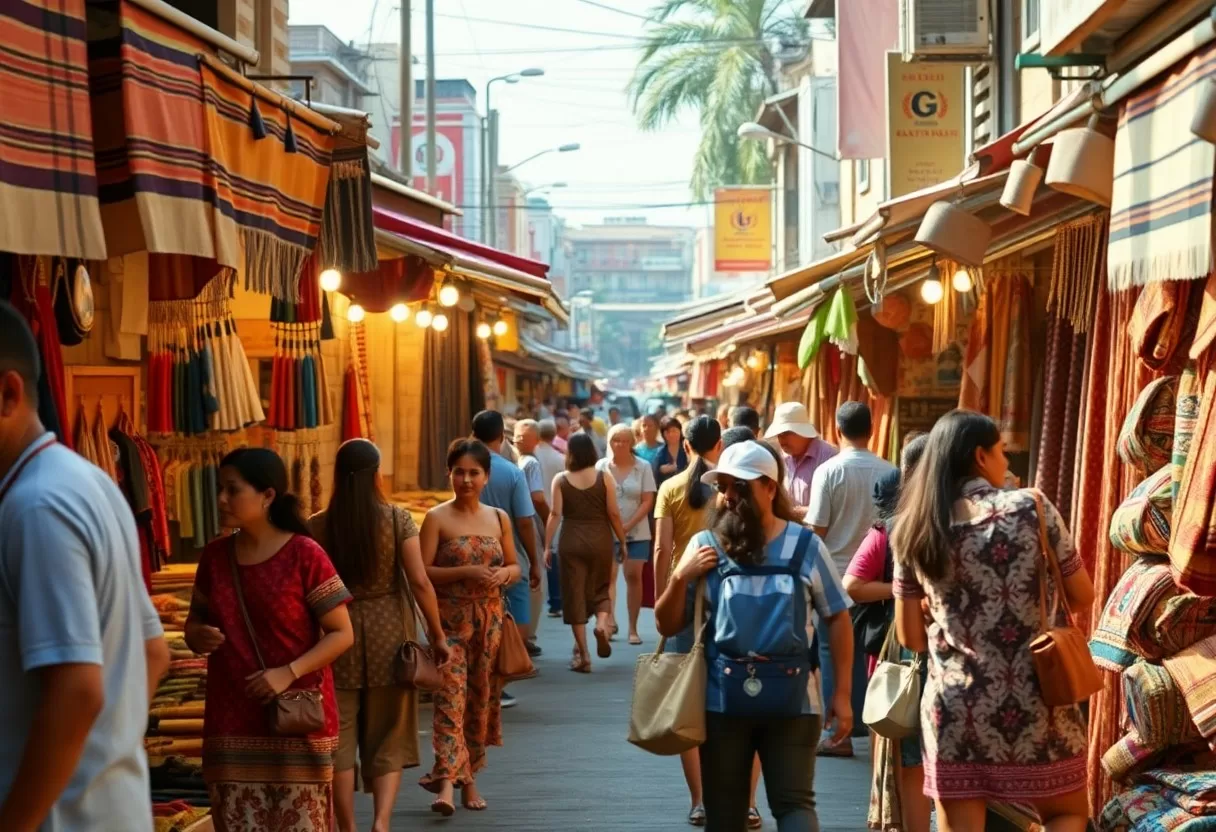
Cultural hybridity simply means that elements from different cultures meet and form something new. It goes deeper than mixing a few decor items. It reflects how communities adapt, trade ideas and change over time. You can see it in food, where family recipes pick up global ingredients, and in buildings, where local styles take on international methods. Each hybrid shows how many influences shape the places you live in.
Key Characteristics of Cultural Hybrids
Cultural hybrids share a few traits, including adaptability and diversity. They combine local customs with outside influences and often drop old boundaries between styles. They also tend to spark innovation, because new forms appear when different ideas meet. That is why hybrid design often feels at home in multicultural cities, where people already live with several traditions every day.
Historical Context and Evolution of Hybridity
Cultural mixing is nothing new. It traces back through colonial exchanges and trade routes, where societies met and borrowed from one another. Goods and ideas traveled along the Silk Road, and European and Indigenous practices mixed across the Americas. Global travel and the internet have sped this up. Today you see it in art, music, fashion and interiors, where many influences now sit side by side.
The history of cultural hybridity is tied to colonization, migration and trade. Events such as the Transatlantic Slave Trade and the expansion of the British Empire moved people and practices across the world, often by force and at great human cost. These encounters shaped new identities and gave rise to things like Creole languages and fusion cuisine. Today, technology and easy travel make cultural blending faster than ever, which changes how people think about tradition and modernity.
Design Innovations: Merging Global Aesthetics with Local Craftsmanship
Good hybrid design pairs global looks with local craft. When you combine traditional techniques with contemporary styles, you get pieces that reflect a heritage but still feel current. Think of a hand-woven rug in a minimalist living room, or handmade tiles used for a modern kitchen backsplash. The mix of materials, colors and forms creates a new design language that respects local makers instead of copying them.
To try this at home, start with a calm base: neutral walls, simple furniture and plenty of light. Then add two or three pieces with a strong cultural story, such as a kilim rug, a carved wooden screen or a set of handmade bowls. Repeat one color or material from those pieces elsewhere in the room so they look connected. Too many statement pieces from too many places can make a room feel like a souvenir shop.
Influential Examples of Hybrid Design
Examples of hybrid design are everywhere once you look. Fashion labels work with weavers, embroiderers and leather workers to turn traditional techniques into modern pieces. Furniture makers pair mid-century shapes with local woods and hand-carved details. In homes, you might see Japanese-style joinery in a Scandinavian table or Moroccan zellige tile in a sleek bathroom. When you buy, look for pieces made with the artisans, not just inspired by them.
Be careful with sacred or ceremonial objects. Some patterns, masks and textiles carry religious or family meaning and are not meant as decoration. If you are unsure, read about the piece or ask the seller where it comes from and how it is traditionally used. Buying from makers who share that background, and paying a fair price, is the respectful way to bring their work into your home.
The Role of Technology in Facilitating Cultural Interchange
Technology makes cultural exchange much easier. Designers and artisans can now share ideas and work together across borders. Online platforms connect makers from different backgrounds, so a weaver in one country can find buyers and collaborators in another. That wider reach helps keep traditional skills alive, because there is a market for them, and it lets those crafts keep changing.
Online marketplaces let you buy directly from artisans, which can return more of the price to the makers. Augmented reality (AR) apps let you preview a rug, lamp or chair in your own room before you buy it. Social media has also helped hybrid products reach new audiences, as designers share their process and build a following. Easy communication opens the door to co-creation, where designers and makers develop a product together and both get credit for the result.
Cultural Spectrums: From Cuisine to Architecture
Cultural mixing shows up across many fields, from food to buildings. Global influences move into local habits and lead to new combinations. Every dish and structure carries a story about where it came from and how it has changed. This back-and-forth between cultures sparks creativity and gives people new ways to express who they are, both as individuals and as communities.
Gastronomic Fusion: A Taste of Hybrid Cultures
In food, hybrid cultures show up in dishes that pair family recipes with new techniques and ingredients. Japanese wafu pasta, for example, tosses spaghetti with soy sauce, butter and mushrooms. Street food stands in big cities serve mash-ups like sushi burritos and Korean tacos. These dishes are fun to try, and they also tell the stories of the immigrant communities who created them.
Architectural Marvels: Structures That Tell Hybrid Stories
Buildings can tell the same kind of story. In Dubai, the Burj Khalifa pairs patterns linked to Islamic architecture with modern supertall engineering. In Madrid, the CaixaForum by Herzog & de Meuron turned an old brick power station into an arts center, adding an oxidized-iron upper section and a large vertical garden on the neighboring wall. These buildings show how design can keep history visible while meeting new needs.
Hybrid architecture often comes from collaboration across borders. The Sydney Opera House is a good example: a Danish architect, Jørn Utzon, designed a building that is now closely tied to Australian identity. Many new projects also mix local materials and climate-smart methods with global technology, which reflects both aesthetic and ethical choices. For your own home, the lesson is simple: let local climate and materials lead, and borrow outside ideas where they actually help.
You can apply the same thinking to a single house. A courtyard plan borrowed from Mediterranean homes, shoji-style sliding screens from Japan or a wide covered porch from the American South can each solve a real problem, like privacy, light or heat. Choose the idea because it fits your site and climate, then build it with materials that suit where you live.
The Social Fabric: Community and Identity in Cultural Hybrids
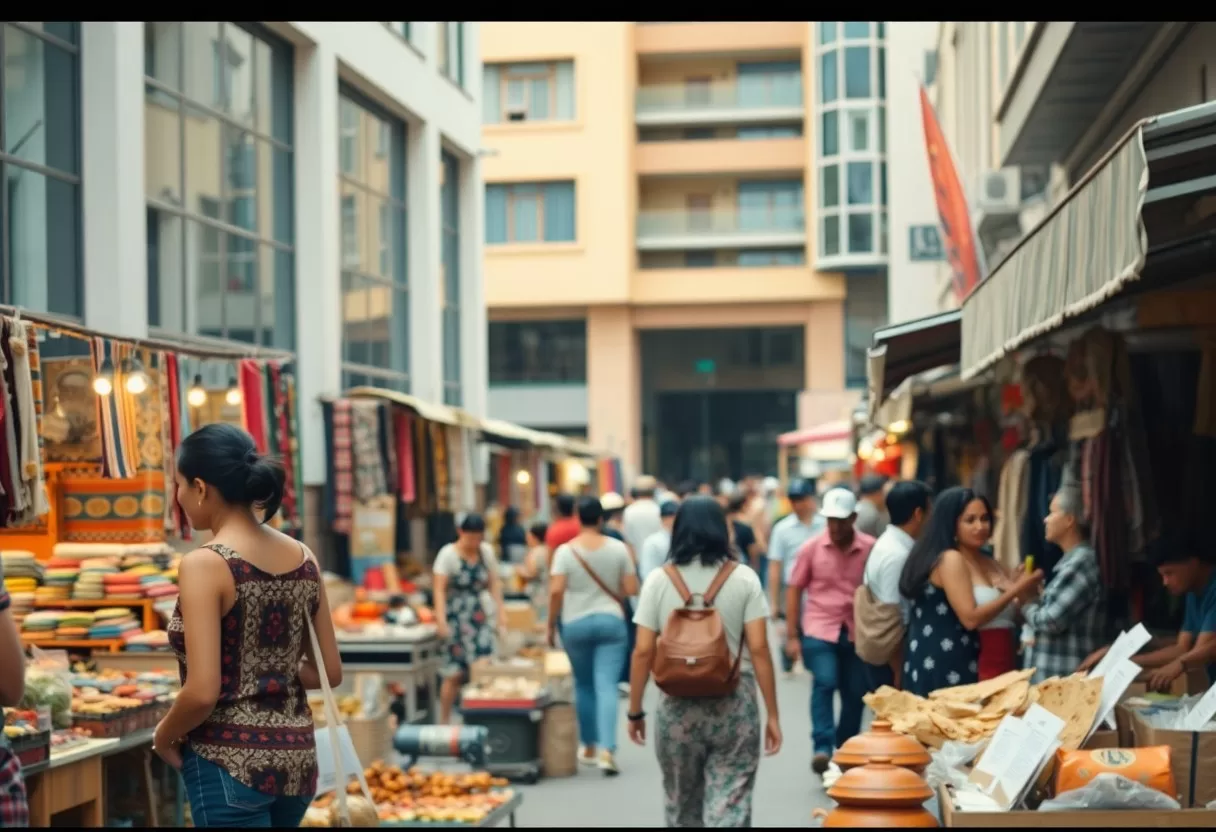
Cultural hybrids add depth to community life by bringing different traditions together. They help people from different backgrounds connect and understand each other. Shared festivals, mixed food traditions and joint art projects let people celebrate their roots while trying something new. Over time, this blending can strengthen neighborhood ties and make everyday life more interesting for everyone.
The Role of Cultural Hybrids in Building Inclusive Societies
Cultural hybrids can help build more inclusive societies by lowering barriers between groups. When spaces welcome many traditions, people are more likely to meet, talk and understand each other. You see this at multicultural street fairs, shared community gardens and family-run fusion restaurants that draw a mixed crowd. Places like these give people a sense of belonging while still leaving room for differences.
Identity Challenges Faced by Cultural Hybrids
People with mixed cultural backgrounds often juggle several influences while looking for acceptance. You may wrestle with questions of belonging, caught between the expectations of different cultures. Stereotypes or misunderstandings from others can make this harder. Building a clear sense of self then becomes a balance between pride in your heritage and the wish to fit in.
These challenges show up in many ways, such as pressure to follow one culture while still valuing another. Children of immigrants, for example, often carry their family’s traditions while adapting to the habits of their new country. This can create inner conflict, and you might feel distant from your roots or judged for a blended identity.
Society can also set narrow ideas of who belongs, which leaves people with mixed backgrounds feeling like outsiders on both sides. That is why spaces that recognize and celebrate hybrid identities matter. At home, this can be as simple as displaying objects, art and textiles from each side of your family, so your rooms reflect your whole story rather than just one part of it.
Future Trends: Embracing Diversity in Design
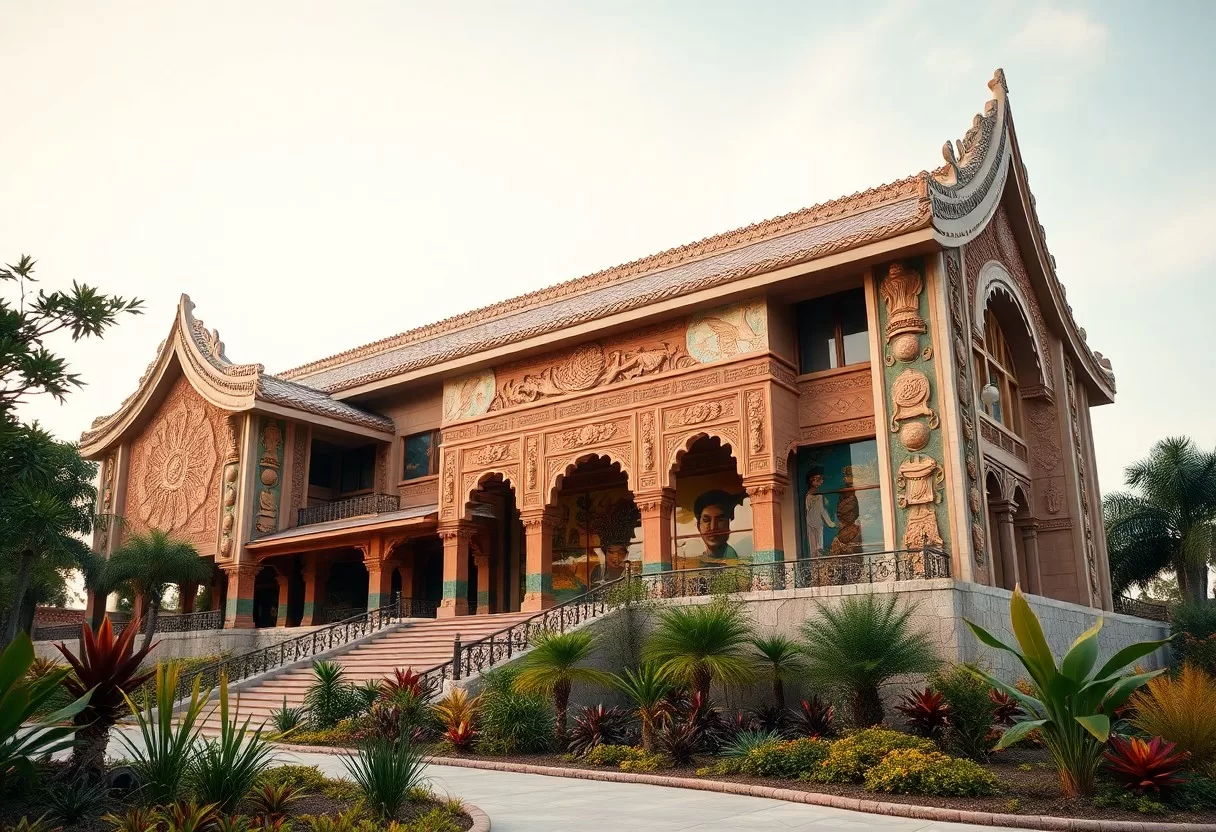
Design is shifting toward a wider appreciation of diversity and cultural mixing. Expect more designs that pair global styles with local stories, giving spaces and products a personal feel. The trend points to a more inclusive approach, where styles, materials and techniques from different places come together with care rather than by accident.
Sustainability and Hybridity in Modern Design Practices
Sustainable design and cultural hybridity often go hand in hand. Many architects and designers now use locally sourced materials and traditional building methods alongside modern technology. Rammed earth walls with modern insulation, or deep roof overhangs paired with solar panels, are good examples. Local materials travel shorter distances, and traditional methods often suit the local climate well, so the result can be both lower impact and right for its place.
Many traditional features already handle local weather well. Thick masonry walls slow heat gain in hot, dry places. Raised floors and cross ventilation help in humid climates. Steep roofs shed snow in cold regions. When you mix styles, keep the features that suit your climate and treat the borrowed ones as finishes, not as the structure of the house.
Predicting the Next Wave of Cultural Innovations
Spotting the next wave of cultural design means watching how local and global influences keep shaping each other. Teams that value cross-disciplinary collaboration and include diverse voices tend to produce fresher ideas. New tools such as digital fabrication, combined with deep cultural knowledge, will keep pushing design in new directions.
Watch how cultural stories shape products and interiors. Traditional craft techniques are already being combined with modern manufacturing in fashion and home decor, for example hand-finished ceramics produced in small batches. Brands that work fairly with Indigenous and local makers, credit them and share the profits tend to earn more trust than those that just borrow a pattern. Look for that transparency when you shop. Design with real meaning and fair partnerships behind it is likely to last longer than a passing trend.
Summing up
Cultural hybrids give you a rich source of ideas, blending local traditions with global influences. A thoughtful mix sparks creativity and makes your projects welcoming to many people. Start with what is local, such as climate, materials and crafts, then bring in outside ideas with respect and proper credit. Done well, cultural fusion design creates homes and spaces that feel both rooted and fresh.
What’s your interior design style?
Answer 6 quick questions to discover the style that fits you — and how to bring it home.
FAQ
Q: What is cultural hybridity in design?
A: Cultural hybridity in design refers to the blending of local traditions, practices, and aesthetics with global design influences. This synthesis creates unique new expressions that honor the origins while incorporating contemporary elements.
Q: How can cultural hybrids benefit local communities?
A: Cultural hybrids can benefit local communities by promoting cultural heritage, supporting local artisans, and attracting tourism. This approach fosters economic growth while preserving and celebrating local identity.
Q: What are some examples of cultural hybrids in design?
A: Examples of cultural hybrids in design include fashion that combines traditional textiles with modern silhouettes, architecture that merges local building techniques with international styles, and home décor that integrates indigenous crafts with contemporary aesthetics.
Explore fusion styles in your own room with the free AI interior design generator.
Related Guides
