
How AI Is Revolutionizing Architectural Design – A Look At Innovations Shaping Our Cities
Many architects now use AI technologies in their design process, and the result is smarter, more efficient buildings. AI in architecture speeds up routine work, helps designers test more ideas and gives planners data they can use to shape better cities. Here’s a practical look at how artificial intelligence is changing architectural design, what it does well, where its limits are and the latest advancements worth knowing about.
Table of Contents

Key Takeaways: AI in Architecture
- AI helps architects analyze large amounts of data and make better-informed design decisions.
- Generative design tools let architects explore many design options quickly.
- AI-driven simulations and visualizations improve the understanding of environmental impacts, helping to create sustainable urban designs.
- AI in building management systems helps run buildings efficiently and plan maintenance.
- AI-assisted collaboration platforms help project teams coordinate and stay on schedule.
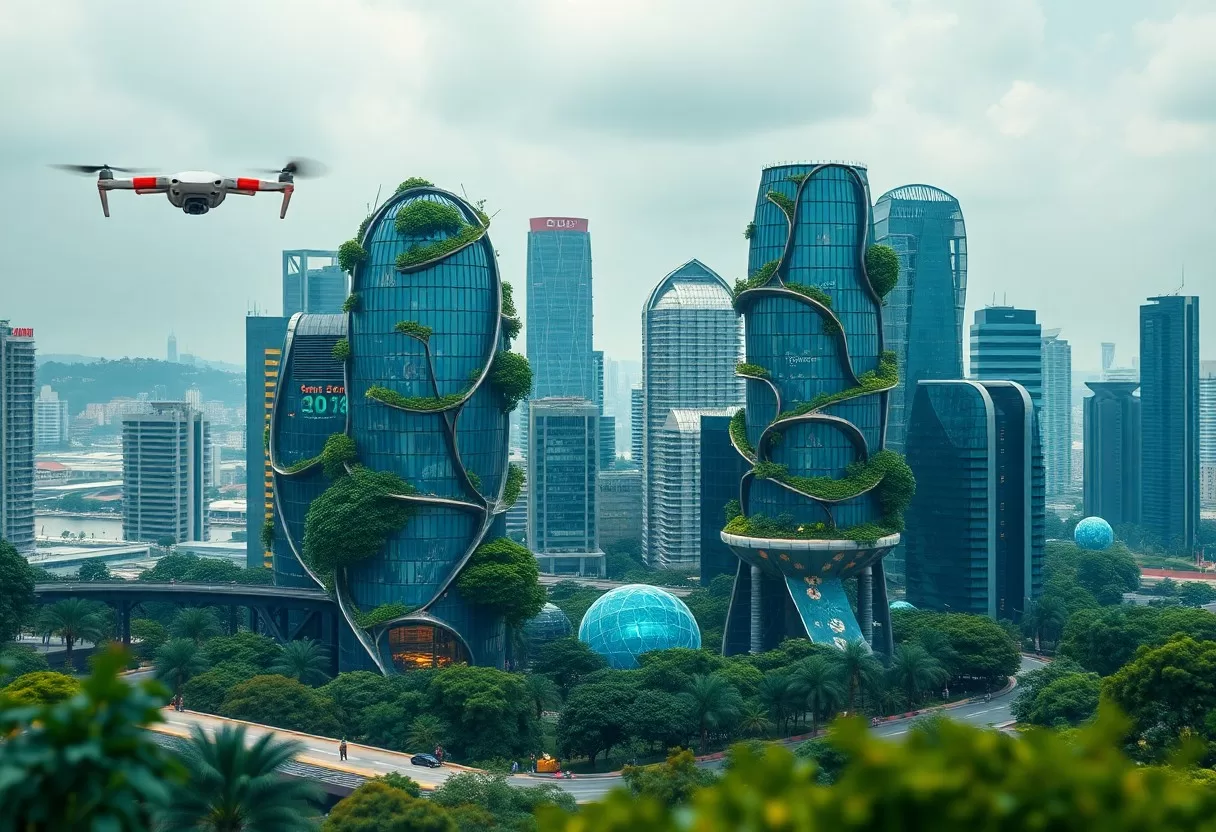
Redefining Form and Function with AI
AI is changing how architects balance creativity and function. It can process huge amounts of information about sites, climate, codes and how people use buildings, then turn that into design options. That gives you more room to question conventional layouts. When software can show how people move through a space or where daylight falls, you can shape rooms around the real needs of the people who will use them.
Generative Design: Where Algorithms Meet Aesthetics
Generative design lets you explore many design options in a fraction of the time it would take by hand. You set the goals and limits, such as site size, budget, materials, room sizes and daylight targets, and the software produces many variations that meet them. Some of these forms might never come up with traditional sketching. You still choose the best option and refine it, but the tool widens the field of ideas before you commit.
Optimizing Space Utilization Through AI Models
AI is also useful for space planning. Software can analyze a floor plan and test layouts for circulation, natural light, views and furniture fit. It can flag dead corners, long corridors and rooms that will feel cramped. That helps you get more usable area from the same footprint and makes spaces work better for the people in them.
With AI-driven simulations, you can compare different arrangements before anything is built. For an office, that might mean testing desk layouts against how teams actually move and meet. For a home, it might mean checking how kitchen work zones, walkways and storage fit together. The models draw on usage data and common behavior patterns, but the results are only as good as the inputs, so always review them with your own judgment and the client’s real habits.
Enhancing Sustainability in Architectural Practices
Architects increasingly use AI to build sustainability into a project from the start. Energy modeling tools analyze consumption patterns and help you design buildings with a smaller carbon footprint. They can test window placement for daylight, building orientation for solar gain and room layouts for natural airflow far earlier in the process than before. Learn more in How AI is Reshaping Architecture. Design Automation …, which looks at its possible impact on your projects.
Energy Efficiency: AI’s Role in Eco-Friendly Buildings
AI tools can predict a building’s energy needs and suggest layouts that use less energy. Drawing on climate data for the site, they help you compare insulation levels, glazing and HVAC options, so you can size systems correctly instead of oversizing them. Running these checks in early design is much cheaper than fixing problems after construction starts.
Material Selection and Waste Reduction through Smart Technologies
AI tools can also help with material selection. They compare options for embodied carbon, cost, durability and availability, so you can choose greener materials and cut construction waste. Some tools match salvaged or surplus materials to new projects, which keeps usable products out of landfills and helps projects meet green building standards like LEED.
Smarter material choices can lower costs and support sustainability at the same time. Algorithms can run lifecycle assessments that look at how long a material lasts, how much upkeep it needs and whether it can be recycled at the end of its life. Precise quantity takeoffs reduce over-ordering, and better supply chain planning means materials arrive when needed instead of sitting on site and getting damaged. Together, these steps cut waste and make better use of resources.
Elevating Urban Planning with Predictive Analytics
Predictive analytics gives urban planners better tools to forecast what cities will face. By combining historical data with real-time inputs, AI models can project population growth, traffic patterns and environmental risks like flooding or heat. This helps planners design neighborhoods and infrastructure that can adapt as needs change, rather than reacting after problems appear.
Data-Driven Decision Making for Smart Cities
In smart cities, data helps decide which infrastructure projects come first and where resources go. AI can sort through large datasets on demographics, economic trends and environmental impacts much faster than people can. Planners can then put services like transit, schools and parks where they are most needed. The data supports decisions, but local knowledge and public input should still guide the final call.
Future-Proofing Urban Infrastructure through AI Insights
AI insights also help future-proof urban infrastructure. Simulations can test how roads, bridges and drainage systems hold up under heavier use or more extreme weather. Models can forecast when parts will need maintenance and point to building methods that better withstand climate change and population growth. That lets cities plan repairs before failures happen.
Adaptive traffic signal systems are a good example. Many cities already use them to adjust signal timing based on real-time traffic, which can ease congestion at busy intersections. The same approach applies to other systems. Predictive maintenance for water mains, pumps and transit fleets can catch problems early, avoid costly emergency repairs and extend the life of critical services. The goal is a city that keeps running smoothly as it grows.
The Collaboration Between Human Creatives and AI
People and AI are working together in new ways in architectural design. Human intuition, taste and understanding of context combine with the computing power of AI to explore ideas that would take too long to test by hand. The best results come when each does what it does best: the software handles analysis and iteration, and the designer handles judgment, meaning and the final design.
Redefining the Architect’s Role in a Tech-Driven Era
The architect’s role is changing. Alongside traditional design skills, you now need to know how to work with digital tools and data. AI can take on complex analysis and help with sustainability goals, freeing you to think more about the big ideas. More and more, architects set the goals for AI tools, review the options they generate and decide which direction to develop, rather than drawing every option by hand.
Successful Integration of AI Tools in Design Processes
Bringing AI tools into your workflow works best when you start small. Use them first for repetitive tasks like code checks, area calculations, documentation or quick renderings. Automating that work gives you more time for creative problem-solving and client conversations. Train your team, test tools on a pilot project and keep a human review step for every output.
Generative design software is a good place to start. You enter your constraints and goals, and it produces a range of design options you can compare side by side. AI rendering tools turn rough sketches into realistic images in minutes, which helps clients understand an idea early. Many firms find these tools speed up early design and improve collaboration, since everyone can react to more options sooner. Human oversight stays essential at every stage, from setting the inputs to choosing the final design.
Ethical Considerations and Challenges Ahead
As AI becomes part of everyday architectural work, ethics matter more. Data use, bias in algorithms and the energy used to run large AI models all need careful thought. Facing these issues early helps keep new technology from outrunning responsibility and supports fairer, more sustainable cities.
Navigating Privacy Concerns in AI-Driven Projects
Privacy is a major concern in AI-driven projects, especially when they rely on personal data. Collecting information about how people move through buildings or cities raises questions about consent and security. If your project uses sensors or occupant data, anonymize it where you can, collect only what you need, explain clearly how it will be used and follow local privacy laws.
Balancing Innovation and Cultural Preservation
Protecting cultural heritage while cities modernize takes care. As technology changes how buildings are designed, it matters more than ever to connect new work to its historical context so a city keeps its identity. Work with local communities and heritage experts early, so new projects respect landmarks and traditional streetscapes instead of overshadowing them.
Barcelona is a good example of a city where modern buildings sit alongside centuries-old structures. The challenge is using AI to propose designs that fit with historic sites while meeting modern needs. AI can help by analyzing the scale, materials, rhythm and heights of surrounding buildings, so new designs respond to their neighbors. Community input and preservation rules should shape the brief. Working with local craftspeople and historians can lead to designs that respect the past and still work for today.
To wrap up
AI is changing architectural design in practical ways, helping you create buildings and cities that are more efficient and sustainable. Machine learning, generative design and smart materials can speed up your workflow and improve collaboration. The technology works best as a tool, not a replacement for your judgment. Stay curious, test new tools on real projects and keep people at the center, and AI in architecture can help you design for today’s needs and tomorrow’s.
Turn sketches into realistic renders with our AI sketch-to-render tool.
Frequently Asked Questions
How is AI used in architecture?
AI helps generate design options, analyze daylight and energy performance, optimize layouts, create renderings from sketches and support urban planning with predictive models.
Will AI replace architects?
No. AI speeds up repetitive tasks and exploration, but architects still lead design judgment, client needs, regulations and coordination.
Related Guides
