
Xeriscaping Masterclass – Create Beautiful Low‑Water Gardens for Drought‑Proof Beauty
With practical design steps and plant choices, you can transform your yard into a drought-proof, low-water oasis that saves up to 60% of irrigation while cutting maintenance and costs. In this masterclass you’ll learn soil improvement, efficient irrigation, and how to avoid high fire-risk plants or invasive species, giving you confident, lasting results.
Key Takeaways:
- Prioritize water-wise design: zone your landscape by water needs, group compatible plants, and use efficient irrigation plus mulch to sharply reduce water use.
- Choose drought-tolerant, climate-appropriate plants and amend soil with organic matter to improve moisture retention and plant resilience.
- Replace high-water turf with strategic hardscaping and low-water groundcovers; maintain with seasonal pruning and irrigation adjustments to sustain long-term beauty.
Understanding Xeriscaping
Xeriscaping is a water-wise landscaping approach developed by Denver Water in 1981 that uses site-specific design to cut irrigation and maintenance. You apply seven principles-planning, soil improvement, efficient irrigation, appropriate plant selection, mulching, turf reduction, and tailored maintenance-to match plants to microclimates, reduce runoff, and create resilient, year-round landscapes that perform in drought-prone regions.
Definition and Principles
Xeriscaping means designing landscapes to thrive with minimal supplemental water by grouping plants with similar needs (hydrozoning), improving soil structure with compost or gypsum, using drip or smart irrigation, applying 2-4 in of mulch, and replacing high-water turf with native or adapted species to cut inputs and simplify upkeep.
Benefits of Xeriscaping
You can expect up to 50-75% water savings on outdoor use when you replace thirsty lawns with drought-tolerant plantings; municipal programs in Denver and Tucson report household savings of roughly 30-60%, plus lower utility bills, reduced mowing, and increased pollinator habitat.
Beyond water savings, xeriscaping reduces stormwater runoff and fertilizer use, often raising property appeal through curated designs; however, be aware that some drought-tolerant species and dense ornamental grasses are more flammable, so you should maintain defensible space and choose low-flammability plants near structures.
Planning Your Xeriscaped Garden
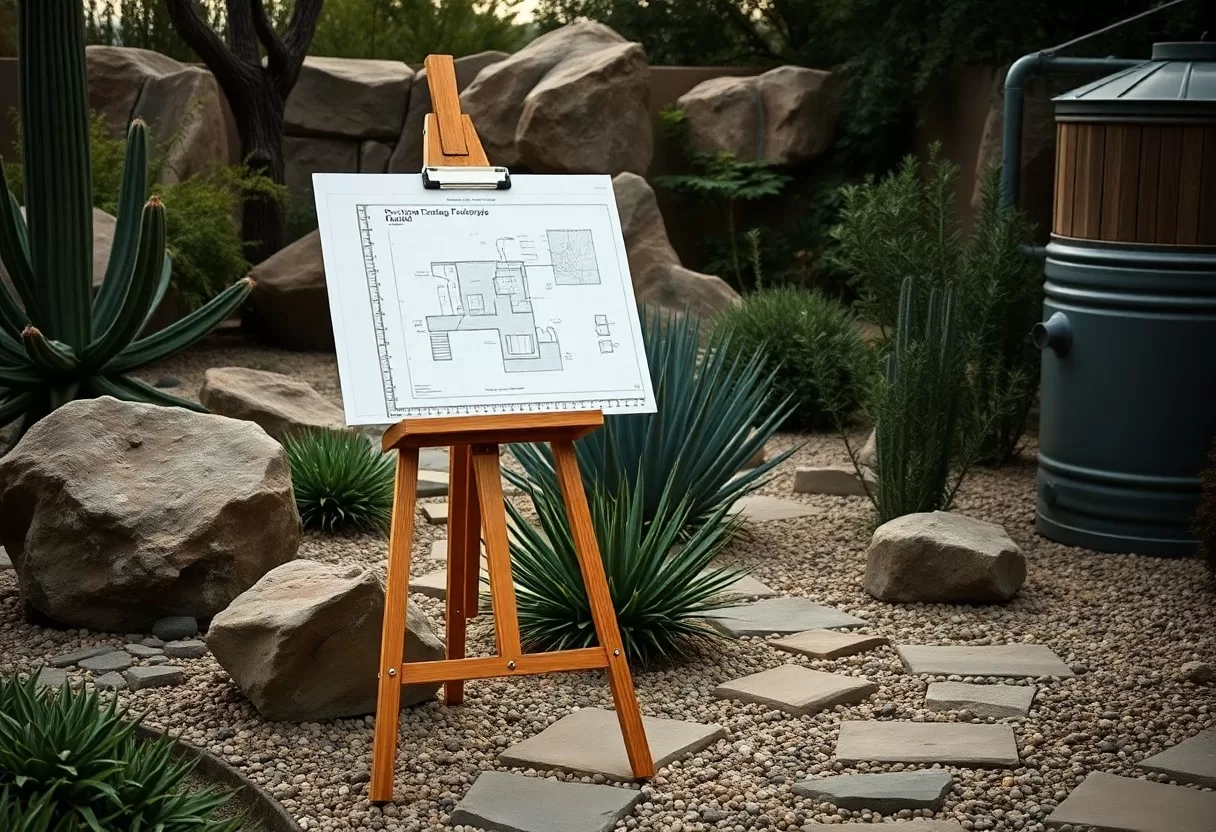
Start by mapping sun, shade, slope and existing irrigation, then divide the site into hydrozones so high-water lawn areas are separate from low-water beds. Aim to reduce water use by 50-75%. Factor soil amendments, drainage and hardiness (USDA zones) into your layout; for practical guidance consult Xeriscaping 101: How to Grow a Vibrant Garden with Less Water for step-by-step examples and templates.
Assessing Your Landscape
Measure sun exposure in hours per area, test soil texture and pH, and note slopes-anything over 10% will increase runoff and may need terraces or swales. Map existing trees, utilities and the lawn square footage in feet to size irrigation and plant quantities; use a soil test kit or lab (results in 7-10 days) to guide amendments and avoid planting in compacted or saline spots that inhibit establishment.
Choosing the Right Plants
Focus on regionally adapted natives and proven drought-tolerant species-examples: Salvia greggii, Lavandula, Agave, Penstemon and native grasses-then group by water need and sun tolerance. You can cut irrigation needs by up to 60% by using natives and succulents; prioritize plants with deep or fibrous root systems for long-term drought resilience and lower maintenance.
Match plants to microclimates: in hot, dry Southwest beds select Agave, Opuntia and Muhlenbergia rigens; in Mediterranean zones use Lavandula and Rosmarinus; in cooler regions choose Echinacea, Rudbeckia and Sedum. Plant at nursery depth, space according to mature spread (for example, lavender 18-24″ apart), water with drip at establishment for 6-12 weeks, then taper to 0.5-1″ per week in summer for most drought-tolerant perennials; avoid invasive species that spread aggressively in your region.
Soil and Water Management
Soil dictates how water moves and is stored in your xeriscape; a quick soil test tells you texture, pH, and organic matter, guiding precise amendments. Add 2-4 inches of compost into the top 6-12 inches to boost retention in sandy soils and aeration in clays, and apply 2-3 inches of mulch to cut evaporation by as much as 70%.
Soil Preparation Techniques
Start by getting a soil test (6-8 inch composite sample) so you know pH and nutrient needs; if pH is off, adjust with lime or sulfur per lab recommendations. Work in 2-4 inches of compost gently-avoid deep tilling that destroys structure-and build raised beds or add gypsum and coarse amendments for heavy clay to improve drainage.
Efficient Watering Strategies
Use drip irrigation or soaker hoses to target roots-these systems can cut landscape water use by up to 50% versus sprinklers. Water deeply (about 0.5-1 inch per session) 1-2 times weekly depending on season, schedule runs in the early morning to reduce evaporation, and select emitters of 0.5-2 gph for shrubs and 0.5-1 gph for perennials.
Group plants by water needs (hydrozoning) so your zones run efficiently; adding a smart controller with ET or soil-moisture sensors can lower use by 15-30%. Capture roof runoff (one inch on 1,000 sq ft yields ~623 gallons) for irrigation supplements, and maintain systems yearly-check pressure (ideally 10-30 psi for drip), clean filters, and flush emitters to avoid clogging and plant stress.
Design Elements for Aesthetic Appeal
Balance texture, scale and repetition to make a drought-wise garden feel intentional: use mass planting of 5-15 individuals for impact, repeat 2-3 key species every 6-12 feet, and place 1-3 focal pieces like an agave or sculpture. You can cut landscape water use by up to 50% when design reduces thirsty lawn and favors native plants; consult Adapting to a changing climate: A guide to drought tolerant gardens for smart species lists.
Creating Visual Interest
Mix foliage textures and heights-combine grasses (1-3 ft), mid-size shrubs (2-4 ft) and 1-3 specimen plants-to create depth and season-long appeal. Use contrasting leaf shapes (fine blue fescue beside broad-leaf sages), color accents like golden oregano, and odd-number groupings (3,5,7) to avoid a static look. You should plan bloom succession so that at least one major color show occurs every 6-8 weeks from spring through fall for continuous attraction.
Incorporating Hardscaping Features
Introduce paths, terraces, boulders and patios to define rooms and reduce irrigated area: choose permeable pavers, decomposed granite or flagstone to allow infiltration and lower maintenance. Keep hardscape color and texture consistent with plants-warm gravels pair with silver foliage-and designate no-irrigation zones under patios and wide paths to maximize water savings.
Design details matter: aim for a minimum 2% grade on paved runs for drainage and use a permeable base of 8-12 inches under pavers to prevent settlement. Install edging (4-6 in) to separate mulch from gravel, place boulders in groups of 2-3 for scale, and size dry creek channels to handle runoff from contributing roofs or slopes to avoid erosion and ponding.
Maintenance Tips for Low-Water Gardens
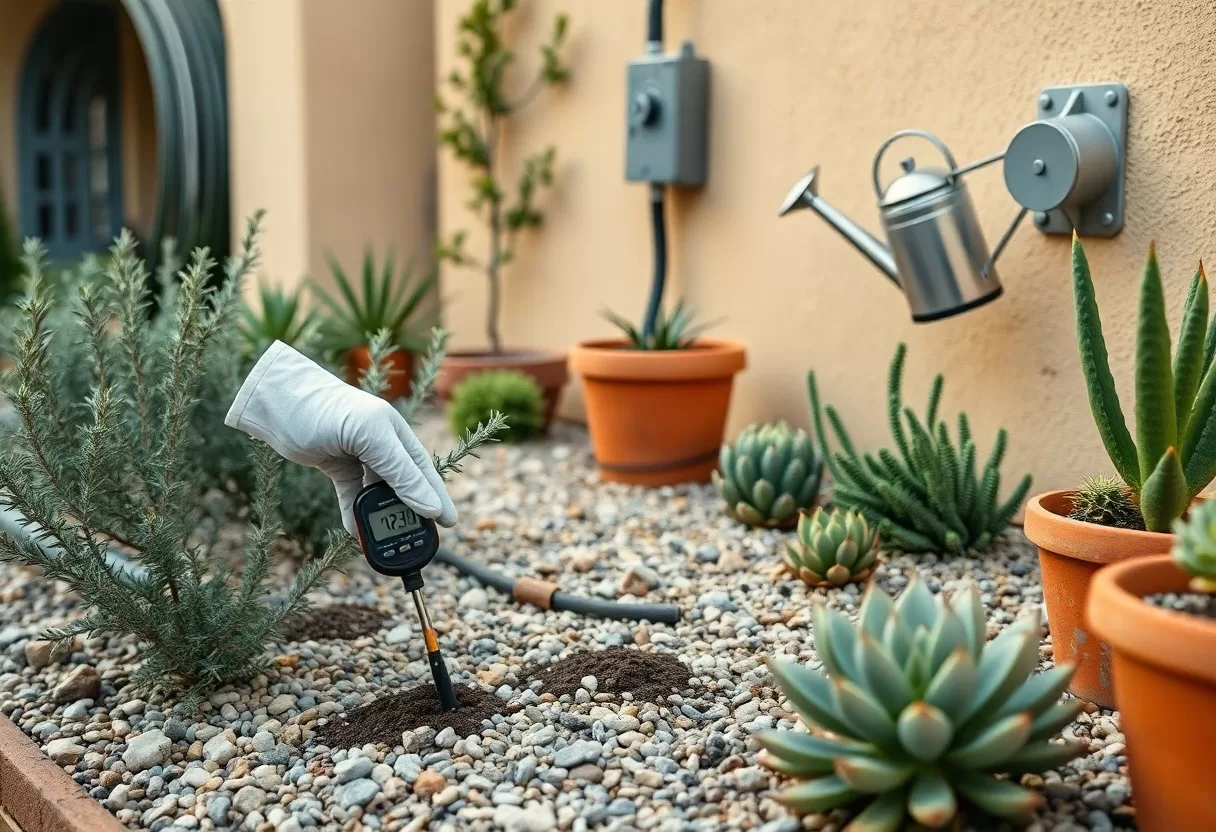
You’ll extend plant life and cut water use by focusing on timing, soil cover and targeted irrigation: apply 2-4 inches of mulch, run drip irrigation for deep, infrequent soaks, and avoid overwatering by checking soil 2-4 inches down before irrigating. Pull weeds weekly to prevent competition and replace failing plants with native or drought-tolerant species. Recognizing that small routine actions can reduce water use by 30-60%.
- Mulch: 2-4 inches around roots, keep away from stems
- Drip irrigation: 15-30 minute cycles, early morning
- Soil testing: annual pH and nutrient check
- Weed control: hand-pull weekly
- Plant selection: favor natives and low-water perennials
Seasonal Care Best Practices
In spring, give new transplants water every 3-7 days the first season, then taper to deep soaks every 10-14 days once established; apply or top up mulch 2-4 inches before summer heat. In fall, cut back spent perennials and shift irrigation schedules as temperatures drop; protect frost-sensitive succulents below 28-32°F with covers or temporary relocation.
Pest Management and Plant Health
You should scout weekly for aphids, scale and spider mites-aphid populations can explode in 7-10 days-then act with targeted controls: introduce beneficial insects (lady beetles, lacewings), use insecticidal soap or neem oil, and avoid broad-spectrum sprays that kill predators. Prune infested material and improve airflow to reduce fungal issues.
Start integrated pest management by identifying the pest, recording location and damage level, then choosing a threshold-based response: for foliage pests, treat when you observe rapid population growth or >10-20% visible damage. Apply insecticidal soap in cool mornings, reapply every 7-10 days up to three treatments, and combine with cultural fixes-adjust irrigation, remove debris, and plant diversity-to sustain beneficial populations and prevent recurrence.
Success Stories and Case Studies
Across climates, you can see how targeted xeriscape interventions slash outdoor demand: municipal and residential projects report typical water reductions of 30-70%, median savings near 45%, and payback periods often within 3-7 years when rebates and irrigation downsizing are included – numbers that show your design choices directly translate to measurable, drought-proof gains.
- Case Study 1 – Denver municipal demo: 5,000 sq ft demonstration garden converted in 1981; measured 60% reduction in outdoor irrigation, annual savings ~12,000 gallons, installation cost $18,000, estimated 4.5-year payback after rebates.
- Case Study 2 – Phoenix suburban retrofit: 2,400 sq ft front yard replaced turf with native grasses and drip; before usage 120,000 gal/yr, after 66,000 gal/yr (45% reduction); retrofit cost $6,200, homeowner rebate $1,500.
- Case Study 3 – School campus conversion (California): 12,000 sq ft turf removed; measured 72% reduction in irrigation on site, saved 1.1 million gallons in first year, maintenance hours dropped 58%, used student-led stewardship for ongoing care.
- Case Study 4 – Commercial campus (Nevada): 40-acre office campus cut potable irrigation by 50% through zoned irrigation, soil amendments, and 1.2 million sq ft of mulch; annual water savings 38 million gallons, ROI under 6 years with utility incentives.
- Case Study 5 – Community association pilot: 18 homes replaced 3,600 sq ft collective turf; aggregated reduction 68% outdoor water, neighborhood peak demand dropped 22%, property values stable to +1.6% due to cohesive design and professional installation.
Inspiring Xeriscape Projects
You can find inspiration in varied scales: a 900 sq ft rooftop garden that reduced irrigation by 55%, a hospital campus saving 24 million gallons annually after a phased conversion, and small urban courtyards that cut maintenance time in half while using native and drought-tolerant plant palettes to keep visual appeal high.
Community Impact of Xeriscaping
When you adopt low-water landscaping across neighborhoods, municipal demand drops, emergency drought restrictions become less likely, and public expenditures for water supply and treatment fall – cities that scale programs often show 10-25% reductions in peak seasonal demand within five years.
You should expect broader benefits beyond gallons saved: municipal rebate programs that fund xeriscape conversions often free up budget for infrastructure, school programs teach stewardship while reducing maintenance costs, and neighborhoods see lower stormwater runoff and reduced chemical use. At the same time, you must manage risks by selecting non-invasive species and designing defensible plant spacing to limit wildfire exposure; proper planning preserves the environmental and social gains while protecting public safety and long-term resilience.
To wrap up
Presently you can apply the xeriscaping principles learned to design a resilient, water-wise garden that reduces water use, cuts maintenance, and enhances curb appeal. By using smart plant selection, soil improvement, efficient irrigation, and thoughtful layout you will drought-proof your landscape and enjoy sustainable, low-effort beauty for years.
FAQ
Q: What will I learn in the Xeriscaping Masterclass – Create Beautiful Low‑Water Gardens for Drought‑Proof Beauty?
A: The course teaches step‑by‑step planning and implementation of water‑wise landscapes: assessing site conditions (soil type, sun/shade, slope, existing plants), creating a water budget, and developing plant palettes focused on drought‑tolerant and native species. You’ll learn soil improvement techniques (organic matter, compost, soil testing), efficient irrigation strategies (drip, soaker lines, smart controllers, zoning by hydrozone), mulching, and hardscape choices that reduce evaporation. Modules cover design principles for attractive beds and pathways, seasonal maintenance routines, stormwater capture and reuse, and cost/time estimates for converting conventional lawns. Lessons include plant lists, installation checklists, troubleshooting guides, and before/after case studies so you can plan, install, and maintain a resilient low‑water garden.
Q: Is xeriscaping suitable for my climate and yard, and how do I choose plants that will thrive?
A: Xeriscaping adapts to most climates by selecting appropriate species and techniques. Start by identifying your USDA zone or local climate patterns, sun exposure, and soil drainage. Prioritize native and regionally adapted drought‑tolerant plants, then group them into hydrozones-high, moderate, and low water needs-and place high‑use ornamentals where irrigation is accessible. The course provides regional plant palettes (groundcovers, perennials, shrubs, trees, grasses) and guidance on noninvasive alternatives if a popular species is unsuitable. For heavy clay or very sandy soils, recommended soil amendments and planting methods are included so plants establish quickly. You’ll also learn how microclimates (reflective walls, shaded corners) affect choices and how to trial new species with minimal risk.
Q: How do I convert an existing lawn to a xeriscaped garden, and what ongoing care is required?
A: Conversion steps: 1) Plan and map the area with desired features and hydrozones. 2) Remove turf by sheet‑mulching, sod removal, or solarization. 3) Amend soil where needed (compost, gypsum for compacted clay) and grade for proper drainage. 4) Install irrigation zones and mulch (organic or rock as appropriate). 5) Plant in phases-start with structural trees and shrubs, then add perennials and groundcovers. The course gives a week‑by‑week installation timeline and budget templates. Ongoing care focuses on seasonal irrigation checks, pruning, weed control, and annual mulch top‑ups. Expect highest maintenance during the first one to three years while plants establish; after that irrigation frequency typically drops substantially. The program includes monitoring charts and seasonal checklists to help you track water use and plant performance over time.