
Woven Wonders – Textural Trends for Next-Gen Interiors
It’s vital to embrace the evolving landscape of interior design, where woven textures play a pivotal role in creating warmth and depth in your spaces. As you explore these emerging trends, you’ll discover that incorporating natural fibers and innovative weaving techniques can elevate your home’s aesthetic while promoting sustainability. By understanding how to balance texture with your existing decor, you can transform your interiors into captivating experiences that reflect your personal style and values.
The Artistry of Textures
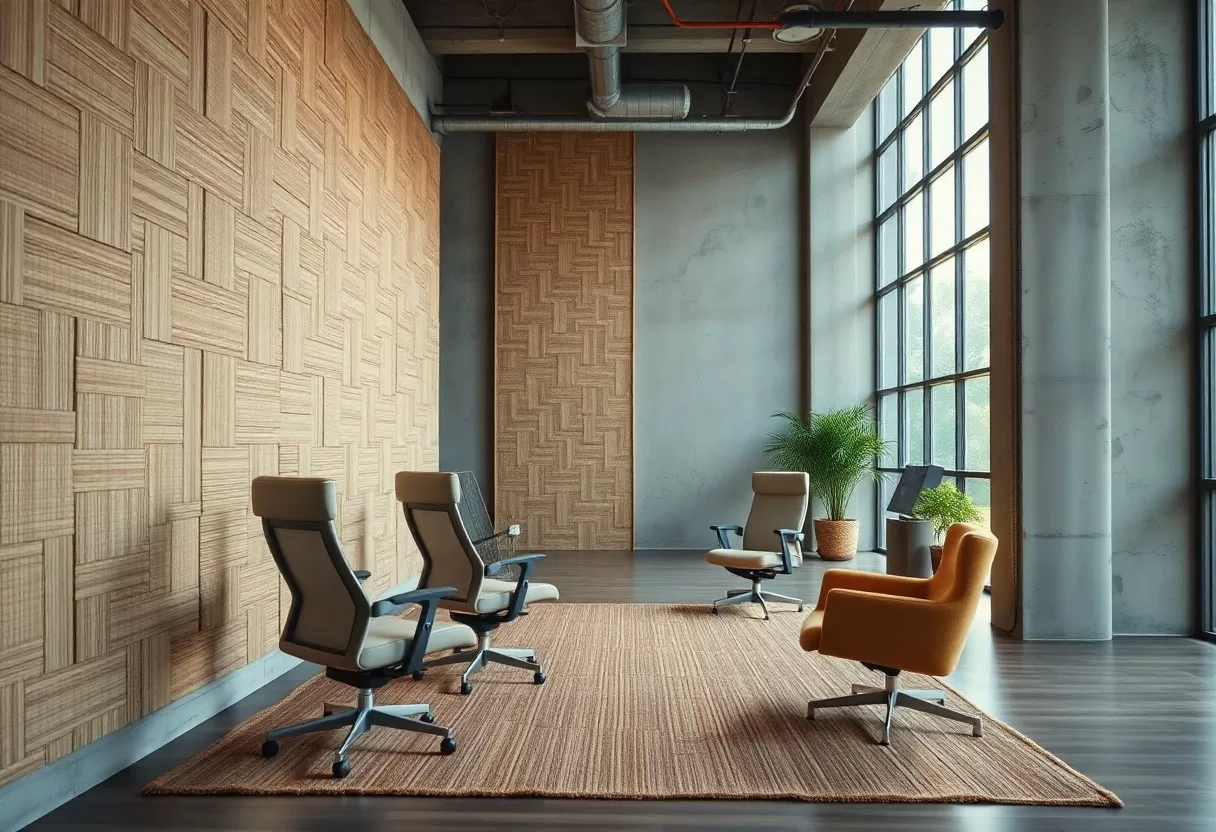
Textures define the personality of your space, weaving together elements that can be both visually appealing and sensory engaging. Diverse materials create dynamic interactions, enhancing the overall ambiance and inviting exploration. Layering these textures adds depth, drawing attention to various aspects of your design while ensuring a harmonious blend of style and comfort.
Natural Fiber Revival: Embracing Sustainability
Natural fibers have surged back into popularity as consumers increasingly prioritize sustainability in their choices. Materials like hemp, jute, and wool not only reduce environmental impact but also lend warmth and authenticity to interiors. By integrating these renewable resources into your designs, you align with a growing trend that values both aesthetic appeal and ecological responsibility.
Innovations in Synthetic Materials: The New Age of Textiles
Advancements in synthetic materials are transforming the landscape of interior design, offering options that are durable, versatile, and often more affordable. Textiles made from recycled plastics and biodegradable polymers showcase creativity and sustainability, allowing you to achieve unique aesthetics without compromising the environment.
The rise of synthetic textiles, such as polyester blends and nylon alternatives, showcases remarkable innovations like moisture-wicking properties, stain resistance, and even UV protection, making them ideal for high-traffic or exposed areas. Brands like Rugby Textiles and Outlast have pioneered the development of advanced fabrics that not only mimic the luxurious feel of natural materials but also boast enhanced longevity. Integrating these innovations into your home allows for both stylish and practical design solutions, catering to the evolving demands of modern living without sacrificing aesthetic value.
Pattern Play: Bold Designs Reshaping Spaces
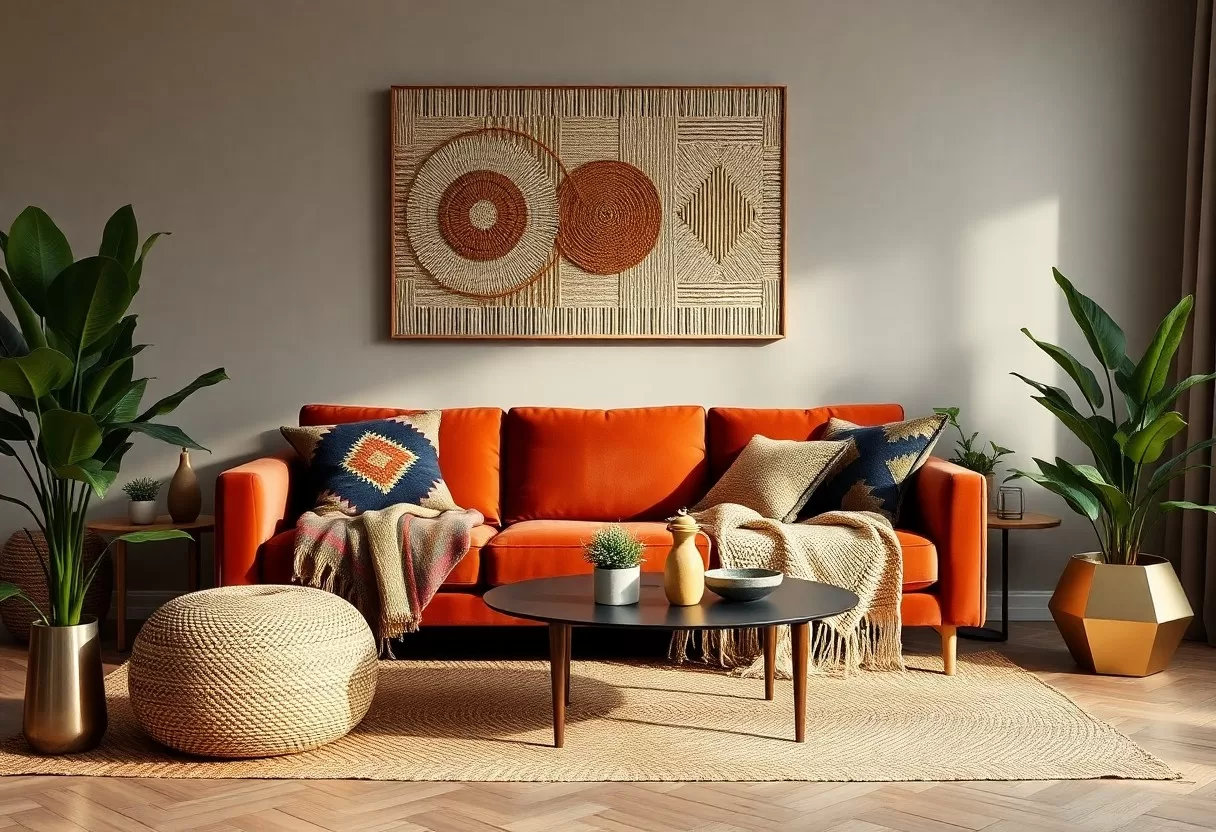
Bold patterns are redefining modern interiors, allowing you to express individuality and creativity through design. Layering vibrant motifs and contrasting colors creates a dynamic atmosphere that draws the eye and sparks conversation. Whether opting for oversized florals, vibrant geometric shapes, or abstract art-inspired patterns, you can transform any room into a striking statement piece. The art of mixing patterns also offers the opportunity to break free from conventional design boundaries, fostering a personalized and unforgettable space.
Geometric Inspirations: A Mathematical Approach to Interior Aesthetics
Geometric patterns bring a balanced yet dynamic flair to your space, combining precision with modernity. By employing lines, shapes, and symmetry, these designs resonate with a sense of structure and order. You can incorporate these motifs through wallpaper, textiles, or decorative accents, seamlessly blending them into contemporary settings for a polished look.
Organic Forms: Nature-Inspired Patterns for Tranquility
Organic forms encapsulate the essence of nature, infusing your interior with soothing and harmonious patterns. Curvilinear designs mimic natural elements, creating a sense of fluidity and calm. Integrating these patterns can evoke feelings of serenity and connection to the outdoors, making your home a sanctuary away from urban chaos.
By embracing organic forms, you tap into the therapeutic qualities of nature-inspired design. Think flowing lines that resemble water ripples or leaf motifs that bring a touch of greenery indoors. Research indicates that spaces incorporating natural elements can reduce stress and enhance well-being, resulting in more tranquil environments. Textiles, wall art, and rugs featuring these designs create focal points that not only beautify but also ground your space in a sense of peace and relaxation. As you curate your personal haven, leveraging organic patterns invites a refreshing, calming atmosphere that embraces the natural world’s beauty.
Layering Techniques: Creating Depth and Dimension
To create a multi-dimensional space, layering textures and materials enriches your interiors significantly. Start by combining diverse fabrics, like soft velvets with crisp linens, to introduce richness and tactile intrigue. Incorporating varying heights through furniture and decor also enhances spatial dynamics. Use rugs to define areas, and consider how light interacts with surfaces to amplify depth, allowing your design to evoke both comfort and sophistication.
The Power of Contrast: Balancing Hard and Soft Elements
Balancing hard and soft elements in your interior design establishes visual tension that captures attention. Using sleek, modern furniture alongside plush cushions and throws creates a striking interplay. For instance, a polished metal coffee table can be beautifully complemented by a textured knit blanket draped over an oversized sofa, adding warmth to the overall aesthetic.
Color Harmony: Uniting Shades for Visual Cohesion
Unifying shades within your design fosters a seamless flow throughout your space. When you select a cohesive color palette, you create visual harmony that ties together various elements, making the room feel deliberate and curated. Aim for three to five complementary colors in different depths and tones to ensure your interior feels dynamic without being overwhelming.
Choosing a color scheme that reflects personal style while encouraging cohesion is key. For example, pairing earthy tones with subtle pops of a brighter hue forms a balanced look that feels intentional. Shades of terracotta, olive, and warm beige can create a calming foundation, while deeper accents like forest green or navy serve as grounding tones. This approach not only enhances visual interest but also fosters a sense of tranquility in your surroundings, making the space inviting and well-composed.
Integrating Technology: The Future of Textile Interactivity
Textiles are evolving beyond mere decorative elements, embracing technology to enhance functionality and engagement in your living spaces. Sensors embedded in fabrics allow you to adjust lighting or temperature, creating a seamless interface between your environment and daily activities. Through smart fabrics, you can personalize your surroundings with a simple touch, making your home not only more comfortable but also more attuned to your lifestyle.
Smart Fabrics: Function Meets Design in Modern Interiors
Smart fabrics stand at the intersection of technology and aesthetics, enabling you to enjoy both style and enhanced functionality in your home. These textiles, equipped with conductive fibers and sensors, can change properties based on your preferences, such as adjusting color or pattern intensity to suit different moods or occasions, thus transforming your space instantly.
Augmented Reality: Visualizing Textures Before Adoption
Augmented Reality (AR) technology allows you to visualize how different textiles will look and feel in your space before making a purchase. Through AR applications, you can overlay virtual fabrics onto your existing interiors, enabling you to experiment with color, texture, and style effortlessly.
Utilizing AR for textile selection provides valuable insight, ensuring the fabric aligns with your design vision. By simply scanning your space with a smartphone or tablet, you can explore various options, adjusting colors and patterns in real-time. This technology minimizes costly mistakes and enhances confidence in your choices, making it easier to create a cohesive, inviting atmosphere that resonates with your personal taste. Brands like IKEA and online retailers are increasingly offering this feature, bringing the design experience right into your living room.
Elevating Spaces: Applications in Different Environments
Textures transform environments, creating depth and enhancing the atmosphere across residential and commercial settings. From your cozy living room to bustling office spaces, the application of various materials shapes experiences, encouraging connection and inspiration. Incorporating textiles, wall coverings, and furniture finishes brings both style and functionality, catering to the unique needs of each area. By understanding how to blend and contrast textures, you elevate your interior design, making every space a multi-dimensional experience.
Residential Retreats: Personalizing Homes with Textural Elements
In your home, textures serve as a medium for personalization, allowing you to express your style. Mixing soft fabrics like velvet with natural materials such as wood can create a harmonious atmosphere. Distressed finishes on furniture contribute a sense of memory and warmth, while sleek metal accents add a touch of modernity. By thoughtfully selecting these elements, you can curate a retreat that is both inviting and reflective of your personal taste.
Commercial Spaces: Crafting Unique Experiences Through Texture
Commercial environments benefit from textured elements by enhancing customer engagement. Incorporating a variety of materials not only defines aesthetic but also fosters emotional connections. For instance, in hospitality settings, plush upholstery and tactile wall coverings invite relaxation, while dynamic materials in retail can stimulate curiosity and movement. The right balance of textures can elevate a space’s functionality and invite customers to linger longer.
In commercial spaces, the integration of textures plays a vital role in storytelling and brand identity. Consider the bold use of reclaimed wood in cafes, which evokes a sense of sustainability, or the sleek glass and metal finishes in tech offices promoting innovation. Research shows that environments with well-curated textures can boost customer satisfaction by up to 30%, making them more likely to return. By investing in tactile sensations, you not only improve the ambiance but also create memorable experiences that distinguish your space from competitors.
To wrap up
Drawing together the innovative textural trends of woven wonders, you can transform your interiors into a dynamic and engaging space. Embracing these trends allows you to personalize your environment, showcasing your unique style while improving comfort and sensory experience. By integrating varied materials and patterns, your next-generation interiors will reflect a harmonious balance of functionality and aesthetics. Stay ahead in design by exploring these textures, ensuring that your spaces remain both modern and inviting.
FAQ
Q: What materials are used in Woven Wonders for modern interiors?
A: Woven Wonders primarily utilizes natural fibers such as cotton, linen, jute, and bamboo, alongside innovative synthetic materials for added durability and texture. This combination enhances the aesthetic appeal while maintaining practicality in design.
Q: How do Woven Wonders contribute to sustainability in interior design?
A: Woven Wonders prioritize eco-friendly practices by sourcing sustainable materials and employing production methods that minimize environmental impact. This approach not only supports sustainable living but also promotes a healthier indoor environment.
Q: What design styles best complement Woven Wonders?
A: Woven Wonders seamlessly integrates with various design styles including bohemian, rustic, contemporary, and minimalist aesthetics. Their textural versatility allows for easy blending with existing décor, enhancing both warmth and character in any space.