
Upcycling Interiors – Decorating with Salvaged & Repurposed Materials
There’s a smart way to refresh your space by using salvaged and repurposed materials; you can save money, reduce waste, and create unique character while avoiding pitfalls by taking safety steps. You should inspect for hazards like lead paint and asbestos, clean and treat surfaces properly, and use appropriate finishes to ensure durability. With careful sourcing and simple repairs, your upcycled interiors become safer, sustainable, and distinctly yours.
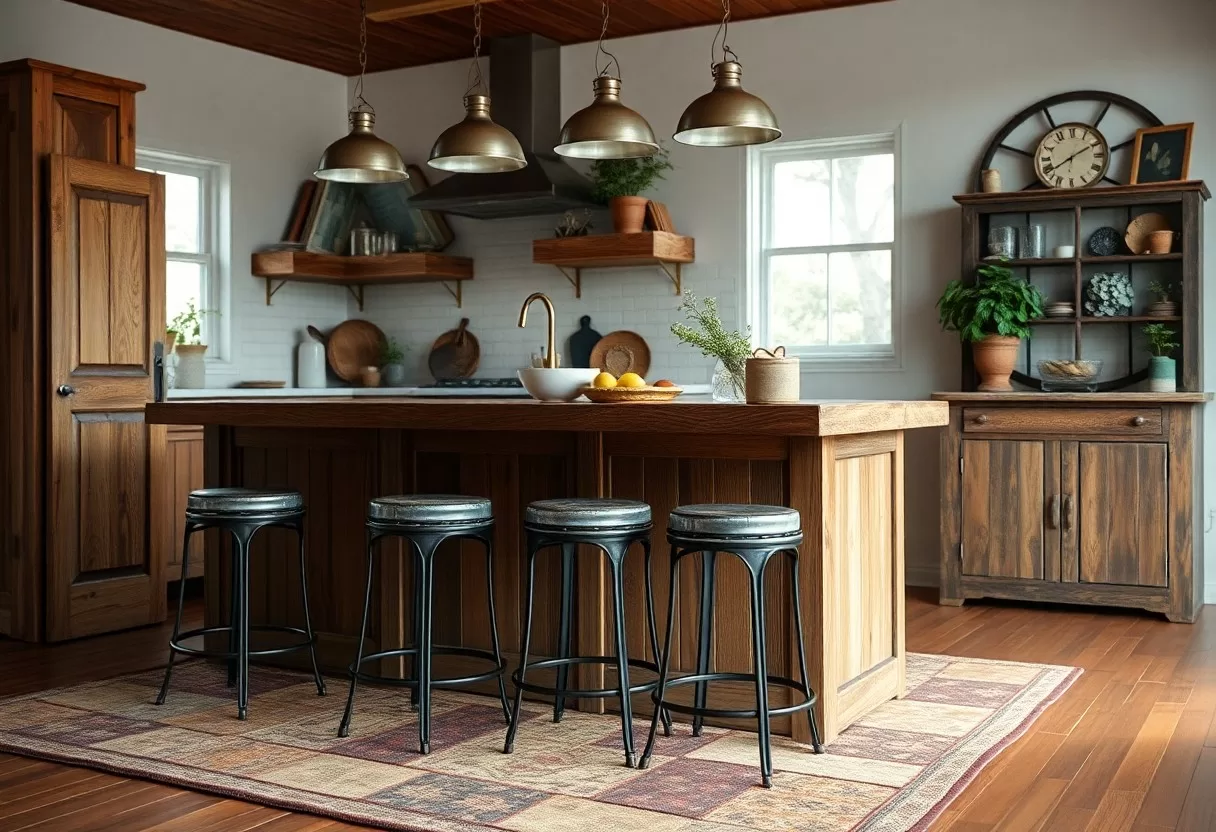
Key Takeaways:
- Reduce waste and save money by repurposing salvaged materials-upcycled pieces extend product lifecycles and often support local makers and salvage markets.
- Balance aesthetics with function: choose durable salvaged items, mix textures and eras for visual depth, and design around practical use to keep spaces cohesive and livable.
- Source wisely and prep properly: inspect for structural issues and contaminants, repair or reinforce as needed, and finish with appropriate cleaners, sealants, and hardware to ensure safety and longevity.
Understanding Upcycling
When you prioritize salvaged materials, you shift from buying to evaluating: inspect joinery, fasteners, moisture damage and finishes, then plan repairs or finishes accordingly. You might refinish a hardwood floor, convert a door into a tabletop, or reupholster vintage chairs. Pay close attention to structural integrity and hazardous coatings, since those factors determine whether a find is worth saving and safe to use in your home.
Definition and Benefits
Upcycling means transforming used items into higher-value pieces so you reinvent rather than replace. The EPA reports roughly 292 million tons of municipal solid waste in 2018, so your repurposing choices directly reduce landfill load and often cut project costs. You gain distinct aesthetics and typically lower expenses-many makers report saving 20-50% on furnishings by sourcing salvage and doing DIY restorations.
The Environmental Impact
Choosing reclaimed wood, metal or tile lowers demand for new extraction and manufacturing, reducing embodied energy and resource use. Reuse keeps carbon stored in materials and avoids production emissions; community outlets such as Habitat ReStores (900+ locations) divert substantial tonnage from waste streams while funding local builds, illustrating practical circularity in action.
Dive deeper by assessing lifecycle impacts: reusing an item often eliminates the production-phase emissions that can represent 40-60% of its total carbon footprint. At the same time, mitigate hazards-lead paint, asbestos, and mold require professional handling, and shoddy repairs can create safety risks that outweigh environmental benefits if not addressed properly.
Sourcing Salvaged Materials
When sourcing, plan by item: measure openings, set a budget, and arrange transport-small pieces fit a hatchback, large doors or mantels need a pickup or rental van. Visit at least three sources to compare prices; a salvaged oak door can range from $30-$150. Bring basic tools (tarp, ratchet straps, pry bar) and ask sellers about provenance to avoid illegal salvage or hazardous materials.
Where to Find Upcycled Materials
Check Habitat for Humanity ReStores, architectural salvage yards, deconstruction contractors, and online marketplaces like Facebook Marketplace or Craigslist for curb alerts. Attend estate sales and municipal surplus auctions; some salvage yards hold >1,000 items and post weekly lots. For industrial metal, contact local fabrication shops or shipyards; for vintage lighting, search specialized auctions or Antiques Roadshow-style events.
Assessing Quality and Usability
Start by verifying structural soundness: press, flex, and measure pieces, test wood with a moisture meter, and inspect joints and fasteners. Watch for rot, severe rust, mold, or flaking finishes and prioritize items with intact carcasses and recoverable surfaces. Confirm dimensions and mounting points so installation is straightforward and avoid items that require excessive reconstruction.
For deeper checks, test painted surfaces for lead with a $10-$20 kit and examine upholstery for bedbug evidence (live insects, shed skins). In wood, look for cup, twist, or pest tunnels; acceptable warping is usually <1/4″ over 6′ for panels. For electrical pieces, verify UL markings or plan to rewire; treat metal with phosphoric acid for severe corrosion and consider epoxy or Dutchman repairs for localized rot to preserve character without compromising safety.
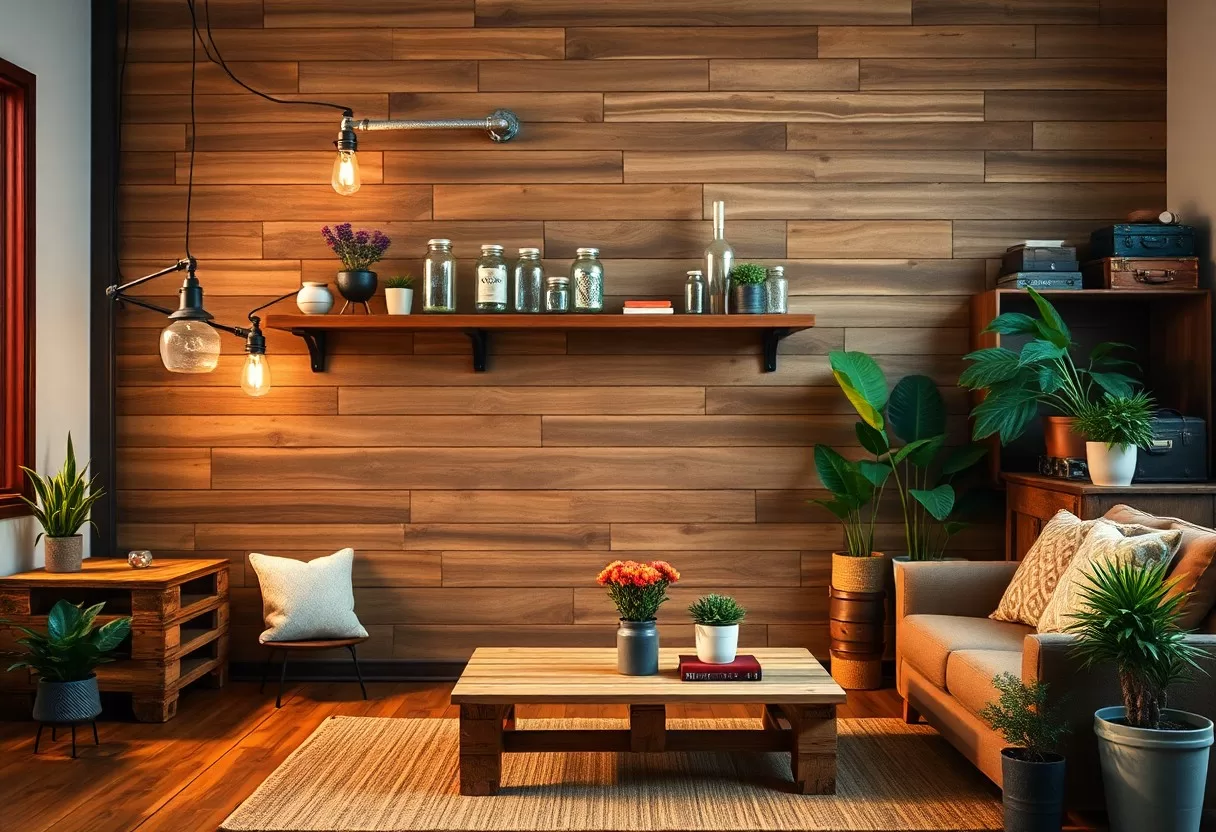
Creative Upcycling Ideas for Interiors
You’ll find high-impact ideas like turning pallet boards into a coffee table, installing a reclaimed-wood feature wall, or assembling industrial-pipe shelving. For example, a pallet coffee table typically saves $100-$300 versus buying new, while reclaimed wood projects can cut embodied carbon compared with new materials. Try combining glass bottle pendants, vintage tiles, and upcycled textiles to make each room uniquely sustainable and characterful.
Furniture Transformations
Transforming a door into a dining table or a dresser into a bathroom vanity lets you keep character while saving money. You can refinish with milk paint or chalk paint, or pour epoxy resin for a hard, waterproof surface. Typical upcycle costs run 30-70% less than custom replacements. When sanding older pieces, test for lead paint and use a HEPA respirator to avoid hazardous dust.
Decorative Accents
Small accents give rooms personality: repurposed doorknobs as drawer pulls, mosaic backsplashes from broken tiles, or thrifted linens turned into throw pillows. You can often complete projects for under $50, and assembling a cohesive gallery wall may take 10-15 thrifted pieces. If converting bottles to pendants, have a licensed electrician handle wiring to avoid fire risk.
For mosaics, cut 100-200 salvaged tile shards, adhere with thinset and grout, then allow 24-48 hours cure time; clamps and drying often take 12 hours. When repurposing silverware hooks or glass pendants, use marine-grade epoxy and sealants rated for heat. You should wear a respirator and safety glasses when cutting glass, and note that many accent projects cost only $10-$40, delivering high visual impact for low spend.
Techniques for Upcycling
Master sanding, patching, joinery, and surface treatments to make salvaged pieces sing; test for lead paint and wear a respirator when stripping finishes. Use paint layering, distressing, and hardware swaps to modernize finds, and reinforce large architectural elements while moisture-proofing joints-salvaged beams add warmth and character. For project ideas and placement tips see Best Ideas for Using Vintage Architectural Salvage …
Basic Tools and Skills Needed
Essential tools include a corded drill, random-orbit sander, circular saw, clamps, chisels and a finish nailer; add paint stripper, drop cloths and PPE. You should be comfortable measuring to 1/8″, pre-drilling, and using basic joinery like pocket screws and dowels. Take precautions around power tools and rusty nails; test old finishes and know when to hire a pro for electrical or heavy structural work.
DIY Projects for Beginners
Start with one-day builds: a pallet coffee table, floating shelf from reclaimed planks, upcycled picture ledge, or lamp from a salvaged post-most cost under $50 and take 1-4 hours. Use pocket screws, wood glue and simple finishes such as tung oil or milk paint to protect surfaces; swap hardware or reupholster cushions for instant impact. Always seal wood before placing houseplants or food-related items.
For a quick floating shelf: measure the span, cut vintage molding to length, build a 1×2 cleat, fasten the cleat to studs with 3″ screws, pre-drill the shelf, glue and clamp, sand 120 then 220 grit, and finish with Danish oil or wipe-on poly-typical install is 1-2 hours and under $30. Always pre-drill, wear gloves, and inspect for hidden nails or wiring before cutting.
Designing with Upcycled Elements
You can integrate salvaged pieces by treating them like design constraints: map existing dimensions, note load-bearing limits, and plan circulation around bulky items such as a reclaimed door or cast-iron tub. Use reclaimed barn wood, pallet planks, or salvaged bricks as long as you test for lead and structural defects, then stabilize with brackets or epoxy. For example, converting a 6′ industrial beam into a kitchen shelf works if you confirm it bears the load and finish it with a protective, non-toxic sealer.
Creating Harmony in Your Space
You achieve cohesion by limiting competing materials and repeating motifs: adopt 2-3 dominant materials max, echo a finish in three spots, and anchor the room with one large salvaged piece like an old mantel. Pair scale thoughtfully so a 7′ reclaimed door doesn’t overwhelm a 10’x12′ room; instead, cut it into a headboard or console. Mixing eras works when you maintain consistent proportions and a unifying color or texture.
Color and Texture Considerations
You should use established rules-apply the 60-30-10 rule (walls, primary upcycled elements, accents) to balance patina with fresh finishes. Contrast rough-hewn wood with smooth plaster, and unify metals with a single tone (brass, black, or chrome). Always test swatches under real light and consider how sunlight will age natural dyes and oxidize metals.
For a concrete approach, try walls at 60%, reclaimed wood floors or cabinetry at 30%, and metal or textile accents at 10%. Combine textures-aged leather, wire-brushed oak, and hammered steel-to create depth without clutter. If an item has flaking paint, test for lead, strip or encapsulate accordingly, then protect exposed surfaces with a water-based polyurethane or marine-grade varnish to preserve patina while improving durability.
Case Studies: Successful Upcycled Interiors
Real-world projects show how upcycled interiors deliver style and measurable impact: one retrofit cut material costs by 45% and diverted 2.4 tons of waste. You can explore methodology and before/after specs in resources like Upcycling in Interior Design: Repurpose Home …. Case data below highlights budgets, timelines, and the most significant safety or value outcomes.
- 1. Brooklyn Loft Retrofit – 1,200 sq ft; reclaimed maple flooring from 1920s factory; total project cost $18,500 vs $33,000 new (-44%); waste diverted 1,100 kg; timeline 8 weeks; required structural reinforcement for joists (additional $2,200).
- 2. Suburban Kitchen Rebuild – 220 sq ft kitchen; repurposed cabinetry and salvaged marble counters; homeowner saved 38% ($7,400 saved); installation 10 days; resale value increase estimated +4.2%; lead paint abatement performed on vintage doors.
- 3. Coastal Cottage Refresh – 650 sq ft; pallet-wood accent walls and upcycled window frames; budget $6,300; carbon footprint cut ~0.9 tonnes CO2e; project completed in 3 weeks; moisture-proofing added to prevent rot.
- 4. Boutique Café Fit-Out – 900 sq ft; reclaimed timber seating, industrial pipe shelving, and repurposed glass panels; fit-out cost $24,000 vs $46,000 spec (+48% savings); diverted 1.8 tons of material; average customer dwell time +12% after redesign.
- 5. Urban Studio Conversion – 380 sq ft micro-apartment; salvaged steel bedframe, upcycled sliding door, and recycled-tile backsplash; total cost $4,200; labor 5 days; achieved LEED material credits and reduced procurement lead time by 30%.
Inspiring Home Transformations
You’ll see compact projects that punch above their weight: a 340 sq ft studio used salvaged barn doors and reclaimed tiles to save 52% on finishes, while a 1,800 sq ft Victorian combined repurposed mantels and stair parts to restore period character and boost sale value by 6.8%-both examples show how repurposed materials can be high-impact design moves.
Interviews with Designers
You can learn process and procurement tactics from designers who document actual metrics: one designer shared a portfolio with 12 projects where upcycling cut material spend by an average 41% and reduced project waste by 63%-their notes detail sourcing, testing, and client communication strategies.
More detailed interviews reveal sequencing: designers describe initial triage (assessing salvage safety and dimensions), budgeting contingencies for remediation (typically 8-15% of project cost), and preferred vendors; they also provide templates for client contracts that allocate responsibility for unknowns like hidden asbestos or moisture, helping you adopt proven workflows for safe, cost-effective upcycled interiors.
Summing up
Drawing together the practical and aesthetic benefits of salvaged and repurposed materials, you refine a home’s character while reducing waste. By selecting pieces that suit scale and purpose, layering textures, and finishing surfaces thoughtfully, you create cohesive interiors that feel intentional and personal. Your choices showcase resourcefulness, save cost, and invite creativity, proving that sustainable design can be elegant, durable, and distinctly yours.
FAQ
Q: How can I reliably source high-quality salvaged materials for interior decorating projects?
A: Start by building a local network: visit architectural salvage yards, deconstruction companies, Habitat for Humanity ReStores, salvage auctions, flea markets, and online marketplaces (e.g., local buy/sell groups, Etsy, eBay). Contact demolition and remodeling contractors to request materials prior to teardown. When evaluating items check for structural soundness (no extensive rot, major cracks, or active insect damage), stable dimensions (no severe warping), and serviceable fastenings or joinery. Verify provenance when possible for large structural pieces and ask about any past chemical treatments or finishes. Clean and disinfect porous items, remove old fasteners and hazardous residues, and test for lead paint or other contaminants before refinishing. For load-bearing elements or anything involving plumbing or electrical integration, get a professional assessment and any required permits before installation.
Q: What design strategies help blend repurposed pieces so interiors feel cohesive rather than mismatched?
A: Use a limited palette and repeat key materials or finishes to create visual cohesion-choose two or three dominant colors and echo them across textiles, paint, and metal finishes. Scale and proportion are important: pair large salvaged items with simpler surrounding pieces so they read as intentional focal points. Balance textures (raw wood, metal, aged glass) with softer elements (rugs, cushions) to avoid a cold or cluttered look. Group smaller salvaged objects together to form a curated vignette rather than scattering them randomly. Decide whether you want a polished or patinated aesthetic: preserve patina for character or partially strip and refinish for a more refined look, then apply consistent protective coatings. Use lighting to highlight special pieces and maintain negative space so each repurposed item can be appreciated.
Q: What are the practical steps to prepare and finish salvaged materials for safe, durable indoor use?
A: Inspect and stabilize first: remove nails, screws, and loose parts; treat for pests; fully dry any damp wood; and reinforce structural weaknesses with appropriate joinery or epoxy fillers. Conduct hazard testing when applicable (lead paint, asbestos in older materials). Clean surfaces thoroughly-degrease metals, strip or sand old varnishes if needed. For wood, sand progressively and fill gaps, then apply a suitable primer or wood conditioner. Choose finishes based on use: food-safe oils or lacquer for tabletops, marine varnish or polyurethane for moisture-prone areas, and clear sealers for preserving patina. Use corrosion-resistant fasteners and adhesives rated for the material and load. After installation, apply routine maintenance: re-oil or reseal finishes as recommended, avoid prolonged moisture exposure, and inspect mounts and supports periodically. For any structural, electrical, or plumbing adaptations, hire licensed professionals to ensure safety and code compliance.