
Architects Say These Are the Biggest Design Mistakes People Still Make in 2025
It’s imperative to recognize that even in 2025, many individuals continue to fall into common design pitfalls that can negatively impact their spaces. You may be unknowingly committing these significant errors that not only diminish your home’s aesthetic appeal but can also lead to functional challenges. By understanding these mistakes, you can enhance your design choices and create a more inviting environment.
The Perils of Overly Ambitious Open Concepts
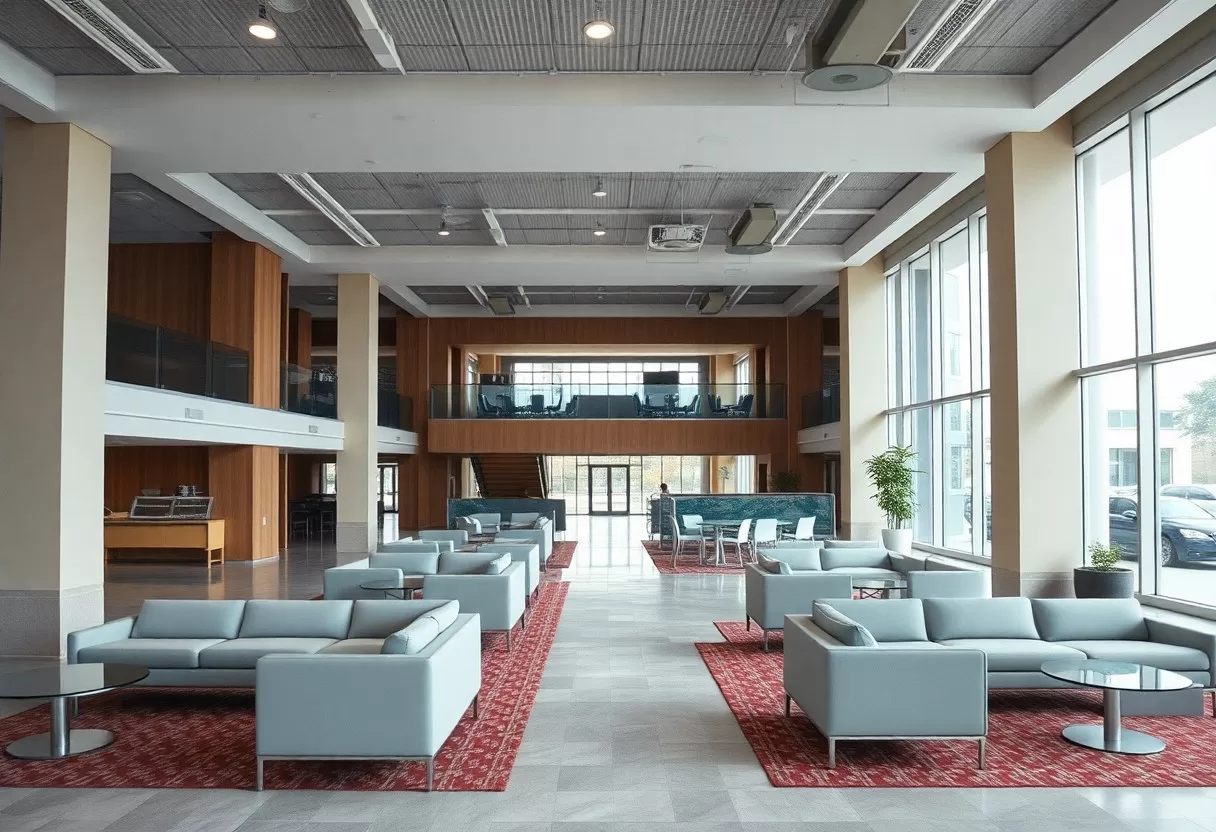
Embracing an open concept layout can lead to stunning visual spaces but often results in unforeseen pitfalls that diminish functionality. Many homeowners yearn for the airy feel of large, integrated areas, yet these expansive designs can create confusing flows and unwanted noise. The absence of walls means defining spaces relies heavily on furniture and decoration, which can lead to disorganization and visually overwhelming environments.
The Myth of Spaciousness
The allure of open spaces can mask the challenges of living within them. While you may believe that tearing down walls results in an immediate feeling of openness, what often occurs is an illusion of vastness that does not enhance livability. In reality, without intentional guidelines, rooms may lack the cozy intimacy many desire, in favor of a stark, cavernous aspect that can feel isolating.
Functionality vs. Aesthetics
Your dream of a stunning open space can swiftly clash with reality when functionality takes a backseat to aesthetic choices. Open concepts might promises a seamless flow between rooms, but in practice, they can disrupt practical living. Navigating through cluttered furniture arrangements or managing noise from the kitchen while trying to enjoy a movie in the living room becomes cumbersome.
Balancing functionality with aesthetics requires careful planning. For instance, while a beautifully designed seating arrangement may appear inviting, you might find that it doesn’t directly cater to your lifestyle needs, such as entertaining guests or managing daily activities. An inviting communal area must prioritize comfort and usability—with flexible options like modular furniture—while still maintaining the overall aesthetic appeal you envisioned. Understanding how your space needs to function daily can reshape your design choices from visually striking to truly livable.
Neglecting Natural Light: An Ongoing Oversight
Designing spaces without adequately considering natural light remains a significant oversight in many architectural projects. Not only does insufficient daylight affect aesthetics, but it also has profound effects on mental health and productivity. Studies show that well-lit spaces can improve mood, enhance focus, and even boost creativity, yet many still overlook its importance, opting for artificial lighting that doesn’t replicate the benefits of sunlight.
The Biological Need for Light
Human beings are biologically wired to respond positively to natural light. Exposure to sunlight triggers the production of serotonin, which aids in regulating mood and promoting overall well-being. Insufficient light can lead to issues such as Seasonal Affective Disorder (SAD), affecting energy levels and mental sharpness. This biological connection to light emphasizes why you should prioritize it in your living and working environments.
Strategies for Maximizing Daylight
To enhance natural light in your space, consider implementing a few strategic designs. Position windows and openings to capture sunlight at different times of the day. You can also employ reflective surfaces, such as glass or light-colored walls, to bounce light deeper into your rooms. Adding skylights or large sliding doors can create an airier feel, transforming the ambiance significantly.
Skylights allow you to harness the sunlight from above, while large glass doors can seamlessly integrate indoor and outdoor spaces, creating a bright, open atmosphere. Further, you might contemplate using transom windows above doors, which can serve as additional light sources without compromising privacy. Incorporating operable windows lets in fresh air and more sunlight, optimizing your space’s summer ambiance. Emphasize these thoughtful design elements to cultivate an inviting environment filled with vibrant, natural light.
The High Cost of Poor Spatial Planning
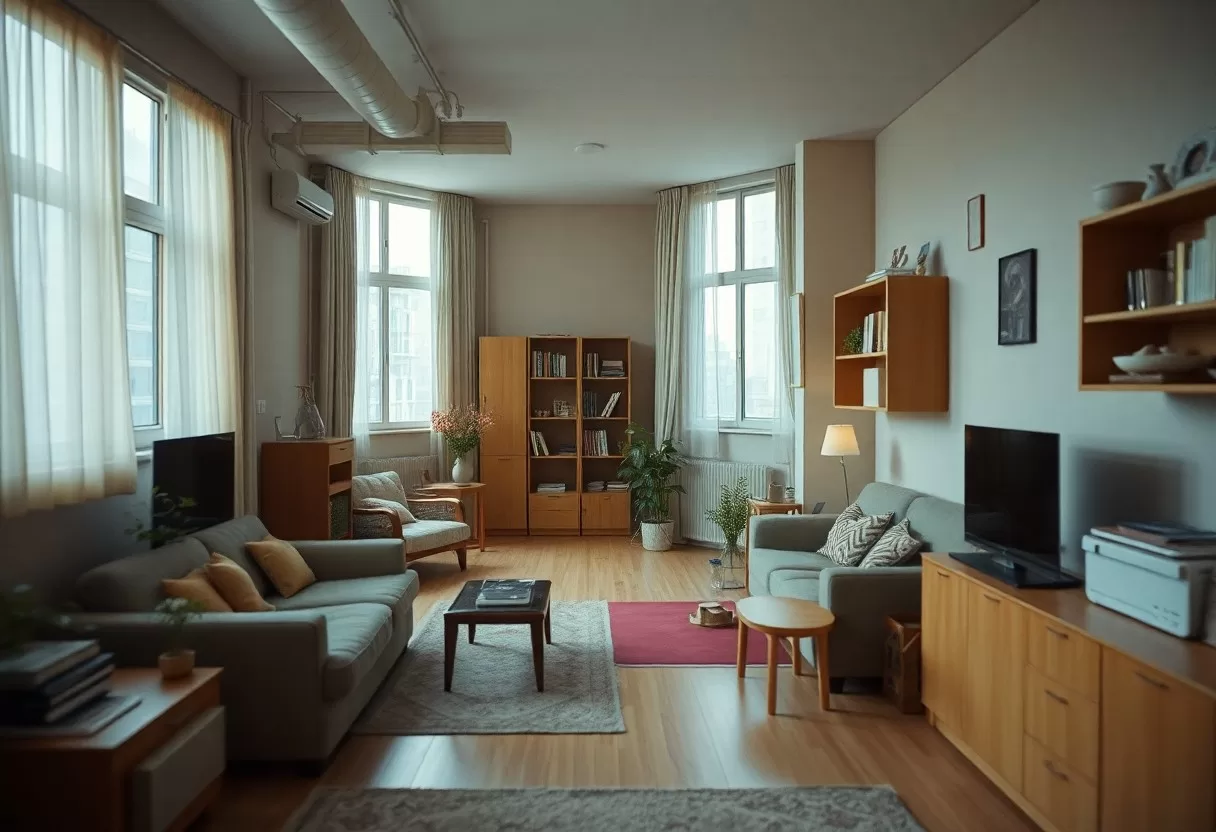
Poor spatial planning can lead to an array of problems that extend beyond aesthetics, significantly affecting your daily life. Underestimating the importance of well-defined spaces can manifest in inefficiencies, making it difficult to navigate your home or office. A lack of careful thought during the design stage often creates overcrowding, wasted space, and a disjointed atmosphere, resulting in prolonged frustration. You may find that the layout inhibits productivity or relaxation, ultimately diminishing the overall experience of your environment.
Circulation Patterns and Flow
Circulation patterns are the veins of any space; when they are poorly planned, everyday movement can become a logistical nightmare. Imagine walking through your home and encountering unexpected obstacles or cramped corridors that disrupt the natural flow. Such issues arise from neglecting to evaluate how you and your guests will move through different areas, leading to frequent collisions and bottlenecks. Organizing rooms and furniture without considering effective circulation can result in rooms that feel claustrophobic rather than welcoming.
The Impact on Livability
A layout that fails to accommodate natural human movement significantly impacts your livability. When spaces are not thoughtfully arranged, daily activities can become cumbersome and stressful. You may find yourself constantly adjusting to awkward layouts that undermine functionality. Close-knit families or roommates might experience heightened tension, as communal areas become overwhelmed and isolated. A well-planned space not only enhances comfort but also fosters a sense of harmony, ultimately leading to more enjoyable interactions and a better quality of life.
Studies show that poor spatial planning can lead to increased anxiety in residential settings by as much as 30%. Furthermore, the inability to efficiently navigate your space can result in a sense of disconnection from your environment. You might feel strained when trying to host friends, or managing household tasks can become a frustrating endeavor. Prioritizing effective layouts can transform your living experience by allowing for seamless transitions from one activity to the next and creating a sense of ease you seldom realize is missing in poorly designed environments.
Color Choices That Can Backfire
Choosing the right colors for your space is more than just personal preference; it can significantly impact your mood and the overall aesthetic. Many homeowners still fall into the trap of relying solely on trendy colors, which often backfire. You might find that a striking shade looks perfect on a swatch, but once painted, it can dominate the room in an unsettling way, resulting in a space that feels cramped or unwelcoming rather than inviting.
Psychological Effects of Color
Your choice of color can subconsciously influence how you feel in a space. For example, while a vibrant yellow may seem cheerful, it can also create feelings of anxiety in large doses. Positioning colors thoughtfully throughout your home can lead to a more harmonious environment, enhancing both functionality and comfort.
Trends vs. Enduring Palettes
Fashion trends in color change with the seasons, but your space should reflect timeless aesthetics rather than fleeting fads. While it might be tempting to paint your walls the latest shade of “Living Coral,” a neutral palette with enduring shades allows more flexibility in decor choices over the years. Bold colors can overwhelm a room, making them less adaptable for future updates.
Choosing a timeless color palette is a smart strategy for long-term design success. Enduring colors, such as soft grays, muted blues, or warm beiges, provide a versatile foundation that can easily accommodate changes in furniture or decorative elements. By opting for classic tones, you create a backdrop that invites creativity and personalization, ultimately sustaining your home’s appeal over time. Balancing trendy accent colors with these enduring hues not only enhances visual interest but also minimizes the risk of your space feeling outdated in just a few years.
Ignoring Sustainability: A Missed Opportunity
Choosing to overlook sustainability in your architectural plans may lead to regret down the line. In 2025, architects emphasize that environmentally conscious designs are not merely trends; they are imperative for ensuring the longevity and resilience of your home. The failure to integrate sustainable practices not only harms the environment but also limits your property’s appeal and value in an increasingly eco-aware market.
The Role of Eco-Friendly Materials
Utilizing eco-friendly materials is an imperative aspect of sustainable architecture. From reclaimed wood to bamboo flooring, these choices not only reduce environmental impact but also enhance the aesthetic and durability of your design. Investing in materials that are sourced sustainably can add character and uniqueness to your space while supporting responsible manufacturing practices.
Long-Term Cost Savings
Opting for sustainable design elements can bring significant long-term cost savings. Energy-efficient systems and materials typically reduce your utility bills and maintenance costs substantially over time. For instance, properties equipped with solar panels can see an average return on investment within five years, while energy-efficient windows may lower heating and cooling expenses by as much as 30% annually.
This strategic approach translates to substantial financial benefits. Consider that by switching to energy-efficient appliances and insulation, you not only decrease your monthly expenses but can also increase your property’s market value—an attractive proposition for potential buyers. Furthermore, federal and state tax incentives for renewable energy installations can offset initial investments, leading to greater savings in both environmental and economic terms. In the context of a growing commitment to sustainability, integrating these features into your design can distinguish your property in a competitive market, making it a wise investment choice.
Conclusion
Presently, as you navigate your design projects in 2025, it’s necessary to be aware of the common mistakes that architects identify. By avoiding pitfalls such as neglecting functionality, overlooking natural light, and disregarding personal style, you can create spaces that are not only aesthetically pleasing but also practical and reflective of your preferences. Keep these insights in mind, and you’ll elevate your design approach while ensuring a harmonious balance between form and function in your environment.