
Sensory Interiors – How Texture and Sound Shape Home Design
Sensory interiors are about how a room feels and sounds, not just how it looks. Texture affects comfort and warmth, while sound decides whether a room feels calm or tiring. Here’s how to combine both, with simple changes you can make this weekend.
Table of Contents
Key Takeaways: Texture and Sound in Interior Design
- Texture changes how warm and comfortable a room feels, and how long people want to stay in it.
- Soft, sound-absorbing materials cut echo, so rooms feel calmer and conversations are easier.
- The best results come from planning touch and sound together, not adding them as an afterthought.
The Role of Texture in Emotional Well-Being
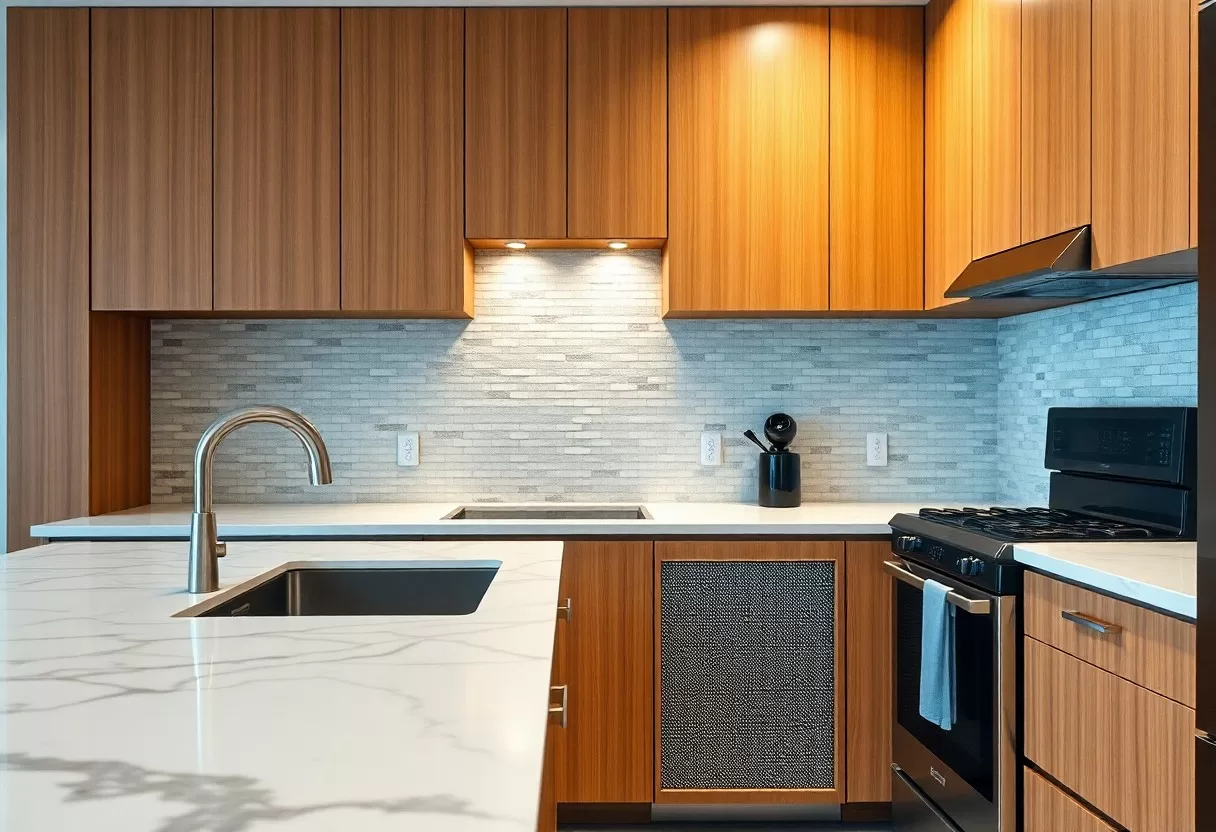
Texture is the part of a room you feel before you think about it. A wool throw on the sofa, a linen duvet or a warm wooden handrail signal comfort, while cold, glossy surfaces feel more formal and crisp. Neither is wrong. The trick is to choose on purpose, depending on what the room is for.
How Surfaces Influence Mood
Different surfaces give a room a different character. Exposed brick and reclaimed wood feel relaxed and lived-in. Lacquer, glass and polished stone feel sleek and clean. Most rooms look best with a mix: one rough, one smooth and one soft texture keeps the eye interested without looking busy.
Textures that Promote Comfort and Relaxation
For rooms meant for rest, choose textures that invite you to slow down: velvet or bouclé upholstery, a deep-pile rug, cotton and linen bedding, and jute or wool underfoot. Natural fibers also age well and feel better on the skin than most synthetics.
Think about texture through the seasons, too. In summer, light linen, cotton and smooth wood feel cool. In winter, add wool throws, a thicker rug and heavier curtains. Swapping a few textiles twice a year is a cheap way to make the same room feel cozy in January and fresh in July, without changing furniture.
Layering is what makes it work. In a reading corner, combine an upholstered armchair, a thick rug under your feet and a throw within reach. The rug and fabrics also soak up sound, so the corner feels quieter as well as cozier. Start with the room you unwind in at night: that’s where texture makes the biggest difference.
Soundscapes: The Overlooked Element of Design
Sound is the most overlooked part of interior design. Traffic, a humming fridge or echo from a bare floor can make a beautiful room feel tiring. You can’t always remove the noise source, but you can change how a room handles it: with soft furnishings, wall treatments and smarter placement of furniture.
The Impact of Acoustic Design on Space Perception
How a room sounds depends on its surfaces. Hard floors, bare walls and big windows bounce sound around, so voices echo and the TV gets louder. Rugs, curtains, upholstery and bookshelves absorb and break up sound. If you can clap your hands and hear a sharp ring, the room needs more soft surfaces.
Why does this happen? Hard surfaces reflect sound, so it keeps bouncing around the room for a moment after it’s made. Acousticians call this reverberation. In living rooms and bedrooms, shorter reverberation feels calmer and makes speech clearer. You don’t need technical measurements at home: if conversations feel loud, the TV seems harsh or footsteps echo, add soft surfaces until the room stops “ringing”.
A quick way to apply texture and sound in interior design is to walk through your home and ask two questions in every room: what do I touch here, and what do I hear? If the answers are “cold, hard surfaces” and “echo”, that room is the best place to start.
Creating Calming Environments Through Sound
Pleasant sounds help as much as quiet. A small water feature, a little background music or simply windows that open onto birdsong can mask distracting noise and make a room feel calmer. Pair them with sound-absorbing materials so the good sounds don’t turn into echo.
Choose sounds you actually like. Many people find rain, waves or white noise helpful for sleep or focus, and a small speaker or sound machine is a cheap way to try it. Then deal with the unwanted noise: upholstered furniture, heavy curtains and a few acoustic panels on the wall behind your desk or TV make a noticeable difference.
Integrating Texture and Sound for Cohesive Spaces
Texture and sound work best when you plan them together. Most soft materials do double duty: a large rug warms the floor and stops footsteps from echoing, fabric wall panels add color and absorb sound, and a padded headboard makes a bedroom feel cozier and quieter.
Harmonizing Visual and Auditory Elements
Keep the look and the acoustics consistent. If you want a calm bedroom, choose soft colors and natural patterns in fabrics that also reduce noise. Plants help as well: dense foliage breaks up sound a little and adds the visual softness that hard rooms lack.
Innovative Techniques for Blending Design Aspects
There are more options than rugs and curtains. Felt or slatted wood wall panels, fabric-covered pinboards, acoustic sofas with high backs and pendant lights with felt shades all absorb sound while working as decoration. They are especially useful in open-plan spaces, where one hard surface can make the whole floor noisy.
Some designers now use 3D-printed or carved wall panels whose texture scatters sound instead of reflecting it, and upholstered ceilings in home theaters and music rooms. You can get a similar effect at home with slatted wood over acoustic felt, which looks warm and cuts echo noticeably.
Practical Applications: Transforming Homes with Sensory Awareness
You don’t need a renovation to make a home feel better to touch and to hear. A few well-chosen changes, mostly soft furnishings and a bit of planning, are enough to make rooms calmer and more comfortable.
DIY Texture Projects that Elevate Interiors
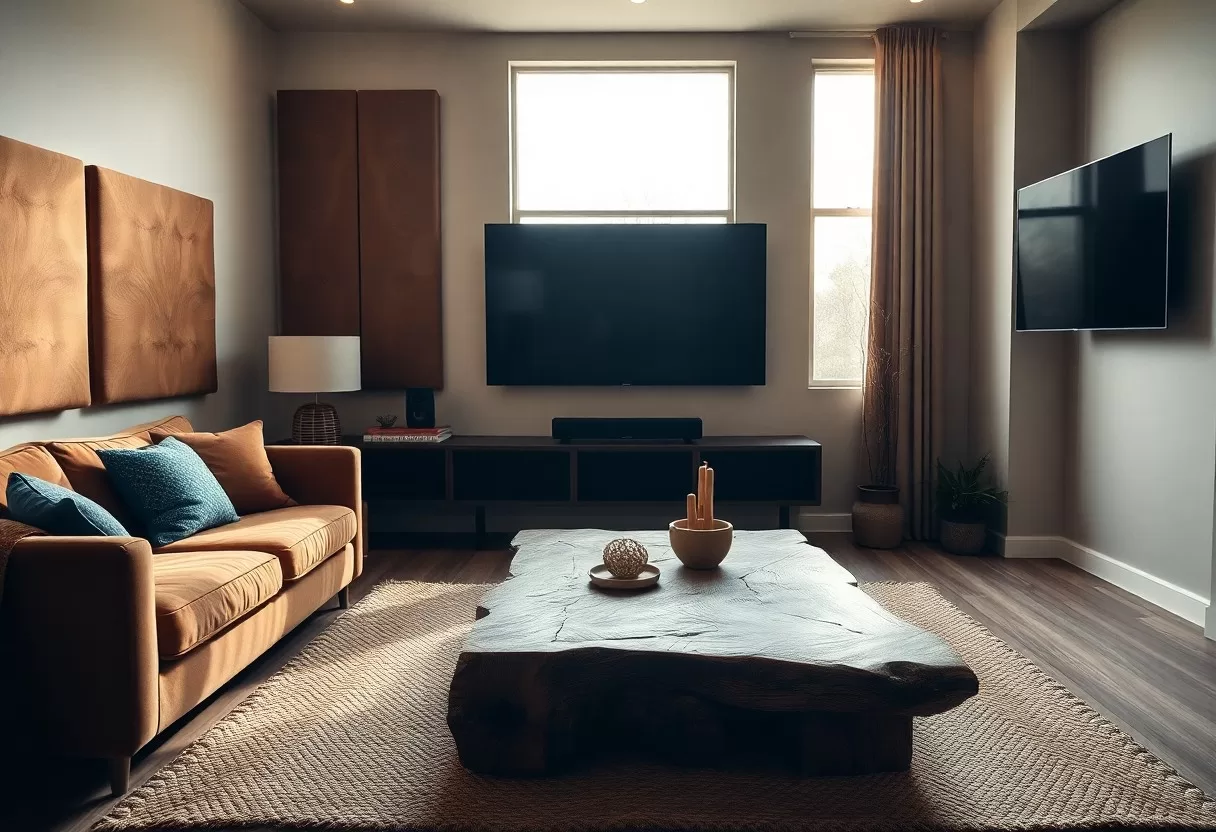
Simple DIY projects can add texture quickly: a reclaimed wood accent wall, a large fabric or macramé wall hanging, or a set of woven baskets for storage. Wall hangings are worth a special mention because they soften both the look and the sound of a room.
Sound-Enhancing Furnishings and Decor
Your furniture choices have a big impact on acoustics. Upholstered sofas and chairs, thick rugs and floor-length curtains absorb sound and reduce echo, so conversations feel easier and the TV doesn’t need to be as loud. In a room with hard floors, a rug that covers most of the seating area is the single biggest upgrade.
Size the rug generously. In a living room, the rug should be large enough for at least the front legs of the sofa and chairs to sit on it. In many rooms that means something around 2 × 3 m (about 6 × 9 ft) or larger. A small rug floating in the middle looks lost and does little for sound. In a bedroom, a rug that extends 50–60 cm (20–24 in) beyond each side of the bed gives you a soft landing in the morning and quiets footsteps for whoever is downstairs.
In busy households, a couple of acoustic panels behind the sofa or on the wall facing the TV can noticeably cut noise. Add heavy curtains on large windows (they also help with heat and cold) and a padded headboard in bedrooms that share a wall with a noisy room. Measure your room and use the calculator below to see how much absorption you need.
The Future of Sensory Design in Residential Spaces
Sensory design is moving from offices and hotels into homes. More designers now plan how a room will feel and sound from the start, not only how it will look in photos.
Trends Driving the Sensory Interior Movement
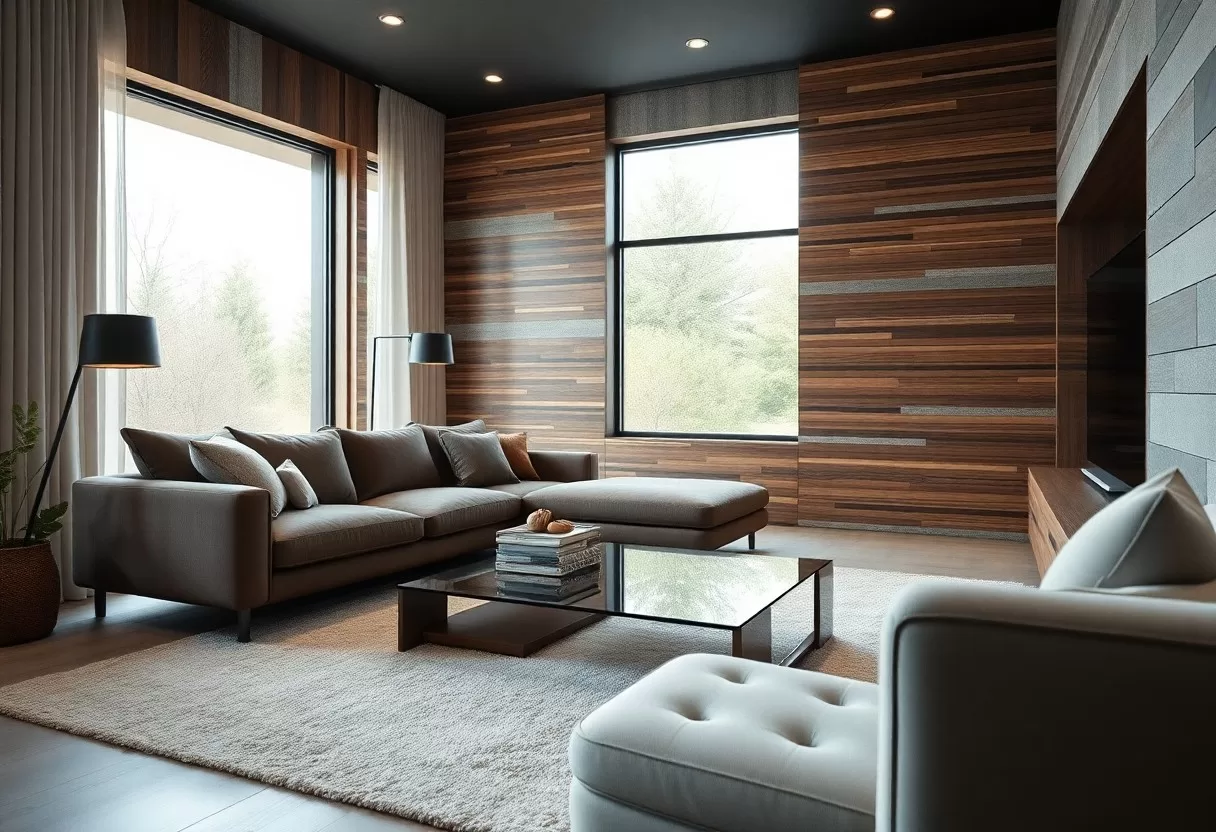
Two trends drive this: biophilic design, which brings natural textures and sounds indoors, and the move toward natural, sustainable materials such as wood, wool, cork and clay plaster. These materials look warm, feel good and tend to absorb sound better than plastic or glossy finishes.
How Technology is Shaping Sound and Texture Integration
Technology plays a part too. Smart speakers can play different background sounds in different rooms, and new manufacturing methods make textured, sound-absorbing panels more affordable and easier to customize.
Acoustic panels are no longer reserved for studios. They now come in felt, wood and printed fabric that blend into living rooms and home offices. Multi-room audio can play music quietly in the kitchen and nothing in the bedroom. The result is a home where each room sounds right for what you do in it.
Summing up
Look at your rooms through touch and sound, not just sight. Add one soft texture where you relax, one sound-absorbing element where it echoes, and one pleasant sound where you want to unwind. Small changes like these make a home calmer and more comfortable every day.
Acoustic panel calculator
Estimate how much sound absorption a room needs to cut echo for work, movies or music.
FAQ
Q: How does texture influence the overall feel of a room?
A: Texture adds depth and warmth to a space, contributing to its ambiance. Different materials, such as soft fabrics or rough surfaces, create varied tactile experiences that can evoke comfort or energy, impacting the emotional response of those in the room.
Q: What role does sound play in home design?
A: Sound can significantly affect mood and functionality in a home. Acoustics influence how sound travels through spaces, while materials like carpets or sound-absorbing panels can help reduce noise levels, creating a more peaceful environment.
Q: How can I incorporate sensory elements into my home design?
A: Mix several textures and pay attention to how each material handles sound. Wool or velvet upholstery, rugs, curtains and textured wall finishes all add warmth to the eye and the hand, and soft, porous surfaces absorb echo, so the room feels calmer and quieter.
Plan soft surfaces and quiet zones in the free 3D room designer.
Related Guides
