
Reviving Retro – How To Incorporate Vintage Design Elements Into Modern Spaces
Over time, vintage designs have become a powerful way to add character and charm to your modern spaces. Incorporating retro elements into your home can create a unique blend of old and new, providing a sense of nostalgia while keeping up with contemporary style. In this guide, you will discover simple strategies to seamlessly incorporate vintage textiles, furniture, and decor, allowing your space to exude personality without compromising on modern functionality. Get ready to explore how the timeless appeal of vintage can enhance your home’s aesthetic.
Key Takeaways:
- Blend vintage furniture and accessories with contemporary pieces to create a harmonious balance that highlights both styles.
- Utilize color palettes and patterns inspired by retro designs to add warmth and character to modern spaces.
- Incorporate vintage artwork, lighting fixtures, or textiles as focal points to evoke nostalgia while maintaining a fresh, updated aesthetic.
Unearthing the Charm: Identifying Vintage Design Elements
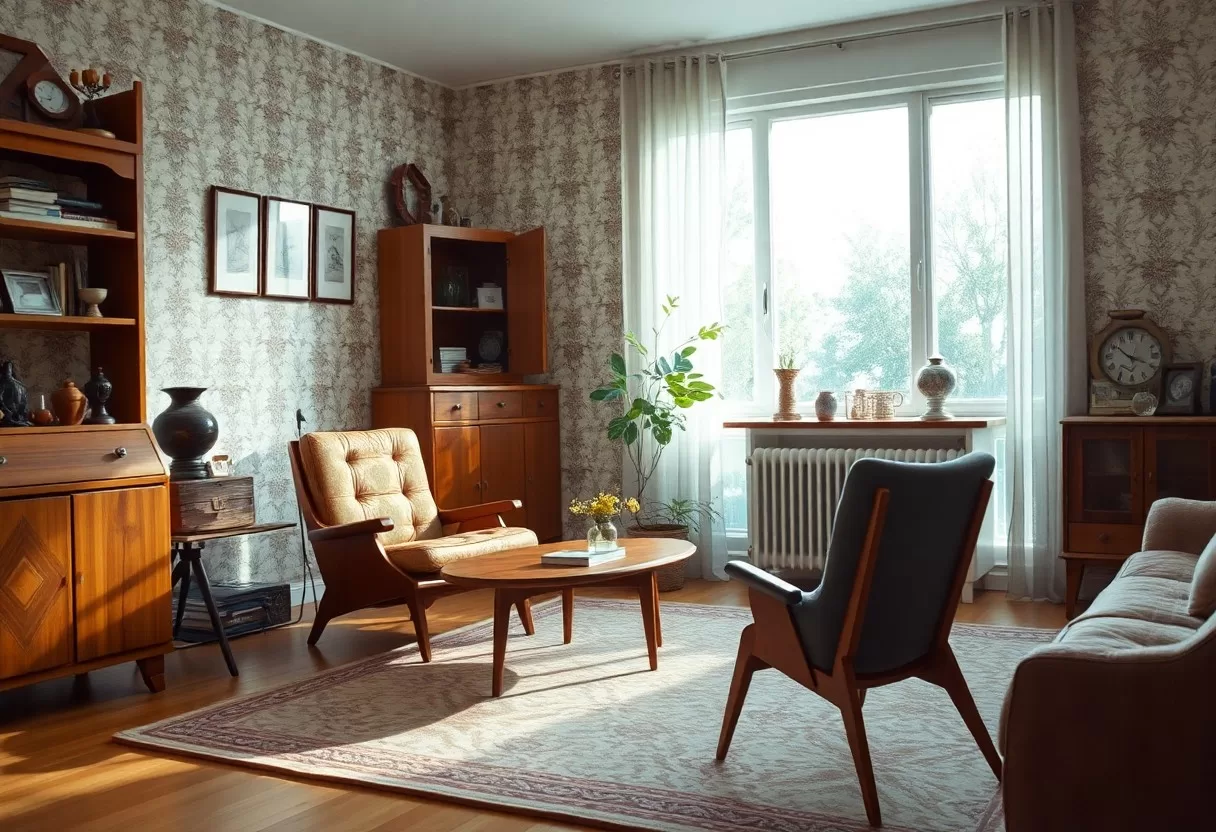
Exploring vintage design elements involves recognizing distinct styles, materials, and artistic influences that date back several decades. Start by observing iconic pieces like mid-century modern furniture, Art Deco accents, or retro kitchenware that can transform your space into a nostalgic haven. Look for unique details such as curve lines and intricate patterns that speak to a bygone era, and incorporate Retro Revival: How to Marry Vintage Charm with Modern Chic to achieve that perfect balance.
Iconic Patterns and Textures
Integrating vintage design often means embracing iconic patterns like paisley, chevron, or florals, which evoke a certain nostalgia. Textures such as velvet, tweed, and retro ceramics can create tactile comfort while enriching your aesthetic. Mixing these elements can provide striking contrasts with your modern decor, ensuring a harmonious yet eclectic feel.
Authentic Color Palettes
Colors from the past tell a story and can drastically enhance the ambiance of your space. Vintage palettes often reflect earthy tones, pastels, or bold jewel shades, each rooted in different design movements. Use these historical hues to set the mood while complementing contemporary elements, creating a coherent and stylish environment.
Authentic vintage color palettes highlight a rich history of design aesthetics. For instance, the mid-century modern palette typically features olive greens, mustard yellows, and deep oranges, while the Art Deco era embraced striking contrasts with bold black, gold, and vibrant reds. Incorporating these colors into your modern spaces can evoke nostalgia while also adding depth and warmth. By strategically using these shades in your various design elements—like accent walls, textiles, or even furniture—you’ll create a visually stunning narrative that pays homage to the past while remaining fresh and contemporary.
Mastering the Fusion: Blending Vintage with Modern Aesthetics
Key Principles of Design Integration
Integrating vintage and modern aesthetics requires a thoughtful approach. Start by selecting a cohesive color palette that spans both eras. Pair statement vintage pieces, like a mid-century sofa, with contemporary artwork or lighting to create a striking contrast. Aim for a mix of textures; combine sleek, modern finishes with the warmth of organic, vintage materials. This fusion not only refreshes your space but also allows your personal style to shine through.
Creating Harmonious Visual Balance
Achieving visual balance in your space is key to a successful blend of vintage and modern design elements. Avoid overcrowding by choosing a few statement pieces from each style that resonate harmoniously. Utilize varying heights and shapes to create interest and flow. For instance, place a vintage chandelier above a modern dining table for an eye-catching juxtaposition, ensuring your layout feels intentional and cohesive.
Visual balance is about ensuring that neither vintage nor modern elements overshadow the other. Group similar items to create focal points, perhaps positioning a sleek contemporary chair next to an ornate vintage armoire. This design strategy allows the eye to travel easily around the room. Emphasizing symmetry can help, too; for example, use matched side tables on either side of a modern sofa, balanced by a vintage coffee table to ground the design. Such arrangements provide a pleasing aesthetic that invites conversation and appreciation of the unique styles at play.
Essential Furniture: Selecting Retro Pieces that Shine
Your choice of furniture plays a vital role in achieving the right balance between vintage charm and modern comfort. Selecting striking retro pieces can turn your space into a conversation starter while maximizing functionality. Look for unique finds that showcase bold colors, organic shapes, and interesting materials like teak wood or chrome. Key items such as mid-century sofas, Eames chairs, and sleek credenzas not only provide style but also ensure longevity, making them worthwhile additions to your contemporary home.
Timeless Furniture Styles and Their Statements
Mid-century modern is a standout style that encapsulates the essence of retro design while seamlessly fitting into today’s interiors. Think clean lines, minimal ornamentation, and a daring use of colors. Pieces like the iconic Eames lounge chair or Scandinavian-style dining sets evoke nostalgia while remaining functional and versatile, adding an aesthetic appeal that effortlessly elevates your space.
Repurposing vs. Buying Authentic Vintage
Choosing between repurposing vintage finds and investing in authentic pieces can greatly affect your design journey. Repurposing allows for creativity—transforming outdated furniture into stunning feature pieces. On the other hand, authentic vintage items boast history and craftsmanship that enhance the character of your home. Weighing these options involves considering your budget, the desired uniqueness of your space, and how much effort you’re willing to invest in restoration.
Finding the right balance between repurposing and buying authentic vintage can be quite rewarding. Repurposed items, such as turning an old dresser into a fashionable TV stand, not only minimizes waste but reflects your personal touch. Authentic pieces, however, often come with inherent design value and story, adding more depth to your decor. For example, an original 1960s Danish teak side table, while a splurge, becomes a timeless focal point and a testament to skilled craftsmanship. Embracing both methods allows you to curate a collection that is distinctive and meaningful while celebrating the beauty of vintage design.

Accessorizing with Purpose: Layering Retro Accents
Success in merging vintage charm with contemporary flair lies in thoughtfully layering retro accents. Combine textures and colors by introducing items like a mid-century coffee table, colorful throw pillows with geometric patterns, or a retro-style rug. Use a mix of materials such as leather, wood, and metal to create depth and interest. Choose pieces that not only reflect your personal style but also harmonize with your existing decor. The goal is to create a cohesive look that carries the essence of decades past while feeling fresh and engaging in your modern space.
Curating Art and Decor for Maximum Impact
Art and decor serve as powerful storytellers in your space, especially when infused with vintage influences. Seek out unique pieces from flea markets, thrift stores, or online marketplaces that showcase the charm of bygone eras. Incorporating bold vintage prints, framed retro advertisements, or unusual sculptures will instill character and style. Display these items in unexpected ways, like gallery walls or on sculptural shelves, to capture attention and spark conversation.
Finding the Right Lighting to Enhance Ambiance
Lighting plays a pivotal role in establishing the mood of your room. Vintage-inspired fixtures such as pendant lights, chandeliers, or table lamps can create a warm, inviting atmosphere that highlights your retro elements. Opt for pieces with a patina or aged finish, such as a brass floor lamp or enamel sconces. Additionally, consider using vintage-style bulbs for an authentic feel, ensuring your lighting complements the overall aesthetic while providing functional illumination.
To truly enhance your space’s ambiance, explore various light sources to create layers of brightness. Combine overhead lighting with soft, diffuse lamps for a versatile atmosphere that evolves with your needs. Decorative string lights can add a whimsical touch while maintaining that vintage vibe. Always keep in mind the scale and placement of your lighting fixtures—the goal is to provide both beauty and balance, drawing attention to the unique retro accents you’ve carefully curated throughout your home.
Spatial Dynamics: Room Layouts that Honor the Past
Balancing the charm of vintage design with modern requirements involves a careful arrangement of space that respects each element’s character. Achieving this harmony starts with considering the flow of movement within the room. Open floor plans can easily accommodate a mix of styles, allowing vintage furniture to coexist with contemporary pieces seamlessly. Maintain clear pathways while using area rugs or sectional seating to create defined spaces, ensuring visual continuity between the old and new without compromising comfort.
Designing Flow Between Vintage and Contemporary Elements
Creating a dynamic flow involves more than just positioning furniture; it’s about orchestrating a dialogue between vintage and contemporary elements. Contrast can be your ally; pair a mid-century modern chair with a minimalist coffee table for a connection between styles. Textures also matter. Mixing soft fabrics with polished finishes introduces a tactile narrative, inviting users to interact with your space on multiple levels, serving both aesthetic and practical purposes.
Utilizing Space for Functionality without Compromise
Functionality is paramount when designing spaces that invoke nostalgia while meeting modern needs. Specific furniture choices can serve dual purposes—like a vintage trunk that acts as a coffee table and offers storage. Custom built-ins provide display space for cherished retro collectibles without cluttering your aesthetic. The key lies in selecting pieces that contribute to the overall design story while maximizing utility and comfort, ensuring that no space feels overwhelmed by any single design style.
Embracing vintage functionality means prioritizing versatility over visual noise. For instance, a retro credenza not only showcases artistic flair but can also house technology seamlessly. Similarly, incorporating modular furniture reflects modern adaptability while honoring past craftsmanship. By being strategic in your selections, you can preserve the integrity of your contemporary life while reveling in the stories a vintage piece brings into your home, setting a stage for both nostalgia and everyday practicality.
To wrap up
Ultimately, embracing vintage design elements in your modern spaces can create a unique and personalized atmosphere that reflects your style. By thoughtfully blending retro pieces with contemporary decor, you can achieve a harmonious balance that feels inviting and nostalgic. Don’t hesitate to explore various design inspirations, like the Retro Interior Design Revival: How to Achieve the Look, and let your creativity shine as you curate a space that truly feels like home.