
You’re Styling Your Living Room All Wrong — Here’s What to Do Instead
Just because you’ve filled your living room with furniture doesn’t mean you’ve styled it well. In fact, common mistakes can lead to an uninspired space that lacks both functionality and comfort. From choosing the wrong proportions to neglecting lighting, many people overlook key elements that can transform your living area into a welcoming oasis. In this post, we’ll guide you through effective strategies to enhance your living room style, ensuring it reflects your personality while maximizing space and aesthetics.
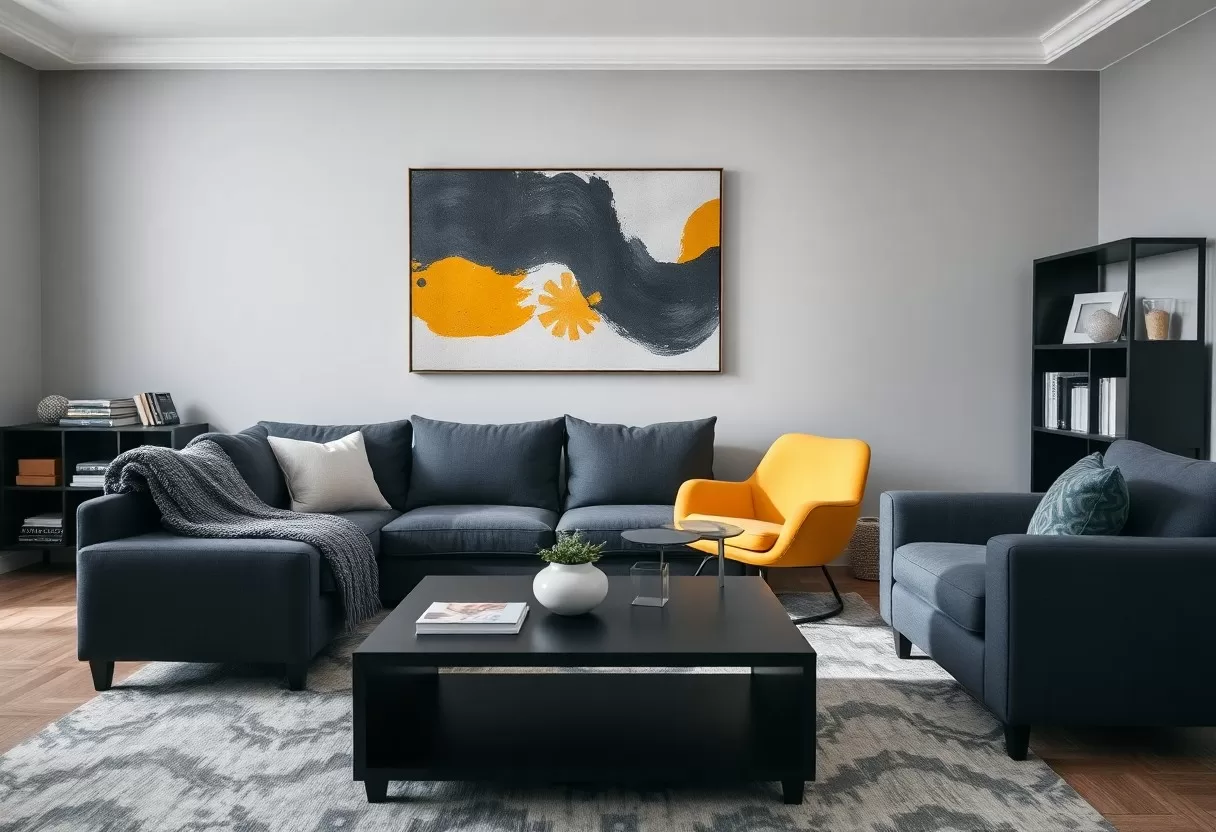
The Color Palette Dilemma
Your choice of color palette can dramatically influence the atmosphere of your living room. Opting for trendy shades might seem appealing, but without considering the overall harmony and balance, you could easily end up with a chaotic space. Striking the right balance between hues fosters a soothing environment, whereas clashing colors can create visual noise, leaving you and your guests feeling unsettled.
The Psychological Impact of Colors
Colors evoke emotions and can affect your mood significantly. For instance, blue promotes calm and focus, while yellow brings cheerfulness and energy. Understanding these associations can guide your choices and create spaces that feel welcoming and invigorating, instead of overwhelming or dreary.
Choosing Colors That Harmonize
Creating a cohesive color scheme involves selecting shades that complement each other rather than compete for attention. Aim for a balanced mix of warm and cool tones to bring depth to the space. Tools like color wheel diagrams can help you identify complementary colors, while paint swatches allow you to visualize how different shades work together in your living room.
Focus on a primary color and a few accent hues that support it, ensuring they harmonize seamlessly. For instance, if your primary color is a serene seafoam green, pairing it with soft coral accents can evoke tranquility and balance. On the other hand, too many bold colors can distract the eye, leading to visual agitation. Utilize neutral bases—like whites, creams, or greys—to ground the space, allowing brighter colors to pop without overpowering your living room’s aesthetic.
Furniture Arrangement: Breaking the Mold
In a world of cookie-cutter designs, your furniture arrangement defines your living room’s character. Break the mold by experimenting with eclectic layouts or mixing styles that resonate with your personality. Embrace asymmetrical patterns, layer furniture, and don’t shy away from challenging conventional placements. For inspiration, check out this 9 Living Room Interior Design Mistakes + What To Do Instead video that offers fresh insights into the art of arranging your space.
The Importance of Flow and Functionality
Achieving a harmonious flow is necessary for a comfortable living space. Your arrangement should facilitate smooth movement throughout the room while ensuring that each piece serves a purpose. Position furniture to create inviting pathways for conversation, while also keeping your functional needs in mind—think about where you relax, entertain, or even work.
Common Arrangement Pitfalls to Avoid
Avoid overcrowding your space with oversized furniture or too many items, as this disrupts balance and makes rooms feel cramped. Placing furniture too far from one another can inhibit conversation and create isolation. Additionally, neglecting to consider traffic patterns may lead to awkward navigational issues, leaving your space feeling less inviting.
Pay attention to furniture scale when arranging your living room. Squeeze in a large sectional, and you risk making your space feel suffocating. Many people also misjudge the arrangement of seating—facing everything directly towards each other fosters interaction, while pushing seating against walls can create a detached atmosphere. Be mindful of lighting too; underutilizing natural light sources can affect how inviting your arrangement appears. Aim for balance and practicality to enhance the overall vibe of your living area.
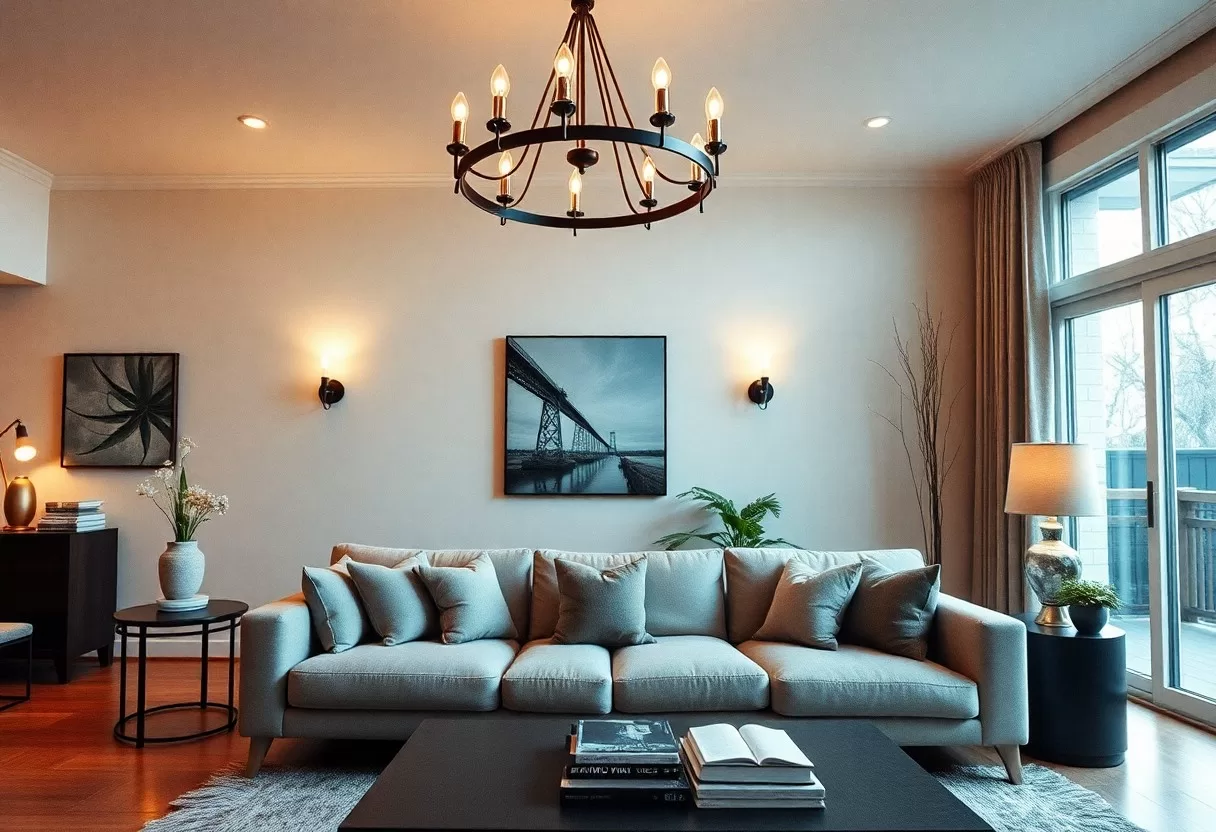
Lighting: The Unsung Hero
Most people overlook the transformative power of lighting when decorating their living rooms. Lighting is not just functional; it adds ambiance, depth, and can even enhance the architectural features of your space. The right lighting can change the mood from bright and energizing during the day to cozy and intimate by night, making it an vital component in your design toolkit.
Layering Light for Depth and Warmth
Combining different types of lighting creates a well-rounded atmosphere. Start with ambient lighting, then incorporate task lighting for specific areas and accent lighting to highlight your favorite décor. Using a mix of sources—like floor lamps, table lamps, and wall sconces—adds depth and warmth to your living room, making the space feel more inviting and intentional.
Misconceptions About Natural Light
Many believe that natural light alone can achieve the perfect atmosphere in a living room. However, relying solely on windows may leave you with stark shadows and uneven lighting as the sun sets or on cloudy days. Instead, you should balance natural light with artificial options for a consistently warm and well-lit environment.
Conventional wisdom suggests that all natural light is good light, but this is misleading. Sunlight varies throughout the day, affecting how colors and textures in your space appear. A living room flooded with harsh midday light may create a blinding glare, while evening sunlight may cast long shadows, dulling the room’s vibrancy. Layering natural light with soft artificial sources counteracts these fluctuations and ensures your room feels dynamic and comfortable, regardless of the time of day.
Accessorizing with Intention
Accessorizing with intention elevates your living room by adding personality and depth. Each piece should serve a purpose or evoke an emotional response, transforming your space from merely functional to welcoming and curated. Choose items that reflect your interests or experiences, ensuring every accessory contributes to the room’s overall narrative.
Curating Personal Items for Visual Appeal
Incorporating personal items creates a unique touch that reflects who you are. Consider photographs, artwork, or souvenirs from your travels that resonate with you. These elements not only add visual interest but also spark conversation and foster connections, making your living room feel authentic and inviting.
The Balance Between Style and Clutter
Balancing style with clutter requires careful decision-making about what stays and what goes. A well-styled living room embraces negative space, allowing the eye to rest. Aim for a carefully curated selection of décor that enhances your space without overwhelming it. Strive for harmony, where accessories complement rather than compete for attention.
Striking this balance means prioritizing your favorite pieces while eliminating those that don’t contribute meaningfully. A general guideline is to use the “three-in-a-row” rule: group similar items in threes for a cohesive look. This approach naturally draws the eye around the room, encouraging an inviting atmosphere without the chaos of excessive ornamentation. Aim to create vignettes throughout your living space that tell stories, encouraging you and your guests to explore and appreciate each thoughtfully chosen item. A simple edit can create more open spaces, enhancing both style and comfort in your living room.
Embracing Multi-Functionality
Multi-functionality transforms your living space into a versatile haven, allowing you to make the most out of every corner. By selecting furniture that can serve more than one purpose, you create a more dynamic environment that meets various needs without sacrificing style. Adopting this approach not only streamlines your decor but can also lead to a more organized and inviting atmosphere.
Incorporating Versatile Furniture Pieces
Investing in furniture that adapts to your lifestyle is a game-changer. Think sofa beds for when guests arrive, coffee tables with built-in storage, or ottomans that double as seating. Each piece you choose should offer functionality while seamlessly blending into your overall design aesthetic, allowing you to achieve a sophisticated look without clutter.
Strategies for Maximizing Space
To maximize space effectively, focus on layout and design principles that promote both flow and function. Utilize vertical storage by installing shelves and utilizing wall space for decorative and storage purposes. Consider rearranging larger pieces to create distinct zones, enhancing the room’s usability without overcrowding. Clever use of mirrors can also make a space feel larger, reflecting light and creating an illusion of depth.
Moreover, embrace the concept of decluttering. A minimalist approach allows your multi-functional pieces to shine without visual distraction. Keep only what you need and love, and use underutilized areas—like corners and beneath furniture—for hidden storage solutions. Think about how each item interacts within the space and select those that elevate both style and function. These practical strategies will enable you to craft a living room that’s not only beautiful but also a true reflection of your lifestyle.
Final Words
Hence, it’s time to reconsider how you approach styling your living room. By focusing on functionality, proportion, and cohesive aesthetics, you can create a space that’s not only beautiful but also practical. Think about your lifestyle and how you can blend comfort with style; choose furniture that works for your needs and select decor that reflects your personality. With these tips, you’ll transform your living room into a true reflection of you, one that is inviting, stylish, and conducive to your daily life.