
Raised Bed Bliss – Simple Ways to Elevate Your Garden
With raised beds, you can transform your garden into a thriving oasis that enhances both productivity and aesthetics. By elevating your planting area, you improve drainage, soil quality, and accessibility, making gardening easier and more enjoyable. Implementing simple design elements can also minimize weeds and reduce pests, creating a healthier environment for your plants. This guide will provide you with crucial tips to achieve your gardening goals and help you cultivate a beautiful, thriving space.
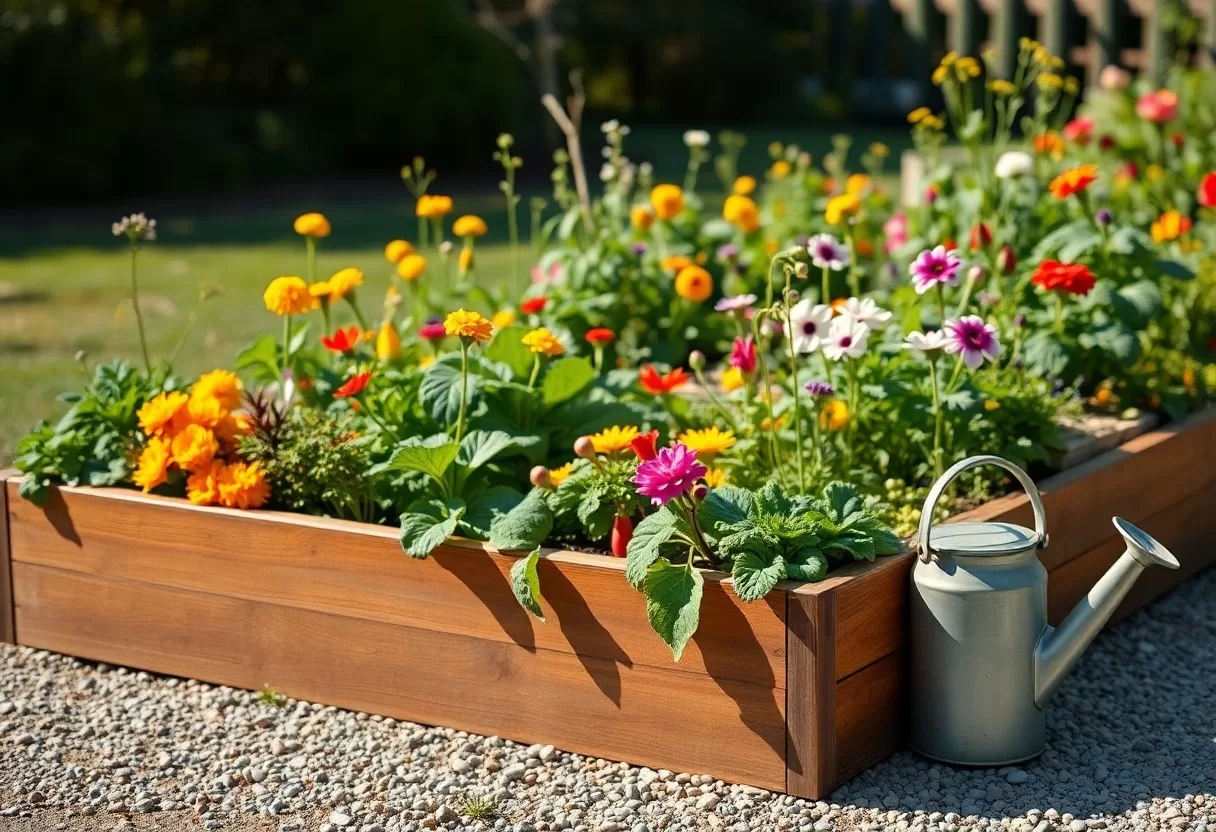
Transforming Space: The Art of Raised Bed Gardening
Raised bed gardening not only enhances your yard’s aesthetic appeal but also optimizes your growing conditions. By elevating your plants, you create a dedicated space that can be tailored to your specific gardening needs. This method improves soil drainage, reduces weed competition, and allows for more efficient pest control. Consequently, you enjoy a more productive and enjoyable gardening experience, making it easier to maintain and harvest your crops. The art of raised bed gardening transforms any outdoor space into a lush, accessible haven of greenery.
Benefits Beyond Aesthetics
The advantages of raised bed gardening extend well beyond visual appeal. Improved soil quality is a key benefit, as you can control the mix to suit your plants. Increased accessibility reduces strain on your back and knees, making gardening more enjoyable for everyone, including those with mobility issues. Moreover, raised beds can help deter pests, as their height can hinder certain animals while allowing you to employ organic pest control methods more easily. You’re imperatively investing in a more productive, sustainable gardening environment.
Choosing the Right Location
Selecting the perfect location for your raised beds greatly impacts their success. Ideally, you want to place them in a spot that receives at least six to eight hours of sunlight each day. Ensure proper air circulation to prevent diseases and facilitate pollination. Consider proximity to a water source for efficient irrigation. Additionally, avoid areas where tree roots may compete with your plants for nutrients and moisture. With these factors in mind, you can maximize the health and yield of your vegetable or flower garden.
Evaluate your garden space for sunlight patterns throughout the day. If possible, observe how the sun moves across your yard during different seasons, as this can change light availability. Take into account potential obstacles, such as nearby buildings or fences that might cast shadows at certain times. The soil quality is another consideration; good drainage is vital, so choose areas that don’t accumulate standing water. Finally, think about your gardening routine—attaching raised beds near your home or patio can encourage more frequent visits and easier maintenance.
Material Matters: Building Your Raised Bed
Selecting the right materials significantly impacts the longevity and health of your raised bed. Various options, from wood to metal and composite materials, each offer distinct advantages and disadvantages. Durable and non-toxic options, along with proper maintenance, ensure your raised beds not only last longer but also provide a healthy environment for your plants. Choosing materials that withstand weather elements while avoiding harmful chemicals will ultimately enhance your gardening experience.
Best Materials for Longevity and Health
For raised beds that will stand the test of time, cedar and redwood are excellent choices due to their natural resistance to decay and pests. If you prefer a sustainable option, consider using reclaimed wood or composite materials, which are made from recycled plastics and wood fibers. These options not only resist rot but also contribute to a greener planet, ensuring your garden is both beautiful and environmentally friendly.
Cost-Effective Solutions for Every Budget
You don’t have to break the bank to create raised beds. Affordable materials like pressure-treated lumber or cinder blocks provide sturdy options without high costs. If you’re looking to save further, consider using pallets or even old tires, which can be repurposed for a unique garden style. Many local resources like community gardens or reclamation yards can also help you find inexpensive materials.
For a truly budget-friendly approach, consider crafting your raised bed from recycled materials. Wooden pallets are often available for free or at a minimal cost, while cinder blocks can be purchased inexpensively at hardware stores. You can even create a raised bed using bricks found in your backyard or from local construction sites. With a little creativity and effort, you can achieve a thriving garden without spending a fortune, allowing for more resources to be directed toward your soil and plants.
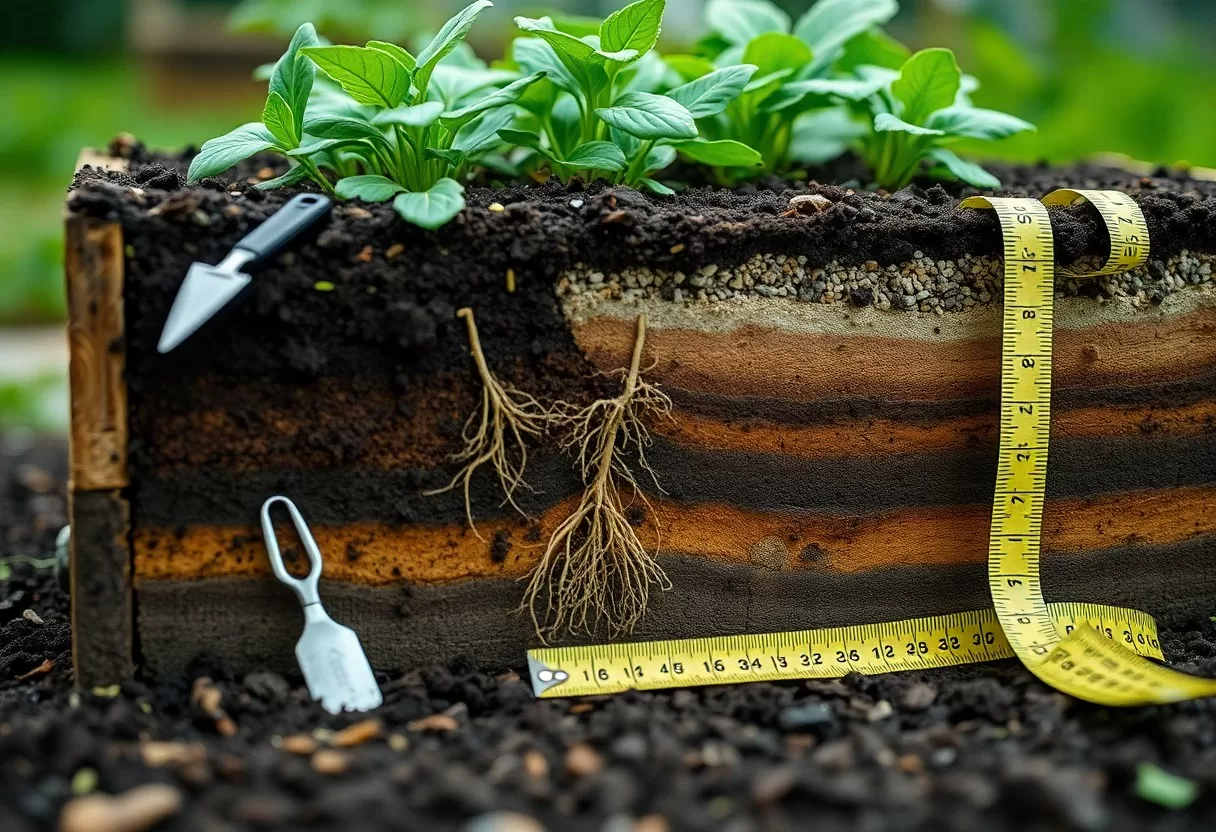
Soil Secrets: Crafting the Perfect Mix
Creating the ideal soil mix transforms a raised bed into a thriving ecosystem. By balancing different components, you support healthy root development and robust plant growth. A personalized blend accommodates your specific plants’ needs while ensuring they receive optimal nutrients and water retention. Start with a foundation of quality organic matter and add amendments to tailor your soil for success.
Essential Components for Nutrient-Dense Soil
Your soil should incorporate imperative components like compost, peat moss, and perlite. Compost enriches the mix with nutrients, improving soil life and structure. Peat moss helps retain moisture, while perlite enhances aeration and drainage. A balanced approach, using these elements in equal parts, creates a fertile environment that nurtures strong, healthy plants.
The Importance of Drainage and Aeration
Drainage and aeration significantly affect your garden’s health and productivity. Adequate drainage prevents waterlogging, which can rot roots, while proper aeration ensures that plant roots have access to imperative oxygen. Both elements contribute to a balanced soil system, allowing nutrients to reach plant roots efficiently.
Good drainage keeps your soil from becoming compacted and ensures excess water flows away freely. This is especially vital for raised beds, where soil depth can limit natural drainage. Adding materials like coarse sand or gravel promotes airflow and moisture distribution throughout the soil. Additionally, mixing in organic matter improves soil structure, preventing compaction over time. Monitoring your soil’s moisture levels and amending with breathable components will lead to flourishing plants in your raised beds.
Planting Strategies: Maximizing Your Harvest
Strategically planning your planting layout can significantly enhance your yield. Utilize the principles of intensive planting, which involves planting crops closer together to maximize space and minimize weeds. Schedule your crops for succession planting throughout the growing season, allowing you to harvest more than once from the same space. Implement vertical gardening techniques with trellises for vining plants, creating a multi-layered, productive garden that thrives in a limited area.
Companion Planting for Optimal Growth
Choose compatible plants to grow alongside one another for mutual benefits. For instance, planting basil near tomatoes can enhance their flavor and deter pests. Nasturtiums naturally repel aphids, making them ideal companions for many vegetables. Utilize a companion planting chart to identify beneficial pairings and create a harmonious ecosystem in your raised bed, promoting healthier plants and increased yields.
Seasonal Considerations and Crop Rotation
Adapting your planting based on seasonal changes ensures your garden remains productive year-round. Crop rotation reduces soil depletion and pest buildup by varying the types of plants grown in each bed each season. For example, follow legumes with nitrogen-hungry plants like kale. This strategy not only enhances soil fertility but also disrupts pest life cycles and maximizes your harvest.
To implement effective crop rotation, plan your planting schedule by categorizing plants into families and alternating them across seasons. For your spring garden, include peas and beans, then rotate to leafy greens in summer and root vegetables in fall. This method not only improves soil health but also yields more diverse produce throughout the year. Track your rotations in a simple garden journal to ensure each family gets its needed rest and improves resilience against pests and diseases.
Maintenance Made Simple: Keeping Your Garden Thriving
Regular maintenance ensures your raised bed garden remains productive and healthy throughout the growing season. Simple practices like consistent watering, mulching, and mindful harvesting contribute directly to plant vitality. Spend time each week inspecting your plants for signs of distress or disease, and adopt a routine that incorporates weeding and soil monitoring. This proactive approach helps you enjoy garden bliss without overwhelming effort.
Efficient Watering Techniques
Implementing efficient watering techniques can maximize the health of your plants while conserving water. Consider methods such as drip irrigation or soaker hoses that deliver moisture directly to the root zone, minimizing evaporation and runoff. Water in the early morning to reduce fungal diseases and ensure plants absorb moisture before the heat of the day sets in. Tailor your watering schedule based on rainfall and the specific needs of your crops to optimize growth.
Organic Pest and Weed Management
Using organic methods for pest and weed management maintains ecosystem balance and promotes healthy growth. Incorporate beneficial insects like ladybugs and lacewings to naturally control pests. Remove weeds manually or utilize organic mulch to inhibit their growth without chemicals, ensuring your plants thrive in a safe environment.
Research shows that nearly 90% of pests can be controlled through biological methods, rather than relying on synthetic pesticides. Utilize companion planting strategies, such as pairing marigolds with vegetables, to repel harmful insects naturally. Establishing a healthy soil ecosystem with organic amendments enhances plant resilience, but vigilance remains key. Regularly inspect your garden to catch infestations early, and use solutions like neem oil or insecticidal soap when necessary, to minimize harm while effectively managing pests and weeds.
Summing up
Conclusively, by implementing raised bed gardening techniques, you can significantly enhance your gardening experience. Elevated beds not only improve soil drainage and accessibility but also minimize pest issues, allowing you to cultivate a thriving garden with ease. Emphasizing planning and material selection will ensure your raised beds are durable and suited to your space. With these simple methods, you can enjoy increased productivity and satisfaction in your garden, transforming it into a productive oasis that meets your needs effortlessly.
FAQ
Q: What materials are best for building a raised bed garden?
A: Ideal materials include untreated wood, such as cedar or redwood, which resist rot. Metal, brick, or stone can also be used for durability. Avoid treated wood to prevent chemical leaching.
Q: How deep should a raised bed be for optimal plant growth?
A: A depth of 12 to 18 inches is recommended for most vegetables. This allows enough room for root growth while ensuring proper drainage and soil health.
Q: What soil mix is best for raised beds?
A: A balanced mix of topsoil, compost, and peat moss or coconut coir is ideal. This combination provides nutrients, good drainage, and moisture retention for healthy plant growth.