
Outdoor Showers & Bathrooms – Reconnecting with Nature in Your Yard
Most days you can transform your yard into a private retreat by adding an outdoor shower or bathroom; you’ll gain direct connection to nature and simple outdoor living while increasing property appeal. Plan for proper drainage, waterproofing, and frostproof plumbing to avoid damage, and specify slip-resistant surfaces and secure privacy screening for safety. With thoughtful design and maintenance you can enjoy an elegant, functional extension of your home year-round.
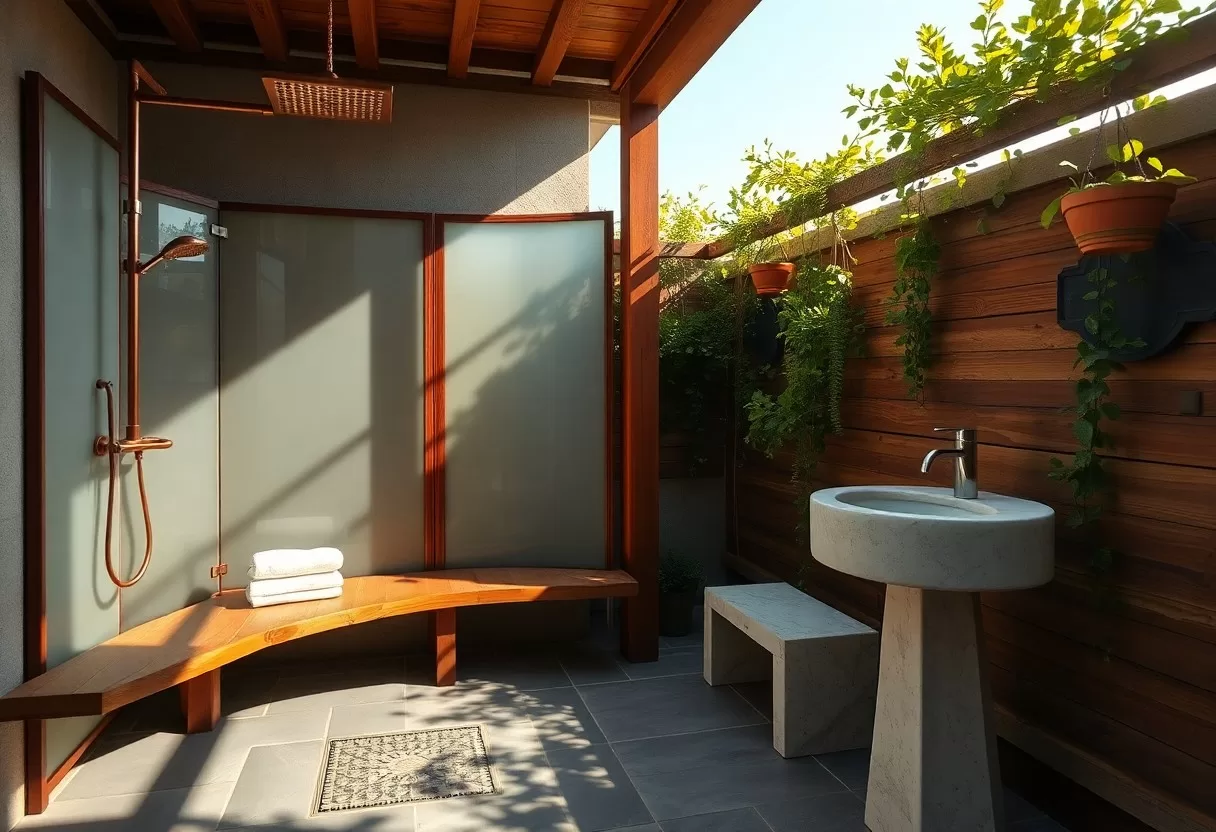
Key Takeaways:
- Embrace outdoor bathing to boost well-being and extend living space into the landscape.
- Balance design and privacy with natural materials, screening strategies, and weatherproof fixtures for a comfortable, attractive outdoor bathroom.
- Prioritize sustainability with low-flow fixtures, graywater reuse options, and native landscaping to conserve water and reduce maintenance.
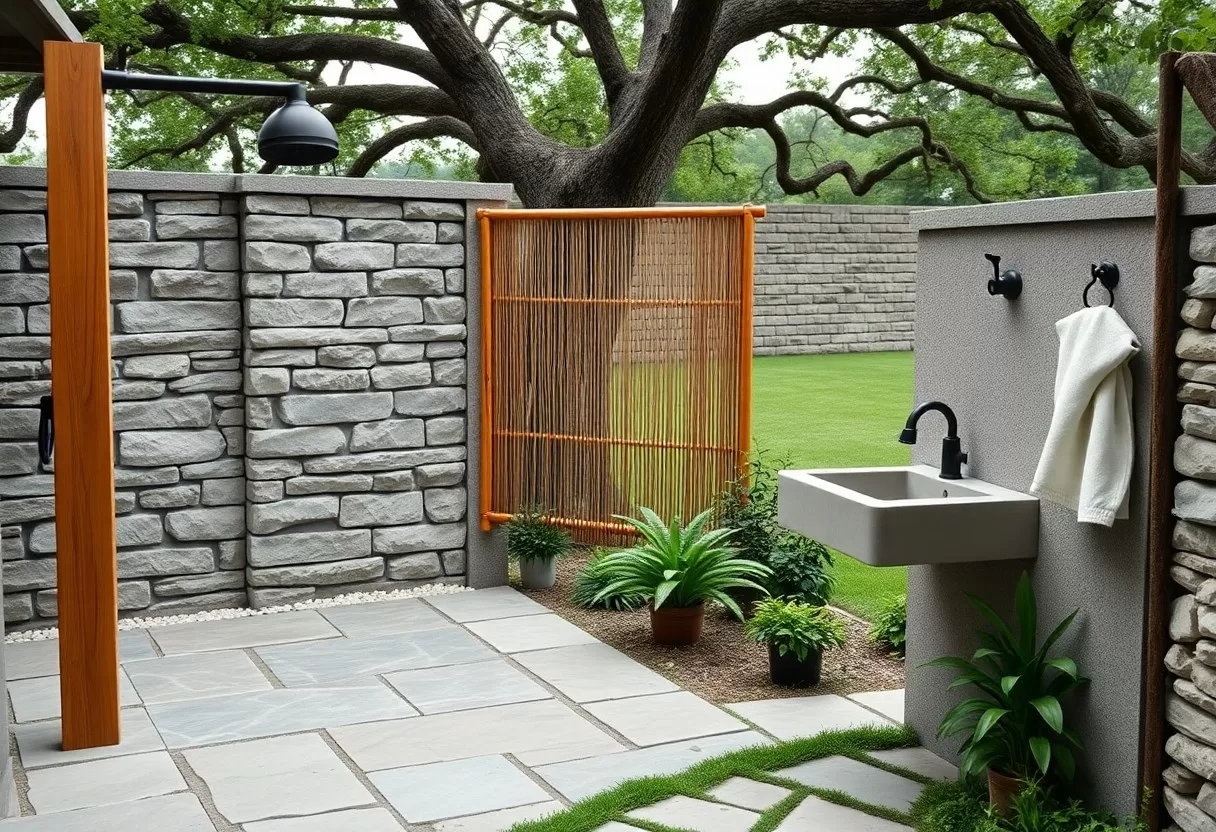
Benefits of Outdoor Showers
Beyond adding charm, you get tangible perks: water savings from quick rinses, an extension of usable living space, and easier cleanup after messy projects or beach days. Using a low‑flow head (~2.5 gpm / 9.5 L/min) keeps rinse times short, while well‑placed drainage and decking cut mud and indoor humidity. You must also plan for freeze damage and slip risk by insulating lines and installing non‑slip surfaces.
Environmental Advantages
You can lower potable water and energy use by pairing low‑flow fixtures with graywater reuse and solar preheat systems. A low‑flow showerhead at 2.5 gpm uses about 9.5 L/min, and solar preheat can reduce water‑heating energy by roughly 30-60% in many climates. Plumbing rinse lines to irrigation and choosing native, drought‑tolerant plants turns rinse water into resource. Check local codes early-permits and filtration requirements often apply.
Personal Well-being
You’ll find outdoor rinses boost mood and recovery: brief cold exposures of 30-90 seconds increase alertness, while warm showers outdoors lower stress and help you disconnect. Athletes and gardeners alike use outdoor showers to cut soreness and speed cool‑downs, and even short daily rituals outside can improve sleep and mental clarity.
For deeper benefit, structure your routine: start with a warm rinse to relax muscles, then a 30-90 second cold finish (athletic contrast therapy often uses 2-5 minutes at ~10-15°C for immersion) to stimulate circulation and reduce soreness. You should prioritize safety-limit cold exposures if you have cardiovascular issues and avoid prolonged immersion to prevent hypothermia risk. Practical steps like thermostatic mixing valves, non‑slip decking, and an accessible towel/robe station make the ritual both restorative and safe for daily use.
Designing Your Outdoor Shower
When laying out your shower, balance privacy, plumbing access and runoff: typical footprints run from 3×3 to 4×6 feet, and placing the unit within 10-15 feet of existing hot-water lines cuts installation costs. Factor a drainage slope of 1/4″ per foot (≈2%), include a thermostatic mixing valve set near 120°F (49°C) to prevent scalding, and plan clear access for maintenance.
Choosing the Right Location
Place your shower where morning sun aids drying but avoid low-lying areas that collect water; siting it within 10-20 feet of exterior plumbing minimizes trenching. Prioritize privacy with screens or plantings, maintain a 3-5 foot buffer from septic fields, and steer clear of trees whose roots can lift decking and create slip hazards.
Materials and Aesthetics
Pick materials built for constant moisture and UV: teak or cedar for natural warmth, composite decking for low upkeep, and exterior‑rated porcelain or natural stone in the wet zone. For fixtures, choose 316 stainless steel in coastal settings and PEX piping with freeze protection; coordinate finishes-black matte, brass or weathered metal-to complement the landscape.
You should specify anti-slip surfaces (tiles with an R11 rating) and seal grout annually; use marine‑grade fasteners and stainless anchors to prevent corrosion. Consider a tankless heater for on‑demand hot water, fit a thermostatic mixing valve to cap temperature at 120°F, and plan winterizing (drain/drainback or freeze‑proof valves) if temperatures drop below freezing.
Outdoor Bathroom Essentials
Outfitting your outdoor bathroom focuses on reliable systems: run a dedicated supply line with GFCI-protected spigots, size drains with a 1/4″ per foot slope to prevent pooling, and choose non-slip surfaces (COF ≥0.6) like textured porcelain or teak decking. You should plan low-voltage LED lighting and ventilation, position shutoffs for winterizing, and route wastewater to an approved sewer or greywater system-improper disposal is dangerous to landscaping and code compliance.
Privacy Considerations
For privacy, install screens 6-8 feet high-solid panels or slatted screens with gaps under 1/2″ block sightlines while allowing airflow. You can combine a 6′ fence with staggered arborvitae planted 3-4 feet on center to achieve screening in 3-5 years, or use cedar or 316 stainless panels for coastal durability. Add a lockable gate and orient fixtures away from neighboring windows; inadequate screening undermines your comfort and can feel dangerous to personal security.
Storage Solutions
Choose waterproof, UV-resistant storage like marine-grade 316 stainless cabinets or teak lockers sized 18-36″ wide and 12-18″ deep for toiletries and chemicals. Incorporate recessed niches (≈12×6″) with sloped bottoms to drain, use louvered doors or ventilation gaps to prevent mildew, and mount towel hooks 48-60″ above decking. A ventilated bench with under-seat storage keeps towels off wet floors and organizes supplies.
Keep hazardous items locked in a small cabinet (~12×12×18″) away from children and pets, and store chlorine or solvents separately to avoid fumes. In coastal installs prioritize 316 over 304 stainless to resist pitting, and raise cabinets 2″ on stainless feet to prevent standing-water damage. You can add silica packets or a solar vent to control moisture, and label containers with UV-proof tags for quick inventory management.
Plumbing and Maintenance
When you install an outdoor fixture, plan for both supply and long-term upkeep: use PEX or copper for durability, fit accessible shutoffs, and favor frost‑proof valves where winters hit. Low‑flow showerheads (about 1.8-2.5 GPM) cut water use versus older 3.0 GPM units. For inspiration on layouts and finishes, see 16 outdoor bathroom ideas for a stylish, tranquil space, and mark service access points clearly to limit repair time.
Water Supply Options
You can tie into a municipal line, a well, or harvest rainwater for nonpotable uses; each needs backflow prevention and local permits. For a single shower, a 3/4″ feed or a pump delivering 10-15 GPM total for multiple fixtures keeps pressure steady. Greywater reuse systems reduce mains demand but require filters and regular inspections to avoid odors and clogs.
Seasonal Care Tips
Winterize by shutting off outdoor valves, draining lines, and storing removable heads indoors; freeze can split pipes and cause costly water damage. Insulate exposed runs with foam or heat tape where freezing is likely, and schedule a post‑winter inspection to catch hairline leaks before they worsen.
- Frost‑proof valves to prevent ice build-up.
- Insulation around pipes and junctions.
- Accessible shutoffs for quick winter drain-down.
- Drainback systems or removable fixtures to avoid trapped water.
Recognizing seasonal vulnerabilities and addressing them before cold spells reduces repair bills and service interruptions.
For more detailed seasonal care, blow out irrigation-style lines or open fixtures until dry before freezing weather, use heated enclosures or heat tape on exposed valves, and replace worn seals annually; propylene glycol-based RV antifreeze is safe for traps when a system will sit empty. You should also inspect joints and fittings each spring: a 1 mm crack can leak several liters a day, so fix small issues early to avoid structural damage and higher water bills.
- Blowout procedures for complete water removal.
- Heat tape and insulated wraps for exposed runs.
- Annual inspections to catch hairline leaks.
- Safe antifreeze for traps in vacant systems.
Recognizing and acting on these maintenance steps preserves function and prevents freeze-related failures.
Enhancing the Outdoor Experience
You can layer materials-teak decking, bluestone pavers, river rock-and add a 3-4 ft pergola for shade while integrating a 2-3 ft shallow basin or 8-10 gpm water feature to mask street noise. Plant native lavender, rosemary, and switchgrass to attract pollinators and cut irrigation needs by up to 50%. Select textured, slip-resistant surfaces and proper drainage to avoid wet-area hazards, and run solar or low-voltage drip irrigation on 20-30 minute cycles for efficient watering.
Adding Nature-Inspired Elements
Use reclaimed teak benches, river-stone foot paths, and a 4-6 ft living wall of ferns and sedums for privacy and biodiversity. Space lavender 18-24 inches apart and ornamental grasses 2-3 ft apart to allow mature form. Install rain chains or copper troughs in place of downspouts for gentle sound, and create a 2-3 inch gravel buffer around shower bases to improve drainage and reduce splashback, lowering maintenance and runoff.
Lighting and Ambiance
Layer lighting with 300-400 lumen path lights, 120-200 lumen step lights, and 2700K wall washers to keep tones warm; you should choose 12V low-voltage LED fixtures rated IP65 for wet areas and aim lights away from neighbor sightlines. Motion sensors add security and dimmers set mood; solar fixtures work well for remote spots but typically provide about 30% less usable lumen output after dusk.
You should install lighting on a GFCI-protected circuit and size the transformer 20-30% above total LED wattage to avoid overload. Use 12AWG for low-voltage runs over 50 ft (16AWG under 25 ft) to limit voltage drop. Select LEDs with CRI≥80 and 2700-3000K for natural skin tones and expect 25,000-50,000 hours life. Mitigate risks by locating fixtures off walking lines and using GFCI protection and outdoor-rated connectors to prevent shock in wet conditions.
Combining Functionality with Style
Blend practical elements-built-in bench, recessed niches, and a thermostatic valve-with aesthetic choices like teak decking or bluestone to create cohesion; place hooks 48-52 inches high and a 3×3 ft footprint for comfortable use. Use a 16 Outdoor Shower Ideas to Use In Your Yard for layout inspiration. Specify 1.5-2.0 GPM heads to save water, and plan for freeze-prone climates by adding an accessible shutoff to avoid burst pipes.
Décor Ideas
You can mix durable textures-teak, stainless, and porcelain tile-with soft accents like outdoor textiles and potted ferns; install warm 3000K LEDs with an IP65 rating and layer 2-3 light levels for safety and mood. Add vertical slats or bamboo screens for privacy and choose stains or sealers rated for UV exposure; a darker matte finish hides mineral streaks while waterproof fabrics prolong comfort.
Eco-Friendly Features
Prioritize water and energy savings by fitting 1.5-2.0 GPM fixtures, routing runoff to a 55-200 gallon cistern, and adding a backflow preventer to meet code; solar preheat systems can supply 50-80% of summer hot-water needs. You should also consider on-demand tankless units to cut standby losses and reduce energy use.
For deeper savings, divert shower greywater to irrigate non-edible landscapes-this can cut household outdoor potable use by about 30-40%; install a gravity diverter, 20-50 micron filter, and a UV or chlorination step where local code requires treatment. You must prevent cross-connections with a certified backflow device and secure permits; contractors report systems typically cost $1,500-$4,000 depending on pumps and controls.
To wrap up
As a reminder, installing an outdoor shower or bathroom transforms your yard into a functional retreat where you can connect with nature while boosting property value and everyday comfort. Plan for proper drainage, weatherproof materials, and privacy, and choose water-saving fixtures and accessible routing to minimize maintenance and environmental impact. With thoughtful design and code-compliant plumbing, you enhance both aesthetics and utility, ensuring your outdoor bathing space serves your lifestyle reliably year after year.
FAQ
Q: How do I design an outdoor shower or bathroom to balance privacy, aesthetics, and functionality?
A: Start by selecting a location that offers natural screening from neighbors and wind, such as near hedges, a fence, or a cluster of trees; orient openings away from sightlines. Plan circulation so the shower entrance, changing area, and any storage are separated and sheltered from prevailing winds and sun at peak times. Choose durable, low-maintenance materials rated for exterior wet conditions-stainless steel or marine-grade fixtures, rot-resistant woods (cedar, teak, or properly treated lumber), concrete, stone, or weatherproof composites. For flooring use slip-resistant decking or textured pavers with a slight slope toward the drain. Provide modesty options like louvered panels, frosted glass, retractable screens, or climbers on trellises to preserve sightlines while keeping the space airy. Integrate lighting for safety and ambiance (warm LED fixtures, pathway lighting, and task lights near mirrors) and plan for storage (hooks, waterproof niches, towel racks) that keep towels and toiletries ventilated.
Q: What should I know about plumbing, permitting, and environmental considerations before installing one?
A: Check local building codes and plumbing regulations early-permits are often required when connecting to potable water, sewer, or altering drainage. Decide whether to tie into the house plumbing, use a separate meter, or install a closed-loop supply like a tankless propane or electric water heater. For wastewater, determine whether the shower can discharge to a vegetated drywell, rain garden, or approved graywater system; some municipalities prohibit direct discharge to the ground or require treatment before entering a septic system. Use outdoor-rated pipes and fixtures (CPVC, PEX, copper, or schedule 40 PVC), include backflow prevention and accessible shutoff valves, and run electrical and plumbing through conduit for future serviceability. If you’re in a freeze-prone area, install frost-proof spigots, run lines below frost depth, or design an easy winterization procedure for draining and insulating lines. Consider low-flow fixtures and solar preheat or a solar water heater to reduce energy and water use, and avoid harsh chemicals that can harm soil and plants.
Q: How do I maintain and weatherproof an outdoor bathroom to keep it safe, sanitary, and long-lasting?
A: Establish a simple maintenance routine: rinse and squeegee walls and floors after use to limit soap scum and algae, clean drains monthly to prevent clogs, and inspect seals, caulking, and grout each season to stop water intrusion. Treat wood annually with appropriate oil or sealer, and use stainless or coated hardware to avoid corrosion. For mold and mildew control, maximize ventilation with open designs, vents, or a small exhaust fan if enclosed; use mildew-resistant finishes and quick-drying textiles. Protect plumbing for winter by draining lines or insulating exposed piping and storing removable heaters indoors. Manage insects by sealing gaps, using screened openings where needed, and positioning plants that deter pests a short distance away. For safety and accessibility, add non-slip surfaces, grab bars, and level transitions; keep lighting on timers or motion sensors. Plan periodic checks on water heaters, backflow devices, and filters to extend equipment life and maintain performance.