
Building With Nature – Mycelium Bricks and Other Bio‑Materials That Could Transform Architecture
It’s important to explore innovative construction materials like mycelium bricks that harness nature’s power to transform your architectural designs. These sustainable alternatives not only reduce environmental impact but also offer unique benefits such as natural insulation and biodegradability. By integrating such bio-materials into your projects, you contribute to a greener future, aligning your work with modern sustainability goals while challenging traditional building practices.
Key Takeaways:
- Mycelium bricks are sustainable building materials that utilize the root structure of fungi, offering an eco-friendly alternative to traditional materials.
- Bio-materials reduce carbon footprints by sequestering carbon dioxide during their growth process.
- These materials can be produced locally, decreasing transportation emissions and supporting local economies.
- Mycelium bricks exhibit natural insulation properties, which can improve energy efficiency in buildings.
- The development of bio-materials encourages innovation in architecture, inspiring new designs and construction techniques.
Understanding Mycelium
Mycelium, the vegetative part of fungi, is a complex network of thread-like structures called hyphae. You may not see it, as it predominantly exists underground, but it plays a vital role in nutrient cycling and ecosystem health. Its fibrous nature gives it exceptional strength and flexibility, making it an ideal candidate for innovative building materials. As you investigate into its potential, consider how this natural wonder can revolutionize your approach to construction.
The Biology of Mycelium
The biology of mycelium revolves around its growth patterns and symbiotic relationships. Consisting of vast networks of hyphae, it thrives in diverse environments, breaking down organic matter into imperative nutrients. This adaptability allows mycelium to flourish on various substrates, including agricultural waste, which you can leverage for sustainable building solutions. Its decomposition processes not only enhance soil fertility but also combat harmful pathogens.
Mycelium’s Role in Eco-Friendly Construction
Mycelium emerges as a standout option in eco-friendly construction, offering a sustainable alternative to traditional materials. By utilizing agricultural byproducts, you can significantly reduce waste and energy consumption while harnessing the mycelium’s natural insulation properties. With a carbon footprint far lower than concrete, mycelium bricks can contribute to a significant decrease in greenhouse gas emissions in the construction industry. Some innovators have even demonstrated that mycelium-based structures can be fully biodegradable, further enhancing their appeal as a sustainable building material.
By prioritizing mycelium in construction, you tap into an extensive array of benefits that go beyond just material properties. Research indicates that mycelium can outperform conventional materials in various aspects, such as thermal insulation and fire resistance. For example, a study demonstrated that mycelium insulation could outperform EPS foam in energy efficiency. Moreover, incorporating mycelium into your projects means reducing the reliance on fossil fuels and harmful chemicals, promoting a circular economy. As you explore these materials, consider the holistic impact on both the environment and human health, paving the way for a sustainable future in architecture.
Advantages of Mycelium Bricks
Mycelium bricks present a range of advantages that can revolutionize your approach to sustainable architecture. They are not only eco-friendly but also versatile, lightweight, and capable of self-repairing, making them suitable for various applications. As you consider innovative building solutions, these bio-materials offer unique benefits that traditional materials struggle to match.
Sustainability Benefits
As far as sustainability, mycelium bricks stand out due to their biodegradable nature and the minimal energy required for production. Utilizing agricultural waste as a substrate, they reduce landfill waste and promote a circular economy. By choosing mycelium bricks, you contribute to lowering greenhouse gas emissions and fostering a healthier planet.
Strength and Durability
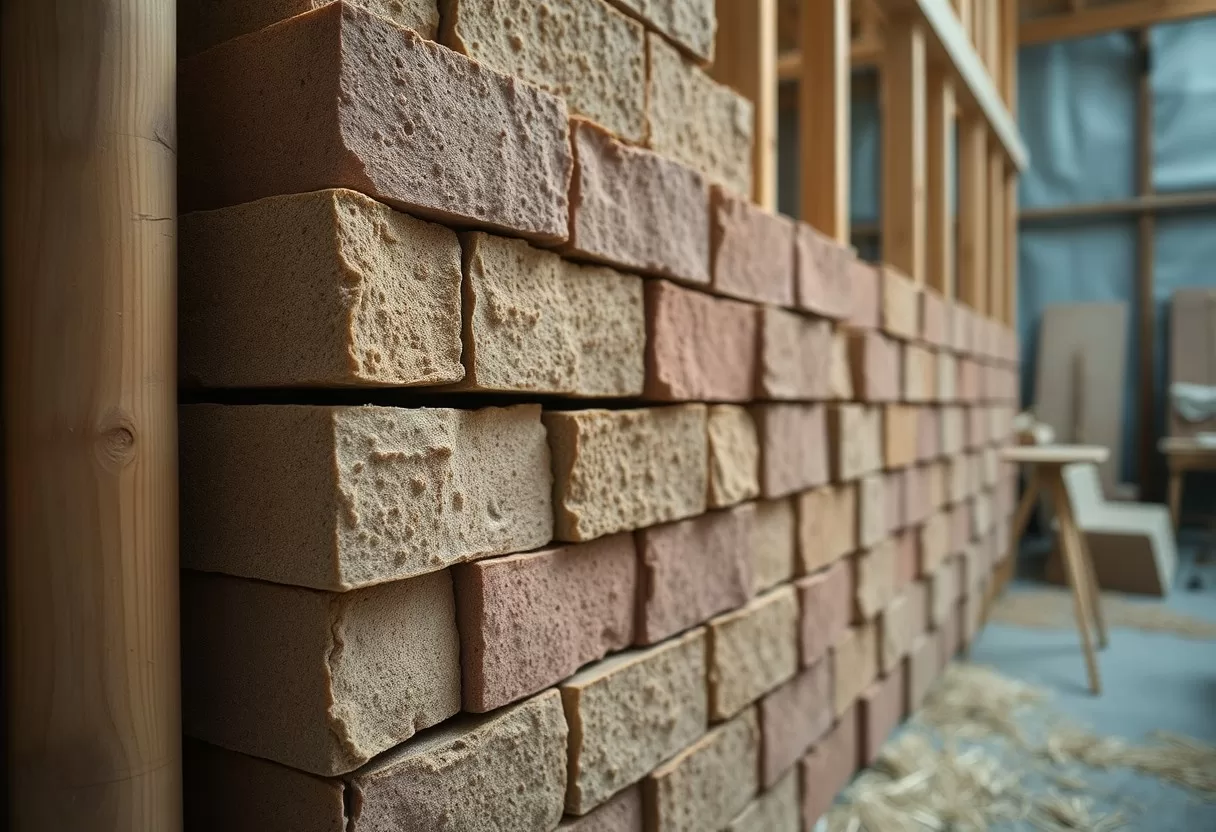
Mycelium bricks are remarkably strong and durable, rivaling conventional materials like concrete. Their compressive strength can reach up to 2000 psi, making them suitable for structural applications. Additionally, they possess natural resistance to fire and pests, ensuring longevity in various environments.
In fact, studies have shown that mycelium can endure extreme conditions, outperforming some traditional materials in specific contexts. The interconnected network of hyphae within mycelium bricks enhances their structural integrity, allowing for the development of lightweight yet resilient structures. As you explore building options, consider that mycelium’s inherent properties allow for innovative designs that do not compromise on strength or safety, providing a viable alternative for your projects.
Other Bio-Materials in Architecture
Bio-materials are radically reshaping the architectural landscape, providing sustainable alternatives that minimize environmental impact. Alongside mycelium, materials like hempcrete and recycled plastics offer impressive benefits in construction. To explore further into mycelium’s role, check out From Fungi to Foundations: Mycelium in construction.
Hempcrete
Hempcrete is a remarkable material created from hemp fibers and lime, offering significant insulation properties. Its lightweight nature allows for easy handling while also being fire-resistant and carbon-negative. You’ll find that hempcrete not only helps regulate humidity indoors but also contributes positively to the environment by sequestering carbon throughout its lifecycle.
Recycled Plastics
Recycled plastics are making waves in the building industry by transforming waste into durable construction materials. As you utilize these non-biodegradable plastics, you actively participate in reducing landfill waste and promoting a circular economy. Innovations include plastic lumber and insulation, which significantly cut down on energy costs while enhancing structural integrity.
Recycled plastics provide versatility in construction; products made from these materials can mimic traditional building components while offering enhanced durability and resistance to moisture. Studies show that using recycled plastics can significantly reduce the carbon footprint of buildings. Furthermore, companies are constantly developing new processes to incorporate higher percentages of recycled content, increasing the attractiveness of these materials for sustainable architecture.
Innovative Applications of Bio-Materials
Exploring innovative applications of bio-materials reveals their potential to revolutionize construction. From mycelium bricks to organic insulation derived from plants, these materials offer sustainable options for your architectural projects. For additional insights, check out Nature-based Solutions: Top 6 Mycelium Building Materials. Designers are increasingly adopting these resources, which promise lower carbon footprints and enhanced adaptability in various climates.
Case Studies in Sustainable Design
Several groundbreaking case studies showcase the efficacy of bio-materials in sustainable architecture. The use of mycelium in these projects demonstrates both environmental stewardship and structural integrity.
- Wavelengths: A mycelium-based structure that reduced carbon emissions by 60% compared to conventional building materials.
- Urban Fungi: A community project in which mycelium panels were used as insulation, resulting in a 40% energy savings over a year.
- Mushroom House: Featuring walls built from mycelium composites, this project illustrates a 30% reduction in waste during construction.
- Green Roof System: Implemented using bio-materials, contributing to improved air quality and a 50% decrease in stormwater runoff.
Future Trends in Bio-Architecture
Looking ahead, future trends in bio-architecture are paving the way for smarter, more sustainable buildings. The integration of materials like mycelium and plant-based composites will dominate the market, driven by advancements in nanotechnology and biotechnology. As regulatory pressures for sustainability increase, you can expect an uptick in collaborative design approaches, where architects, scientists, and ecologists work together to create resilient structures that harmonize with their environments.
Challenges and Limitations
While mycelium bricks and other bio-materials offer exciting possibilities, they also face significant challenges and limitations that must be addressed. Key hurdles include issues of durability compared to traditional building materials, market acceptance, and the scalability of production processes.
Market Acceptance
Despite their environmental benefits, market acceptance remains a barrier. Many architects and builders are hesitant to adopt mycelium bricks due to unfamiliarity and perceived risks regarding their performance and longevity. Educating the industry about the advantages of bio-materials is crucial to encourage broader implementation.
Production Scalability
Scaling up the production of mycelium bricks presents logistical challenges. Current manufacturing processes are often artisanal and small-scale, making them unsuitable for large construction projects. This bottleneck limits your ability to meet demand and fully capitalize on the potential market.
To address production scalability, investments in technology and infrastructure are necessary. Developing automated cultivation methods, for example, could enable you to produce large quantities of mycelium bricks more efficiently. Innovations such as optimized growth conditions or bioreactor systems can significantly reduce production time and cost, making these materials more competitive with conventional alternatives. As the industry matures, partnerships between researchers and manufacturers can pave the way for sustainable growth in bio-material production, ultimately expanding their availability in the construction market.
The Future of Building with Nature
The future of architecture lies in its ability to seamlessly integrate with the ecosystem, utilizing bio-materials like mycelium bricks and recycled biomasses. This evolution marks a shift from conventional materials to a more sustainable approach, where buildings not only minimize environmental impact but also contribute positively to their surroundings. As technology and research advance, you can expect to see innovative solutions that elevate both performance and aesthetic appeal within architectural design.
Potential Environmental Impact
Leveraging bio-materials could significantly reduce carbon footprints by lowering greenhouse gas emissions and facilitating more efficient waste management. For instance, mycelium has the potential to sequester carbon during its growth, while natural materials like hemp and bamboo offer renewable alternatives to depleting resources. This transition could redefine construction practices and result in a more sustainable built environment.
Integrating Bio-Materials into Mainstream Construction
To integrate bio-materials into mainstream construction, you need to rethink design methodologies and embrace new building codes that encourage sustainability. The adoption of regulations supporting bio-based materials, alongside educational initiatives for architects and builders, will facilitate this transition. Collaborative efforts among stakeholders—manufacturers, designers, and policymakers—can promote innovation and practical application of these materials within the industry.
Integrating bio-materials into mainstream construction involves establishing a framework that encourages experimentation and acceptance within the industry. Your engagement with local governance is crucial for updating building codes to embrace innovative materials, while educating construction professionals on their benefits can spark interest and investment. Case studies showcasing successful projects, such as the Eden Project in the UK, highlight feasibility and function, inspiring broader adoption. Additionally, economic incentives for developers who utilize sustainable solutions could streamline integration, making the use of mycelium and other eco-friendly materials a standard practice rather than an exception.
To wrap up
Ultimately, embracing mycelium bricks and other bio-materials in your architectural projects can lead to sustainable innovation, reducing environmental impact while enhancing structural capabilities. These materials not only offer a renewable alternative to traditional construction but also inspire a more harmonious relationship with nature. By integrating such technologies, you can contribute to a transformative shift in the industry, paving the way for a future where your buildings are both functional and eco-friendly.
FAQ
Q: What are mycelium bricks and how are they made?
A: Mycelium bricks are building materials created from the root structure of mushrooms, known as mycelium. They are made by combining agricultural waste with mycelium, which grows and binds the materials together. Once the mixture is fully formed, it is heat-treated to stop growth and create a durable product.
Q: What are the environmental benefits of using bio-materials like mycelium in construction?
A: Bio-materials such as mycelium are renewable, biodegradable, and have a lower carbon footprint compared to traditional building materials. They help reduce waste by utilizing agricultural byproducts and can sequester carbon during their growth process, contributing to sustainable building practices.
Q: How do mycelium bricks compare in strength and insulation to conventional materials?
A: Mycelium bricks exhibit competitive compressive strength and are lightweight, making them suitable for various applications. They also offer good thermal insulation properties, which can enhance energy efficiency in buildings by reducing heat loss and providing a natural alternative to conventional insulation materials.