
Heritage Restoration – Updating Historic Homes with Modern Comfort
Many owners find that restoring a historic home lets you retain character while upgrading systems; you must prioritize hiring a qualified preservation specialist to balance authenticity and code compliance, and address hazards like lead paint, asbestos, and structural rot safely; smart interventions deliver modern comfort, energy efficiency, and increased property value without erasing original details, and your informed choices will protect both the building and your investment.
Key Takeaways:
- Balance preservation with modern comfort by protecting character‑defining features while upgrading systems (HVAC, electrical, insulation) in a sympathetic, minimally invasive way.
- Choose compatible, reversible materials and methods to avoid damage; prioritize energy efficiency, moisture control, and historic‑preservation best practices.
- Plan in phases with heritage specialists, allow contingency budget for hidden issues, secure necessary permits, and keep thorough documentation for future conservation.
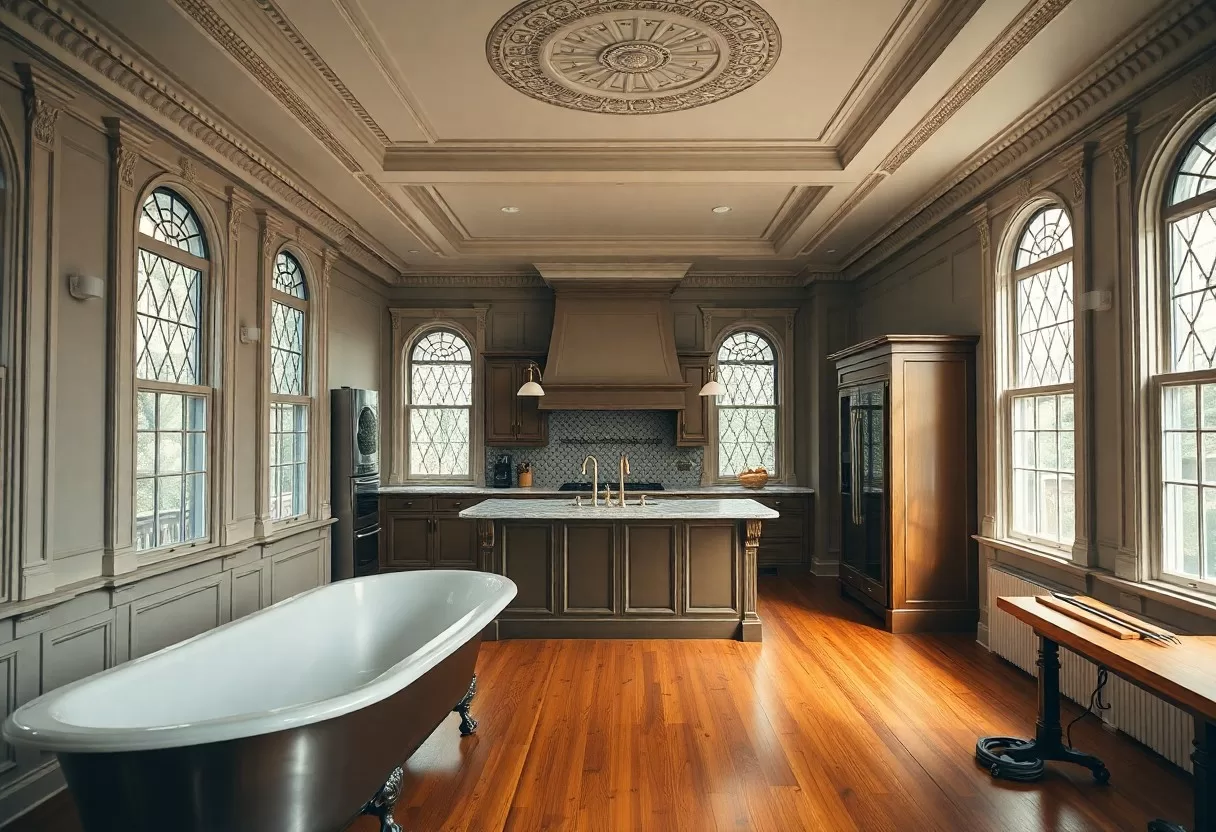
Understanding Heritage Restoration
When planning interventions you focus on conserving character‑defining fabric while integrating modern systems like discreet HVAC, upgraded electrical, and insulation that meet current codes. Practical examples include converting an 1880s Victorian rowhouse with concealed mini‑split heat pumps and lime‑mortar repointing to avoid masonry damage. You must weigh risks such as lead paint and asbestos removal against benefits like energy savings up to 30% and access to incentives such as the 20% federal historic rehabilitation tax credit.
Definition and Purpose
Heritage restoration for you means repairing and adapting historic buildings to extend their life while protecting defining features; the emphasis is on repair over replacement. Standards like the Secretary of the Interior’s guidance and local conservation policies steer choices-use matching materials (lime mortar, timber joinery) and reversible upgrades where possible. You aim to keep authenticity while bringing comfort and safety in line with modern expectations.
Historical Significance
Significance is judged by age, architectural merit, rarity, association with events or people, and intactness; examples range from a 1920s Art Deco cinema to a nineteenth‑century mill. When you identify listing or designation status (National Register, Grade II, local landmark) it immediately affects consent processes, allowable changes, and funding eligibility.
Research draws on archival records, historic maps, physical fabric analysis and sometimes dendrochronology or paint stratigraphy to date elements; you can commission a conservation plan that documents significance and sets treatment priorities. That documentation not only guides sensitive interventions but also unlocks grants and tax incentives-note that protected listing both limits alterations and opens funding routes, so thorough research yields better outcomes and fewer regulatory surprises.
Benefits of Modernizing Historic Homes
You gain tangible advantages when you blend preservation and upgrades: improved energy performance, safer systems, and stronger market appeal. For example, installing insulation and efficient HVAC can deliver energy savings up to 30%, while careful conservation protects your home’s character. Explore practical case studies at Restoring Historic Homes To Meet Today’s Needs.
Enhancing Comfort and Functionality
You can significantly improve livability by replacing knob‑and‑tube wiring, adding zoned HVAC, and fitting high‑performance or triple‑glazed windows while preserving sightlines. Upgrading to zoned controls and smart thermostats often cuts heating and cooling bills by 10-30%, and thoughtful placement of ductless systems keeps original moldings and plaster intact.
Increasing Property Value
You’ll see measurable returns when sensitive upgrades meet market expectations: modernized systems, documented restorations, and better energy ratings commonly translate to a 10-20% resale premium in many neighborhoods. Buyers pay a premium for homes that retain historic character but offer contemporary comfort and code‑compliant systems.
To maximize that premium, document every intervention with permits, conservation reports, and before/after photos so appraisers can quantify improvements; targeted investments-seismic bracing, new plumbing, efficient HVAC, and restored facades-deliver the highest ROI. Avoid incompatible materials or stripping character‑defining features, which can reduce value, and pursue local preservation incentives, grants, or rehabilitation programs to further increase appeal and net return.
Key Considerations in Restoration
Assess building fabric and services immediately, mapping character‑defining elements such as cornices, sash windows, and original floorboards with measured drawings and high‑res photos. You prioritize structural stability, weatherproofing, and service upgrades in that order; for example, addressing a failing roof on an 1880s rowhouse often prevents masonry spalling and saves >50% of external fabric versus delayed intervention. Also test for hazards (lead paint, asbestos) early to avoid costly stoppages.
Maintaining Architectural Integrity
You favor repair over replacement, conserving original materials whenever possible and using like‑for‑like techniques-epoxy consolidation for decayed timber, matched lime mortar (commonly a 3:1 sand:lime ratio) for historic brickwork, and CNC‑cut mouldings to replicate profiles. In a 1902 Craftsman retrofit, salvaging and repairing the original fir sash preserved pattern and reduced costs by ~30% compared with full replacement, while keeping the building’s visual rhythm intact.
Compliance with Preservation Guidelines
You must align interventions with local conservation rules and national standards such as the Secretary of the Interior’s Standards (US) or equivalent; obtain permits, conservation officer sign‑off, and conservation area consents where applicable. Common constraints include limits on exterior alterations, demolition, and visible insulation; plan for review timelines of roughly 4-12 weeks to avoid programme delays and fines for non‑compliance.
Provide a Heritage Impact Assessment, measured drawings, sample panels, and detailed method statements as part of applications; you should include paint analysis, material specifications, and hazardous‑materials reports. Engage a conservation architect early and request a pre‑application meeting to streamline approvals. If pursuing tax credits or grants, expect audits requiring invoices and photographic records-keeping thorough documentation often determines eligibility for financial incentives.
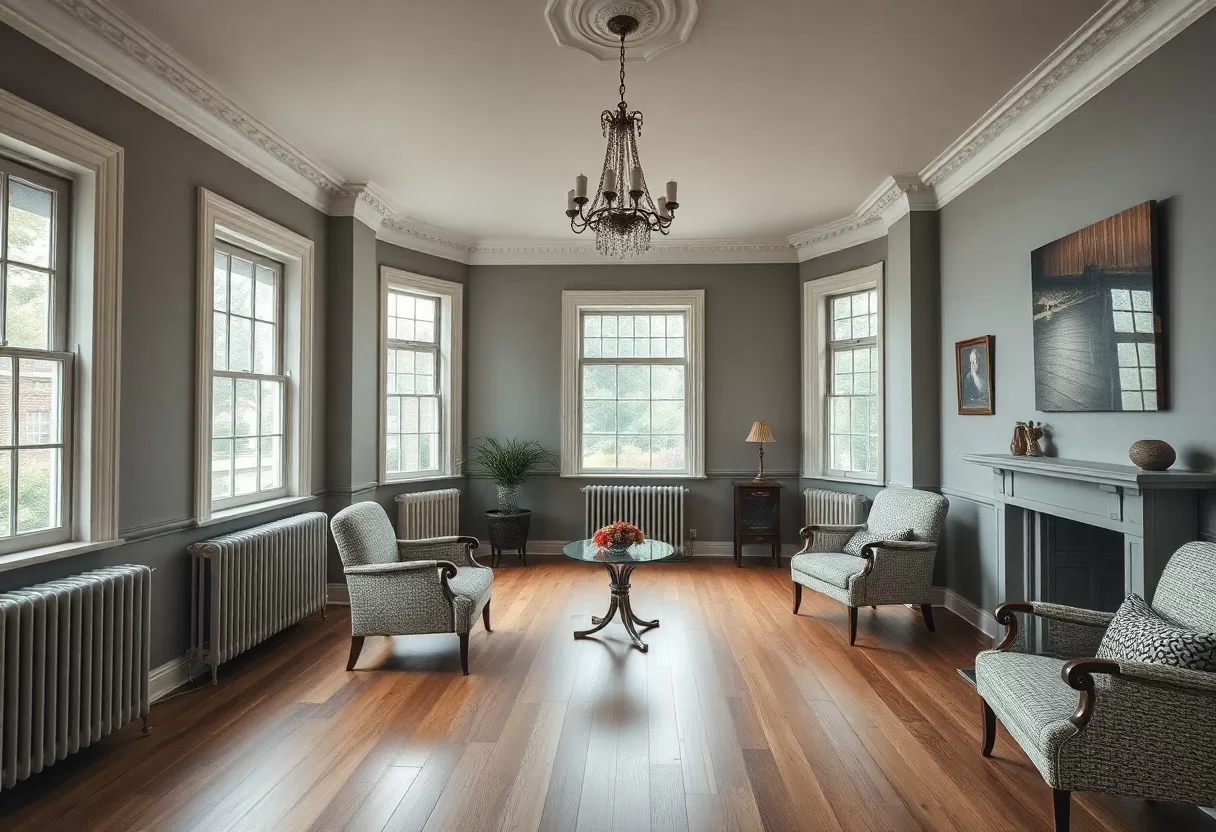
Sustainable Practices in Restoration
You prioritize materials and interventions that lower embodied carbon while preserving original fabric: salvaging brickwork, reusing sash windows, and choosing lime mortar often cut replacement waste by over 50%. Retrofitting insulation, rainwater harvesting, and green roofs can reduce operational energy and runoff; for example, modest insulation upgrades commonly lower heating demand by 20-40%. Integrate lifecycle thinking so your upgrades both conserve heritage and reduce long‑term environmental impact.
Eco-Friendly Materials
You specify reclaimed timber, FSC-certified wood, lime mortars, and low‑VOC finishes to match original fabric while lowering impact; reclaimed bricks and joinery can cut embodied carbon by more than 50% versus new production. Choose recycled glass or composite surfaces in kitchens and paints with VOCs under 50 g/L for healthier interiors. Salvage from local deconstruction also reduces transport emissions and preserves authentic patina and tooling marks.
Energy Efficiency Upgrades
You combine draught‑proofing, targeted insulation and services upgrades: add loft insulation, underfloor insulation where reversible, and consider secondary glazing or heritage‑style double glazing. High‑efficiency heat pumps with seasonal COPs of 3-4 or condensing boilers at ~90% AFUE can cut heating bills substantially, while smart controls typically save around 10-15% on energy use. Prioritize reversible measures that retain character.
You must weigh internal versus external insulation carefully: internal preserves the streetscape but reduces room depth and can shift the dew point. Use breathable materials-lime plaster, wood‑fibre insulation-and ensure adequate ventilation; otherwise trapped moisture can cause rot and salt migration, damaging historic fabric. Consider MVHR for controlled ventilation with heat recovery up to 90%, and deploy thermographic surveys and air‑tightness testing to target works and avoid unintended harm.
Case Studies of Successful Restorations
Across several projects you can see how heritage restoration and modern comfort coexist: interventions preserved character while cutting energy use 25-60%. Detailed outcomes show budgets ranging from £420k to $2.1M, paybacks of 6-14 years, and recurring themes like lime mortar repointing, retained sash windows with secondary glazing, and measured energy savings that validate sensitive upgrades.
- Barton House (UK, Grade II) – 1820 townhouse; 2018-2020; cost £420,000; 320 m²; works: structural timber repair, lime mortar repointing, insulated attic with breathable membrane; achieved 38% heating reduction and 10‑year payback on mechanical upgrades.
- Maple Street School (USA) – 1906 brick school converted to 18 apartments; 2016-2019; cost $2.1M; 1,800 m²; interventions: retained facades, new central heat pump, added internal insulation where reversible; operational energy down 45%, vacancy rate <5% first year.
- Villa Almeida (Portugal) – 1910 manor restoration; 2019-2021; cost €750,000; 600 m²; works: geothermal heat, underfloor heating, restored plaster, bespoke hardwood sash replacements; heating demand cut by 60% and indoor humidity stabilized within target range.
- Old Mill Inn (Australia) – 1885 mill to 25‑room hotel; 2017-2018; cost AUD 1.2M; heritage fabric retained, secondary glazing and upgraded service distribution installed; achieved 30% operational energy reduction and full guest capacity recovery in 2 seasons.
- Rowley Terrace (Canada) – six Victorian terraces retrofit; 2020-2022; combined cost CAD 950,000; works: improved airtightness (average 2.8 ACH→1.5 ACH), sash window retention with internal glazing, mechanical ventilation with heat recovery; average energy savings 35%, projected 12‑year simple payback.
Notable Projects
Several standouts illustrate tradeoffs: in one project structural rot discovered in 30% of timber elements increased costs by 22%, while another achieved a 50% reduction in gas use by pairing fabric upgrades with a 10 kW heat pump; you see that targeted modern systems plus careful conservation consistently deliver measurable comfort and carbon benefits.
Lessons Learned
You should budget a 15-30% contingency for hidden defects, prioritize an early fabric survey, and phase works to protect original fabric; sites that used continuous monitoring reported 20-50% better performance than modeled, reinforcing the value of post‑occupancy tuning.
More practically, you need to engage conservation officers early, specify breathable materials (e.g., lime and natural insulation), and set measurable targets-air tightness, humidity, and energy use-so you can validate savings and adjust systems; these steps reduce risk and protect both heritage and occupant comfort.
Resources for Homeowners
Consult curated guides like 9 Essential Ideas for Renovating an Old House in 2025 to build a phased plan: inspection, stabilization, systems upgrade, then finishes. You should pair those ideas with local preservation offices and a condition survey; addressing moisture and foundations first can save 10-30% on downstream repair costs and prevent hazardous-material exposure.
Grants and Financial Assistance
Tap federal and state programs: the Federal Rehabilitation Tax Credit covers 20% for certified historic, income-producing properties, while state/local grants or matching funds often range from $5,000-$50,000 depending on program. You must apply before work begins and follow the Secretary of the Interior’s Standards for eligibility, so factor pre‑approval time into your project schedule.
Professional Services and Expertise
Hire a preservation architect and a licensed structural engineer for changes to load‑bearing elements, and use abatement specialists for lead/asbestos; preservation architects typically charge 8-15% of construction costs but reduce permit delays and incorrect interventions. You should also engage an HVAC contractor experienced with historic retrofits to avoid oversized systems that damage original fabric.
Vet candidates by reviewing past projects, requesting references, and confirming certifications (APT membership, state contractor license, EPA lead renovator training). Ask for a phased scope, fixed-fee drawings for permitting, and a contingency plan for latent conditions; in many restorations, early investment in a thorough conditions survey and staged drawings cuts unexpected change orders by over 50%.
To wrap up
With this in mind, you can preserve the character of your historic home while integrating modern comfort-prioritize reversible, minimally invasive upgrades, use compatible materials, upgrade systems for safety and efficiency, and document changes; work with conservation professionals and your local heritage authority so your interventions respect original fabric and increase long-term value, allowing you to enjoy contemporary living without sacrificing the home’s story.
FAQ
Q: How can I modernize HVAC, electrical and plumbing systems in a historic home without damaging original features?
A: Start with a thorough condition assessment by specialists experienced in historic buildings. Prioritize non‑invasive routing: use existing chases, basements, attics and service voids, or run new lines in closets and behind built‑ins. Consider ductless mini‑splits or high‑efficiency hydronic systems to minimize large ductwork; use small, strategically placed vents and discrete grilles that match interior profiles. For electrical upgrades, plan for full rewiring where needed but conceal wiring in surface raceways finished to match trim when cutting into plaster or moldings would be destructive. For plumbing, cluster new bathrooms near existing stacks to limit piping runs, and use flexible connectors and manifold systems to reduce invasive work. Document all interventions, make changes reversible where possible, and consult local conservation officers early to align upgrades with regulatory requirements.
Q: What are effective ways to improve thermal comfort and energy efficiency while preserving historic character?
A: Improve thermal performance by targeting heat loss areas first: attic insulation, air sealing around windows and doors, and insulating accessible floor cavities. Use breathable insulation materials appropriate for older masonry walls (e.g., mineral wool, hemp, or calcium silicate where needed) or consider cavity‑fill techniques that avoid damaging plaster. Secondary glazing or high‑performance storm windows can significantly reduce heat loss without replacing original sashes. Add discreet draught proofing around windows and doors, and upgrade thermostats and controls for zoned heating. Avoid impermeable materials that trap moisture against historic fabric; consult a conservation engineer or specialist to manage vapor profiles and avoid creating condensation problems. Combine improvements with low‑impact renewable options (solar hot water, rooftop PV sited sensitively) where permitted.
Q: How do I introduce modern kitchens, bathrooms, accessibility and smart home features while maintaining the home’s historic aesthetics?
A: Plan interventions to minimize loss of character‑defining elements: place new kitchens and baths in less significant rooms or where past alterations already exist, so major historic rooms remain intact. Use bespoke cabinetry and hardware that references period proportions while accommodating modern appliances and service runs hidden in plinths or behind false panels. For accessibility, design ramps, lifts and widened openings to be as reversible and visually compatible as possible; locate handrails and lighting to be low‑impact. Integrate smart tech using wireless devices and conceal wiring in existing cavities or nonhistoric trim. Coordinate with conservation guidelines and obtain any necessary approvals; work with contractors who understand making reversible, sympathetic alterations and build a contingency into your budget for unforeseen repairs uncovered during work.