
How to Mix Patterns and Textures for a Stylish Interior
Many homeowners struggle with the art of mixing patterns and textures, fearing it might lead to a chaotic or mismatched decor. However, with the right approach, you can create a harmonious and visually striking space. Start by selecting a color palette that ties your pieces together, then experiment with varying scale and texture to add depth and interest. The balance between bold patterns and subtle textures can transform your interior into a stylish haven that reflects your unique personality. Let’s explore the necessarys of achieving this chic décor effortlessly.
Key Takeaways:
- Choose a color palette: Select a cohesive color scheme that will tie different patterns and textures together seamlessly.
- Vary the scale: Use a mix of large and small patterns to add depth and visual interest, ensuring they complement rather than compete with each other.
- Incorporate solids: Balance busy patterns with solid colors to provide a visual break and maintain harmony in the space.
- Experiment with different textures: Combine materials such as fabrics, wood, metal, and glass to create a layered look that feels rich and inviting.
- Consider the space: Tailor your mix of patterns and textures to the scale and function of the room, ensuring that the overall design enhances the ambiance.
The Art of Balancing Colors and Patterns
Finding the right balance between colors and patterns creates a cohesive and inviting space. Start by establishing a dominant color that will anchor your design. Then, introduce additional colors in your patterns, ensuring they complement rather than clash. Utilizing a color palette of three to five hues keeps your decor visually appealing without overwhelming the senses. Incorporate different patterns in the same color family to maintain a sense of unity while showcasing your unique style.
Color Theory Essentials for Pattern Mixing
Understanding basic color theory is necessary for effective pattern mixing. Utilize complementary colors, which sit opposite each other on the color wheel, to create vibrant contrasts. Alternatively, analogous colors found next to each other create serene and harmonious designs. By leveraging these combinations, you can ensure your patterns pop without overpowering the overall aesthetic.
Harmonizing Patterns: Scale and Contrast
To achieve a dynamic yet balanced arrangement, consider the scale and contrast of your patterns. Mixing small-scale patterns with larger ones adds depth and visual interest while preventing chaos in your design. Aim for a mix that incorporates at least one large, eye-catching pattern alongside mid and small-scale patterns to create an engaging visual dialogue throughout your space.
For example, pairing a large floral print for drapes with smaller geometric shapes on throw pillows creates depth and balance. This technique stops the décor from feeling flat, capturing attention while ensuring everything flows cohesively. The relationship between scales should reflect a hierarchy; larger patterns often demand attention, while smaller patterns can serve as subtle complements. This thoughtful mix allows you to build a layered, stylish room that feels intentional and curated.
Layering Textures for Depth and Interest
Combining various textures adds depth and interest to your space, transforming flat surfaces into dynamic visuals. Start by layering different materials like soft linens, plush velvets, and woven rattan. This rich blend creates an inviting atmosphere. For instance, pairing a chunky knit throw with a smooth leather sofa immediately elevates the overall aesthetic. You can also incorporate natural elements such as wood and stone to enhance the tactile experience. The key is to create a balanced arrangement so that no single texture overpowers the others, allowing your unique style to shine.
Choosing Complementary Textiles
Seek out textiles that harmonize with each other in both color and texture to create a cohesive look. Fabrics like organic cotton, silk, and jute can come together beautifully if they share a similar color palette, warm or cool tones, or undertones. For example, pairing soft greys with warm cream in your upholstery and cushions can lead to a sophisticated yet inviting feel. Don’t shy away from experimenting; swatch samples together to envision the full effect before making your final decisions.
Creating Visual Cohesion Through Texture
Visual cohesion is key in achieving a stylish interior while mixing textures. Aim for a balance that creates a sense of unity within your space. Incorporate repeating textures subtly, such as having a rough-hewn wooden coffee table, a jute rug, and linen curtains—all sharing organic profiles. This creates an underlying theme that ties the room together without appearing overly matched. Using varying patterns within a unified color scheme can amplify this effect, making the room feel curated and thoughtfully designed instead of chaotic.
To enhance visual cohesion, consider the flow of your textures throughout the room. For instance, if your sofa features a plush velvet fabric, introducing throws or cushions in both that same velvet and a contrasting texture, like a smooth cotton, helps maintain interest while echoing the rich feel of the sofa. Utilize this approach strategically across your furnishings and décor; selecting pieces that embrace the same visual language fosters a seamless connection, inviting harmony in your interior while showcasing your personal style.
Creating Focal Points with Bold Patterns
Bold patterns can transform any room into a striking visual experience, drawing the eye and anchoring your design. Integrating a statement piece, such as a vibrant area rug or an oversized piece of artwork, serves not only as a beautiful point of interest but also a springboard for surrounding elements. By carefully selecting these impactful patterns, you encourage fluid movement across the space, inviting conversation and admiration.
Selecting Statement Pieces
Choose statement pieces that resonate with your personal style and create excitement. A geometric-patterned sofa, an ornately patterned throw, or even an eye-catching accent wall can serve as the center of attention. Opt for pieces that advocate for contrast and vibrancy, ensuring they don’t overwhelm but rather complement the existing decor. The goal is to make a statement without losing harmony in your overall design.
Strategically Placing Patterns for Maximum Impact
The placement of bold patterns plays a pivotal role in their effectiveness. Position larger patterns at eye level to create visual impact, while smaller patterns can be used near the ground or in accessories to support them. This thoughtful arrangement ensures your space feels balanced and intentional, guiding the viewer’s gaze seamlessly throughout the room.
To maximize the impact of bold patterns, consider the flow of the room. For instance, if you have a striking patterned sofa, position it against a neutral wall to make it pop, while surrounding it with more subtle accessories that echo the pattern’s color palette. Additionally, use similar patterns in different scales throughout the area, such as a large floral print combined with smaller prints in cushions or artwork. This layering creates unity, drawing attention to your focal point while maintaining an organized and inviting feel.
Avoiding Common Pitfalls in Pattern Mixing
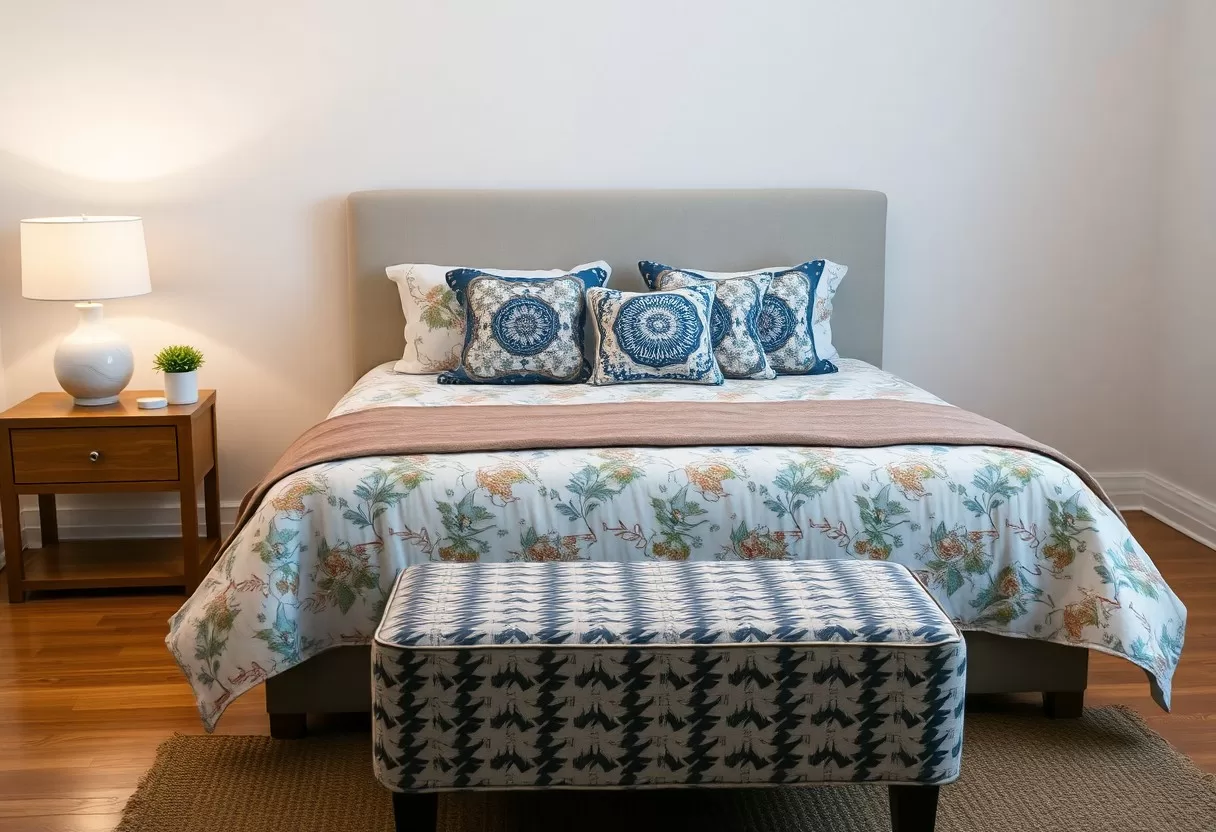
Navigating the world of pattern mixing can be daunting, but being aware of common pitfalls can elevate your design game. Start by avoiding overwhelming patterns in close proximity, as this can create visual chaos. A well-thought-out approach maintains a sense of balance; less is often more when it comes to mixing. Pay attention to scale and color harmony to prevent your space from feeling disjointed or cluttered, ensuring everything flows smoothly together.
Overmatching vs. Thoughtful Clashing
Overmatching can lead to spaces that feel stagnant and uninspired. Instead, embrace thoughtful clashing, where contrasting patterns and colors work together to create excitement and visual interest. For instance, pairing large geometric prints with delicate florals can provide a jolt of energy to your room, making it feel more dynamic and inviting.
Maintaining a Cohesive Style Narrative
A cohesive style narrative is about weaving a story throughout your space. This involves selecting patterns and textures that, while diverse, all echo a common theme or aesthetic. For example, if your style leans bohemian, choose textiles that showcase rich colors and eclectic designs, while ensuring they share similar tones or motifs to tie everything together seamlessly.
Establishing a cohesive style narrative allows each element in your design to speak to one another. Consider the emotional impact you want your space to evoke. If you want a relaxed and inviting atmosphere, choose soft textures with earthy colors that complement your patterns. You might use tribal prints alongside muted, natural hues, ensuring each piece enhances the overall vibe. This strategy fosters harmony, inviting your guests to enjoy the experience of moving through your well-curated interior without feeling overwhelmed by conflicting visuals.
Transformative Techniques for Small Spaces
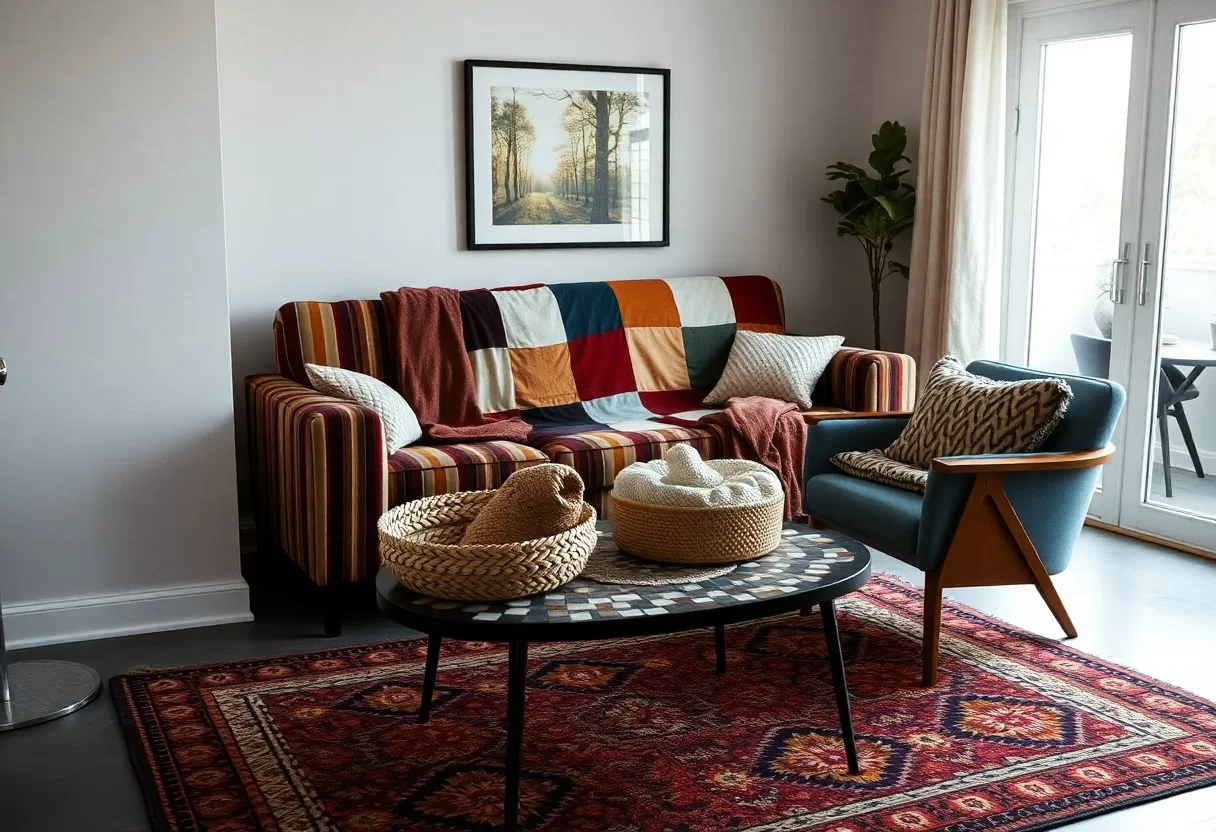
Small spaces can feel constricting, but implementing a few transformative techniques can create an inviting and stylish atmosphere. By focusing on clever design choices and multifunctional furniture, you can maximize the potential of your room, ensuring it feels both spacious and aesthetically pleasing. The right strategies will allow your small space to feel open and vibrant while still reflecting your unique style.
Utilizing Mirrors and Lighting
Mirrors can significantly alter the perception of space, reflecting light and making rooms feel larger. Positioning mirrors across from windows or bright light sources enhances this effect, drawing the eye and creating layers in your decor. Additionally, warm lighting can instantly make a small space feel cozy and inviting. Consider pendant lights or sconces to provide ambience without taking up valuable floor space.
Opting for Multi-functional Decorative Elements
Multi-functional decorative elements are vital when designing a small space. Items like ottomans that double as storage or coffee tables that can convert into dining surfaces enable you to maximize utility without sacrificing style. Also, selecting statement pieces with built-in storage, such as stylish benches or decorative baskets, allows you to maintain an organized environment while adding character to your decor.
Incorporating multi-functional elements not only elevates your design but also enhances the practicality of your space. For instance, a sleek sofa bed serves as both a place to lounge and accommodates overnight guests, while a decorative ladder shelf can showcase books and art while holding baskets filled with blankets. Look for pieces that add visual interest, function, and flexibility to your space, allowing you to transform your limited square footage into a stylish refuge. Combining style with practicality is key to thriving in small environments.
Conclusion
With these considerations, you can confidently mix patterns and textures to create a stylish interior. Start by choosing a cohesive color palette to tie elements together while varying scale and style to add depth and interest. Layering textiles, like rugs and throws, allows you to incorporate diverse materials without overwhelming the space. Experiment with different combinations in smaller areas before committing to larger spaces, ensuring harmony throughout your home. By thoughtfully integrating patterns and textures, you can achieve a dynamic and visually appealing environment that reflects your personal style.
FAQ
Q: What are the basic tips for mixing patterns and textures in interior design?
A: When mixing patterns and textures, start with a cohesive color palette to ensure harmony. Use a variety of scales; mix large patterns with smaller ones to create balance. Incorporate different materials, such as wood, metal, and fabric, to add depth. Layer textures by combining smooth with rough surfaces, such as silk cushions on a chunky knit throw. Lastly, ensure there is some commonality between the patterns, whether it’s a color, theme or texture, to tie the room together.
Q: How do I choose patterns that complement each other?
A: To choose complementary patterns, consider the overall theme of your space. For instance, if you have a modern aesthetic, opt for geometric patterns alongside abstract designs. Use a mix of florals and stripes for a more traditional or eclectic look. Pay attention to the color scheme; patterns should share at least one consistent color to coordinate effectively. Playing with contrasting styles can also create interest, such as mixing vintage florals with contemporary graphics.
Q: What role does scale play in mixing patterns?
A: Scale is important in pattern mixing as it adds visual interest and balance to a space. Aim to pair different sized patterns for contrast; for example, a large-scale floral wallpaper can be complemented by a small, subtle polka dot fabric for cushions. This approach prevents the space from feeling chaotic and helps each pattern to shine individually. Think of scale as a way to direct the viewer’s eye through the room, leading them naturally from one element to another.
Q: How can I incorporate textures without overwhelming my space?
A: To incorporate textures without creating a cluttered look, start with a base of neutral colors and simple textures on larger furniture pieces. Introduce diverse textures through smaller decor items, such as throws, pillows, or decorative objects. Sticking to a few layered textures can create more impact—experiment with a mix of smooth velvet, rustic wood, and soft knitted fabrics. Use textiles as a way to soften hard surfaces, ensuring that the overall design feels inviting rather than overwhelming.
Q: Are there specific patterns or textures that work well together?
A: Yes, certain patterns and textures naturally complement each other. For example, stripes work beautifully with florals, adding a classic touch to the decor. Animal prints can be paired with solids or geometric patterns to create a dynamic environment. In textures, pairing soft textiles (like cotton and linen) with harder materials (like metal and glass) creates visual contrast, making the space feel layered and sophisticated. Always aim for a unified feel by selecting elements that resonate with your intended mood or theme.