
Pattern Drenching – Mastering Maximalist Prints Across Walls and Upholstery
With the bold artistry of maximalist prints, you can transform your living space into a vibrant expression of your personal style. Embracing pattern drenching allows you to layer various prints on walls and upholstery, creating a visually stunning environment that reflects your unique taste. This guide will equip you with insightful tips and strategies to harmoniously blend patterns, ensuring your decor is both lively and cohesive. Navigate the world of prints confidently, and let your creativity shine through.
Key Takeaways:
- Maximalist prints can create a bold, cohesive look when combined across both walls and upholstery, enhancing the overall aesthetic of a space.
- Layering different patterns requires attention to color palettes and scales to maintain harmony and avoid visual chaos.
- Incorporating accessories and art that complement the prints can add depth and interest while tying the design together.
The Art of Maximalist Prints
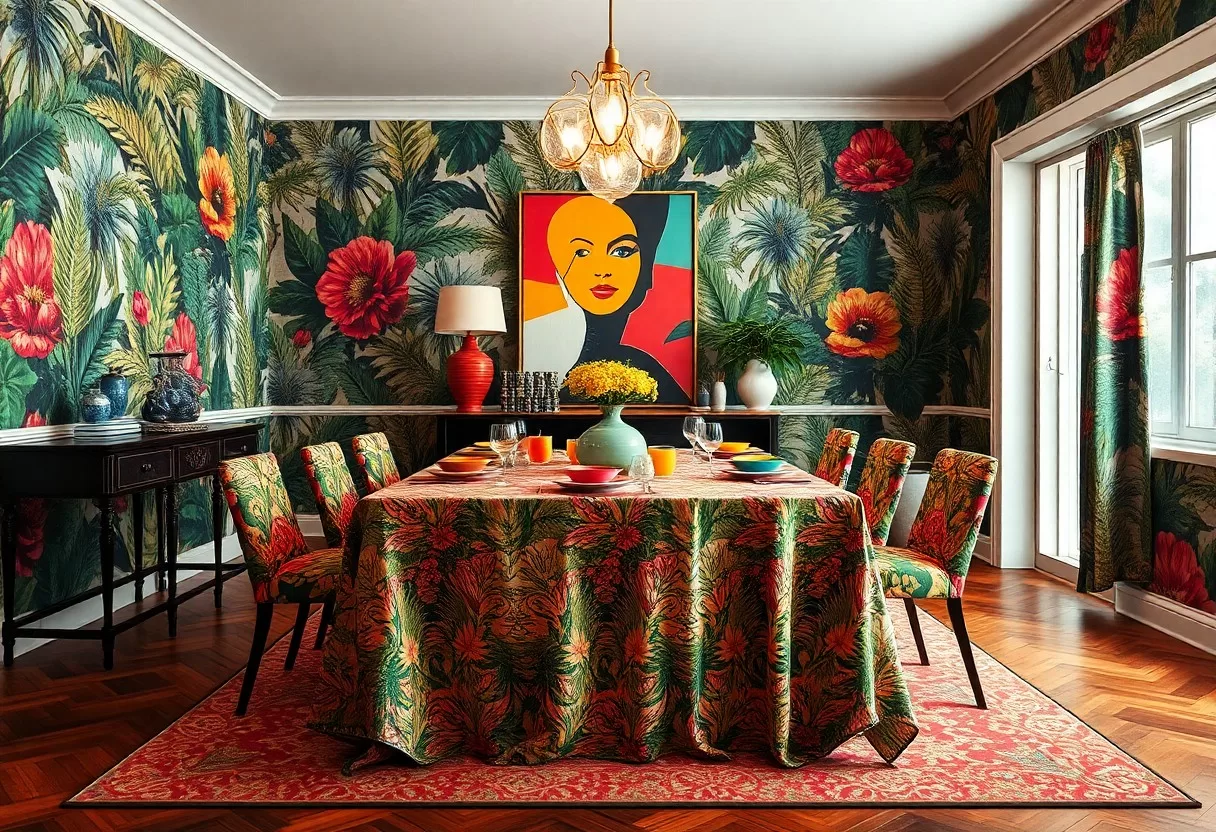
Mastering maximalist prints requires a keen understanding of how to blend vibrant designs harmoniously. You can infuse energy and creativity into your space by layering patterns across various elements like walls, upholstery, and decor. This art form invites an eclectic mix of motifs, colors, and textures, encouraging you to embrace abundance rather than minimalism. With thoughtful combinations, these prints can elevate your environment, creating a dynamic and personalized atmosphere.
Understanding Maximalism
Maximalism emphasizes boldness through rich colors, diverse patterns, and layered textures. It invites you to express your personality without restrictions, challenging the conventional rules of design. This style celebrates abundance, urging you to combine prints, shapes, and styles that resonate with your unique taste. The result is an immersive experience that captivates and inspires.
The History of Bold Patterns
Bold patterns have a long-standing history in design, tracing back centuries to various cultures and movements. From the intricate textiles of the Ottoman Empire to the vibrant designs of the 1960s psychedelic movement, patterns have continuously evolved, reflecting societal changes and artistic expressions. Artists like William Morris pioneered the Arts and Crafts movement, illustrating how bold prints can transform spaces into works of art. In the modern era, designers such as Lily Pulitzer and Schumacher have revived and popularized maximalist patterns, making them accessible for contemporary interiors.
Choosing the Right Patterns
Deciding on patterns involves more than merely picking what catches your eye. Analyze your existing decor to determine how various designs will integrate. Consider the ambiance you aim to create, whether it’s eclectic and vibrant or more subdued. A cohesive approach will elevate your space, balancing prints without overwhelming it.
Complementary vs. Contrasting Prints
Selecting between complementary and contrasting prints shapes your design narrative. Complementary prints create harmony, offering a smooth transition between elements, while contrasting prints inject energy and excitement into your space. Choosing strategically allows you to craft a layered effect that is visually engaging without becoming chaotic.
Scale and Proportion in Design
Understanding scale and proportion directly impacts the overall success of your print combinations. Large-scale patterns command attention and can dominate a space, while smaller prints add subtlety and texture. Aim for balance by pairing varying scales to ensure no single pattern overshadows the others.
The key to mastering scale and proportion lies in creating a dynamic interplay between prints. For instance, if you select a bold, oversized floral motif for your sofa, consider pairing it with smaller, intricate geometric shapes on throw pillows or curtains. This technique draws the eye across the room, creating a harmonious yet stimulating atmosphere. Additionally, think about the room’s dimensions; larger spaces can handle bolder patterns, while cozy areas benefit from a more restrained approach. Effective use of scale not only enhances visual interest but also helps to maintain a sense of unity within the design.
Color Theory for Maximalist Decor
Familiarity with color theory enhances your ability to curate striking maximalist spaces. Understanding the psychological effects of hues helps you choose colors that evoke desired emotions and set the tone for each room. Use vibrant colors to energize a space while softer shades can create areas of calmness amid the visual chaos. The interplay of complementary colors can create harmony, while contrasting tones can add excitement, capturing the eye and elevating your overall aesthetic.
Creating a Cohesive Color Palette
A cohesive color palette simplifies the often overwhelming task of combining multiple prints and patterns in your decor. Start by selecting a dominant color that reflects your style and mood, then choose two to three additional colors that either complement or contrast it effectively. This approach allows for an extravagant display while maintaining visual balance throughout your space. Using variations of the same color family can also create depth and dimension without overwhelming the senses.
Incorporating Neutrals into the Mix
Neutrals play a vital role in grounding maximalist designs, ensuring the vibrancy of other colors and prints stands out. They act as a visual breathing space, allowing the eye to rest amid bold patterns. Strategically place neutral hues in upholstery, furniture, or wall treatments to achieve a balanced aesthetic that remains dynamic yet harmonious.
Using neutrals doesn’t mean your space becomes bland. Shades like rich greys, warm beiges, or soft whites can add texture and warmth while providing the necessary contrast to vibrant patterns. For instance, a plush beige sofa against a backdrop of colorful wallpaper and patterned cushions creates a focal point that draws the eye without overwhelming it. Incorporating neutrals in the form of natural materials, like wood or stone, can further enhance the inviting nature of your maximalist decor, making it both lively and sophisticated.
Applying Prints to Walls
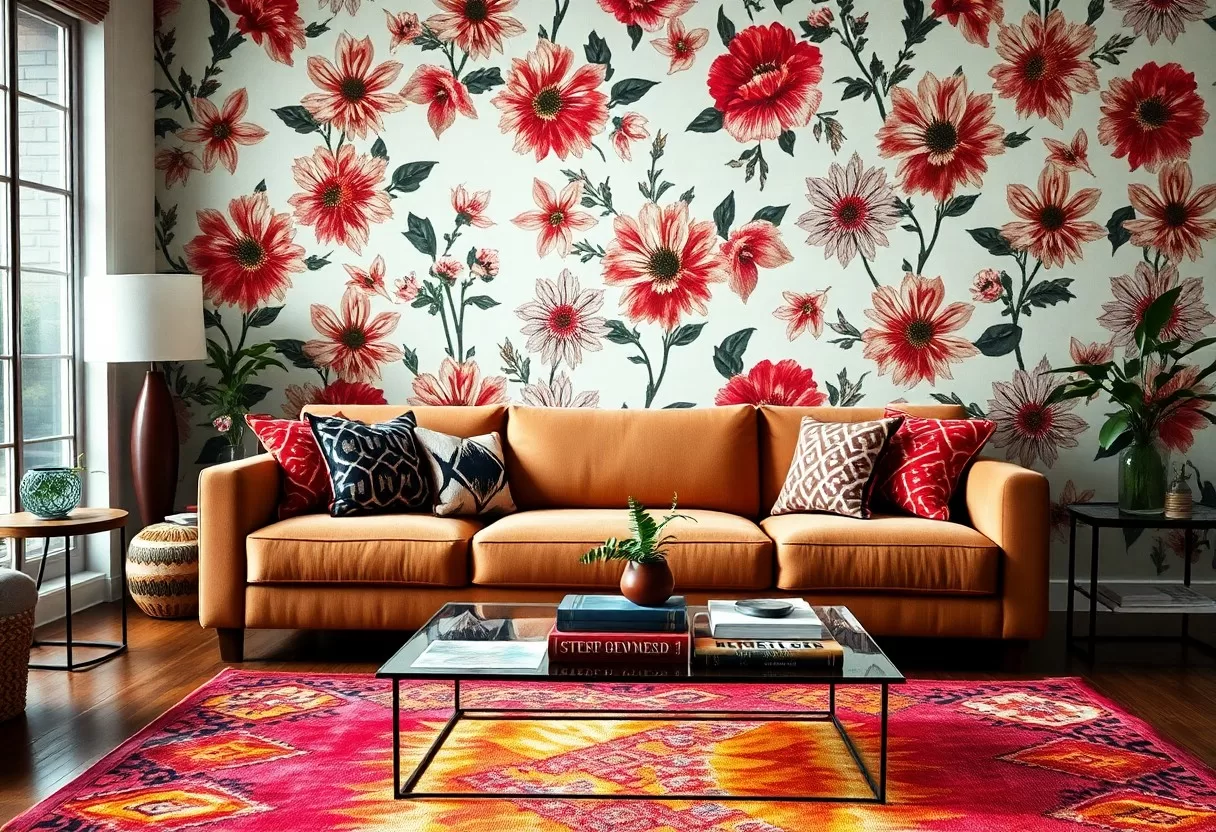
Incorporating prints on your walls transforms the entire ambiance of a room. Whether you opt for bold wallpapers or artistic painting techniques, the choice greatly influences your space’s character. Maximalist prints can create depth, drama, and personality, turning plain walls into captivating focal points. With thoughtful application, you can harmonize prints with your existing decor, enhancing visual interest without overwhelming the senses.
Wallpaper vs. Paint Techniques
Wallpaper offers an immediate, diverse print selection that can dramatically alter a room’s vibe, while paint techniques allow for personalized creativity with stencils or sponges. Opting for wallpaper can provide intricate patterns and textures that paint simply cannot replicate, whereas paint techniques enable quick updates and adaptations as styles change. Both methods can effectively support your maximalist vision, depending on your style and commitment levels.
Accent Walls: Making a Statement
Accent walls serve as powerful design tools that can anchor a room’s overall aesthetic. By utilizing bold colors or striking patterns, you can instantly draw attention to specific areas, enhancing the visual hierarchy of your space. Through the strategic placement of an accent wall, you can complement your existing decor while providing an exciting contrast that elevates the room’s design.
Creating an accent wall with maximalist prints invites a conversation starter into your home. Consider a vibrant floral wallpaper paired with a subtle geometric design in an adjoining space to create balance. For an impactful entryway, use a large-scale mural that reflects your personality. Each choice shapes the room’s narrative, making it both inviting and reflective of your unique style. Integrating textiles or artwork that echo the wall’s motifs can further enrich the aesthetic experience, ensuring your maximalist approach feels cohesive and deliberate.
Styling Upholstery with Bold Prints
Maximize your space with bold prints in upholstery, creating a striking focal point that complements your overall design. Patterns add depth and personality, allowing you to embrace Maximalist Interior Design with Pattern Drenching. Layering prints can evoke a sense of whimsy or sophistication, depending on your choices, making it easy to tailor your aesthetic.
Selecting Fabrics for Furniture
Choose fabrics that not only showcase patterns but also support their vividness. Consider materials like cotton-linen blends or velvet, which hold colors well and provide durability. Ensure the fabric weight aligns with your furniture style—heavier fabrics suit structured pieces, while lighter options work best for casual, flowing designs.
Mixing and Matching Upholstered Pieces
Create a lively atmosphere by mixing upholstery patterns. Combine geometric prints with florals for a playful contrast, ensuring they share a color palette to maintain harmony. Consider scale—pair larger patterns with smaller ones to avoid overwhelming the space.
A successful mix of upholstered pieces hinges on both color and scale. By selecting patterns that share a cohesive color story, you can create visual unity. For instance, pairing a large floral sofa with smaller geometric armchairs can offer a bold yet balanced look. Contrast textures, such as a soft velvet with a more tactile linen, heightens interest while contributing to a layered, inviting vibe. This technique allows you to express your unique style without sacrificing coherence or comfort.
Accessories to Enhance Pattern Drenching
Incorporating accessories elevates your pattern drenching by weaving cohesive elements throughout your space. Layering different patterns requires a keen eye for balance—use accessories to tie everything together, ensuring that no single print overwhelms the room. Thoughtfully selected pieces can amplify the vibrant energy of your decor while providing comfort and functionality.
Textiles: Cushions and Throws
Opt for an array of cushions and throws that echo the maximalist spirit with varied patterns, textures, and bold colors. Consider mixing geometric designs with florals, or layering contrasting hues to create a rich visual experience. These textiles not only enhance comfort but also serve as accents that draw your eye across the room, fostering a harmonious yet dynamic atmosphere.
Art and Decorative Elements
Art and decorative elements play a pivotal role in solidifying the maximalist aesthetic. Choose pieces that resonate with your chosen patterns, such as oversized paintings, vibrant sculptures, or eclectic wall hangings. Make a statement with large, framed prints that flirt with the boundaries of your wall decor, or intersperse smaller pieces to create a gallery wall that celebrates diverse styles.
Wall art should be an extension of your pattern drenching approach, echoing the same boldness with prints and colors. For instance, large-scale botanical prints can complement a floral sofa, while abstract art featuring sharp geometric prints could harmonize with a geometric rug. Incorporating unique decorative elements such as vintage finds or artisanal crafts helps tell a story, enriching your space with layers of personality and depth, while maintaining the energetic balance crucial to maximalist design.
FAQ
Q: What is pattern drenching?
A: Pattern drenching involves the extensive use of bold, maximalist prints on various surfaces such as walls and upholstery to create a vibrant, cohesive look within a space.
Q: How can I choose the right prints for pattern drenching?
A: Selecting prints can be guided by factors such as color harmony, scale of the patterns, and the mood you wish to achieve. Combining prints with similar color palettes can enhance cohesion.
Q: Are there any tips for mixing patterns effectively?
A: To mix patterns effectively, ensure that they vary in scale (large and small), keep a consistent color scheme, and balance busy patterns with simpler designs to prevent visual clutter.
Q: What types of spaces are best suited for pattern drenching?
A: Pattern drenching works well in larger spaces or focal areas, such as living rooms or dining rooms, where the maximalist approach can create impact without overwhelming the environment.
Q: How do I maintain the look of patterned upholstery and walls?
A: Regular cleaning and maintenance are important. Use fabric protectants on upholstery and ensure wall prints are washable or easy to clean to preserve their vibrancy over time.