
Japandi – How to Master the Serene Fusion of Japanese & Scandinavian Styles
Over time, you can achieve the harmonious blend of Japanese minimalism and Scandinavian functionality known as Japandi. By focusing on clean lines, natural materials, and a muted color palette, you will create an atmosphere that is both calm and inviting. This guide will help you navigate key design principles and elements, allowing you to transform your space into a serene retreat that reflects your personal style.
Key Takeaways:
- Emphasizes simplicity and functionality, prioritizing minimalism and clean lines from both styles.
- Incorporates natural materials and colors, fostering a calming atmosphere inspired by nature.
- Merges cultural elements such as Japanese craftsmanship with Scandinavian coziness to create harmonious spaces.
Understanding Japandi Style
Exploring Japandi style reveals a harmonious blend of Japanese and Scandinavian aesthetics, where each element serves a functional purpose while promoting serenity. This fusion celebrates craftsmanship, minimalism, and the beauty found in natural materials, creating tranquil living spaces that encourage mindfulness.
The Basics of Japanese Design
Japanese design emphasizes minimalism and a strong connection to nature. Characterized by simplicity and attention to detail, it incorporates elements like shoji screens and tatami mats, creating peaceful environments. You find balance through the use of muted color palettes and clean lines, which foster an atmosphere of calm and meditation.
The Essence of Scandinavian Aesthetics
Scandinavian aesthetics prioritize functionality and comfort, often featuring bright, airy spaces filled with natural light. You’ll appreciate the focus on sustainable materials and craftsmanship, which enhances warmth and coziness. Soft textiles, such as wool and linen, add texture, while a neutral palette creates soothing environments that invite relaxation.
Scandinavian design is heavily influenced by the concept of “hygge,” emphasizing comfort and a sense of well-being. Incorporating wooden furniture, functional decor, and pieces that tell a story enhances your space’s appeal. Furthermore, this style embraces open spaces and a connection to the outdoors, allowing you to foster a natural flow in your home. Distinctive lighting fixtures, like simple pendants or candles, accentuate the feeling of peace and invite a cozy atmosphere, necessary in achieving that Scandinavian charm.
How to Achieve Japandi Harmony
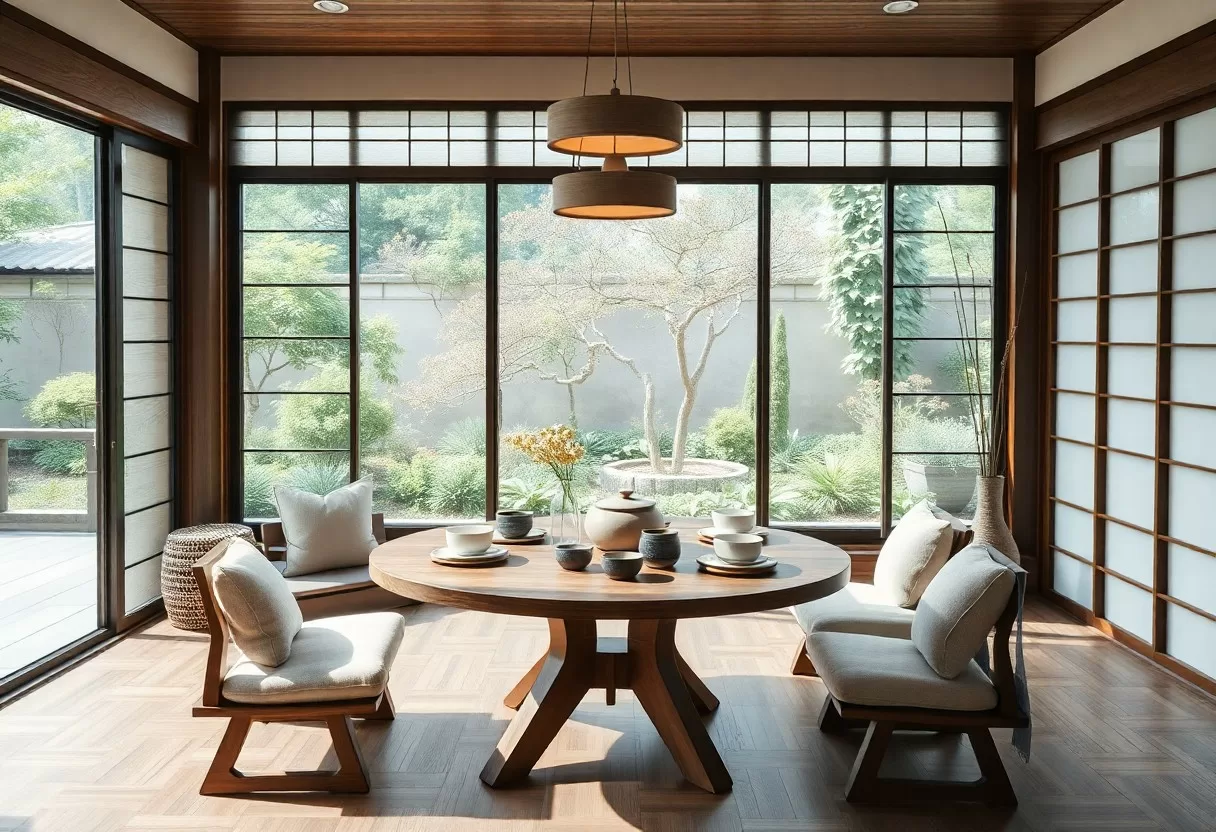
Creating harmony in a Japandi space involves blending the simplicity of Scandinavian design with the tranquility of Japanese aesthetics. Start by focusing on functionality and serenity in your layout and furniture choices. Each element should serve a purpose, while also promoting a calm atmosphere. To dive deeper into the essence of this blend, explore Japandi Style 2025: Minimalist Luxury with a Soulful Twist.
Selecting the Right Color Palette
Your color palette plays a significant role in establishing a cohesive Japandi look. Opt for muted, natural hues like soft beige, warm grey, and earthy tones. Accent these with dark, rich shades like charcoal or navy to maintain depth without overwhelming the space. These colors promote a sense of calm while allowing the natural materials to shine.
Balancing Minimalism and Warmth
Achieving a balance between minimalism and warmth is important in Japandi design. You can do this by incorporating natural materials such as wood, rattan, and soft textiles. Choose furniture with clean lines but add in elements like a plush throw or a handcrafted vase to create a welcoming touch. Incorporating greenery also enhances warmth, bringing a natural, lively element to your serene space.
To effectively balance minimalism and warmth, focus on layering textures in your designs. Utilize natural fibers for rugs and curtains to invite softness into the space while keeping furnishings streamlined. In a Japandi room, even the simplest elements-such as a wooden shelf or a ceramic bowl-can add personality. When executed thoughtfully, this layering creates an inviting environment while adhering to the minimalist ethos, ensuring that each piece resonates with your life and style.
Key Elements of Japandi Decor
Japandi decor embodies a harmonious blend of Japanese minimalism and Scandinavian functionality, creating serene and inviting spaces. Essential elements include a muted color palette, natural materials, and an emphasis on craftsmanship. By focusing on simplicity and comfort, furnishings and decorative items are carefully selected to balance aesthetics and usability, ensuring your home feels both peaceful and purposeful.
Furniture Choices for a Japandi Look
Select furniture that showcases clean lines and natural finishes. Look for items made from light wood, such as oak or bamboo, often featuring minimalist designs. Low-profile seating, like a simple Scandinavian sofa or a traditional Japanese tatami mat, enhances comfort while promoting a sense of calm. Your choices should reflect a blend of both styles, ensuring each piece serves a functional purpose while adding to the overall aesthetic.
Incorporating Natural Materials
Integrating natural materials is vital to achieving the Japandi look. Embrace elements like wood, stone, and textiles made from organic fibers. These materials ground your space, connecting it to nature and enhancing its tranquility. To elevate the design, consider using locally sourced or handmade pieces that tell a story and foster a sense of authenticity.
Natural materials not only enhance aesthetics but also promote sustainability. For instance, using reclaimed wood furniture adds character and history to your space, while stone accents can create visual interest and texture. Incorporating soft textiles, such as cotton or linen cushions and throws, adds warmth and comfort. By consciously selecting these elements, you not only adhere to Japandi principles but also create an inviting atmosphere that nurtures well-being in your home.
Tips for Creating a Serene Space
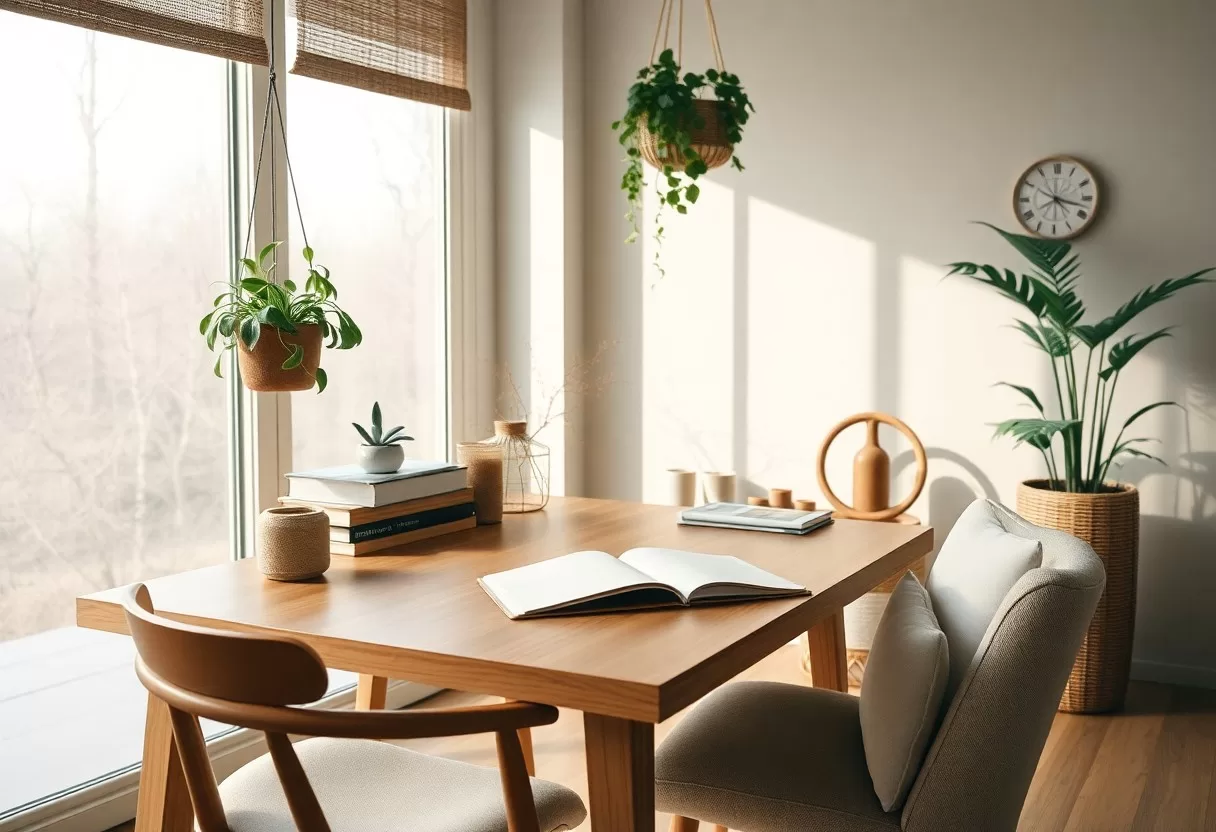
To cultivate a serene environment, you should focus on a few necessary principles. First, prioritize minimalism by decluttering your space, ensuring every piece has a purpose. Integrate natural materials such as wood, stone, and bamboo for an organic feel. Use a calming color palette dominated by neutral tones that promotes tranquility. Incorporate meaningful decor elements that reflect your personality while maintaining harmony. After implementing these strategies, you’ll enjoy a balanced space that embodies the essence of Japandi design.
Enhancing Natural Light
Maximizing natural light in your space significantly impacts the overall ambiance. Position mirrors strategically to reflect light and create an illusion of openness. Choose sheer window treatments that allow sunlight to filter through while maintaining privacy. Opt for lighter paint colors on walls to further brighten your rooms. After optimizing your natural light, your space will feel airy and welcoming, aligning with the Japandi ethos of connection with nature.
Choosing Textiles Wisely
Selecting the right textiles is vital to achieve a cozy yet minimalist aesthetic. Favor organic fabrics like cotton, linen, and wool, which resonate with both Japanese and Scandinavian sensibilities. Balance bold patterns with soft, neutral colors to retain tranquility while adding visual interest. Layering textiles can enhance warmth and comfort without overcrowding your space. After making thoughtful textile choices, your environment will reflect serenity and intent, fostering a peaceful atmosphere throughout your home.
Choosing the right textiles is not just about aesthetics; it also contributes to the overall feel of your space. Opt for pieces that are both practical and beautiful, like a soft wool throw for cooler months or light cotton cushions for summer warmth. Incorporating handcrafted items adds a unique touch, reflecting the artisanal roots of both cultures. Soft textures promote relaxation and comfort, necessary for a space designed for tranquility. However, ensure that layerings are not overwhelming; simplicity is key in mastering the Japandi style.
Factors to Consider in Japandi Design
When embracing the Japandi style, several factors will enhance the aesthetic and functionality of your space. Start by evaluating color palettes, focusing on muted tones that foster tranquility. Select furniture that serves dual purposes, embodying both elegance and utility. Prioritize natural materials, such as wood and stone, to create warmth. Incorporate elements inspired by nature to establish a peaceful ambiance. Assume that understanding these elements will guide your decor choices effectively. For comprehensive insights, refer to Japandi Style: Everything You Need to Know.
Functionality vs. Aesthetics
Striking a balance between functionality and aesthetics is vital in Japandi design. Each piece should not only look beautiful but serve a purpose. For instance, choose multi-functional furniture that enhances space, such as a sleek coffee table that offers storage. Prioritize simplicity and form, ensuring that every item resonates with both beauty and usability.
Personalization in a Japandi Home
Infusing personal touches into your Japandi home can enhance your sense of belonging. Consider incorporating artworks or decorative pieces that reflect your identity while aligning with the overall theme. Allowing your personality to shine through, without overwhelming the minimalist ethos, is key.
In addition to artworks, think about heirlooms or handmade items that tell your story. These unique additions make your space feel inviting and genuinely yours, while still adhering to the simplicity inherent in Japandi design. You can blend personal artifacts with the tranquil color schemes and clean lines typical of this fusion style. This thoughtful personalization enhances not only the aesthetic appeal but also connects emotionally with the inhabitants, making the home truly reflective of you.
Maintenance of Japandi Interiors
Maintaining Japandi interiors requires attention to detail and a focus on sustainability. Incorporate practices that align with the philosophy of both Japanese and Scandinavian aesthetics, ensuring your space remains both tranquil and functional. Regular upkeep will preserve the natural beauty of materials while fostering a calming environment that resonates with mindfulness.
Cleaning Practices for Natural Materials
Cleaning natural materials like wood and textiles demands a gentle approach. Use a soft cloth for dusting and a mix of water with a few drops of mild soap for deeper cleaning. Avoid harsh chemicals that could damage finishes or alter colors. For wooden surfaces, periodic application of natural oils can enhance their luster while providing necessary moisture.
Keeping a Clutter-Free Space
A clutter-free space is important in Japandi design, enabling the simplicity and functionality to shine. This can be achieved by regularly evaluating your possessions and adopting a ‘one in, one out’ principle to manage new items. Designate specific storage for daily importants, ensuring everything has its place to maintain visual harmony.
Consider implementing storage solutions that blend seamlessly with your décor, like minimalistic cabinets or under-furniture bins. Utilize hidden storage in multifunctional furniture, such as ottomans or benches, to keep items out of sight. Regularly declutter by reassessing what you truly need, which not only enhances aesthetics but also promotes mental clarity and peace in your living space.
Conclusion
So, mastering the serene fusion of Japanese and Scandinavian styles requires you to focus on minimalism, natural materials, and a balanced color palette. Embrace simplicity in your decor, and incorporate elements like wood, ceramics, and textiles that reflect both aesthetics. By thoughtfully blending functional design with soothing aesthetics, you can create a harmonious living space that resonates with tranquility. Tailor your approach to reflect your personal style, ensuring that each element contributes to the overall peaceful ambiance you wish to achieve.
Q: What are the key characteristics of Japandi style?
A: Japandi style combines minimalism from Japanese aesthetics and warmth from Scandinavian design. Key characteristics include natural materials, neutral color palettes, functional furniture, and a strong emphasis on craftsmanship. Balance and simplicity are vital, with an appreciation for space and light.
Q: How can I incorporate Japandi elements into my home?
A: To incorporate Japandi elements, focus on decluttering and choosing multifunctional furniture. Use organic materials like wood and bamboo, opt for a muted color scheme with earthy tones, and include plants for a touch of nature. Subtle decor items that celebrate craftsmanship, such as handmade pottery, enhance the aesthetic.
Q: What are some common mistakes to avoid when designing in Japandi style?
A: Common mistakes include over-accessorizing, which contradicts the minimalistic approach, and mixing too many contrasting styles, which can disrupt the peaceful ambiance. Avoid overly bold colors; instead, choose calming and cohesive shades. Also, neglecting functionality in furniture selection can hinder the practicality that defines Japandi.