
Limestone Backsplashes – Why Natural Stone Is the Next Big Thing in Kitchens
Limestone backsplashes offer you a stunning way to elevate your kitchen’s aesthetic with their unique textures and natural beauty. As you consider options, you’ll find that natural stone not only enhances appeal but also provides durability and easy maintenance, making it perfect for the heart of your home. This choice is gaining momentum as homeowners like you seek to incorporate eco-friendly materials into their designs. Embrace limestone for your next kitchen upgrade and enjoy a timeless elegance that stands the test of time.
Key Takeaways:
- Limestone backsplashes offer a timeless aesthetic that enhances the overall design of a kitchen.
- Natural stone is durable and resistant to heat and moisture, making it practical for kitchen environments.
- The unique textures and colors of limestone provide endless customization options to fit various styles.
Advantages of Limestone Backsplashes
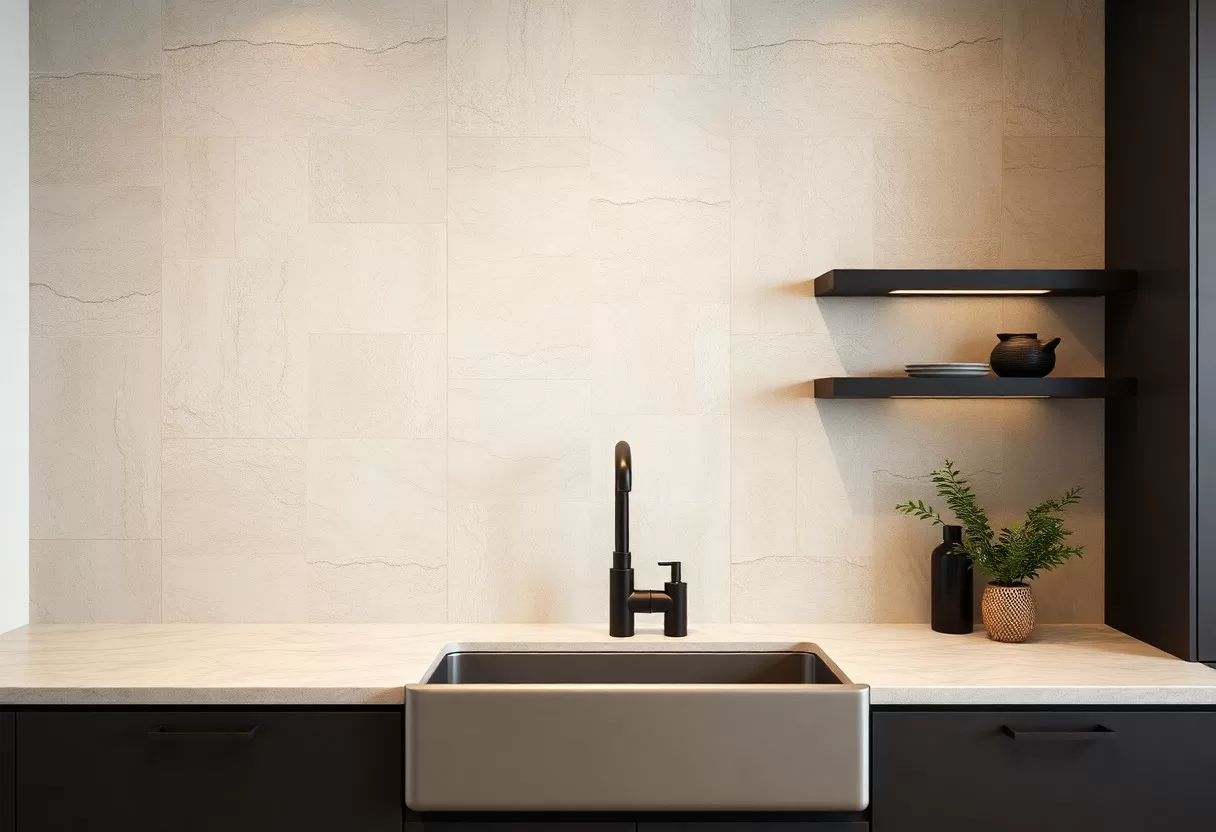
Limestone backsplashes deliver a unique charm that simultaneously combines functionality and style. The intricate patterns and natural variations found in limestone create a distinctive focal point in your kitchen, enhancing the overall ambiance. Additionally, their ability to withstand heat and stains makes them a practical choice for cooking spaces that demand both aesthetic appeal and resilience.
Aesthetic Appeal
Limestone backsplashes enhance your kitchen’s aesthetic by offering a rich, textured appearance that complements various design styles, from rustic to modern. Each piece showcases unique color variations, providing character and a personalized touch to your space. The soft, earthy tones of limestone can seamlessly blend with cabinetry and countertops, creating a harmonious and inviting atmosphere.
Durability and Longevity
Choosing limestone for your backsplash ensures you benefit from exceptional durability and long-lasting beauty. Unlike other materials that may chip or crack over time, limestone can withstand everyday wear and tear, making it an ideal choice for busy kitchens. With proper sealing and maintenance, limestone retains its stunning appearance, providing years of reliable service.
Maintenance of limestone backsplashes involves periodic sealing to protect against stains and to enhance its natural beauty. This stone, while soft compared to granite, exhibits remarkable resilience when maintained correctly. In high-traffic kitchen environments, limestone’s ability to resist scratches and its heat-resistant properties ensures a functional and visually appealing surface. As a natural stone, it remains timeless and relevant, promoting long-term investment in your kitchen design.
Maintenance of Limestone Surfaces
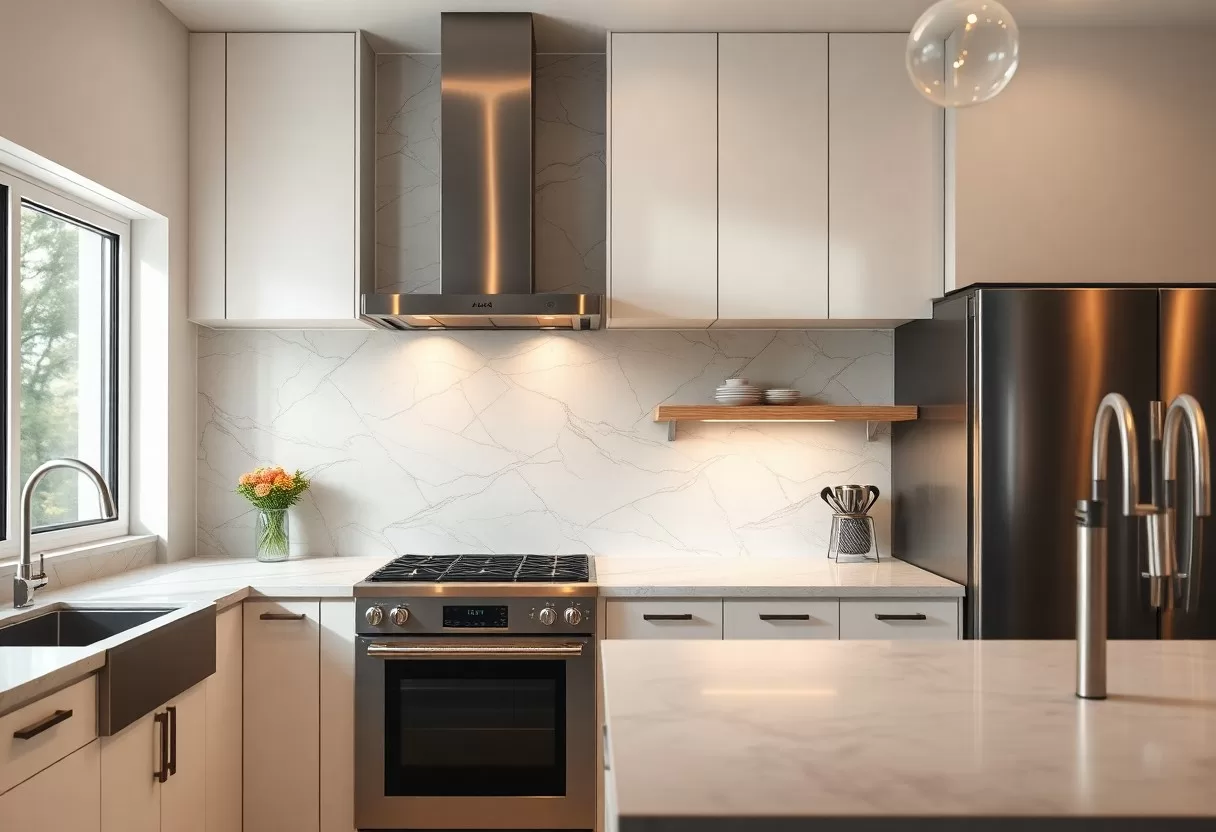
Maintaining limestone surfaces ensures their beauty and longevity in your kitchen. Regular care keeps the stone looking fresh while preventing stains and damage. A consistent maintenance routine includes cleaning, sealing, and addressing any early signs of wear, allowing you to enjoy your stunning backsplash without worry.
Cleaning Techniques
Use a soft cloth or sponge with a mild dish soap solution to clean limestone. Avoid acidic or abrasive cleaners that can erode the surface. Regularly wipe down your backsplashes after cooking to prevent the build-up of grease and food particles, ensuring your limestone maintains its elegant appearance.
Sealing and Care
Sealing your limestone backsplash protects it from stains and moisture while enhancing its natural beauty. Aim to apply a quality stone sealer every six months to a year for optimal protection, particularly in high-traffic or moisture-prone areas. Regular assessments of the sealant’s effectiveness will extend the life of your limestone.
Investing in a high-quality penetrating sealer specifically designed for stone will guard against spills and staining. You can quickly test if your sealant is still effective by sprinkling water on the surface; if it beads, you’re good to go. If the water soaks in, it’s time to reapply. This proactive approach helps maintain the pristine condition of your limestone while preserving its aesthetic appeal and functionality in your kitchen.
Design Options and Inspirations
Exploring design options for a limestone backsplash reveals a vast array of possibilities that can elevate your kitchen’s aesthetic. From polished and honed finishes to tumbled textures, each variation brings a distinct character. Integrating limestone with different design elements—such as cabinetry, countertops, and flooring—allows for personalized creations. Consider using patterned tiles or mixing limestone with other materials for a dynamic look that captures attention and complements your kitchen’s theme.
Color and Texture Variations
Limestone offers a stunning palette of earthy tones including creams, browns, and grays. The natural veining and subtle texture variations in each tile add depth and interest to your backsplash. Light or dark finishes can create contrasting effects, fitting seamlessly into styles ranging from rustic to modern. Utilizing different textures, like polished versus tumbled stone, can enhance the visual intrigue of your backsplash.
Complementary Design Styles
Incorporating limestone backsplashes can seamlessly blend with various design aesthetics. Whether your kitchen leans toward traditional, contemporary, or farmhouse styles, the organic nature of limestone provides the perfect backdrop. Pair limestone with wooden beams for a warm rustic feel, or mix it with sleek metal accents for a modern touch. The adaptability of limestone allows you to achieve a cohesive look while expressing your personal style.
Complementary design styles thrive on the versatility of limestone backsplashes. In traditional kitchens, soft beige and cream-colored limestone can accentuate classic cabinetry and vintage fixtures, creating a timeless appeal. For contemporary designs, dark limestone provides a striking contrast against bright colors and smooth surfaces. In farmhouse kitchens, the textured, natural look of limestone complements shiplap walls and wooden countertops, enhancing the overall warmth and charm. This adaptability allows you to craft a unique kitchen ambiance, reflecting both current trends and personal preferences.
Cost Considerations
Choosing a limestone backsplash involves various cost factors that can impact your overall budget. Natural stone tends to be more expensive than other materials, but the investment pays off through durability, aesthetic appeal, and energy savings. Installation costs vary based on the complexity of the design and local labor rates, typically ranging from $50 to $100 per square foot. Weighing these costs against the long-term benefits provides a comprehensive view of your expenditure.
Budgeting for Natural Stone
Budgeting for limestone requires a careful assessment of your entire project. Factor in the cost of the stone itself, which can span from $5 to $20 per square foot depending on quality and finishing. Additionally, include expenses for professional installation, sealing, and potential maintenance. Creating a solid budget ensures you stay on track without sacrificing quality for aesthetics.
Value Over Time
Investing in limestone backsplashes brings long-term value that significantly outweighs the initial expenditure. The natural stone’s durability means it can last for decades with proper care, reducing replacement frequency. Moreover, limestone’s ability to resist moisture and stains helps maintain its pristine condition, ultimately saving you in repairs and maintenance costs. Over time, this choice can elevate the resale value of your home by providing that sought-after feeling of luxury and quality.
Properties of limestone are not only visually appealing but also economically wise. Over 10 years, homeowners have reported decreased upkeep costs, as limestone’s resilience against chips and scratches minimizes the need for replacements. Unlike synthetic materials that may degrade, natural stone can enhance the aesthetic appeal of your kitchen, making it a standout feature that can increase your home’s marketability. Emphasizing quality over upfront costs ensures that you enjoy both the beauty and practicality limestone offers, giving you peace of mind for years to come.
Installation Process
Installing a limestone backsplash requires careful planning and execution to achieve a polished look. Start by measuring the area accurately and selecting the right tile size and pattern for your space. The installation involves preparing the wall surface, applying adhesive, and meticulously placing each tile to ensure even spacing and alignment. Allow time for the adhesive to set before grouting, which will complete the installation and enhance the beauty of your limestone backsplash.
Professional vs. DIY
You can choose to hire a professional or tackle the installation of your limestone backsplash as a DIY project. Hiring experts guarantees precision and can save time, while a DIY approach often reduces costs and allows you to customize the process. Assess your skill level and confidence when deciding; if you’re experienced with tiling, you may find it rewarding to do it yourself.
Tips for a Successful Installation
For a successful limestone backsplash installation, focus on preparation and precision. Ensure the wall is clean, dry, and smooth to promote adhesion. Use spacers for uniform gaps between tiles and work in small sections to avoid adhesive drying too quickly. Properly mixing grout is necessary for optimal results, so follow package instructions closely. Assume that taking the time to prep and work methodically will lead to a much better outcome.
- Preparation is key to ensure successful installation.
- Uniform gaps between tiles provide a professional finish.
- Adhesive should be applied evenly for durability.
- Assume that investing in quality materials will enhance the longevity of your backsplash.
Additional tips include selecting the right adhesive specific to limestone and considering the environment where the backsplash will be installed. If you’re in a high humidity area, a waterproof adhesive ensures longevity. Using a sealer on your limestone can also protect it from stains and wear over time. Assume that these small steps can significantly impact your installation’s overall success.
- Waterproof adhesive is necessary in humid environments.
- Sealer can protect against stains and wear.
- Quality materials contribute to an enduring installation.
- Assume that attention to detail in these areas will pay off handsomely in the long run.
Frequently Asked Questions
As you consider a limestone backsplash for your kitchen, it’s natural to have questions. From maintenance concerns to aesthetic choices, understanding your options can enhance your decision-making process. Exploring common inquiries will clarify the advantages of integrating this elegant natural stone into your home.
Common Concerns About Limestone
Many homeowners worry about the durability of limestone, especially in a high-traffic kitchen. While limestone is softer than some stones, it can still withstand typical kitchen use. You should take care to avoid acidic spills and opt for sealing treatments to enhance its resistance to stains and scratches.
Expert Advice and Recommendations
Consulting industry professionals can provide valuable insights when selecting limestone for your backsplash. Experts recommend choosing high-quality stones from reputable suppliers to ensure you are getting materials that will stand the test of time. You should also consider the finish—honed surfaces are less prone to showing scratches than polished ones, making them suitable for kitchens.
Incorporating expert recommendations can prevent missteps and enhance your experience; for example, opting for a consistent color palette can help avoid visual chaos in your kitchen. Additionally, consider installation methods and ensure that your contractor employs proper techniques for sealing and grouting, with some specialists advising to reapply the sealant annually for optimal protection. These considerations not only assure a stunning result but also contribute to the long-term success of your limestone backsplash.
To wrap up
Presently, incorporating limestone backsplashes in your kitchen can elevate its aesthetic and functionality. The unique textures and colors of natural stone create a stunning focal point that complements various design styles. Additionally, limestone’s durability and ease of maintenance make it a practical choice for everyday use. By choosing limestone, you not only enhance your kitchen’s appeal but also invest in a timeless material that stands the test of time. Transitioning to limestone is a smart decision that reflects your taste and desire for quality in your home.
FAQ
Q: What are the benefits of using limestone backsplashes in kitchens?
A: Limestone backsplashes offer a unique aesthetic appeal, providing a natural and earthy look that complements various kitchen styles. They are durable and can withstand heat, making them ideal for cooking areas. Additionally, limestone is relatively easy to clean and can be sealed to protect against stains and moisture.
Q: How do limestone backsplashes compare to other materials?
A: Compared to ceramics or glass tiles, limestone backsplashes provide a warmer and more organic feel. While they require more maintenance to prevent staining, their timeless beauty and the unique patterns found in natural stone set them apart. Limestone also tends to be more sustainable due to its natural composition.
Q: Can limestone backsplashes fit into any kitchen design?
A: Yes, limestone backsplashes can enhance a wide range of kitchen designs, from rustic to modern. Their neutral tones and natural texture can seamlessly blend with various cabinetry and countertop materials, adding character and depth to the overall kitchen decor.