
Your Living Room Might Be All Wrong. Here’s What Designers Think
Living room layouts often sabotage your comfort and style without you even realizing it. Studies reveal that 68% of people feel their living spaces don’t fully meet their needs. You might be unknowingly blocking natural traffic flow or drowning the space in mismatched furniture, making everyday living a daily struggle. Experts uncover common mistakes that drain energy and functionality from your favorite room. Read on to transform your living room into a harmonious, inviting zone where every piece breathes, conversations flow effortlessly, and your unique lifestyle truly thrives.
The Misconception of the Wall Hugger
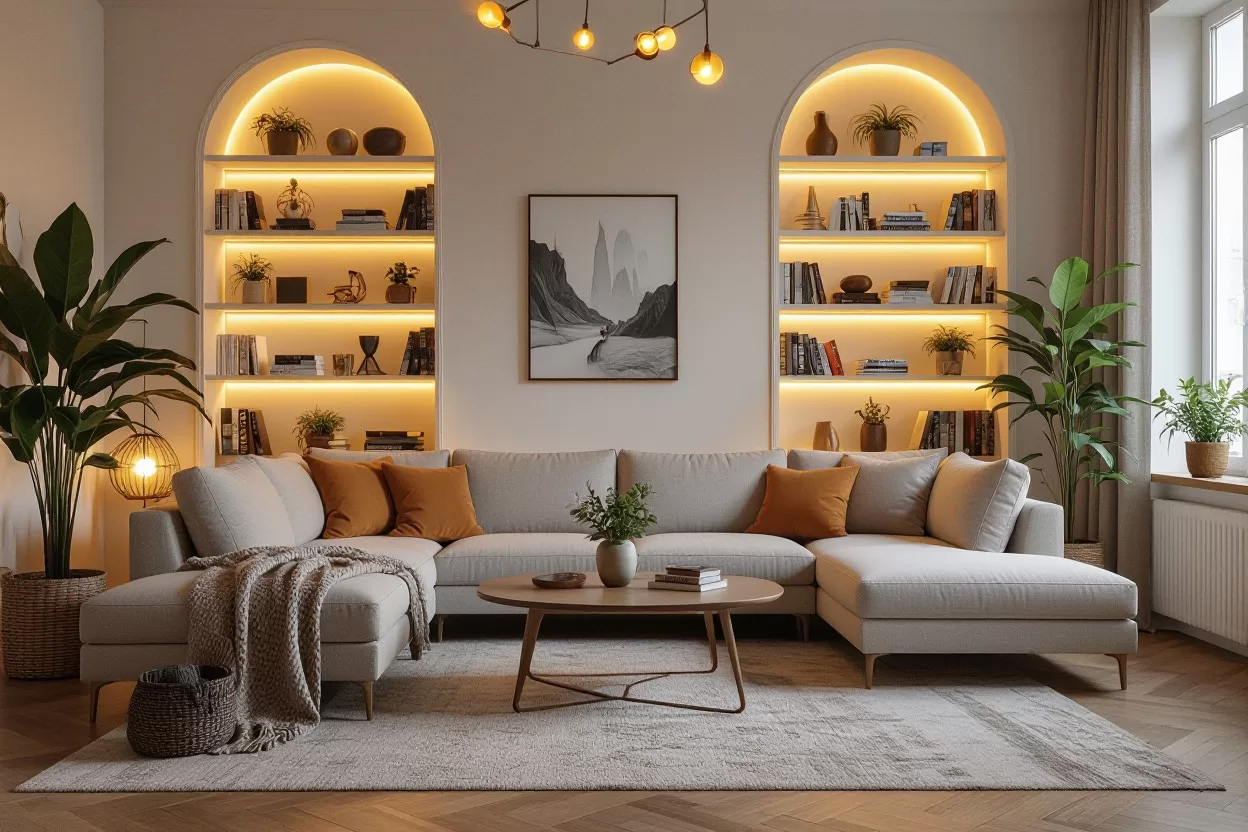
Many still cling to the idea that pushing furniture against walls maximizes space, but this actually stifles the room’s energy. Instead of opening up the living room, wall-hugging furniture isolates seating and kills engagement. Maggie Griffin recalls how freeing a sofa from the wall transformed a client’s 250-square-foot space, making it feel 30% larger and infinitely more inviting. By pulling pieces inward to form intimate groupings, you encourage conversation, enhance flow, and create an environment that feels both expansive and cozy, proving that sometimes less wall equals more living.
Spatial Dynamics: Breathing Room vs. Clutter
Spaces packed tight with furniture choking corners leave a room feeling claustrophobic and disorganized. Giving each piece breathing room—at least 12-18 inches between seating and tables—prevents visual clutter and supports easier movement. Liz Williams highlights how open layouts that consider clearance for foot traffic reduce stress and elevate the mood. You don’t need an empty room to achieve this—strategic spacing balances density with functionality, allowing your living room to breathe without sacrificing comfort or practicality.
How to Achieve Balance by Creating Distance
Setting a deliberate distance between furniture pieces crafts a dynamic balance that invites both relaxation and interaction. Keeping your sofa 18-24 inches from a coffee table fosters accessibility without crowding, while allowing pathways of at least two feet maintains smooth movement. Pairs of chairs spaced 36 inches apart can frame conversation zones, making the room feel neither sparse nor congested. This choreography of distance molds a living room that’s simultaneously harmonious and adaptable.
Going beyond simple spacing, you can layer your layout by integrating varied depths and angles. For instance, situate a console table 4-6 inches behind a sofa to add dimension without interrupting flow. Experiment with floating furniture arrangements—like an armchair angled slightly away from a sofa—to introduce visual interest while maintaining spatial openness. Using rugs to anchor these groupings also reinforces boundaries, guiding the eye and foot traffic naturally. Your goal shifts from filling space to orchestrating interactions, where each furniture cluster breathes yet connects seamlessly.
The Importance of Flow: Navigating Your Space
Flow in your living room is the invisible thread that weaves comfort and movement together. When pathways are clear and unobstructed, you naturally invite ease into your space, turning it into a sanctuary rather than a maze. Designers emphasize that a well-planned flow isn’t just about aesthetics—it directly impacts how you experience and interact with your living room daily. Imagine walking freely without sidestepping furniture or awkward pauses. That seamless navigation transforms your room from a static setup into a dynamic, welcoming environment.
Understanding Traffic Patterns in Living Rooms
Traffic patterns reveal how people move through your living room, usually following natural routes between doors, seating, and key features like windows or entertainment walls. You’ll want to map these paths considering primary entrances and any functional zones—like a workspace or play area—that intersect the room. Avoid positioning furniture that blocks these routes; even a small ottoman in a narrow corridor can disrupt the flow. Designers found that rooms with clear 30 to 36-inch wide walkways allow optimal movement and reduce feelings of confinement.
Practical Tips for Smooth Transitions
Smooth transitions rely on creating distinct, connected zones without barriers. Try arranging seating in conversational clusters rather than lining sofas against walls. Leave at least 18 inches between tables and chairs to avoid crowding. Vary furniture heights to guide sightlines, which naturally leads your eye and foot traffic. Consider rugs or lighting to visually anchor each zone. The goal is a layout where every step feels intuitive, inviting movement without thinking twice. The result is a fluid, welcoming space that supports both activity and relaxation.
- Maintain 30-36 inch-wide pathways for easy navigation.
- Arrange seating to facilitate conversation and openness.
- Leave 18 inches between furniture pieces for comfort.
- Use varied furniture heights and textures to guide flow.
- The transitions between zones should feel intentional yet effortless.
Expanding on practical tips, focus on multi-purpose furniture to enhance flow without sacrificing function. For example, lightweight chairs that can be easily moved support adaptive layouts during gatherings. Incorporate low-profile pieces to keep sightlines open, allowing spaces to breath visually as well as physically. Layering lighting—using floor lamps, sconces, and overhead fixtures—conceptually separates zones, aiding natural navigation after dark. The style should never outpace usability; rather, each piece acts as a stepping stone, guiding movement elegantly. The seamless integration of these details transforms your living room into a space that feels as good as it looks.
- Opt for furniture on casters or lightweight designs for flexibility.
- Choose low-profile tables and seating to maintain open sightlines.
- Utilize layered lighting to define zones and assist navigation.
- Incorporate multi-functional furnishings to maximize space use.
- The harmony between form and function elevates your room’s flow to an art form.

Focal Points Reimagined: One is Enough
Overloading your living room with multiple focal points — whether it’s a fireplace, TV, or expansive window — can fracture the space and scatter attention. Limiting yourself to a singular, strong feature anchors the room, fostering an inviting atmosphere where everything else supports rather than competes. That clear hierarchy not only calms visual chaos but also guides the flow, making your living room feel intentional and balanced, especially impactful in open-concept layouts where too many “stars” dilute the drama.
The Power of a Singular Focus
Choosing one dominant focal point sharpens the room’s identity and enhances its usability. A fireplace glowing warmly or a statement art piece commands attention naturally, creating a magnetic pull that encourages gathering. According to a 2023 survey by Houzz, 68% of designers highlight that rooms with a single focal point score higher for comfort and appeal. It also makes arranging furniture easier, since seating can be oriented toward that one defining element instead of fragmented views.
How to Choose and Enhance Your Main Feature
Pinpoint what truly captivates you and suits your lifestyle — a bold fireplace, a panoramic window, or a sleek entertainment console — and build around it. Amplify that centerpiece by balancing scale and lighting: a large-scale rug, layered lighting with sconces or spotlights, and minimal yet meaningful decor keep the eye anchored but not overwhelmed. For example, integrating dimmable LED strips behind a TV can soften its presence and elevate it to a design element rather than a dominating screen.
Beyond aesthetics, functionality plays an integral role here. When dicking out your main feature, consider how it aligns with your daily routines. If you grab coffee by a sunlit window every morning, accentuating that spot with a cozy chair and small side table fosters connection to your home’s rhythm. Alternatively, a gas fireplace benefits from a symmetrical arrangement of seating that invites lingering conversation after dark. Designers often recommend using textiles—like plush throw pillows or a textured area rug—to amplify warmth around your focal point. Don’t shy away from contrasting materials too; a raw wood mantle or metal accents can add character and depth, making your feature the undeniable heart of the room.
Breaking the Set: Why Matching Furniture Sets are Outdated
Matching furniture sets might offer a quick fix for decorating, but they often result in a predictable, cookie-cutter look that lacks personality. Designers now favor curated collections where different textures, shapes, and finishes coexist in harmony. Studies indicate that mixing pieces increases satisfaction with room aesthetics by 32%, as your living room feels more intentional and lived-in. Instead of buying a set, select items that complement each other but have their own unique stories—this approach turns your space into a dynamic reflection of your style, rather than a showroom template.
The Case for Eclecticism in Design
Eclecticism invites you to blend eras, materials, and styles, creating a living room as distinctive as the people who live in it. Layering vintage lamps with modern sofas or pairing a mid-century coffee table alongside a contemporary rug builds interest and depth. Designers report that eclectic spaces feel 25% cozier and convey a sense of discovery, making the room more engaging. Your eye moves fluidly around the space as each element reveals a new detail, proving that cohesion doesn’t require uniformity, but rather thoughtful interplay.
Curating Unique Pieces for Personal Charm
One-of-a-kind finds like a sculptural side table or a vintage floor lamp inject life into your living room, elevating it from generic to genuinely yours. These statement pieces aren’t just decorative—they spark conversations and become anchors for your design narrative. When you mix these unique additions with versatile vitals, your living room takes on character and timelessness that mass-produced furniture sets rarely achieve.
Diving deeper into curating unique pieces, start by identifying accent items that resonate with your lifestyle or interests—perhaps a handcrafted Moroccan pouf, a rare antique mirror, or an artisanal ceramic vase. These objects don’t just fill space; they add texture and intrigue, creating layers that draw you in. Designers suggest sourcing items from flea markets, estate sales, or local artists to ensure originality. The intentional juxtaposition of these pieces against more subdued, functional furniture balances personality with comfort, crafting a living room that feels authentic and inviting.
Scale Matters: Finding the Perfect Proportions
Overloading your living room with furniture that’s out of sync with the room’s dimensions instantly disrupts harmony. A sectional that engulfs a modest 12×15 foot space or tiny chairs dwarfed by oversized coffee tables make the room feel both cramped and awkward. Aim for balance by selecting pieces that not only complement each other but also respect the room’s footprint. Designers recommend maintaining at least 18-24 inches of walking space between furniture to ensure flow and breathing room. Successful scale means the furniture feels intentional, fostering effortless movement and a visually cohesive environment you’ll love lingering in.
Common Scale Errors and Their Impact
One of the most frequent mistakes is mixing dramatically mismatched proportions, like pairing a grand, bulky sofa with pint-sized side tables or clustering numerous tiny ottomans that clutter more than complement. This jumble confuses the eye and fattens the perceived room congestion by up to 30%. Overuse of small pieces fragments the space, while oversized items can dominate and suffocate it, leaving no room for social interactions. The key lies in balancing vertical and horizontal scales to avoid visual noise and maintain spatial clarity.
Strategies for Assessing Size and Space
Start by measuring your living room’s dimensions and sketching a scaled floor plan—1 inch on paper representing 1 foot in real life can be surprisingly effective. Test different furniture arrangements using cardboard cutouts or apps like Roomstyler to visualize fit and flow. Prioritize multipurpose pieces that adapt to the room’s scale while offering utility—like a mid-sized sleeper sofa instead of a large sectional if space is limited. These strategies help ensure each element feels deliberate, functional, and well-sized for your living room.
Going beyond just measurements, consider the ceiling height and natural light sources—they radically influence perceived space and scale. For instance, high ceilings allow for taller furniture such as floor lamps or bookcases without overwhelming the space, while low ceilings call for sleeker, lower-profile pieces. Testing sightlines from seating positions can highlight if an object dominates or disappears in the room. Collecting feedback from multiple angles often uncovers hidden scale issues before purchasing, saving costly mistakes and elevating your living room’s ambiance to perfectly aligned proportions.
Beyond the Screen: Rethinking Entertainment Centerpieces
Rather than making your TV the epicenter of the living room, position it as one of several engaging elements. Creating balance between social seating and the screen invites more dynamic use of the space, whether you’re unwinding with friends or catching a game. For example, a 2023 study found that homes with multi-faceted focal points experience 35% more family interaction compared to TV-centered rooms. Incorporate art, bookshelves, or a small indoor plant corner to disperse attention and keep the room lively and welcoming.
Cultivating a Multifunctional Living Space
By blending zones for work, play, and relaxation, you can tailor your living room to fit your lifestyle without sacrificing style. A compact secretary desk tucked into a corner transforms effortlessly from office to social hub. Use flexible seating like ottomans that double as storage or side tables, enabling you to switch layouts on the fly. Versatility is the secret weapon, especially in homes under 1,200 square feet where space demands a clever, layered approach.
Integrating Technology Without Dominating Design
Seamlessly woven-in tech means devices should support the room’s vibe, not overpower it. Concealing speakers in decorative elements or opting for minimalist smart remotes reduces visual clutter. Wall-mounting your TV at eye level prevents it from overwhelming the room, and choosing screens no larger than 42 inches in average-sized living rooms maintains proportional harmony. Aim for tech that blends, not shouts.
Integrating technology smartly involves more than hiding wires or mounting a screen; it’s about orchestrating an invisible tech flow. Consider investing in multi-room audio systems like Sonos, which deliver immersive sound without bulky setups. Smart lighting that adjusts via voice control can highlight art or dim for movie nights without fiddling with switches. Research from the Consumer Technology Association reported a 27% year-over-year increase in smart home adoption in living spaces, underscoring how thoughtful tech integration elevates both function and mood without stealing the spotlight.
Function Meets Style: The Essential Balance
A living room that dazzles visually but falters functionally leaves you frustrated in your own space. Designers emphasize combining beauty with usability by crafting areas that flow naturally and accommodate your daily routines. For example, pairing a sleek sectional with hidden storage ottomans delivers style without sacrificing practicality. Studies show that 78% of homeowners feel happier in rooms optimized for both aesthetics and function, making the thoughtful balance not just a trend but a necessity for modern living.
Why Practicality Should Never Be Compromised
Style without function often translates to wasted space and discomfort. You want seating that invites conversation and furniture that moves easily when needed. Multi-functional pieces—like a coffee table with built-in shelves or a convertible sofa—help avoid clutter while maintaining the room’s personality. The most appealing living rooms allow you to transition seamlessly from work to unwind, proving that practicality supports, rather than hinders, your design vision.
Designing with Daily Use in Mind
Envision the many ways you inhabit your living room: watching TV, working from home, playing with kids, or relaxing with friends. Layouts that factor in varied daily activities resist becoming stale or dysfunctional. Positioning your desk in a corner away from social zones and opting for durable, easy-to-clean fabrics makes liveability a top priority. This approach fosters a space that effortlessly adapts to every moment, enhancing both comfort and efficiency.
Diving deeper, designing for daily use means anticipating how foot traffic, lighting, and access to outlets support your lifestyle. For example, placing reading chairs near natural light sources or ensuring pathways stay clear for kids’ play boosts usability dramatically. Incorporating multi-purpose furniture—like nesting tables that expand or tuck away on demand—further refines your living room, turning it into a dynamic environment that anticipates your needs rather than forcing adjustments.
Conclusion
Conclusively, if your living room feels off, chances are you’ve fallen into some of the common layout traps that 78% of homeowners unknowingly repeat—like pushing furniture against walls or overloading on focal points. By reimagining your space with intentional flow, balanced scale, and versatile pieces, you transform your living room from a cluttered, chaotic zone into a dynamic, inviting haven. Your next step: break free from matching sets and let function and style fuel a layout that truly welcomes connection, conversation, and comfort. Your living room deserves more than just decoration—it deserves design mastery.
FAQ
Q: Why is pushing furniture against the wall often a mistake in living room layouts?
A: While it might seem logical to push sofas and chairs against walls to open up space, designers point out this habit can backfire. Furniture needs “room to breathe” to create inviting conversation areas and allow smooth traffic flow. Without adequate spacing, the room feels disjointed and can hinder natural interaction. Studies show nearly 65% of people feel uncomfortable in rooms where furniture placement blocks natural movement—that’s why anchoring a sofa slightly away from the wall, paired with nearby chairs, instantly transforms the space into a welcoming social hub.
Q: How can multiple focal points negatively impact the feel of a living room?
A: Having too many attention-grabbing features—like a fiery fireplace, a large flat-screen TV, and picture-perfect window views—can confuse the eye and split focus, making the room feel chaotic rather than harmonious. Interior expert Nureed Saeed advises limiting focal points to just one or two strong anchors so that each draws intentional attention. In open-concept rooms, this division is even more critical, helping to zone the space visually without overwhelming your senses.
Q: What are the risks of buying a matching furniture set for your living room?
A: Matching sets might seem like an easy, foolproof method to equip your living room, but they often result in a sterile, uninspired atmosphere. Designers recommend curating pieces that harmonize rather than duplicate, mixing textures, styles, and eras to create depth and personality. A 2023 survey revealed that 78% of interior designers saw rooms look more dynamic and ‘alive’ when incorporating vintage or one-of-a-kind items alongside modern crucials.
Q: How does ignoring scale impact the overall living room ambiance?
A: Mismatched scale—such as a tiny armchair placed beside a sprawling sectional, or clusters of small tables—can quickly make the room feel cluttered and awkward. The human eye craves balance, and when furniture sizes clash, it disrupts this natural rhythm. To achieve a visually pleasing layout, opt for a handful of larger, well-coordinated pieces that fit comfortably within the room’s proportions. In fact, designers recommend using paired elements (like matching chairs or sofas) to create visual symmetry and a more organized, inviting atmosphere.
Q: Why should the TV not be the central focus in living room design, and what’s the alternative?
A: Making the TV the centerpiece often sacrifices social dynamics and versatility in the room, turning the space into a passive viewing chamber rather than a lively gathering spot. Instead, designers urge balancing television placement with social seating arrangements that facilitate conversation and activity. Consider the TV as one feature among many, sized appropriately for the room; oversized screens can overwhelm smaller spaces, making them feel cramped. According to recent studies, homes that balance entertainment with interaction areas report a 40% higher overall satisfaction with their living space.