
Integrating Nature – How To Combine Aesthetics And Functionality In Your Home Garden
Over time, your home garden can transform into a stunning oasis that not only enhances your outdoor space but also serves practical purposes. By understanding how to blend natural beauty with functional elements, you can create an environment that supports both your aesthetic desires and your lifestyle. In this guide, you will learn crucial tips to effectively integrate nature into your garden design, ensuring it reflects your personal style while maximizing your available space and fulfilling specific needs. Let’s probe the art of creating a harmonious and functional garden!
Key Takeaways:
- Incorporate native plants that thrive in your local climate, enhancing both beauty and ecological function.
- Create diverse plant layers to provide visual interest while improving habitat for wildlife and pollinators.
- Utilize natural materials for garden structures and pathways to create a seamless transition between indoor and outdoor spaces.
- Design functional spaces, such as seating areas and gathering spots, that encourage outdoor activity and relaxation in your garden.
- Consider the seasonal changes in plant life for year-round interest, blending aesthetics with the practicality of maintenance and care.
Designing for Harmony: Blending Aesthetic Appeal with Practicality
Achieving a harmonious garden involves not just aesthetics but a careful balance of functionality. You can create visually stunning landscapes that also provide tangible benefits, such as increased privacy, reduced noise, and improved air quality. Emphasizing flow between different elements in your garden ensures that beauty doesn’t come at the cost of utility. Incorporate structured paths, a variety of plant heights, and purposeful placement of features like seating or toolsheds, allowing your garden to capture your personality while serving everyday needs.
Assessing Your Space: Understanding Light, Soil, and Climate
Every garden has unique environmental conditions that directly influence plant growth and design. Begin by studying the sunlight patterns throughout the day; some areas may receive full sun while others are mostly shaded. Analyze the soil type—sandy, clay, or loamy—as this will affect water retention and nutrient availability. Assessing your local climate allows you to choose plants that will thrive and flourish, ensuring your garden remains vibrant and productive throughout the seasons.
Creating a Cohesive Vision: Color Theory and Plant Selection
Crafting a cohesive vision for your garden starts with understanding color theory and selecting complementary plants that enhance your outdoor space. Consider how colors impact moods and perceptions; warm colors like reds and yellows can energize areas, while cool colors such as blues and greens create a sense of calm. Utilize a balanced mix of flowering plants and foliage to achieve an appealing color palette—think purples and blues paired with warm yellows for a vibrant look. To maintain harmony, opt for a limited color scheme based on your preference, ensuring that every bloom contributes to a unified aesthetic.
The Art of Plant Placement: Functional Design Principles
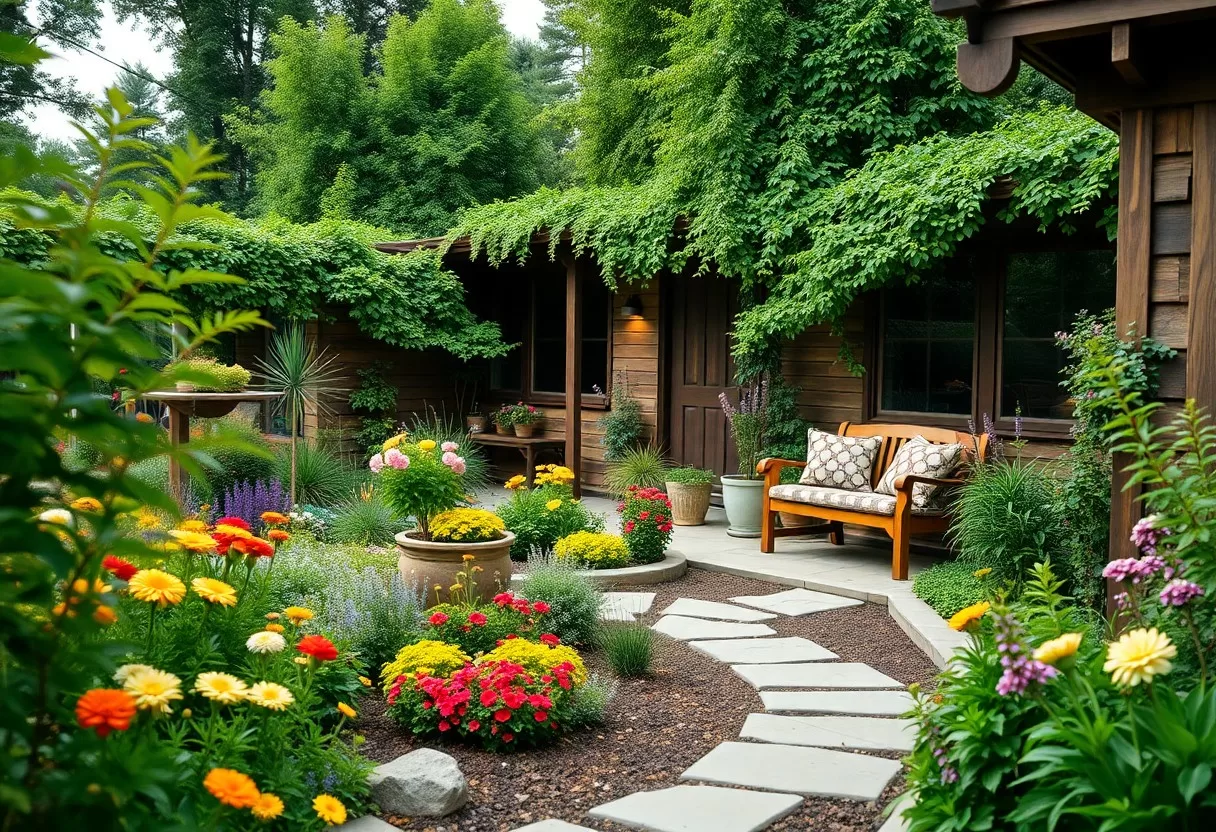
Strategic plant placement transforms your garden into a harmonious blend of aesthetics and functionality. Utilizing principles of design, you can enhance both sightlines and plant health while facilitating maintenance. Consider sun exposure, moisture levels, and growth habits of your plants to achieve a balanced layout that encourages a thriving ecosystem. This deliberate approach can lead to a visually stunning space that works effortlessly for your gardening needs.
Layering: Utilizing Vertical Space for Visual Interest
Incorporating layers adds depth and dimension to your garden. Utilize vertical space by grouping plants with varying heights, allowing taller specimens to stand proud at the back, while shorter ones create a lush foreground. This design technique not only maximizes your space but also draws the eye upwards, providing a richer visual experience and enhancing the overall appeal of your garden.
Creating Zones: Purposeful Grouping for Efficient Use
Designing distinct zones within your garden is key for both functionality and organization. When you group plants according to their needs, such as sun exposure or watering needs, you streamline maintenance and optimize growth conditions. This zoning allows you to create dedicated areas for relaxation, vegetable production, or pollinator attraction, ensuring that each part of your garden serves a specific purpose effectively.
Consider dividing your garden into several distinct zones based on your gardening goals. For instance, you may create a sunny area for vegetable cultivation, incorporating raised beds for easier access and management. Adjacent, a shaded nook can foster shade-loving flowers or herbs, intertwined with comfortable seating. By implementing pathways that connect these zones, you encourage exploration while maintaining efficiency in your gardening activities. Mapping out these spaces not only makes maintenance easier but also promotes a functional aesthetic that invites both productivity and leisure into your outdoor environment.
Sustainable Solutions: Eco-Friendly Practices for a Beautiful Garden
Choosing eco-friendly practices for your home garden not only enhances its beauty but also contributes to the environment. Incorporating composting, using organic fertilizers, and practicing crop rotation are effective ways to maintain a sustainable garden. Additionally, consider utilizing local resources and materials, such as native plants, which require less water and serve as habitat for local wildlife. Explore more about effective ways to integrate natural elements into your garden design, enriching both the aesthetic and ecological impact.
Water Conservation Techniques: Smart Irrigation and Rain Gardens
Implementing smart irrigation systems and installing rain gardens are outstanding strategies for conserving water in your garden. These systems can utilize sensors to prevent overwatering, ensuring your plants receive just the right amount of moisture. Rain gardens, designed to capture and absorb rainwater runoff, reduce erosion and promote healthy soil. By opting for these eco-friendly solutions, you can maintain a lush garden while minimizing your ecological footprint.
Native Plants: The Role of Biodiversity in Garden Design
Native plants are important in garden design due to their ability to support local ecosystems and enhance biodiversity. They are adapted to your area’s climate, soil, and wildlife, requiring less maintenance and resources, which translates into sustainability. By incorporating these plants into your garden, you attract beneficial insects and pollinators, thereby creating a thriving ecosystem around your home.
Choosing native plants not only beautifies your garden but also encourages biodiversity in local wildlife. For instance, planting milkweed attracts monarch butterflies, while various native grasses provide habitat for birds. By fostering these connections, you contribute to a healthier environment and a sustainable landscape. The ability of native plants to withstand local conditions also means less watering and fewer pesticides, allowing you to enjoy a vibrant garden that’s easier to maintain. Consider researching local native species to create your very own eco-friendly oasis.
Functional Accessories: Incorporating Features That Enhance Experience
Incorporating functional accessories into your garden elevates both aesthetics and usability, creating an inviting atmosphere that you can enjoy throughout the seasons. Including items such as benches, birdbaths, and decorative planters not only beautifies your space but also serves practical purposes. Lighting features, for example, improve visibility at night while enhancing the mood of your outdoor sanctuary, ensuring you get maximum pleasure from your garden, day or night.
Paths and Structures: Balancing Utility with Beauty
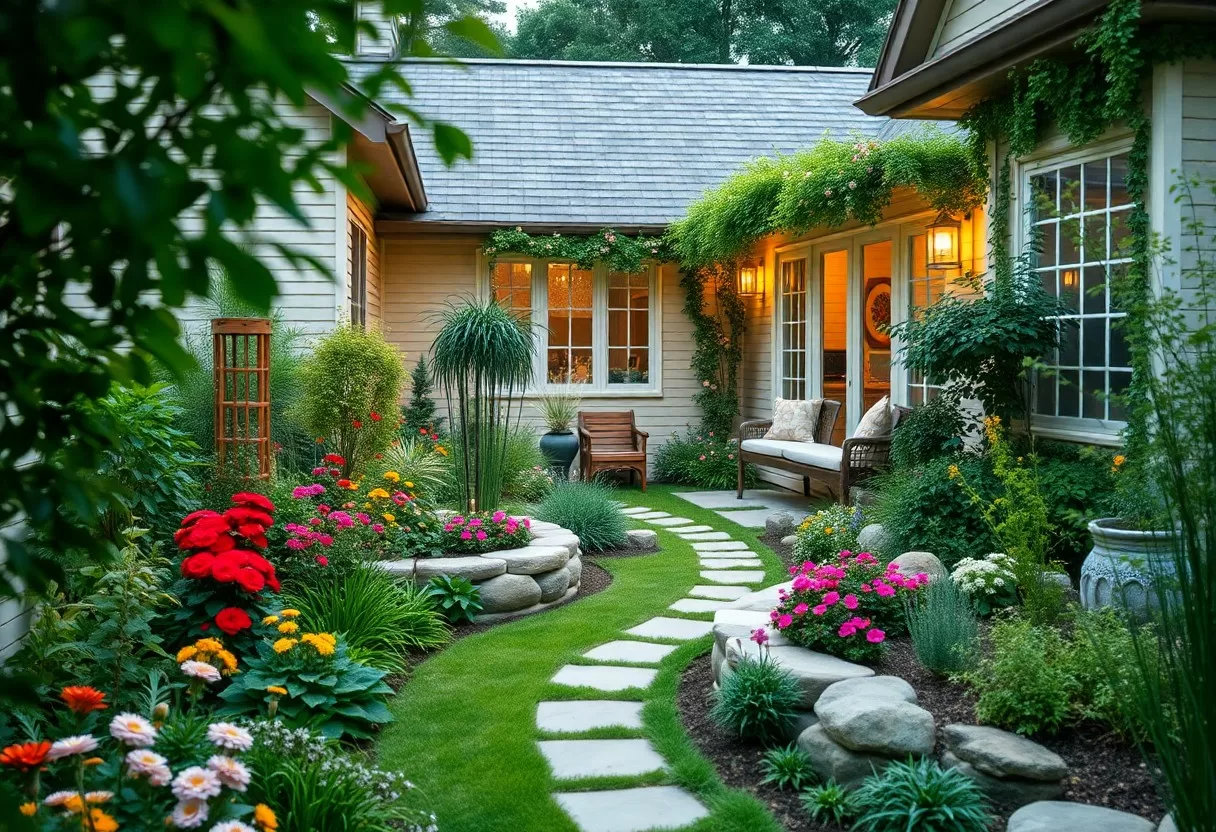
Your garden pathways should guide you smoothly through your outdoor sanctuary while also offering visual appeal. Using natural stones or gravel can create organic, flowing lines that blend into the landscape seamlessly. Add trellises or arbors that not only define entry points but also support climbing plants, adding height and texture. This focus on design ensures that functionality does not overshadow the important role of beauty in enhancing your gardening experience.
Wildlife-Friendly Additions: Gardens that Attract Pollinators and Birds
Creating a wildlife-friendly garden encourages an ecosystem that supports pollinators and birds, vital for a flourishing garden. Incorporate native plants that provide food sources, and consider adding birdhouses and butterfly feeders to attract these beneficial visitors. Using natural materials such as wood for structures and avoiding synthetic chemicals are vital steps in ensuring your garden remains a welcoming haven for wildlife.
To further enhance your garden’s appeal and functionality, consider planting nectar-rich flowers like echinacea or zinnias, which attract bees and butterflies. Adding a small water feature can serve as a hydration source for birds, while also offering a soothing sound element to your garden. Maintaining a diverse plant selection, including shrubs and trees native to your area, will not only support local wildlife but create a vibrant, living landscape that thrives in harmony with nature.
Seasonal Transitions: Keeping Your Garden Dynamic Throughout the Year
Your garden is a living canvas, and embracing seasonal transitions enhances its vibrancy. By carefully selecting plants that thrive in each season, you create a dynamic landscape that is ever-changing and engaging. The key is to plan for color variety, texture, and height that will captivate your senses, ensuring your outdoor space remains appealing regardless of the time of year.
Seasonal Planting Strategies: Ensuring Year-Round Aesthetics
Strategic planting is important for year-round aesthetics in your garden. Choose a mix of spring bloomers, summer perennials, autumn foliage, and winter evergreens to keep visual interest alive. For instance, combining early tulips with mid-summer daylilies and late-season asters not only maximizes seasonal colors but also creates a cohesive look throughout the year.
Maintenance Made Easy: Simple Routines to Sustain Beauty
Keeping your garden looking its best requires a few simple maintenance routines. Dedicate time each week for weeding and deadheading, as well as a monthly check on plant health and nourishment. These minimal yet consistent efforts will ensure your garden remains vibrant and healthy across the seasons.
Establishing a routine doesn’t have to be overwhelming. Implement a bi-weekly schedule to prune any overgrown plants and replenish mulch to retain soil moisture during dry spells. Consider dedicating the last weekend of every month to evaluate your garden’s performance; this allows you to adjust your watering and fertilizing strategies accordingly. Tool organization can further streamline your efforts, so group similar tools with easy access. Combining these straightforward actions helps you maintain beauty with minimal stress.
Final Words
The integration of nature in your home garden enhances both aesthetics and functionality, elevating your outdoor space to new heights. By carefully selecting plants that thrive in your climate and designing layouts that complement your home’s architecture, you can create a harmonious environment. Incorporate elements like pathways, seating areas, and water features to enhance usability while maintaining visual appeal. Ultimately, your garden should reflect your style and serve as a sanctuary that invites relaxation and enjoyment. With thoughtful planning and creativity, your garden can be both beautiful and practical.