
Designing a Kid’s Room That Grows With Them
Kids’ spaces need to evolve as they grow, and leveraging 3D planning tools can transform your approach to designing a functional and stylish room. By using these innovative tools, you can create a versatile layout that adapts to your child’s changing needs and preferences. Focus on multifunctional furniture and clever storage solutions to ensure the space remains organized and user-friendly. With the right technology at your fingertips, you can envision and implement a room that not only reflects your child’s personality but also supports their development.
Key Takeaways:
- Incorporate versatile furniture that can adapt to different needs and stages of childhood.
- Utilize 3D planning tools to visualize layout and design, allowing for easy adjustments as the child grows.
- Focus on creating a balance between play, study, and relaxation areas to support various activities throughout their development.
Understanding the Needs of Growing Children
Your child’s needs evolve as they grow, influencing the design of their room. Start by assessing their current interests and routines, from playtime to homework. Incorporate features that support these phases—like distinct study areas or flexible storage solutions. This consideration not only responds to their immediate needs but also prepares the space for future demands, ensuring that their room remains a sanctuary throughout their developmental stages.
Age-Appropriate Design
Designing with age in mind enhances both safety and usability. For toddlers, opt for lower furniture and rounded edges to minimize accidents. As children grow into pre-teens, include adjustable elements like desks or shelves that can shift with their changing activities. A sophisticated color palette may transition from whimsical themes to more mature designs, allowing your child to express their evolving personality.
Versatility in Functionality
Versatility is key in creating a space that adapts over time. Multi-functional furniture—such as a bed with built-in storage or a desk that can transform into a crafting table—maximizes use while minimizing clutter. A well-thought-out layout allows for flexibility, letting you easily rearrange the room for different activities. This adaptability ensures that the space remains practical and inviting, meeting your child’s needs at different stages of growth.
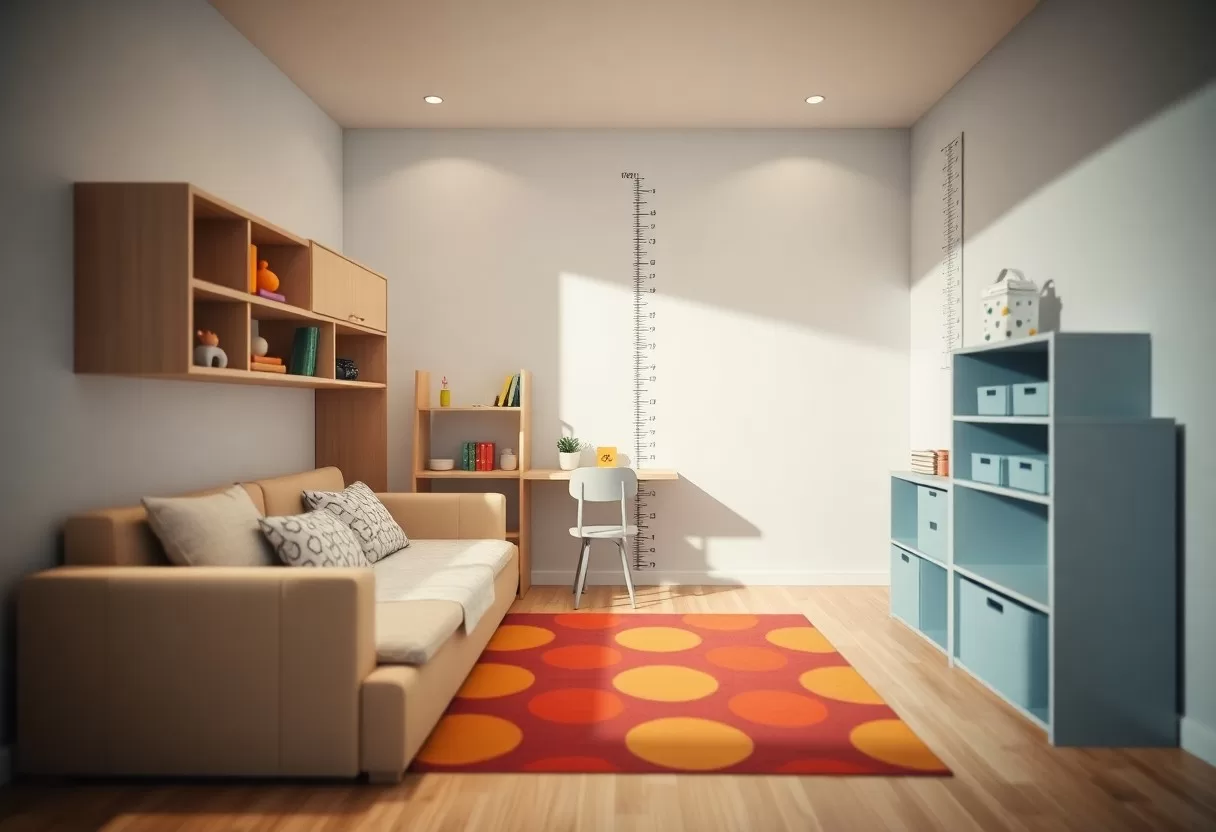
Consider investing in modular furniture, like a convertible sofa that turns into a bed when friends sleep over. Such designs not only accommodate various activities but also promote independence as your child learns to manage their space. Incorporating elements like removable wall decals allows for personal expression without permanent commitment, letting you easily refresh the room’s look as styles change. The goal is to foster an environment equipped for everything from playdates to quiet study sessions, supporting your child’s development seamlessly.
Key Elements of a Flexible Kid’s Room
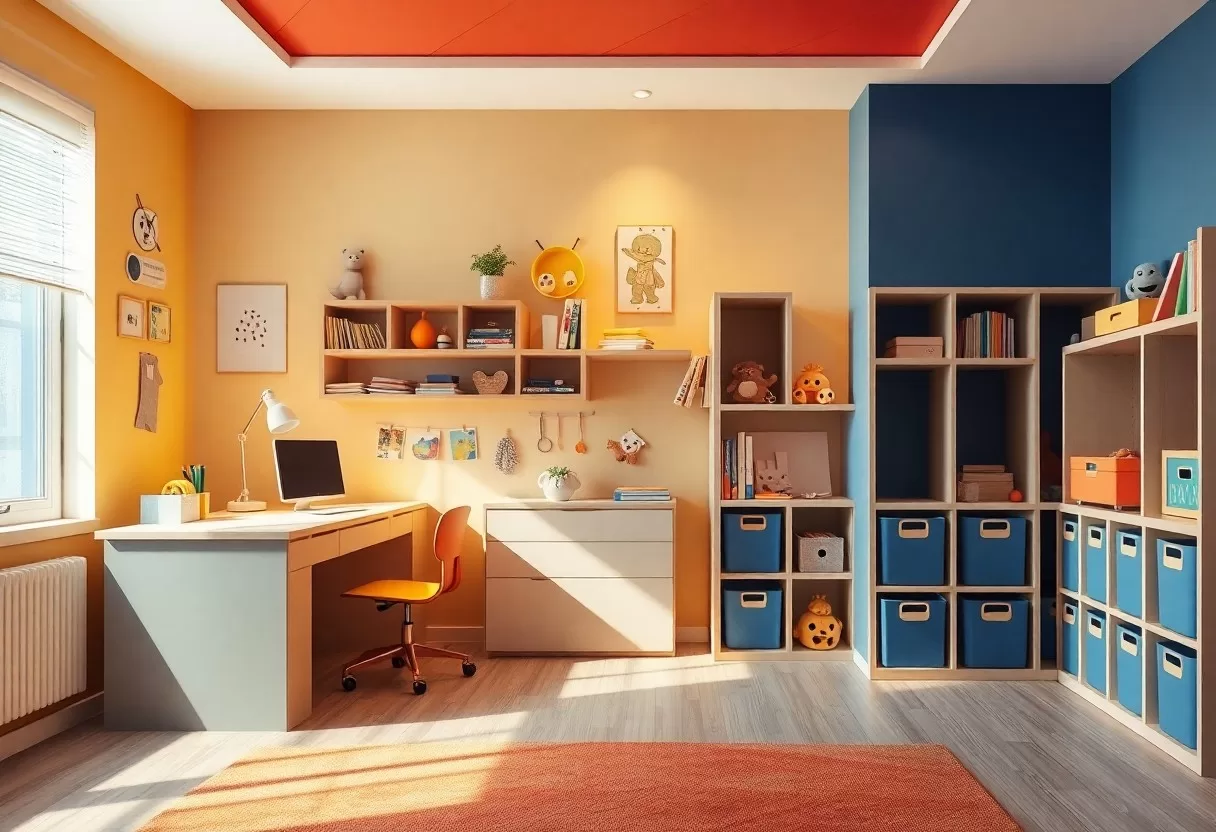
A flexible kid’s room should accommodate their evolving needs through adaptable designs. Prioritize functionality and versatility in furnishings, allowing for seamless transitions as your child grows. Incorporating smart storage solutions and multi-use spaces are imperative to maximize utility without sacrificing style. Always consider accessibility and personalization features, ensuring the room remains a haven that reflects your child’s developing personality.
Modular Furniture Options
Modular furniture offers the ultimate flexibility, allowing you to customize your child’s space as they age. Look for items like sectional sofas or adjustable beds that can easily change configurations, adapting to different needs over time. These pieces not only optimize space but also provide opportunities for creativity in arrangement, fostering an interactive environment.
Adaptive Decor Styles
When deciding on decor, your choices should easily evolve with your child’s tastes. Incorporate neutral color palettes in larger elements while using decorative accessories that can be updated frequently. Items like removable wall decals and accent pillows can be changed out as styles shift, making it simple to refresh the room while minimizing costs.
Adaptive decor styles reflect your child’s interests without overwhelming the space with permanent fixtures. For instance, if your child adores space themes one year, you can invest in cosmic-themed bedding and wall art. In a couple of years, swapping those items for floral designs or favorite characters keeps the environment fresh and engaging. The key is to use budget-friendly accents so that periodic changes can be executed effortlessly, allowing for continual personalization.
The Role of 3D Planning Tools
3D planning tools enhance your ability to design a child’s room that adapts to their needs. These digital platforms offer in-depth visualizations, enabling you to experiment with different layouts and decorations that can evolve alongside your child. With precise measurements and a variety of furniture options, you can create a space that is not just functional but also reflective of your child’s personality. They provide a visual guide that makes it easier to plan changes without the hassle of physical rearrangements.
Visualizing Space and Layout
Utilizing 3D planning tools allows you to visualize the arrangement of furniture and decor in your child’s room effectively. You can create a digital replica of their space, helping you assess how various elements interact. This allows you to experiment with different layouts, ensuring that you maximize both space and functionality. By seeing how furniture fits before making any purchases, you avoid costly mistakes and guarantee a room that meets your evolving needs.
Experimenting with Design Changes
3D planning tools empower you to make quick design alterations to better suit your child’s changing interests and needs. By moving furniture virtually, you explore numerous arrangements in seconds and see how different colors, themes, and styles impact the overall atmosphere of the room.
For example, if you’re considering transitioning from a playful theme to a more mature aesthetic, you can quickly swap out colors or furniture styles with a few clicks. This flexibility allows you to align the room with your child’s current interests without committing to expensive purchases. Additionally, incorporating features like modular furniture designs can also be visualized instantly, allowing for an easy transition as your child grows. With real-time adjustments, you can ensure the space remains relevant, personal, and supportive of their development.
Tips for Incorporating Personal Interests
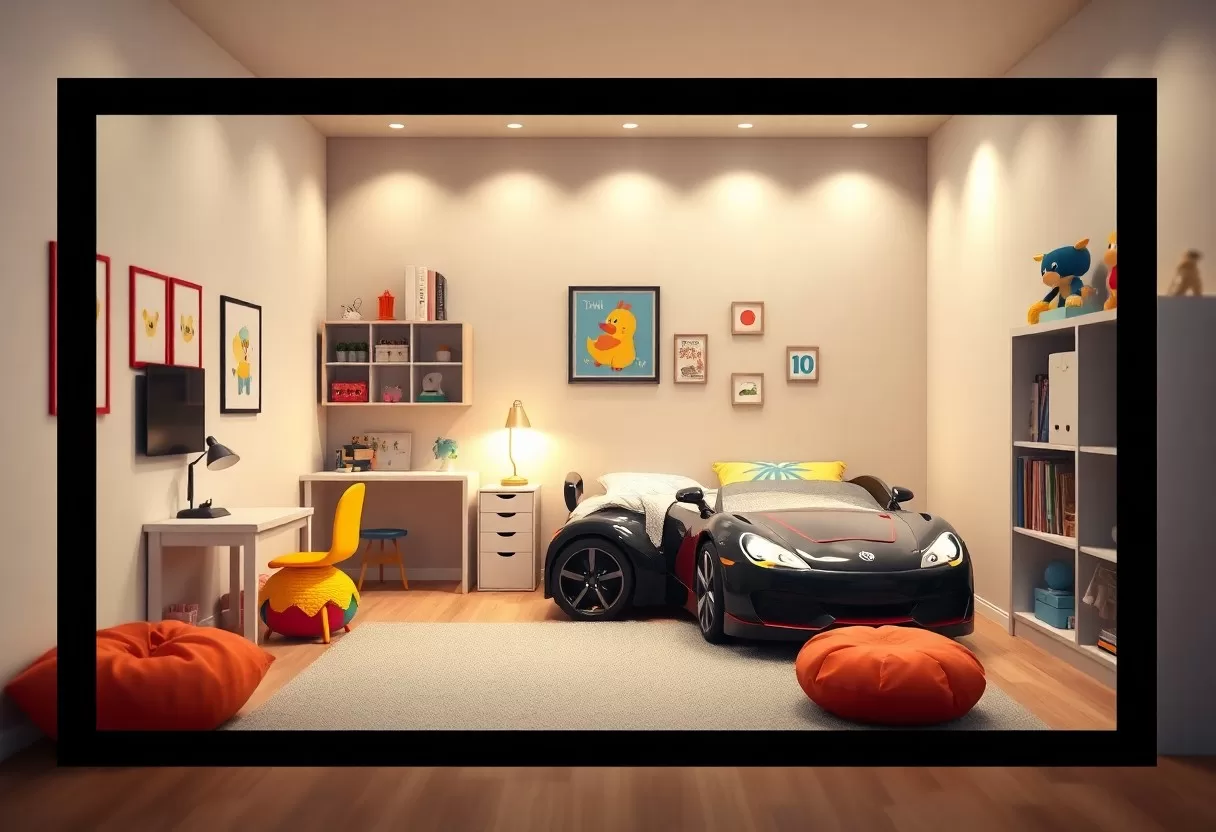
To create a room that reflects your child’s unique personality, integrate their interests into the design. Use color schemes that resonate with their favorite themes, and consider incorporating their favorite characters or hobbies. Opt for removable decals, dynamic storage solutions, and accessories that can be easily updated. Ensure that the space encourages both creativity and comfort, allowing your child to express themselves freely. Thou should frequently revisit and refresh these elements as your child’s interests evolve.
Themes That Evolve
Select themes that can transition smoothly over time. For example, instead of a full superhero motif, choose a color palette inspired by superheroes, allowing for decor that can shift as interests change. This approach maintains a cohesive look while providing flexibility to update accessories and artwork to suit evolving preferences.
Integrating Hobbies and Activities
Integrating hobbies into your child’s room offers opportunities for engagement. Dedicate spaces for specific activities like a reading nook, a craft corner, or a music area. Use multi-functional furniture to create a space that invites various pursuits, allowing your child to explore diverse interests without overwhelming the room.
Consider creating dedicated zones within the room that cater to hobbies like art or music. For instance, a small art station with storage for supplies encourages creativity, while a compact desk can serve for homework or gaming. Choose storage solutions that are both visually appealing and practical to keep everything organized. Personalize these spaces with framed pictures of their favorite achievements or trophies to foster a sense of ownership. Ensure flexibility allows for changes, as interests can expand or change quickly over time.
Sustainability Considerations
Choosing sustainable options not only benefits the environment but also promotes a healthier space for your child. When designing their room, focus on incorporating eco-friendly materials and long-lasting design choices that minimize waste and reduce your carbon footprint. By making conscious decisions now, you can create a lasting and adaptable environment that grows with your child while being considerate of the planet.
Eco-Friendly Materials
Selecting eco-friendly materials can significantly reduce your environmental impact. Look for furnishings made from responsibly sourced wood, low-VOC paints, and organic fabrics. Brands that prioritize sustainability often provide certifications, ensuring that products are free from harmful chemicals. By using these materials, you contribute to your child’s health and well-being while fostering awareness of sustainability.
Long-lasting Design Choices
Investing in long-lasting design choices is necessary for a room that adapts as your child grows. Opt for timeless furniture styles that won’t easily go out of fashion and are versatile enough to suit different age groups. For instance, a classic wooden bed can transition from a toddler’s crib to a teenager’s bed with minimal modifications, while modular shelving can be rearranged as storage needs change.
In addition to style, consider the durability of materials. For example, selecting robust fabrics for upholstery or rugs can withstand years of use and play. Modular furniture pieces can also be adjusted in size or function, allowing for continued use without the need for replacement. Investing in quality over quantity ensures that your child’s room remains functional and attractive throughout various stages of their development.
Budgeting for a Kid’s Room Transformation
Establishing a budget for your kid’s room transformation ensures you make informed decisions while avoiding unexpected expenses. Begin by assessing your overall financial capacity, including how much you’re willing to invest in furniture, decor, and storage solutions. Allocate funds for both initial purchases and future updates, allowing flexibility as your child’s needs change. Keeping your budget organized with specific categories will help you prioritize vital items over discretionary ones, ensuring a balanced approach to the renovation.
Cost-effective Solutions
Choose cost-effective solutions by incorporating multi-functional furniture and DIY projects that reflect your child’s personality. For instance, a bed with built-in storage can save space and money compared to traditional options. Consider thrift stores or online marketplaces for secondhand items that can be easily customized. Painting existing furniture or adding new hardware can provide a fresh look without breaking the bank.
Planning for Future Updates
Planning for future updates is vital to accommodate your child’s changing preferences and developmental stages. Incorporate flexible design elements, such as removable wall decals, adjustable shelving, and easily interchangeable accessories. Investing in a neutral foundation allows you to easily transition from a toddler’s playful design to a teenager’s more refined aesthetic. This adaptable approach ensures your child’s room remains relevant for years.
To effectively implement future updates, establish a system for evaluating your child’s evolving needs every few years. Engage your child in the design process, encouraging them to express their tastes and preferences. This not only strengthens their sense of ownership but also promotes a lasting connection to their space. Consider utilizing 3D planning tools to visualize potential changes without unnecessary expenditure, making it easier to adapt the space over time while keeping it vibrant and functional.
To wrap up
Ultimately, designing a kid’s room that adapts as your child grows is imperative for creating a functional and inviting space. By utilizing 3D planning tools, you can visualize different layouts and styles, ensuring the room meets your child’s evolving needs. Make the most of your design process and learn from various inspirations to achieve a harmonious balance between playfulness and practicality. For more insights, Explore Kids Room Ideas with 3D Home Designers.
FAQ
Q: What are the benefits of using 3D planning tools for designing a kid’s room?
A: 3D planning tools allow for a realistic visualization of the space, making it easier to experiment with different layouts, colors, and furniture options. These tools help parents make informed decisions that can adapt to their child’s changing needs over time.
Q: How can I ensure the design is flexible enough to grow with my child?
A: Incorporate versatile furniture, such as beds that can transition from toddler to twin sizes and storage solutions that can be adapted as needs change. Use a neutral color palette with the option for easily changeable decor to allow for personal expression as the child grows.
Q: What features should I include for a child’s room that influences their development?
A: Design the room to include areas for play, study, and relaxation. Incorporate multifunctional spaces, such as a study nook that can be transformed into a crafting area, along with age-appropriate storage for keeping the room organized and promoting independence.