Floating Homes and Water-Borne Living – The Future of Sustainable Coastal Living
Floating homes offer you an innovative solution to the challenges of climate change and rising sea levels, providing sustainable options for coastal living. By embracing water-borne living, you can reduce your environmental footprint while enjoying the beauty of waterfront views. These homes are designed to adapt to the changing waters, alleviating the risks of flooding. With advances in sustainable architecture and renewable energy sources, floating homes exemplify the future of eco-friendly living, allowing you to coexist harmoniously with nature while maintaining a modern lifestyle.
Key Takeaways:
- Floating homes offer resilience against rising sea levels and extreme weather, promoting sustainability in coastal living.
- Water-borne living can reduce land use pressures and encourage innovative architectural designs that integrate with natural ecosystems.
- Community-based floating developments foster social connections while providing access to crucial services and amenities.
Understanding Floating Homes
Floating homes represent an innovative solution for modern coastal living, melding sustainability with unique design. These structures float on water, offering resilience against environmental challenges such as rising sea levels. Typically anchored but capable of moving, floating homes integrate seamlessly into their aquatic surroundings, enhancing both aesthetic appeal and functionality.
Definition and Features
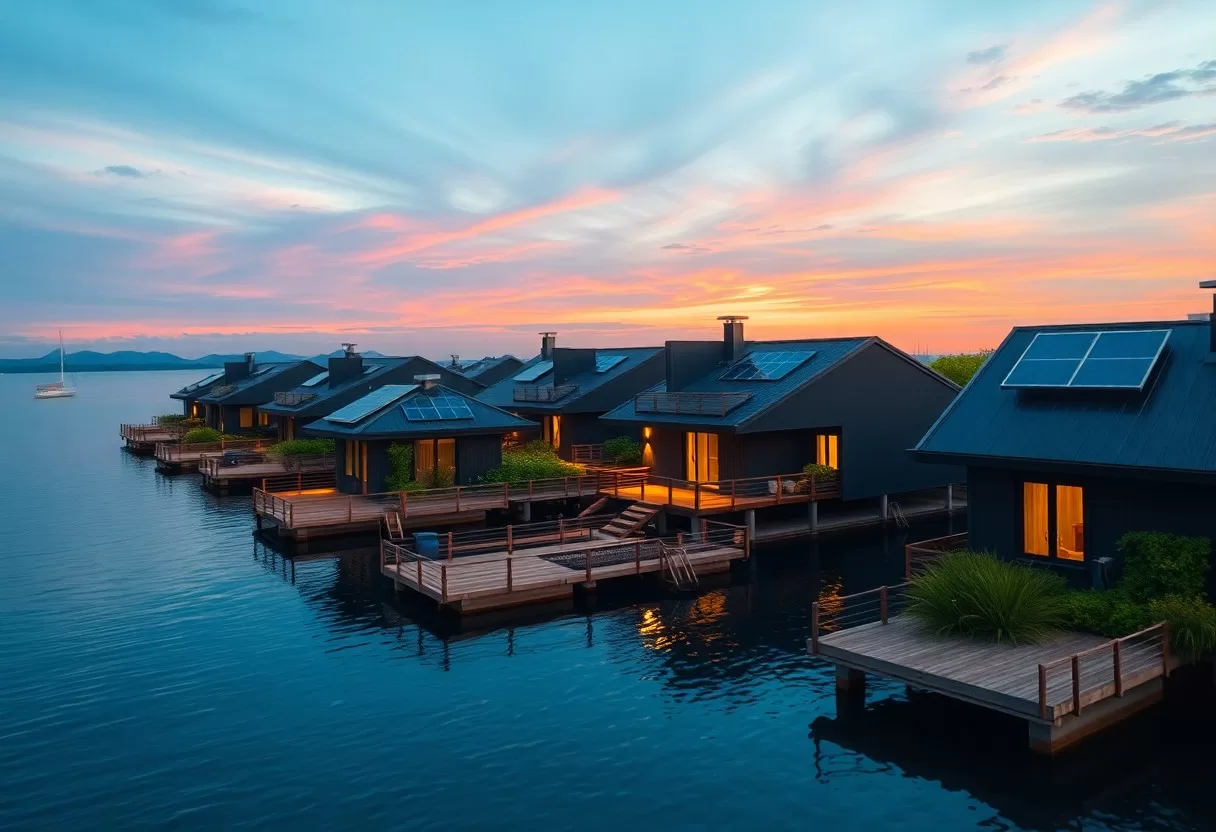
A floating home is a residential structure built on a buoyant foundation, allowing it to rest on a body of water. Key features include sustainability through solar panels, water-efficient systems, and environmentally friendly materials. With flexible designs, these homes often incorporate natural light and panoramic views, fostering a direct connection with nature.
Types of Floating Homes
There are various types of floating homes, each catering to different preferences and lifestyles. Common designs include modular units, houseboats, and platform homes. Modular units often allow for easy customization and expansion, while houseboats provide mobility and a unique living experience. Platform homes, designed for stability and extensive outdoor space, offer a more permanent solution.
| Type | Description |
| Houseboats | Mobile homes that can navigate waterways. |
| Modular units | Pre-fabricated homes for easy customization. |
| Platform homes | Stable structures with extensive outdoor areas. |
| Eco-floating homes | Designed for minimal environmental impact. |
| Luxury floating villas | High-end homes with premium amenities and design. |
Choosing the best type of floating home for your lifestyle requires careful consideration of factors like mobility, cost, and design preferences. Houseboats stand out for their adaptability, offering a lifestyle that changes with the water. Modular units provide flexibility, allowing you to modify your space over time. Platform homes excel in stability and outdoor enjoyment, ideal for those who prioritize both comfort and nature.
| Factor | Description |
| Mobility | Houseboats can navigate various waters, offering adventure. |
| Customization | Modular units allow personal touches and adjustments. |
| Stability | Platform homes offer secure anchoring and ample space. |
| Environmental Impact | Eco-floaters emphasize sustainable building practices. |
| Cost | Luxury options may require higher investment but provide opulence. |
- mobility
- cost-effective
- customization
- environmental sustainability
- stability
Perceiving the floating home lifestyle allows you to explore a harmonious blend of innovation and nature.
Environmental Benefits
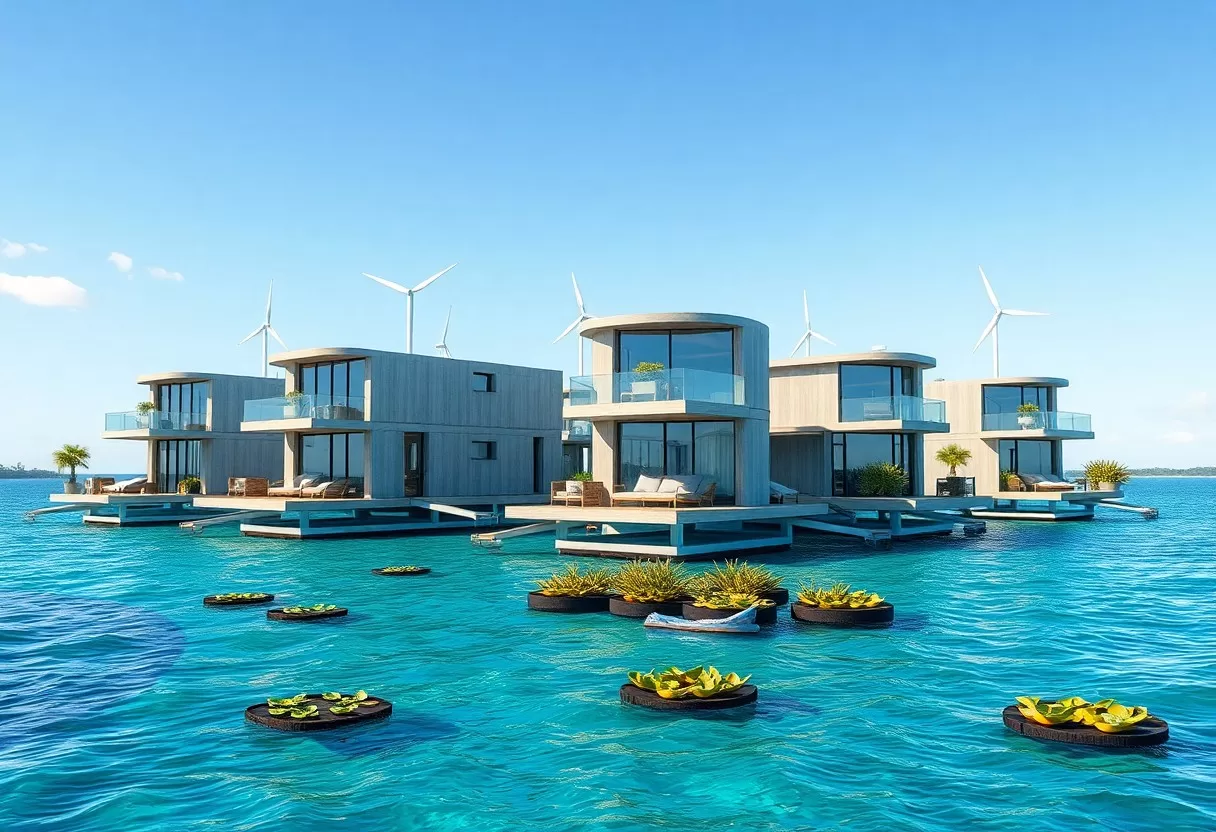
Floating homes inherently promote sustainable living by minimizing land use and enhancing biodiversity. These dwellings often integrate eco-friendly designs and materials, reducing their environmental footprint. For more on this innovative approach, check out Why the Dutch embrace floating homes.
Reduced Carbon Footprint
Your floating home can significantly lower your carbon emissions through efficient energy use. Many designs incorporate solar panels, rainwater harvesting systems, and sustainable materials, making them a greener alternative to traditional homes.
Resilience to Climate Change
Floating homes are built to adapt to rising sea levels and increased flooding risks. By elevating living spaces above projected water levels, you can keep your home safe and functional during extreme weather events. This adaptability ensures that your living arrangement remains unaffected by the challenges posed by climate change.
In urban areas, floating homes have been successfully developed as part of climate adaptation strategies. For instance, cities like Amsterdam and Rotterdam incorporate these structures, which provide a tangible solution to urban flooding and habitat loss. These homes remain resilient against storm surges and rising tides, often featuring flexible mooring systems that allow the structure to rise and fall with water levels. Ultimately, floating homes represent a proactive approach to environmental challenges, ensuring not just your safety but also that of the surrounding ecosystem.
Design Innovations
Floating homes are undergoing a remarkable transformation through innovative design strategies that prioritize sustainability and functionality. Architects are crafting these structures with a focus on optimizing space, enhancing energy efficiency, and blending seamlessly with the natural environment. The integration of adaptive designs helps these homes withstand the challenges posed by changing water levels while providing a modern aesthetic that appeals to eco-conscious homeowners.
Sustainable Materials
Your floating home can be both stylish and environmentally friendly, thanks to the use of sustainable materials. Many builders are opting for recycled or reclaimed products, such as salvaged wood and eco-friendly insulation, which not only minimize waste but also reduce your carbon footprint. Innovations like bamboo and hempcrete offer durability and promote a healthy indoor environment, proving that you don’t have to compromise on aesthetics for sustainability.
Smart Technology Integration
Smart technology is at the forefront of enhancing water-borne living experiences. You can control lighting, temperature, and security through smartphone apps, creating a seamless blend of convenience and efficiency in your floating home. Features like rainwater harvesting systems and solar panels are becoming standard, providing you with sustainable energy solutions that lower utility costs and your environmental impact.
Furthermore, advanced smart home systems can monitor your water and energy usage in real-time, offering suggestions for optimal consumption. For instance, systems that detect the weather can adjust your home’s insulation and ventilation accordingly, ensuring you stay comfortable while minimizing energy waste. Integrating these technologies not only boosts your home’s performance but empowers you to actively participate in sustainable living, fostering a deeper connection with your environment and promoting awareness of resource conservation.
Community and Lifestyle
Your experience in a floating home transcends mere residence; it fosters a unique sense of community that connects you with both nature and neighbors. The close-knit atmosphere encourages collaboration and interaction, allowing for shared resources and activities that instill a strong communal identity. Living in this environment facilitates the development of resilient social networks, necessary for overcoming challenges related to water-borne living.
Social Dynamics of Water-Borne Living
The social dynamics of water-borne living hinge on collaboration and mutual support among residents. Engaging with your neighbors fosters a vibrant community spirit, as you collectively address shared concerns such as environmental protection and resource management. Through activities like community meetings and shared projects, you strengthen bonds and enhance your living environment.
Recreational and Cultural Aspects
Your floating home experience offers unparalleled recreational opportunities, from water sports to cultural events that celebrate marine heritage. Whether it’s kayaking, fishing, or participating in local festivals, every day presents a chance to engage with the water in meaningful ways and nurture a rich cultural tapestry.
Various floating communities host cultural festivals that emphasize maritime traditions, providing you with countless opportunities to immerse yourself in local arts and cuisine. For instance, annual events often feature local musicians, artisans, and food vendors, showcasing the diversity of water-borne living. Workshops and classes in skills like sailing, marine conservation, and cooking with fresh catch not only enhance your lifestyle but also strengthen your connections with fellow residents, reinforcing the bond of community through shared cultural experiences.
Regulatory Challenges
Floating homes face various regulatory challenges that can complicate their implementation in coastal areas. Local governments often lack frameworks specifically designed for water-borne living, resulting in lengthy approval processes and uncertainty for developers and homeowners alike.
Zoning and Legal Issues
Zoning laws typically envision traditional land-based dwellings, presenting a barrier to floating homes. You may encounter difficulties in obtaining building permits, with existing land use plans often excluding water-based living arrangements, effectively stalling innovative housing solutions.
Environmental Regulations
Adhering to environmental regulations is a significant hurdle for floating home projects. You’ll need to navigate complex legal landscapes that govern water quality, habitat protection, and flood risk management, all of which can differ substantially by region.
Environmental regulations not only affect the permitting process but also stipulate design and operational practices for floating homes. For instance, you may need to implement measures to safeguard local ecosystems and mitigate potential impacts on marine life. Additionally, compliance with water quality standards can necessitate advanced waste management systems, further complicating construction and increasing costs. Failure to adhere to these regulations might not only result in fines but also hinder project feasibility, making it vital to engage with environmental experts early in the development process.
Economic Viability
Economic viability is central to the widespread adoption of floating homes. These innovative structures not only mitigate risks associated with climate change but also represent a potential shift in how you invest in coastal real estate. As explored in Embracing a Wetter Future, the Dutch Turn to Floating Homes, cities like Amsterdam showcase successful models where floating homes are gaining traction, emphasizing their feasibility in urban planning and housing markets.
Market Trends and Demand
In recent years, the demand for floating homes has surged, reflecting a growing awareness of sustainable living options amid climate concerns. Increasing urban populations and limited land availability have driven interest, as these homes offer unique waterfront living experiences without compromising on sustainability. With more companies emerging in this niche, you can expect to see a diverse range of designs catering to various lifestyle preferences.
Costs and Financing Options
Understanding the costs and financing options associated with floating homes is vital for your financial planning. Prices can vary dramatically based on location, design, and materials but generally range from $250,000 to over $1 million. While traditional loans may not always apply, there are specialized financing options and grants for sustainable housing initiatives that you can explore.
To navigate the financial landscape, consider engaging with lenders that offer products specifically designed for unique constructions like floating homes. Some local governments also provide incentives or subsidies aimed at promoting eco-friendly housing solutions. It’s important to conduct thorough research on what is available in your area – subsidies might significantly reduce your initial investment and enhance the overall economic viability of your floating home project.
Final Words
Now is the time for you to consider how floating homes and water-borne living can redefine sustainable coastal living. This innovative lifestyle not only minimizes your ecological footprint but also enhances your connection to nature. By embracing this trend, you can enjoy the tranquility of life on the water while contributing to a more sustainable future. Floating homes represent a forward-thinking approach to housing that harmonizes with changing environmental conditions, making them a viable option for your next home.
FAQ
Q: What are the environmental benefits of floating homes?
A: Floating homes minimize land use, preserve coastal ecosystems, and reduce urban sprawl. Their design can incorporate sustainable materials and technologies, leading to lower energy consumption and greenhouse gas emissions during operation. Furthermore, being on water can mitigate the impact of flooding, enhancing resilience against climate change.
Q: How do floating homes handle waste and utilities?
A: Floating homes are equipped with advanced waste management and utility systems designed to function efficiently on water. Many utilize composting toilets, which minimize water use, and greywater recycling systems to ensure water sustainability. Utilities like electricity can be sourced from renewable energy options such as solar panels, combined with battery storage systems.
Q: What lifestyle advantages do floating homes offer residents?
A: Living in a floating home provides unique lifestyle benefits, including stunning views and access to water-based activities such as fishing, kayaking, and swimming. The serene environment promotes well-being and a strong connection to nature. Additionally, many floating communities encourage a collaborative spirit, fostering close-knit relationships among residents.