
Before You Build – Essential Steps to Create the Perfect Floor Plan
Just as a solid foundation is key to a successful building, a well-thought-out floor plan is crucial for your dream home. To ensure your space meets your needs and lifestyle, you must carefully consider your requirements and preferences before finalizing your design. This guide will walk you through vital steps to help you create a floor plan that maximizes functionality, enhances flow, and reflects your personal style, making your vision a reality from the very beginning.
Key Takeaways:
- Conduct thorough research on space requirements and functionality before drafting a plan.
- Incorporate flow and accessibility considerations for efficient movement within the layout.
- Utilize visualization tools and software to accurately represent design ideas and adjustments.
Understanding Your Needs
Identifying your unique requirements lays the groundwork for an effective floor plan. Think about how you and your family live day-to-day, the activities you engage in, and any future changes that could affect your space. This tailored approach ensures your design aligns seamlessly with your lifestyle, accommodating personal preferences and long-term goals.
Assessing Lifestyle Requirements
Consider your daily routines and the roles each space will play. If you work from home, a dedicated office might be important. Families with children may need multifunctional areas for activities and homework. By evaluating how you use your home, you can better define necessary spaces that enhance your living experience.
Prioritizing Functionality
Functionality drives the efficiency of your space. Evaluate how different areas interact with one another, ensuring smooth transitions between rooms. Open concepts promote social interaction, while distinct areas enhance privacy. Prioritizing important functions, like storage and ease of movement, creates a balanced environment that meets your everyday needs without compromise.
A well-thought-out floor plan prioritizes core functionalities such as traffic flow, accessibility, and space utilization. For instance, placing the kitchen near living areas encourages connection while minimizing travel distance for meal preparation and serving. Integrating ample storage solutions, like built-in shelves or cabinets, enhances organization and reduces clutter, making everyday tasks more manageable. Consider features tailored to your activities, such as a mudroom for transitioning from outdoor play or a designated study nook to support focused work. Each of these elements contributes to a functional home that adapts to your lifestyle seamlessly.
Evaluating Your Space
Assessing your available space is vital to creating a functional floor plan that meets your needs. This process involves understanding the dimensions of your lot and how it interacts with your lifestyle and preferences. You’ll want to analyze not just the total area, but also the shape and topography, as these factors influence layout possibilities and outdoor options.
Measuring Your Lot
Accurate measurements of your lot form the foundation of your floor plan. Use a tape measure or digital measuring tools to gather vital dimensions, including length, width, and any setbacks required by local zoning laws. Create a scaled drawing to visualize the space, ensuring you account for features like driveways, sidewalks, and utility easements that may impact your design.
Considering Surrounding Environment
The surrounding environment plays a significant role in your floor plan design. Analyze local weather patterns, topography, and existing structures that may affect natural light, views, and privacy. These factors are not just aesthetic; they can impact energy efficiency and overall comfort. Take note of how these elements might shape living spaces, outdoor areas, and even room orientation to create a harmonious balance with nature.
Conduct research into the local climate and geography to determine how these aspects can influence your home. For instance, if you live in a region with heavy rainfall, you’ll need to factor in drainage solutions and covered outdoor spaces. Proximity to neighbors may prompt the need for strategic landscaping or thoughtful window placements to enhance privacy. Analyzing these elements beforehand ensures your home integrates seamlessly into its surroundings, maximizing both functionality and comfort.
Choosing a Design Style
Selecting a design style shapes the overall essence of your floor plan. Whether you’re inspired by modern minimalism or rustic charm, this choice influences everything from layout to material selection. Think about your lifestyle and preferences to select a style that complements your vision while fulfilling practical needs. Consider how you can incorporate natural light, open spaces, and functional flow that aligns with your chosen aesthetic.
Popular Floor Plan Styles
Several design styles have gained popularity among homeowners. Open-concept layouts promote flow and connectivity, while traditional designs often emphasize defined spaces and classical detailing. Contemporary styles favor clean lines and functional elegance, whereas transitional designs blend elements of both modern and traditional. Your selection should reflect not just current trends but also your lasting tastes, making your home distinctly yours.
Mixing and Matching Designs
Mixing and matching designs allows for a tailored approach, creating unique spaces that reflect your personality. Combining different styles adds depth and character, making your home more dynamic. You might choose to integrate industrial elements with soft, farmhouse touches, achieving a balance that works for you and your family.
Consider the impact of color, texture, and furniture when mixing styles. For example, a sleek, contemporary dining table can beautifully contrast with rustic wooden chairs, creating a focal point while adding warmth. Layering materials such as metal, wood, and fabric enhances visual interest. Aim for cohesion by selecting a common color palette or theme to unify the diverse elements, ensuring your home flows seamlessly from room to room. This approach not only showcases your creativity but also caters to a variety of functional needs without sacrificing style.
Creating Flow and Layout
Effective flow and layout transform a house into a functional home, enhancing both livability and aesthetic appeal. Consider how each room connects and influences the others, ensuring that transitions feel natural and intuitive. Assess the purpose of each space and the activities that will occur within it to create an engaging environment that encourages movement and interaction.
Open vs. Closed Layouts
Open layouts foster connectivity and interaction, ideal for modern lifestyles that embrace socialization and multitasking. They create a sense of spaciousness, allowing natural light to traverse rooms. In contrast, closed layouts offer privacy and defined rooms, cultivating distinct atmospheres for various activities, which can be valuable in households needing functional separation.
Traffic Patterns and Accessibility
Understanding traffic patterns ensures smooth movement throughout your home. Analyze how occupants will navigate spaces daily, from hallways to doorways. Giving careful thought to accessibility promotes comfort and efficiency, particularly in high-traffic areas like kitchens and living rooms.
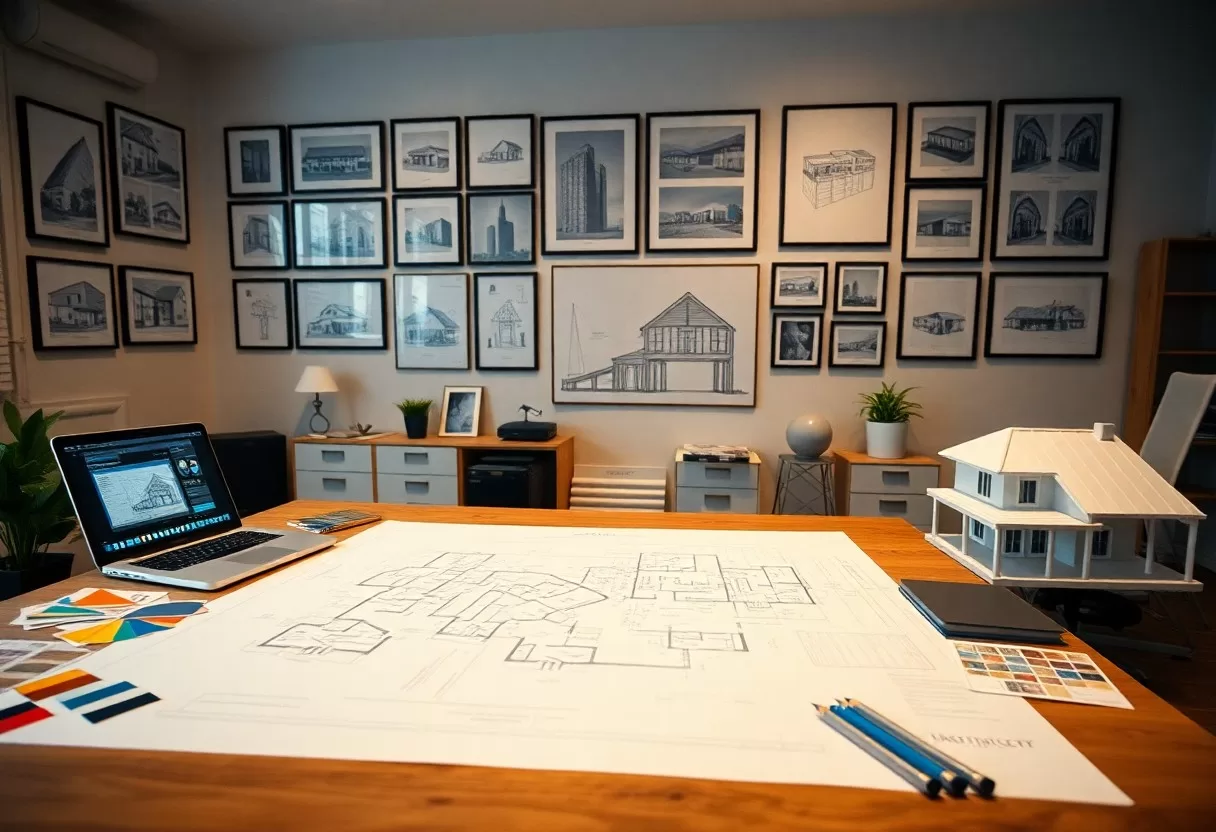
Consider the width of pathways, aiming for at least 36 inches to accommodate multiple users comfortably. Position furniture and fixtures thoughtfully to avoid obstacles and streamline movement. Visualize common routes and adjust layout plans accordingly, adapting to the needs of all household members, including those with mobility challenges. This foresight not only enhances usability but also enriches the overall living experience within your home.
Planning for Future Needs
Creating a versatile floor plan involves anticipating potential changes in your lifestyle or family structure. Consider how your space can adapt to various life events, from welcoming new family members to accommodating aging parents. Designate areas that can easily shift their purpose over time, ensuring your home remains functional and comfortable for years to come.
Anticipating Family Changes
Your family dynamics will likely evolve, and your home should reflect that flexibility. Envision spaces that can transform as your needs change, such as a nursery that later becomes a home office, or an extra bedroom that can cater to guests or future kids. Planning for unforeseen changes enhances your home’s longevity.
Integrating Technology and Sustainability
Embracing modern technology and sustainable practices is important in creating an efficient living environment. Smart home systems can enhance convenience, from automated lighting to energy-efficient appliances. Additionally, opting for sustainable materials and practices during construction helps reduce your carbon footprint while potentially saving on energy costs long-term.
Integrating technology and sustainability not only enhances your living experience but also represents a forward-thinking approach to home design. For example, installing solar panels can drastically lower energy bills and contribute to a greener planet. Incorporating smart thermostats adjusts temperatures based on your habits, optimizing energy usage. For materials, consider bamboo flooring or recycled insulation, which are both eco-friendly and stylish options. These choices not only reduce environmental impact but also add value to your property, creating a contemporary space that meets modern demands.
Budgeting for Your Floor Plan
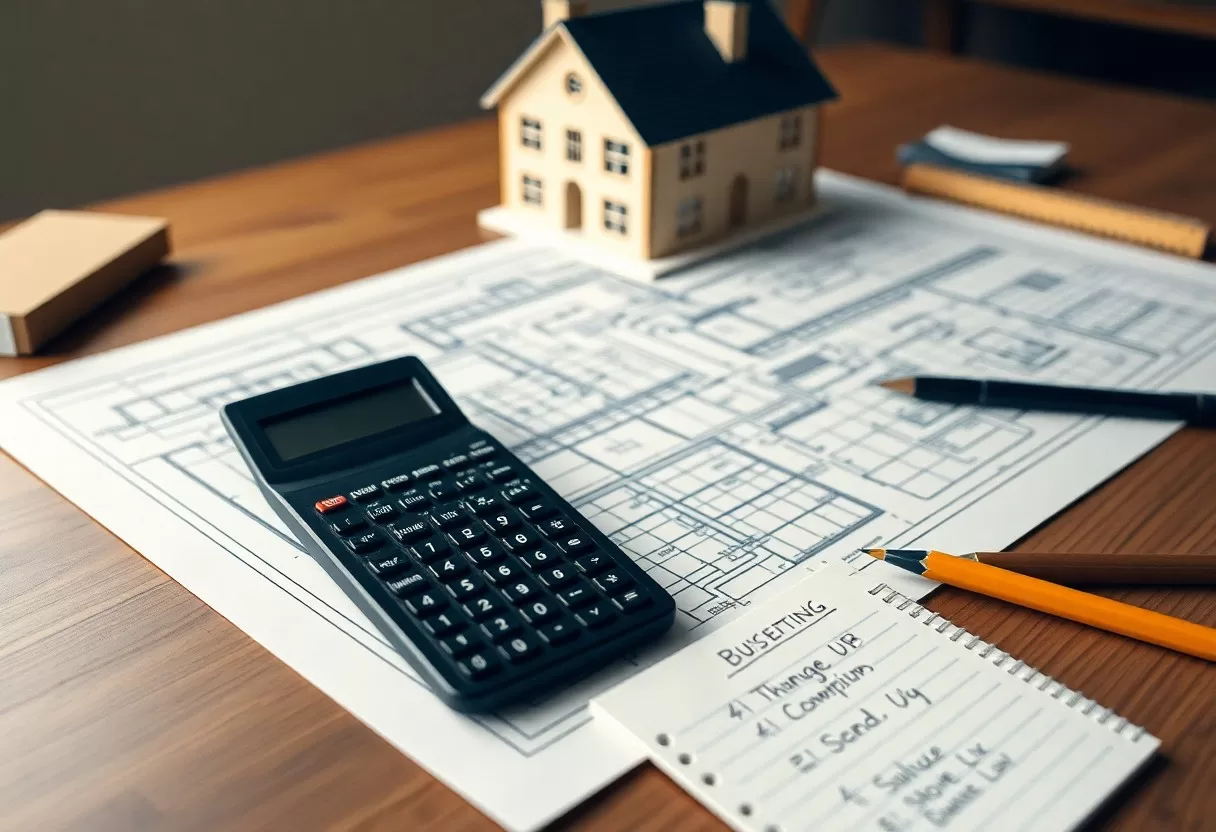
Establishing a budget for your floor plan sets the groundwork for your project, ensuring you create a space that meets your needs without financial strain. Every decision, from layout to materials, influences costs, so a well-defined budget guides you in making informed choices that align with your vision while considering unexpected expenses.
Cost Estimates and Range
Cost estimates for floor plans can vary widely based on location, design complexity, and materials chosen. For instance, a basic layout might start around $2,000, while intricate designs could exceed $10,000. Researching local averages helps you gauge realistic expenses and tailor your budget accordingly.
Allocating Resources Wisely
Effective allocation of resources involves pinpointing key areas where investment yields the highest returns in functionality and aesthetics. Prioritize elements such as crucial structural changes or premium finishes that enhance overall value, while identifying areas where you can cut costs without compromising your vision.
Assessing priorities may lead you to invest more in an open-concept kitchen, which often serves as the heart of the home, allowing for social interactions. Conversely, you might choose cost-effective fixtures or finishes for secondary spaces that won’t experience high foot traffic. Allocating your budget in this way not only ensures crucial elements receive attention but also facilitates a more efficient financial strategy. Keeping flexibility in mind for adjustments will help in efficiently managing your budget as the project progresses.
Final Words
Drawing together the vital steps to create the perfect floor plan empowers you to design a space that meets your needs. From assessing your lifestyle to considering future flexibility, each phase plays a pivotal role in ensuring functionality and comfort in your home. Taking the time to refine your ideas will lead to a tailored layout that reflects your vision. For further insights, explore How do I go about creating floor plans for the house I ….
FAQ
Q: What are the first steps to consider when creating a floor plan?
A: Start by identifying your needs and lifestyle. Consider the number of rooms, their functions, and the flow between spaces. Research design styles to determine aesthetic preferences and set a budget to guide your decisions.
Q: How can I optimize the layout for natural light and ventilation?
A: Analyze the orientation of your site to place windows and doors where they can capture maximum sunlight and airflow. Incorporate open spaces and consider using skylights or large glass doors to enhance light and air circulation.
Q: What tools or software can assist in creating a floor plan?
A: Utilize design software like AutoCAD, SketchUp, or online platforms such as RoomSketcher and Floorplanner. These tools offer templates and drag-and-drop features, making it easier to visualize and modify your floor plan effectively.