
Energy-Positive Homes – Designing Houses that Produce More Power Than They Use
It’s vital to recognize the shift towards energy-positive homes, where your living space generates more power than it consumes. By integrating advanced technologies and sustainable design principles, you can create a home that not only reduces your carbon footprint but also saves you money on energy bills. This blog post will explore cost-effective strategies and innovative solutions that empower you to take control of your home’s energy use, ensuring a brighter and more sustainable future.
Key Takeaways:
- Energy-positive homes generate more renewable energy than they consume, utilizing technologies like solar panels and energy-efficient appliances.
- Design principles prioritize sustainable materials, smart home systems, and passive solar heating to enhance energy efficiency.
- Integration of energy storage solutions allows for better management of energy production and usage, enabling homes to operate independently from the grid.
Understanding Energy-Positive Homes
Energy-positive homes epitomize the future of sustainable living, emphasizing a design philosophy that generates more energy than it expends. By integrating advanced technology and renewable energy sources, these homes not only minimize their environmental impact but also contribute back to the grid. This innovative approach merges efficiency with sustainability, ensuring your living space aligns with modern energy demands.
Definition and Principles
An energy-positive home is defined by its ability to produce a surplus of energy, primarily through renewable sources such as solar panels and wind turbines. The key principles involve maximizing energy efficiency through smart design, utilizing high-performance insulation, and incorporating energy-generating technologies. This holistic approach to energy management ensures that your home stays comfortable while actively participating in a greener energy ecosystem.
Benefits of Energy-Positive Design
Adopting energy-positive design offers substantial advantages, including reduced utility bills and a significant decrease in carbon footprint. With self-sufficiency in energy production, you gain financial security, while contributing positively to environmental conservation. Furthermore, many energy-positive homes qualify for government incentives and tax credits, enhancing their appeal and affordability.
The benefits extend beyond financial incentives; energy-positive homes foster a more resilient lifestyle, allowing you to buffer against energy price fluctuations and outages. By producing more energy than you use, you gain the freedom to invest in other sustainable practices-like electric vehicles or energy-efficient appliances. There’s also a profound psychological benefit to living in a home that contributes positively to the environment, nurturing a sense of fulfillment and responsibility towards future generations.
Key Design Strategies
To create energy-positive homes, you must implement design strategies that prioritize sustainability and efficiency. Innovations such as passive solar design, high-performance insulation, and energy-efficient appliances play vital roles. Emphasizing these strategies allows your home to harness and produce renewable energy. For practical inspiration, check out 10 Net Zero Energy Building Examples Worth Emulating.
Solar Power Integration
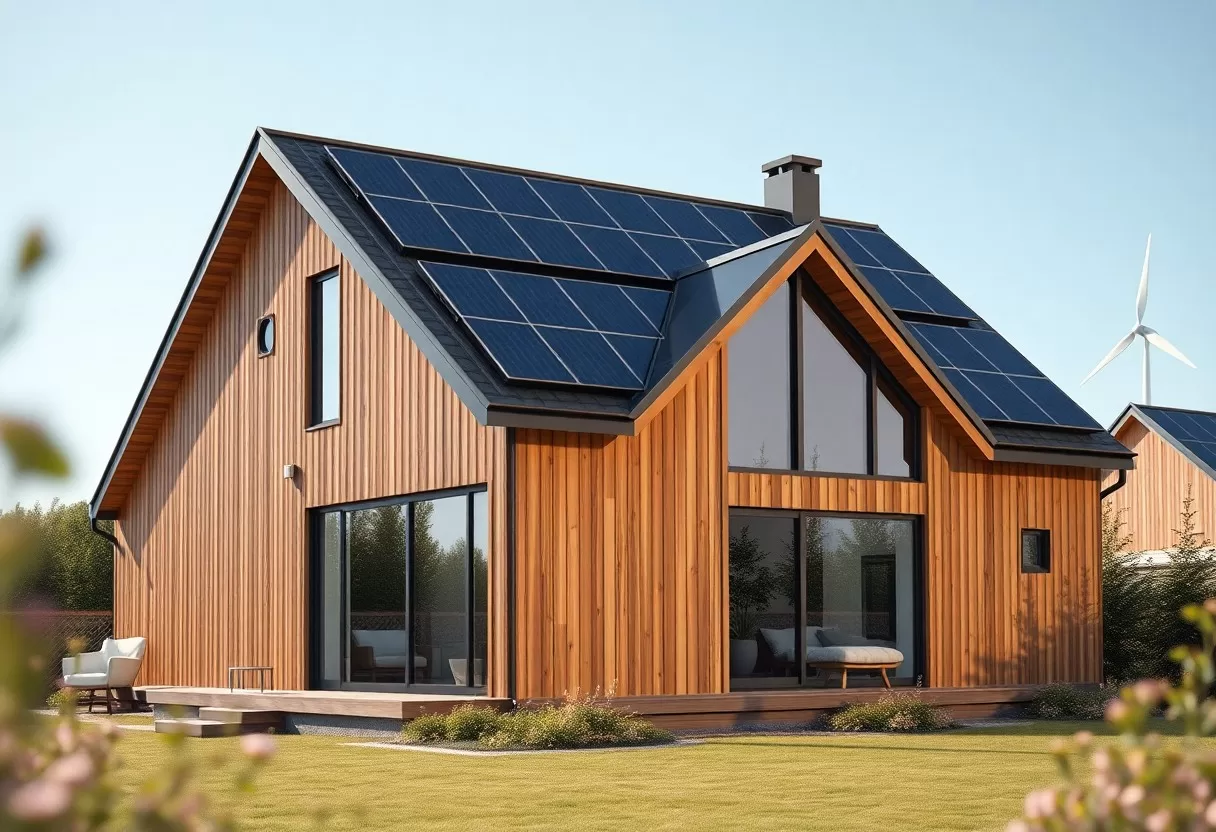
Integrating solar power into your home design is crucial for achieving energy positivity. Roof-mounted photovoltaic panels can convert sunlight into electricity, drastically reducing your energy bills. Combining solar technologies with energy storage systems enhances your home’s resilience, allowing excess energy to be used during periods of low sunlight.
Energy Efficiency Optimization
Energy efficiency optimization is about minimizing waste and maximizing the effective use of energy in your home. You should focus on selecting energy-efficient appliances, LED lighting, and smart home technologies that monitor and control energy usage. By implementing these measures, you can significantly lower your overall energy consumption.
Consider incorporating advanced insulation techniques such as spray foam or structural insulated panels. These methods improve thermal performance, keeping your home warmer in winter and cooler in summer. Additionally, installing ENERGY STAR-rated appliances can reduce your household’s energy usage by up to 30%. By prioritizing these details, you not only enhance your home’s comfort but also contribute to a sustainable future.
Sustainable Materials and Construction
Integrating sustainable materials and construction techniques optimizes energy efficiency and minimizes environmental impact. You can select options like recycled steel for framing or rammed earth for insulation, which provide durability while reducing waste. Building with local resources not only supports the economy but also lessens transportation emissions. Sustainable design principles guide every phase, ensuring your home contributes positively to its surroundings-benefiting both you and the planet.
Eco-Friendly Building Materials
Opting for eco-friendly building materials like bamboo, straw bales, or reclaimed wood can significantly reduce your carbon footprint. These materials are renewable, often locally sourced, and help maintain indoor air quality through lower emissions. By choosing such alternatives, you not only create a healthier home environment but also impact the surrounding ecosystem positively.
Smart Technologies in Construction
Incorporating smart technologies enhances energy efficiency and automates management of your home’s systems. Technologies such as smart thermostats, energy monitoring systems, and automated lighting controls allow you to optimize energy use dynamically, responding to changes in occupancy and energy costs. These systems contribute to a comprehensive approach that supports your energy-positive goals.
Smart technologies in construction go beyond mere convenience; they transform how you interact with your home. For example, a smart grid system can adjust the energy supply based on your usage patterns, maximizing renewable energy consumption. Integrating IoT devices enables real-time monitoring, which not only provides insights into energy efficiency but also allows for predictive maintenance, ensuring systems operate optimally. Case studies indicate homes with smart energy systems can reduce energy consumption by up to 30%, promoting a sustainable lifestyle that aligns with your energy-positive aspirations.
Energy Management Systems
Energy management systems are crucial for optimizing energy flow in energy-positive homes. By integrating advanced technology, these systems help you effectively monitor, control, and reduce consumption while maximizing energy generation. Utilizing real-time data, you can make informed decisions that enhance efficiency and ensure consistent energy surplus, contributing to sustainability and cost savings.
Monitoring Energy Production and Use
Effective monitoring of energy production and consumption enables you to understand your home’s energy dynamics. Smart meters and dedicated apps provide insights into your energy generation from renewable sources such as solar panels, as well as your consumption patterns. This awareness allows for adjustments in usage to optimize your energy-positive performance.
Grid Interaction and Storage Solutions
Your energy-positive home also requires strategic interaction with the grid and efficient storage solutions. Advanced battery systems allow you to store excess energy for use during low-production periods, while grid connection enables you to sell surplus energy back, creating a revenue stream and further enhancing your home’s sustainability.
Consider a scenario where your energy management system interfaces seamlessly with local utilities, allowing for net metering. This setup means every kilowatt-hour you produce but don’t use can be fed back into the grid, offsetting your future energy bills. Additionally, integrating battery storage means you can store solar energy generated during the day for use at night, reducing reliance on grid power and costs. With options like Tesla Powerwall or LG Chem, you can store significant energy amounts, ensuring your home remains energy-positive, efficient, and financially beneficial year-round.
Case Studies of Successful Energy-Positive Homes
Examining real-world examples of energy-positive homes reveals practical applications of innovative designs. 10 Houses that Actually Produce More Energy than They Consume provides inspiring insights into these developments.
- The Edge, Amsterdam: Generates 3,000 MWh/year, uses 1,500 MWh.
- Net Zero House, Massachusetts: Produces 12,000 kWh/year, consumes 9,000 kWh.
- Ecocapsule, Slovakia: Generates 1,750 kWh/year, consumes 1,300 kWh.
- Solar Decathlon House, California: Produces 15,000 kWh/year, consumes 10,000 kWh.
- Passive House, Germany: Produces 8,500 kWh/year, uses 5,000 kWh.
Innovative Designs Around the World
Globally, architects are pushing boundaries with energy-positive designs. Homes equipped with advanced solar panels, rainwater harvesting systems, and geothermal heating exemplify sustainability. For instance, a house in Norway utilizes triple-glazed windows, achieving significant heating efficiency, while a home in Australia incorporates passive solar design to maximize natural light and heat.
Lessons Learned from Implementation
The journey to creating energy-positive homes offers valuable lessons in sustainability and efficiency. You can see that strategic planning and careful consideration of local climate impacts performance. Such homes exemplify the integration of renewable resources and adaptive features that optimize energy use.
Insights gathered from these implementations highlight the importance of site orientation, material selection, and the use of smart technology. You’ll find that achieving balance between design and function can lead to substantial energy savings. Incorporating systems like smart thermostats, energy-efficient appliances, and proper insulation can drastically reduce energy consumption while maximizing production capabilities. Moreover, community involvement can influence local regulations to be more favorable towards energy-positive developments, changing how energy is perceived and consumed.
Challenges and Considerations
Designing energy-positive homes presents various challenges that require careful consideration. You must navigate the complexities of technology integration, energy management, and overall sustainability while ensuring that your home remains functional and aesthetically pleasing. The interplay between innovative materials and energy systems can affect costs and performance, necessitating a thorough understanding of the industry to make informed decisions.
Economic Viability
The economic viability of energy-positive homes hinges on initial investment, long-term savings, and return on investment. While upfront costs for high-efficiency systems and sustainable materials may seem steep, energy efficiency can lead to substantial savings over time. You can often recoup these costs through reduced utility bills and government incentives, making the investment worthwhile in the long run.
Local Regulations and Incentives
Local regulations and incentives play a vital role in your energy-positive home journey. You need to be aware of zoning laws, building codes, and available financial support that can significantly affect your project’s feasibility and affordability. Understanding these regulations will help you align your design with local requirements and take advantage of potential funding opportunities.
Many local governments offer incentives for energy-positive designs, such as tax credits, grants, and programs aimed at promoting renewable energy usage. Additionally, regulations may allow for expedited permitting processes, helping you save time and money. For instance, in some areas, homes that meet specific energy benchmarks can qualify for lower property assessments or even rebates on solar panel installations. Researching your local regulations and incentives ensures you are well-prepared to maximize benefits while navigating your energy-positive home construction.
To wrap up
Drawing together the insights on energy-positive homes, you have the opportunity to create living spaces that not only meet your needs but also contribute positively to the environment. By integrating renewable energy sources and innovative design principles, your home can generate more power than it consumes. This not only reduces your utility bills but also aligns with a sustainable future. Adopting these principles empowers you to take an active role in energy conservation and climate change mitigation, ensuring that your home is a source of energy and inspiration.
FAQ
Q: What are energy-positive homes?
A: Energy-positive homes are designed to generate more energy than they consume over the course of a year. They utilize advanced technologies such as solar panels, energy-efficient appliances, and improved insulation to maximize energy production and minimize consumption.
Q: How can I ensure my energy-positive home is cost-effective?
A: To maintain cost-effectiveness in an energy-positive home, consider using high-efficiency appliances, solar energy systems, and smart home technologies that optimize energy use. Additionally, take advantage of government incentives and low-interest loans designed for sustainable home improvements.
Q: What role do passive design principles play in energy-positive homes?
A: Passive design principles are crucial in energy-positive homes as they focus on harnessing natural resources for heating, cooling, and lighting. Techniques like strategic building orientation, optimal window placement, and thermal mass incorporation help reduce energy demand while enhancing comfort.