
Low Maintenance Landscaping – The Future of Effortless Gardening
With the growing demands of modern life, you may find it increasingly challenging to dedicate time to your garden. Low maintenance landscaping offers a practical solution by providing you with beautiful outdoor spaces that require minimal upkeep. This approach not only saves you time but also ensures that your garden remains sustainable and ecologically friendly. By adopting innovative techniques and selecting the right plants, you can create an effortlessly appealing landscape that enhances your home while allowing you to enjoy nature without the hassle of constant work.
Key Takeaways:
- Low maintenance landscaping prioritizes the use of native plants and sustainable practices, reducing the need for frequent upkeep and resource consumption.
- Incorporating hardscaping features such as paths, patios, and stone walls can create visually appealing gardens that require less watering and weeding.
- Utilizing smart technology, like irrigation systems and garden sensors, helps optimize water usage and simplifies garden maintenance for homeowners.
The Environmental Imperative of Low Maintenance Landscapes
Low maintenance landscapes are not just a trend; they are imperative for promoting ecological health and sustainability. As urbanization continues to increase, the need for gardens that require less input in terms of time, resources, and chemicals becomes paramount. Implementing these landscapes helps to reduce your ecological footprint while also creating a serene space that reflects natural beauty. Adopting practices that lessen maintenance demands leads to healthier ecosystems and encourages responsible land use.
Sustainability and Water Conservation
Implementing low maintenance landscaping directly contributes to water conservation efforts. By choosing drought-tolerant plants and incorporating efficient irrigation systems, you can significantly reduce water consumption. For example, planting xeriscape gardens not only minimizes watering needs but also enhances the resilience of your landscape during dry spells. These sustainable choices save both water and money, allowing you to enjoy a beautiful garden without the guilt of excessive resource use.
Biodiversity Promotion through Native Planting
Incorporating native plants into your low maintenance landscape is a powerful way to promote biodiversity in your local ecosystem. Native species provide imperative resources for wildlife, including food and habitat for pollinators such as bees, butterflies, and birds. By attracting these crucial species, your garden helps maintain and strengthen local populations and their habitats. Utilizing native plants reduces the reliance on chemical fertilizers and pesticides, ensuring a healthier environment for both your garden and the surrounding wildlife.
Choosing to plant native flora brings numerous benefits to your garden ecosystem. For instance, native plants are adapted to your local climate and soil conditions, requiring less water and maintenance than non-native species. They support a variety of wildlife, fostering a healthy ecosystem that thrives without the need for artificial inputs. According to the National Wildlife Federation, gardens that feature native plants can increase biodiversity by up to 30%. By opting for these plants, you not only enjoy a low-maintenance landscape but also play a vital role in preserving your local environment and supporting its inhabitants.
Choosing the Right Plant Palette
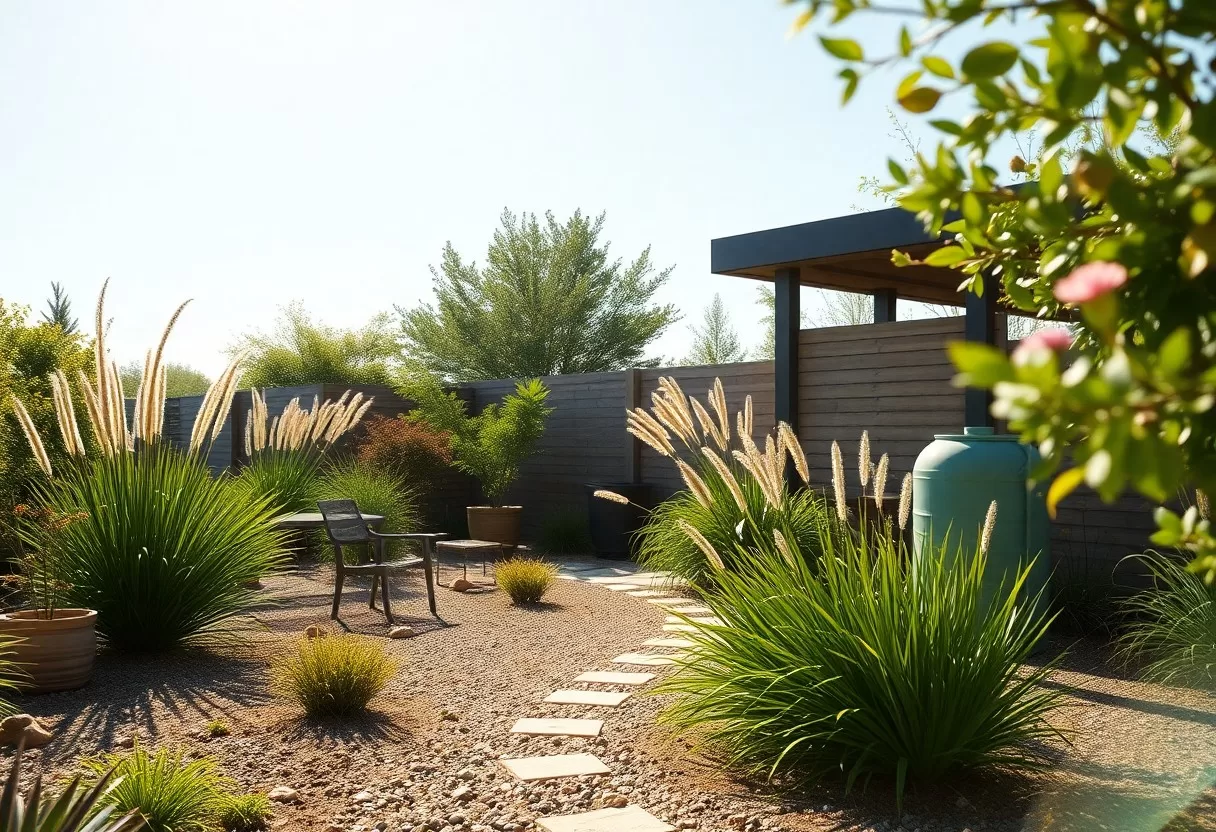
Selecting a plant palette that thrives in your local climate, requires minimal care, and enhances your landscape is key to achieving low maintenance gardening. Prioritize native plants, which have adapted to the environment and often require less water and care than exotic varieties. Combining different textures and colors will create visual interest without overwhelming you with upkeep tasks. Look for plants that not only suit your aesthetic but also complement one another to create a cohesive and thriving garden environment.
Drought-Resistant and Perennial Plant Selections
Focusing on drought-resistant and perennial plants can significantly reduce your garden’s water needs and maintenance. Varieties such as succulents, lavender, and ornamental grasses not only enhance your landscape but also conserve resources with their low water requirements. Incorporating perennials into your design allows you to enjoy seasonal beauty without replanting each year, making your garden not just sustainable but also filled with vibrant, returning blooms.
The Role of Ground Covers in Reducing Maintenance
Ground covers play a vital role in minimizing garden maintenance while enhancing aesthetics. These plants cover bare soil, suppressing weeds, retaining moisture, and providing ground stability. Varieties such as creeping thyme or sedum establish quickly and fill spaces effectively, providing color and texture without the need for regular upkeep. Using these low-growing plants can create a lush appearance that offsets the need for mulching or frequent weeding, allowing you to enjoy your garden with minimal effort.
Implementing ground covers effectively transforms areas of your landscape into low-maintenance zones. For instance, rather than battling weeds in a shady spot, a blanket of shade-tolerant ground cover like vinca minor will flourish, reducing your workload. Additionally, these plants improve soil health by preventing erosion and promoting biodiversity. By incorporating layers of ground covers, you create a visual depth that enhances your outdoor space while decreasing the time spent on upkeep.
Innovative Techniques for Effortless Design
Effortless design in landscaping relies heavily on innovative techniques that minimize labor while maximizing aesthetic appeal. Integrating elements that require little upkeep can transform your garden into a serene retreat with minimal effort. Using a mix of advanced materials and design philosophies, you can create a harmonious space that reflects your style without burdening you with constant maintenance.
Embracing Hardscaping Elements
Incorporating hardscaping elements such as patios, pathways, and retaining walls significantly reduces maintenance demands. These features not only provide structure and functionality but also replace areas that traditionally required regular landscaping care. Choosing materials like permeable pavers or decorative gravel can enhance your outdoor space while promoting effective drainage and soil health.
Utilizing Smart Technology in Garden Management
Integrating smart technology into your gardening routine can revolutionize the way you manage your landscape. Automated irrigation systems, for instance, can adjust watering schedules based on weather conditions, ensuring your plants receive the right amount of moisture without your constant oversight.
Embracing tools like soil moisture sensors, smart plant monitors, and automated watering systems can save you time and effort. For example, systems like Rachio allow users to program their sprinkler systems directly from their smartphones, adjusting them based on real-time weather data. Additionally, smart garden apps provide tailored care tips based on your plant species, creating an optimal growth environment while eliminating guesswork. This tech-savvy approach not only conserves resources but also enhances the health of your garden with minimal labor.
The Economic Benefits of Simplified Gardening
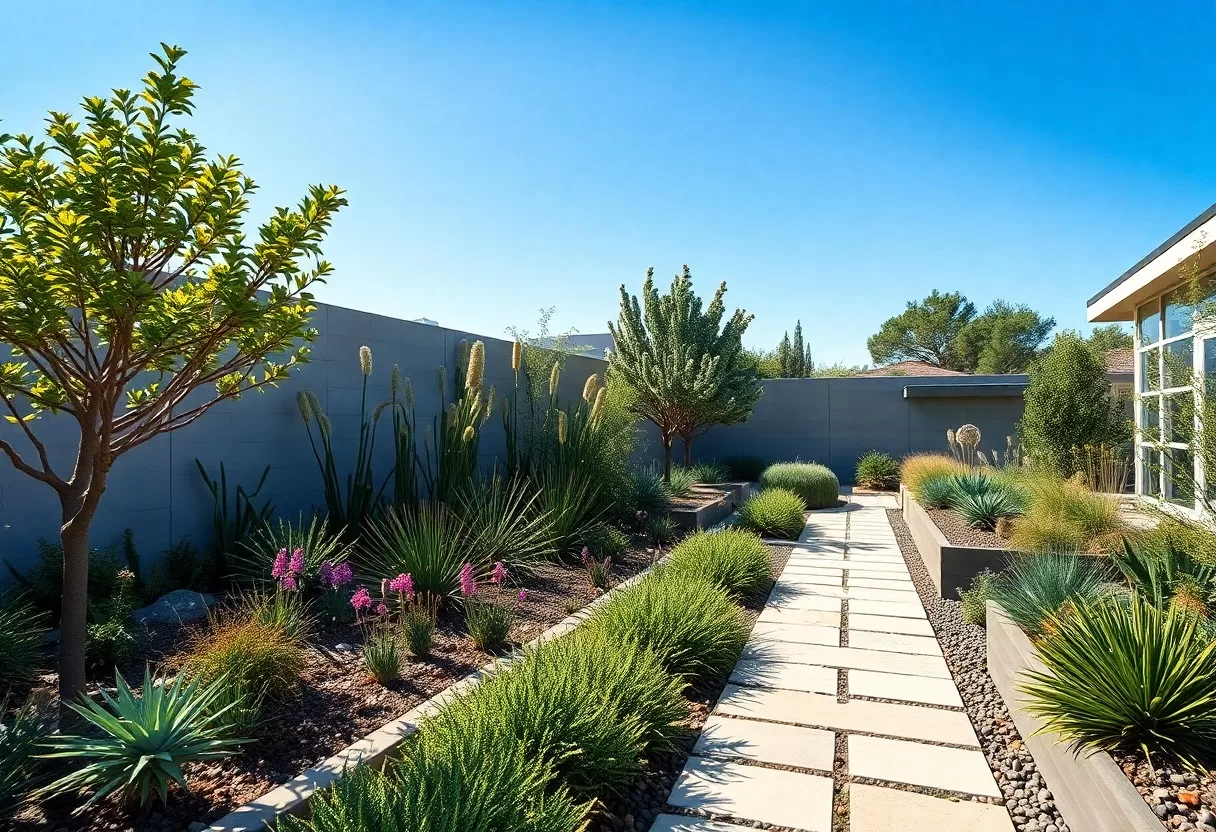
Embracing low maintenance landscaping not only enhances your outdoor space but also offers substantial economic advantages. By reducing the need for extensive upkeep, you can save on materials, labor, and utilities, leading to significant financial relief over time. Furthermore, as environmental concerns grow, properties featuring sustainable, easy-care gardening are increasingly appealing to homebuyers, further boosting their market value.
Cost-Effectiveness Over Time
Investing in low maintenance landscaping yields long-term cost savings. With less frequent need for water, fertilizers, and labor-intensive upkeep, your garden becomes a budget-friendly asset. Choosing plants that thrive in your local climate minimizes the risk of loss and reduces replacement costs, ultimately allowing you to spend less while enjoying a beautiful outdoor environment.
Value Addition to Property Through Low Maintenance
Properties that showcase low maintenance gardens tend to attract greater interest in the real estate market. Upgrades like drought-resistant plants and hardscaping not only decrease upkeep needs but also enhance your home’s curb appeal. A well-maintained, easy-care landscape signals to potential buyers that the property is efficient and economical, leading to quicker sales and higher offers.
The increasing emphasis on sustainability has made low maintenance landscaping a popular choice, which directly contributes to value addition to your property. Homes with aesthetically pleasing, low-care gardens often fetch prices up to 15% higher than similar homes without these features. For example, xeriscaping, which uses drought-tolerant plants, enhances the natural beauty of your yard while providing significant water savings, making your property not just attractive, but also economically wise for potential buyers looking for sustainable options.
Transforming Your Ordinary Yard into a Low Maintenance Oasis
Creating a low maintenance oasis in your yard involves strategic planning and thoughtful selection of plants and materials. Start by assessing your existing landscape and identifying areas prone to weeds or that require excessive upkeep. Choosing native plants that thrive in your local climate will reduce the need for additional watering and fertilizers. Incorporating hardscape elements such as stone pathways, gravel beds, or raised planters allows for a more durable outdoor space that requires minimal maintenance. You’ll soon enjoy a beautifully serene environment without the burden of constant care.
Steps for a Seamless Transition
Begin your transformation by carefully defining your goals; do you prefer more greenery, or are you after a minimalist look? Prioritize the removal of grass in favor of drought-resistant ground covers or decorative stones. Create distinct zones within your garden, such as seating areas surrounded by low-maintenance perennials and easy-care shrubs. Research versatile plants that can serve as both a backdrop and a focal point. Once the design feels right, gradually implement changes to your garden over a few seasons, allowing for adjustments as needed.
Common Pitfalls to Avoid in Conversion
During the conversion to low maintenance landscaping, many people overlook aspects that can hinder the process. A frequent mistake is underestimating the amount of sunlight different areas of your yard receive, which can result in poor plant selection. Additionally, planting too closely can lead to competition for resources, causing stress on your plants and increased maintenance. Be cautious about your budget; opting for high-quality materials may save you time and expense in the long run. Developing a thoughtful design plan ahead of time helps you avoid these costly missteps.
Overcommitting to a specific plant or decorative feature can trap you in a cycle of maintenance that your low maintenance goals aim to avoid. Many homeowners also fail to consider proper drainage solutions, leading to water pooling and damaging plants. Tight budgets often tempt you to choose cheaper but less durable materials, resulting in future repairs. Always research plant compatibility and growth habits to ensure they’ll work harmoniously in your space. Understanding these common pitfalls will empower you to create a truly effortless gardening experience.
Summing up
Summing up, low maintenance landscaping is the answer to effortless gardening that fits seamlessly into your lifestyle. By utilizing native plants, xeriscaping, and smart design, you can create a stunning outdoor space that requires minimal upkeep. This approach not only saves you time and effort but also promotes sustainability in your garden. Embrace the future of gardening by choosing methods that allow you to enjoy your outdoor environment without the burden of constant maintenance, enhancing both your home and your quality of life.
Q: What are some key features of low maintenance landscaping?
A: Low maintenance landscaping focuses on designing outdoor spaces that require minimal care and upkeep. Key features include the use of native plants, which are adapted to the local climate and soil, reducing the need for supplemental watering and fertilizers. Additionally, xeriscaping techniques, such as grouping plants with similar water needs and utilizing mulch, help conserve moisture and minimize weeds. Incorporating hardscaping elements like pathways and patios can also reduce the area that requires mowing or trimming, making the landscape easier to manage.
Q: How can I choose the right plants for a low maintenance garden?
A: Selecting the right plants is vital for creating an effortless garden. Start by researching native species that thrive in your region, as they typically require less water and are more resistant to local pests and diseases. Consider perennials over annuals, as they return year after year without needing to be replanted. Drought-tolerant plants and ground covers can also help reduce the need for lawn areas that require regular mowing. It’s beneficial to group plants with similar needs together to simplify care routines, and selecting plants with seasonal interest can ensure your garden remains appealing year-round.
Q: What landscaping techniques can enhance the low maintenance aspect of my garden?
A: To enhance the low maintenance aspect of your garden, consider incorporating several landscaping techniques. Creating a layered garden design can provide visual interest while reducing maintenance; taller plants can provide shade for shorter ones, thus lowering water evaporation rates. Use ornamental grasses and ground covers to suppress weeds and diminish the need for regular weeding. Implementing a rain garden to manage stormwater can also improve soil health while minimizing maintenance needs. Lastly, installing an efficient irrigation system, such as drip irrigation, can automate watering processes and ensure plants receive the necessary hydration without daily monitoring.