
Edible Landscaping – Integrating Fruits, Veggies and Herbs into Ornamental Gardens
Edible landscaping lets you blend beauty and bounty so you can enjoy fresh produce while maintaining your ornamental yard; to succeed, prioritize site selection and soil health, plan for seasonality and companion planting, and integrate design with functionality. Be aware of toxic ornamentals, invasive roots, and pesticide drift that can endanger people and crops. When done well, you gain year-round visual interest and regular harvests that elevate both aesthetics and self-sufficiency.
Key Takeaways:
- Design for beauty and yield: integrate fruit, vegetables, and herbs by repeating colors and textures, using layers and focal points so edibles appear intentional within ornamental beds.
- Match plants to site and function: select varieties for light, soil, and microclimate; group by water and maintenance needs and place high-use edibles near paths or the kitchen for easy harvest.
- Plan for low-maintenance productivity: choose dual-purpose ornamental edibles, use succession planting, mulching, and integrated pest management to sustain interest and reduce workload year-round.
Benefits of Edible Landscaping
You gain both function and form when you mix edibles into ornamentals: a single tomato plant can yield 10-30 lb of fruit and a dwarf apple tree often gives 40-100 lb once mature, translating to hundreds of dollars in seasonal value. Swapping in edibles also cuts food miles (average U.S. food travels ~1,500 miles), boosts pollinator habitat, and delivers fresher, tastier meals right from your yard.
Environmental Advantages
Swapping turf for productive beds reduces runoff and creates habitat for beneficial insects; drip irrigation and heavy mulch can cut your water use by up to 50%. Perennial fruit trees and herbs sequester carbon and moderate microclimates, while choosing organic practices protects pollinators-avoid chemical sprays that cause harm to bees and aquatic life.
Economic Savings
Homegrown produce quickly offsets costs: 10 tomato plants averaging 15 lb each at $2/lb equals about $300 of tomatoes, while seeds and starters often cost <$50 per season. You’ll recoup inputs fast, and preserved surplus stretches that value into winter months.
Calculate payback realistically: a raised bed typically costs $100-$300 to build and, with intensive planting, can pay back in 1-3 seasons. Dwarf fruit trees cost about $40-$150, start producing in years 2-4, and provide value for decades. Growing perennial herbs and repeated-harvest crops multiplies returns, lowering your per-meal cost and reducing supermarket trips.
Designing Your Edible Landscape
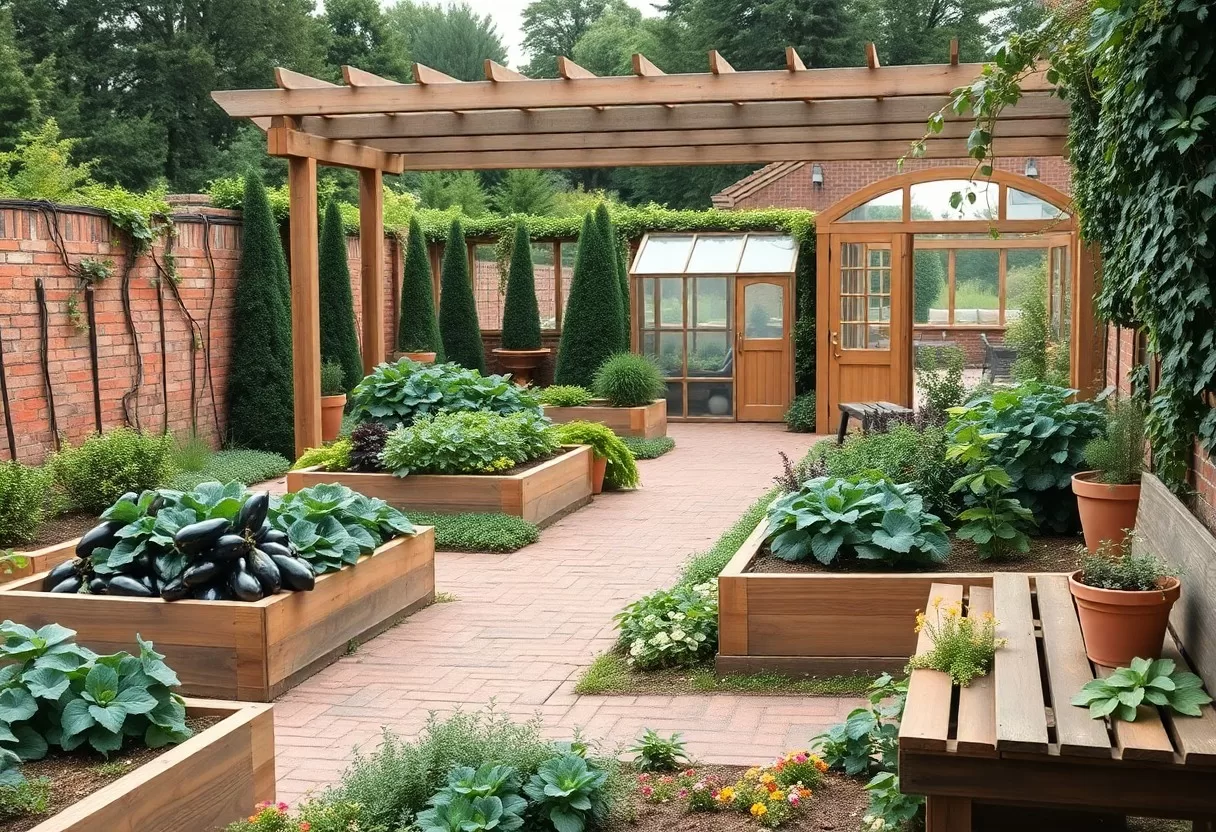
Layer plantings for aesthetics and yield: canopy fruit trees (dwarf apples 8-12 ft), mid-story shrubs like blueberries, and groundcover herbs or salad greens. You can tuck annuals into ornamental beds to extend harvests without sacrificing form. Use hardscape and focal plants to keep design intentional; avoid crowding root zones and steer clear of allelopathic trees like black walnut near edibles. For layout inspiration and styling tips see How to Foodscape: Stylish Edible Garden Ideas.
Planning Your Space
Map sun exposure in hours-aim to place sun-loving crops where they get 6-8 hours of direct light-and do a soil test (pH ranges: most vegetables 6.0-7.0, blueberries 4.5-5.5). Allocate paths 18-24 inches for access and set zones: high-maintenance annuals near the house, low-care perennials farther out. If reducing lawn, converting 30% of turf to beds yields significant produce while preserving visual balance.
Choosing the Right Plants
Pick varieties matched to your USDA zone and microclimate, favoring disease-resistant cultivars and appropriate rootstocks (dwarf trees save space). Stagger plant types: mix perennials (berries, herbs) with annuals (tomatoes, lettuces) for continuous harvest. Note pollination needs-some apples require cross-pollinators-and group by water needs to avoid over- or under-watering. Avoid planting nightshades together if blight is local.
Assess mature size and spacing before buying: e.g., blueberries need 4-6 ft between plants, indeterminate tomatoes 24-36 inches with staking, and grapevines 6-10 ft with a trellis. Choose compact or columnar fruit trees (dwarf apple, espalier pear) to fit small yards; grafted dwarf rootstocks often fruit in 2-3 years. Factor pollinators-plant native flowering perennials and herbs to boost yields-and rotate annual beds yearly to break pest cycles. Amend soil based on test results (2-3 inches compost worked into top 6-8 inches) and match irrigation: drip for veggies, deep soak for trees. Finally, prioritize varieties with proven local performance from extension trials or nearby growers to reduce inputs and increase success.
Integrating Fruits into Ornamental Gardens
You can weave fruiting plants into ornamental beds by using dwarf varieties and espaliered forms to preserve sightlines and structure. Try columnar apples or espaliered pears along fences, understory options like serviceberry, alpine strawberries, or blueberries beneath ornamental shrubs, and blueberry hedges for fall color. Note blueberries require pH 4.5-5.5 and full sun for best yields; protect ripening fruit from birds and deer with netting or cages.
Selecting Fruit-Bearing Plants
Match cultivars to your microclimate, soil and space: use dwarf rootstocks (M9, M27) for tight beds, choose self-fertile apples or cherries when you lack pollinator partners, and pick disease-resistant varieties like Liberty apple or Earliblue blueberry. Consider chill hours, rootstock vigor, expected mature size (dwarf 6-10 ft, semi-dwarf 12-18 ft) and spacing-plant dwarf trees 8-12 ft apart-and plan for pollinizers when needed.
Companion Planting with Fruits
You can use companions to attract pollinators, suppress weeds and cycle nutrients: plant borage and phacelia for bees, comfrey as a dynamic accumulator, and clover as a living mulch. Interplant nasturtiums as trap crops for aphids and set garlic near stone fruits to reduce fungal pressure. Avoid allelopathic trees like black walnut-juglone can kill many fruitings nearby-and protect your young trees from rodents and deer with physical guards.
For an apple guild, plant comfrey 3-4 ft from the trunk (3-5 crowns), sow clover at the drip line, and set 2-3 borage or phacelia plants to boost bee visits; you should keep a 1-2 ft mulch- and planting-free collar to prevent crown rot. Apply a 3-inch organic mulch, avoid crowding to maintain airflow-poor airflow raises fungal disease risk-and place trap crops like nasturtium 2-3 ft from fruit beds to lure pests away from your main plants.
Incorporating Vegetables into Garden Design
You can place vegetables as structural or textural accents among ornamentals-tomato and pepper clusters create summer color, while chard and kale add sculptural foliage in borders. Use specific spacing (tomatoes 24-36″ apart, peppers 18-24″) to preserve sightlines and airflow, and situate heavy feeders near compost sources. A productive 1,000 sq ft garden can yield 100-200 lbs annually, but avoid putting toxic plants like rhubarb leaves where children or pets forage.
Seasonal Vegetable Planning
Plan around your last and first frost dates: sow cool-season greens in early spring and again in late summer for fall harvest, and set up succession sowing every 2-3 weeks for continuous supply. Use raised beds and cold frames to extend growing by 4-6 weeks, and stagger crops (quick radishes vs. slow brassicas) so you always clear space for the next planting window.
Techniques for Space Efficiency
Grow vertically with trellises for cucumbers and pole beans (6-8 ft supports), adopt square-foot spacing-lettuce 4/ft², bush beans 9/ft², carrots 16/ft²-and interplant fast-maturing crops between slow ones to maximize turns per season. Vertical supports can increase planting density by 30-50%, and containers let you use patios, ledges or fences as productive beds.
Install trellises on the south or west edge, train vines with twine, and choose varieties sized for containers-dwarf tomatoes or bush beans limit shading. Plant radishes (25-30 days) between brassicas (60-90 days) to harvest before crowding, and give root crops at least 12 inches of loose soil; shallow pots under 8 inches will stunt carrots and beets. Drip irrigation and layered succession plantings can raise yields by 30-100% per square foot depending on management.
Adding Herbs for Flavor and Aesthetics
Place compact herbs like thyme, chives and dwarf rosemary as edging or interplant them among perennials to add scent, texture and seasonal blooms; thyme at 6-12 inches spacing makes a fragrant groundcover, while rosemary needs 18-24 inches and becomes a woody focal point. You can use lavender for purple contrast and pollinator visits, but be mindful that mint is invasive and some herbs (e.g., comfrey) are toxic if ingested.
Herb Garden Layouts
Mix formal and informal patterns: create a 4-foot herb spiral to fit 20-25 plants, group herbs in odd numbers (3-5) for visual balance, or tuck chives and marjoram into ornamental borders. You should use containers for invasive species like mint and place sun-loving Mediterranean herbs on south-facing edges; aromatic herbs near seating areas maximize fragrance, while thyme and oregano act as low-maintenance groundcovers that suppress weeds and attract pollinators.
Culinary and Medicinal Uses
You’ll reach for basil and oregano for tomato sauces, rosemary for roast lamb, and thyme for vegetables, while peppermint tea eases indigestion and chamomile is commonly used for mild sleep support. When using herbs medicinally, follow dosage guidelines and consult your doctor: St. John’s Wort interacts with many prescription drugs and should be used cautiously.
Preserve herbs by drying (keeps flavor ~6-12 months) or making vinegar and simple syrups; infusing oil is great for pesto but refrigerate and use within 1-2 weeks unless properly acidified. You should be aware that certain botanicals contain potent compounds-thymol and carvacrol offer antimicrobial benefits, rosmarinic acid is anti-inflammatory-and that pregnant women must avoid herbs like pennyroyal and high-dose comfrey due to toxicity and potential drug interactions.
Maintenance and Care for Edible Landscapes
Ongoing upkeep keeps your edible landscape productive: water deeply 1-2 times weekly in summer, prune dwarf fruit trees to maintain 8-12 ft forms, and rotate annual beds each year to cut disease pressure. Test soil every 2-3 years and consult guides like Easy Edible Landscaping: Fruits, Vegetables, Herbs for variety-specific care. Apply 2-3 inches of mulch to conserve moisture; poor sanitation and irregular watering invite pests and disease.
Soil Health and Fertilization
You should test soil every 2-3 years, aim for pH 6.0-6.8, and add lime or sulfur as needed. Incorporate 2-3 inches of compost annually or apply a balanced fertilizer (10-10-10) at about 1-2 lb per 100 sq ft in spring; side-dress heavy feeders like tomatoes and brassicas with 5-10-10 at bloom. Choose slow-release or organic options to provide steady nutrients and avoid excess nitrogen that reduces fruiting.
Pest Management Strategies
Scout weekly and use sticky traps and row covers during vulnerable stages; release predators such as lady beetles and lacewings and plant insectary species like alyssum. Apply targeted biologicals-Bacillus thuringiensis for caterpillars and spinosad for borers-and deploy pheromone traps for codling moth. Remove infected foliage and culled fruit immediately, rotate crops annually, and avoid overhead watering to limit fungal outbreaks.
Begin pest control by identifying the pest or pathogen so you can act precisely. For aphids, treat when more than 10% of plants show colonies-blast with water, introduce predators, or apply insecticidal soap. For late blight, remove and destroy infected plants and do not compost blighted material to prevent persistence. Monitor codling moth with pheromone traps and target treatments at first flight (roughly 250-350 degree-days base 50°F) or use mating disruption. Expand beneficial habitat with buckwheat, yarrow and dill, and reserve broad-spectrum insecticides to avoid harming natural enemies.
Final Words
The thoughtful integration of edible plants into ornamental beds gives you year-round beauty and harvest, maximizes space, and supports pollinators; by selecting compatible species, arranging for seasonality, and prioritizing soil health you create a resilient, productive landscape that reflects both culinary and aesthetic goals.
FAQ
Q: How do I design an edible landscape that looks intentional and ornamental rather than a vegetable patch?
A: Start with a site analysis (sun, shade, soil, drainage, views) and define a style palette-formal, cottage, Mediterranean-to guide plant choices and hardscape. Use repetition of a few edible species or colors to create cohesion, treat edibles as ornamental elements (layered beds, specimen containers, hedges, espaliers) and position high-impact, attractive edibles where people will notice them (entryways, borders, patios). Combine texture and seasonal interest by mixing evergreen herbs and shrubs (rosemary, bay) with colorful vegetables (chard, kales) and flowering edibles (nasturtiums, borage). Conceal functional elements-compost bins, trellises, drip lines-behind screens or in matching materials. Plan for succession so beds are productive without looking bare: interplant fast-growing salad greens among slower crops, use understory herbs beneath dwarf fruit trees, and include structural plants (ornamental alliums, artichokes) that carry the design through winter.
Q: Which fruits, vegetables and herbs are best for integrating into ornamental gardens and where should they be placed?
A: Choose varieties with ornamental traits and appropriate sizes: dwarf or espaliered fruit trees (apples, pears) for walls and focal points; compact shrubs (blueberries, currants) for mixed borders; edible perennials with architectural form (artichokes, cardoons) as vertical accents; colorful leafy vegetables (Swiss chard, purple kale, lettuces) for edging and massing; edible flowers (pansies, violas, nasturtiums) for containers and front-of-border color; aromatic, evergreen herbs (rosemary, lavender, thyme, sage) for pathways, low hedges and foundation plantings. Place sun-loving fruit and most vegetables in the sunniest beds, shade-tolerant greens and herbs under dappled shade or on the north side of structures, and containers on patios or steps where they enhance seating areas. Match plant height and seasonality to sightlines so fruiting shrubs and trellised vines do not block views or dwarf companion ornamentals.
Q: How can I maintain productivity and control pests and fertility without spoiling the ornamental look?
A: Use integrated cultural practices: start with a good soil test and amend for structure and nutrition so plants are vigorous and less pest-prone. Use drip irrigation and neat mulch layers to reduce weeds and keep soil tidy. Favor biological controls and habitat for beneficial insects (flowering herbs, insectary strips) and select physical or targeted solutions first-row covers, hand-picking, sticky traps-before broad-spectrum sprays. Train and prune fruit trees and vines into tidy forms (espalier, cordon) to reduce disease and fit the design. Place support structures (trellises, cages) in materials and colors that match the garden’s style. Schedule staggered harvesting and replanting to avoid long, empty patches; use attractive containers and raised beds with clean edges to maintain form while allowing accessibility for maintenance.