
Eco-Friendly Homes – Why Sustainability Is The Future Of Living?
Many homeowners today are waking up to the reality that traditional living practices can be harmful to the planet. By embracing eco-friendly homes, you have the power to reduce your carbon footprint and promote sustainable living. Making conscious choices in your home design and construction can lead to significant energy savings, improved air quality, and a healthier environment for generations to come. As the shift towards sustainability becomes more urgent, understanding the benefits of eco-friendly living is imperative for you to contribute to a brighter future.
Key Takeaways:
- Eco-friendly homes utilize sustainable materials and energy-efficient technology, reducing environmental impact and lowering utility bills.
- Incorporating renewable energy sources like solar panels can significantly decrease reliance on fossil fuels and promote energy independence.
- The design of eco-friendly homes often prioritizes natural light and ventilation, enhancing indoor air quality and overall well-being for residents.
- Investing in sustainable living can increase property value and appeal to environmentally conscious buyers in the real estate market.
- Building eco-friendly homes fosters a sense of community by encouraging local sourcing of materials and sustainable landscaping practices.
The Paradigm Shift: From Conventional to Eco-Friendly Living
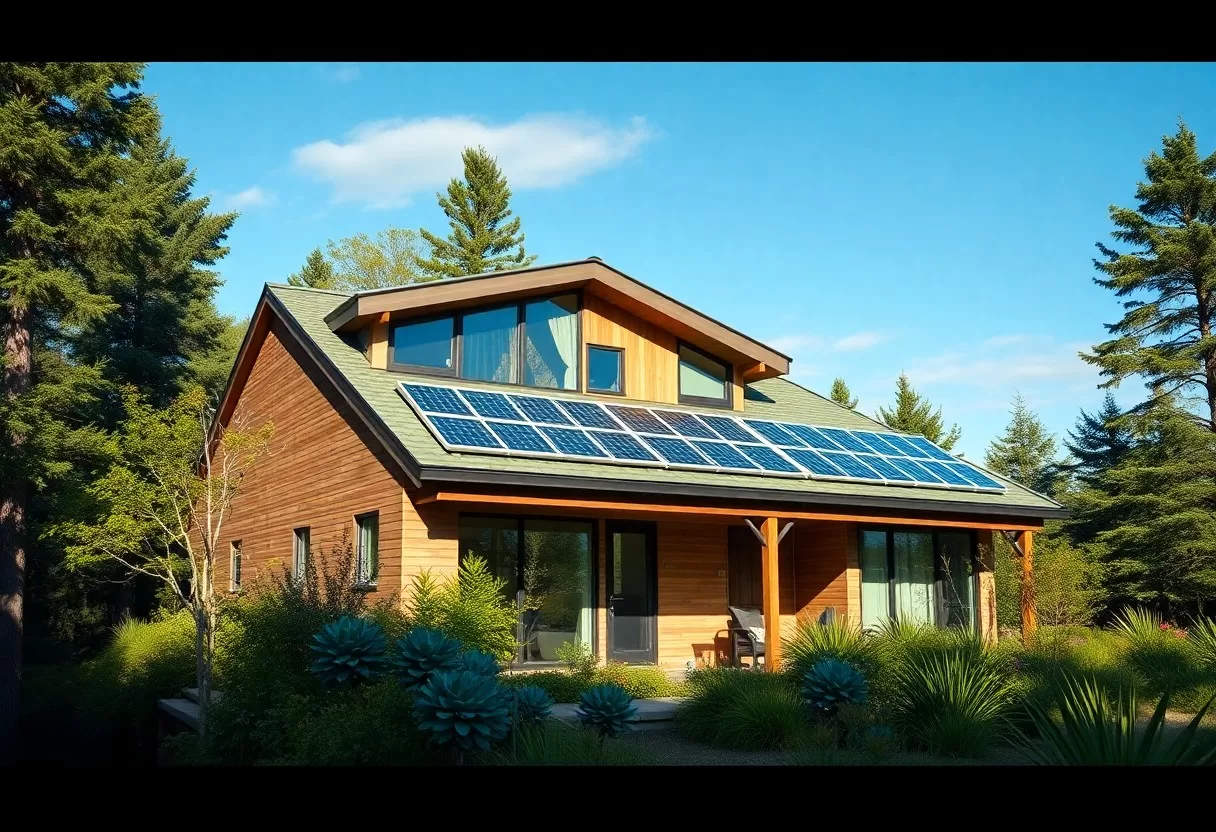
The transition to eco-friendly living marks a significant turn in how we view our homes and communities. You’re now part of a larger movement that prioritizes sustainability over convenience, leading to innovative home designs and practices. This shift not only concerns energy efficiency but also encompasses mindful consumption, waste reduction, and a deeper connection to nature. As you embrace these changes, you contribute to a thriving planet and ensure a healthier living environment for future generations.
The Rise of Environmental Consciousness
Awareness of environmental issues has skyrocketed, influencing how you approach your lifestyle choices. With alarming statistics on climate change and pollution constantly in the media, it’s no surprise that you’re more inclined to adopt sustainable practices. Movements advocating for renewable energy adoption, minimalism, and organic farming resonate with you, pushing the conversation around eco-living into mainstream culture.
Economic Incentives for Sustainable Choices
Making sustainable choices can also align with financial benefits that directly impact your budget. Initiatives such as government rebates on solar installations or homeowners insurance discounts for energy-efficient properties make eco-friendly upgrades more accessible. These economic incentives are designed to encourage you to invest in sustainable technologies, ultimately saving you money while enhancing your property’s value.
In the U.S., the Solar Investment Tax Credit allows you to deduct up to 26% of the cost of solar panels from your federal taxes, significantly reducing your initial investment. Local governments sometimes offer additional rebates for energy-efficient appliances, making the transition to a greener home even more appealing. Moreover, renewable energy sources often result in lower monthly utility bills, providing you with immediate financial relief while benefiting the environment. Such incentives not only make sustainable living a savvy economic choice but also align with your desire for a greener future.
Building the Future: Innovative Eco-Designs that Inspire
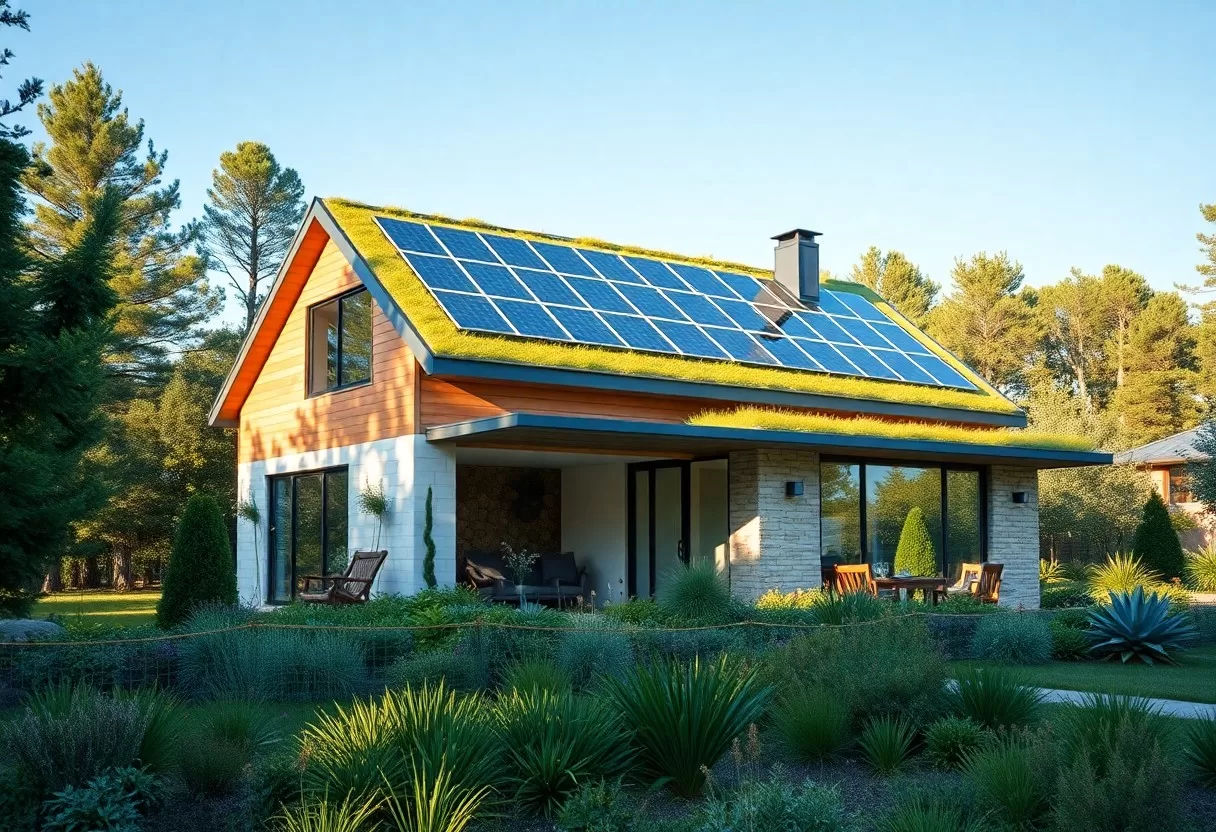
Visiting eco houses offers a glimpse into the future of sustainable living, showcasing innovative designs that not only harmonize with nature but also inspire conscious choices. These homes blend modern aesthetics with environmental integrity, featuring solar panels, green roofs, and natural ventilation systems. For ideas and guidance on creating your own sustainable oasis, check out Eco houses: how to build for a sustainable future.
Smart Technologies Enhancing Energy Efficiency
Smart technologies are transforming energy efficiency in homes, giving you real-time control over consumption. Innovations like smart thermostats, energy management systems, and automated lighting help minimize waste. By incorporating these solutions, your home not only reduces its carbon footprint but also leads to considerable savings on utility bills.
Sustainable Materials: The Backbone of Green Construction
The choice of materials plays a vital role in sustainable construction. Opting for recycled, reclaimed, or sustainably sourced materials reduces environmental impact and supports eco-friendly practices. Natural materials such as bamboo and hemp not only minimize energy use but also offer durability and aesthetic appeal, ensuring your home remains both functional and stylish.
Sustainable materials are at the forefront of green construction, providing significant advantages that enhance both the structural integrity and environmental responsibility of your home. For instance, bamboo grows rapidly and absorbs more carbon dioxide than traditional timber, making it an exceptional choice for flooring and cabinetry. Recycled steel provides exceptional strength while reducing waste, and reclaimed wood adds character while diverting materials from landfills. Each material used in the construction process must be carefully considered to create a home that’s not only beautiful but also aligns with your sustainability goals and promotes a healthier living environment.
Beyond Construction: The Broader Impacts of Eco-Friendly Homes
The advent of eco-friendly homes extends far beyond just construction; they positively influence your community, environment, and overall quality of life. As your transition to a sustainable home can also mean actively participating in a broader movement towards eco-conscious living, you might find yourself more engaged with efforts that promote social responsibility, reduce resource consumption, and enhance local biodiversity. Understanding the differences in Sustainable Home vs. Eco Friendly Home helps frame these impacts more clearly.
Community and Urban Planning with Sustainability in Mind
Investing in eco-friendly homes encourages planners and local governments to adopt sustainable practices in urban development. This means more green spaces, efficient public transport systems, and energy-efficient infrastructures that benefit everyone in the community. You may notice how neighborhoods become more vibrant and resilient as eco-friendly homes draw in like-minded residents committed to improving their environment.
Impact on Public Health and Well-Being
Eco-friendly homes are designed to promote healthier living by utilizing non-toxic materials, maximizing natural light, and improving air quality. These features contribute to reduced allergens and better mental health. Sustainable living fosters a connection between you and your environment, which can be a powerful catalyst for personal well-being.
Your health and well-being can significantly improve through eco-friendly living due to a range of factors. For instance, high-quality insulation in sustainable homes minimizes energy costs while also ensuring consistent temperatures throughout the year, reducing cold drafts and extreme heat. Optimizing air quality through ventilation systems and using materials that don’t emit harmful VOCs can alleviate respiratory problems. Moreover, eco-friendly communities often prioritize access to green spaces and recreational areas, which encourage outdoor activities that are not only healthy but also promote social interaction, ultimately creating a more connected, happier community.
The Incentive Landscape: Government Policies and Incentives
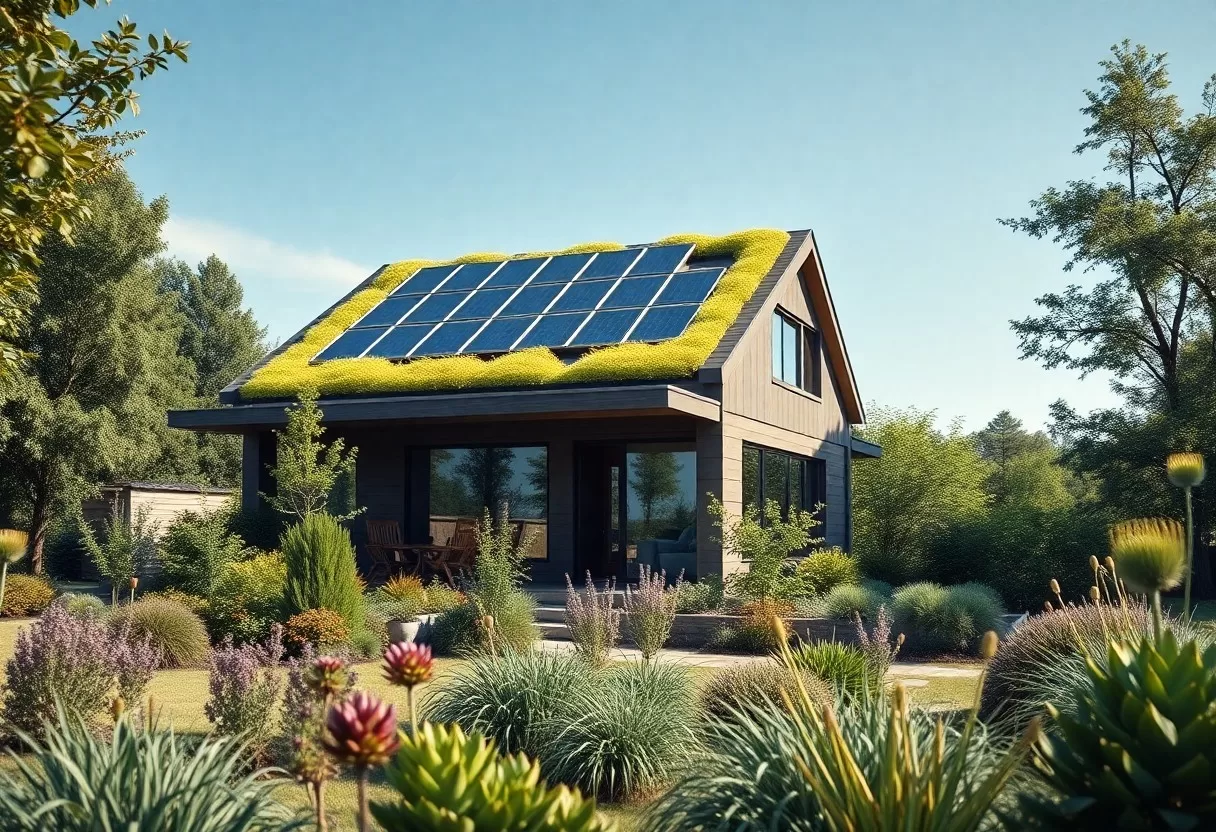
As you explore the reasons behind the surge in eco-friendly homes, understanding government policies and incentives reveals a significant driving force. Various programs aim to reduce financial barriers, encouraging homeowners to invest in sustainable practices. By providing clear pathways for funding, these initiatives boost the adoption rate of energy-efficient technologies and materials, enabling you to create a sustainable living environment while also reaping financial rewards.
Tax Benefits and Rebates Driving Eco-Friendly Choices
Numerous tax benefits and rebates incentivize your commitment to eco-friendly living. The Federal Investment Tax Credit provides homeowners with a significant reduction in taxes for installing renewable energy systems such as solar panels. Local governments often follow suit, offering sales tax exemptions or rebates on energy-efficient appliances. These advantages help to lower initial costs, making the transition to sustainability more economically feasible.
The Role of Nonprofits and Private Sector Partnerships
Collaboration between nonprofits and the private sector is a powerful catalyst for promoting eco-friendly homes. Organizations often partner with businesses to provide grants, education programs, and resources that enable you to make informed sustainable choices. These partnerships amplify the impact of sustainable initiatives, while also ensuring that eco-friendly solutions remain accessible and affordable for a wider audience.
Expanding on the role of nonprofits and private sector partnerships highlights how these collaborations transform local ecosystems. For example, initiatives like Habitat for Humanity not only create sustainable homes but also engage communities in environmental stewardship. By working alongside green technology firms, they can leverage resources and expertise to integrate energy-efficient systems into new builds. These alliances foster innovation and resource-sharing, resulting in enhanced education and support for homeowners begining on their eco-friendly journey. Thus, the collective impact of these partnerships strengthens the movement toward a more sustainable future in your community.
Overcoming Barriers: Challenges in the Global Transition to Sustainability
Transitioning to eco-friendly living presents several significant hurdles. From economic considerations and societal misconceptions to entrenched industries resistant to change, these barriers can seem daunting. The journey towards a sustainable future requires both individual effort and collective action. By addressing these issues head-on, you can not only elevate your own living standards but also contribute to a larger global movement towards sustainability.
Addressing Misconceptions about Eco-Friendly Living
Many misconceptions about eco-friendly living persist, often discouraging potential adopters. Common myths suggest that sustainable practices are significantly more expensive or that they require extensive knowledge and lifestyle changes. In reality, eco-friendly living can be accessible and budget-friendly. You can easily adopt simple, sustainable habits that align with your budget and lifestyle while making a positive impact on the environment.
The Economic Barriers to Entry for Homeowners
Economic barriers play a significant role in the adoption of eco-friendly practices among homeowners. Many believe that the initial costs involved in sustainable building materials or energy-efficient technologies can be prohibitively expensive. However, understanding available incentives, tax credits, and financing options can make these technologies more accessible, enabling you to enjoy long-term savings and increased property value.
For instance, retrofitting your home with energy-efficient appliances might require an upfront investment of $2,000 to $10,000. Yet, the federal government and various states often offer rebates and tax incentives, reducing those costs significantly. Furthermore, energy-efficient upgrades can lead to reduced utility bills—up to 30% in some cases—resulting in quicker paybacks. By researching financing options and local incentives, you can mitigate the economic barriers and pave the way for sustainable homeownership without the burden of extensive financial strain.
Summing up
Presently, embracing eco-friendly homes represents a significant shift towards sustainable living that not only benefits the environment but also enhances your quality of life. By prioritizing sustainability in your housing choices, you contribute to a healthier planet and often enjoy lower utility bills and improved air quality. Understanding Why Sustainable Homes Should Matter to You—Especially … will empower you to make informed decisions about your living space. The future of living lies in sustainability, and it’s time for you to be a part of this crucial transition.