
Designing for Aging in Place – Universal Principles for Life-Long Comfortable Living
You can create a living space that accommodates your needs as you age by understanding the universal design principles that promote accessibility and comfort. By focusing on elements like flexible layouts, non-slip surfaces, and adequate lighting, you enhance not only your safety but also your overall quality of life. This approach ensures that your home remains a supportive and welcoming environment, allowing you to maintain your independence and enjoy your space for years to come.
Key Takeaways:
- Incorporating adaptable features allows for easier modifications as mobility needs change over time.
- Design should prioritize safety, including effective lighting, slip-resistant surfaces, and accessible pathways.
- Creating spaces that encourage social interaction enhances mental well-being and reduces feelings of isolation.
Understanding Aging in Place
Definition and Importance
Aging in place refers to the ability to live in your own home and community safely, independently, and comfortably as you age. This concept emphasizes the importance of adapting your living environment to maintain your quality of life, enabling you to remain connected to family, friends, and social activities. When you prioritize aging in place, you not only enhance your well-being but also promote dignity and autonomy in your later years.
Benefits for Seniors and Caregivers
The benefits of aging in place extend beyond just seniors; caregivers also experience positive impacts. By enabling you to remain in a familiar environment, you reduce the potential for stress and anxiety associated with relocation. This can lead to improved physical and emotional health, as well as lower healthcare costs. Additionally, caregivers report higher satisfaction levels as they can provide support without significant disruptions to your established routines.
By choosing to age in place, you foster a sense of stability that is vital for maintaining your physical and mental health. Financially, staying at home can save you thousands in assisted living costs, which typically average around $4,000 per month. Moreover, research shows that seniors who age in place often exhibit improved cognitive function due to the consistency and comfort of their surroundings. Caregivers, in turn, find it easier to coordinate assistance and monitor your needs without the stress of unfamiliar settings.
Universal Design Principles
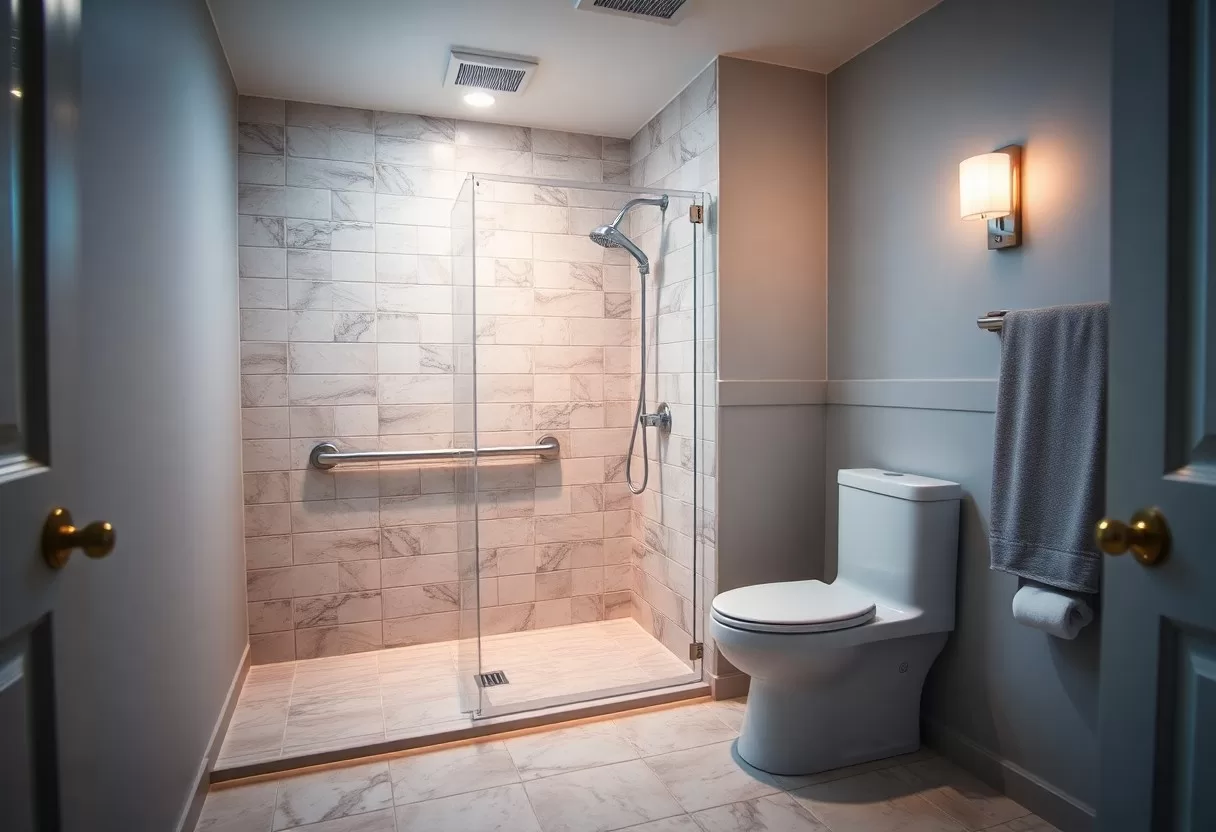
Incorporating Aging in Place Design: Ensuring Safe and Accessible Homes transcends merely aesthetic choices; it champions adaptability and seamless functionality. Universal design principles ensure that spaces cater to all users, regardless of age or ability. Features such as wider doorways, open floor plans, and lever handles promote accessibility, enhancing comfort and reducing barriers throughout your home.
Accessibility and Mobility
Ensuring accessibility and mobility means integrating elements that allow you to navigate freely within your space. Consider features such as non-slip flooring and curbless showers to reduce fall risks. Additionally, installing grab bars near stairs and in bathrooms can assist you in maintaining balance, ultimately promoting independence and confidence as you move through your home.
Safety Features
Implementing safety features is fundamental to any aging-in-place strategy. This includes utilizing adequate lighting in hallways and entrances to enhance visibility. Outfitting your home with smoke detectors and carbon monoxide alarms can be life-saving. You might also consider strategically placed emergency response systems to ensure prompt assistance whenever needed.
By focusing on safety features, you create not just a home but a sanctuary. Every detail matters: ensure that you have night lights along hallways and stairs to prevent accidents in low visibility. Consider installing motion-sensor lights for automatic illumination when entering rooms. Avoid using throw rugs that can cause tripping, and instead, choose carpets with low pile. These small adjustments significantly contribute to making your environment safer and more navigable, ultimately fostering a sense of security and peace of mind as you age in place.
Home Modifications for Comfort
Home modifications play a vital role in enhancing your living experience as you age, ensuring that your space adapts to your evolving needs. Implementing thoughtful adjustments can significantly improve safety, accessibility, and overall comfort. Focusing on your daily routines and preferences allows you to create an environment where independence thrives. Simple updates like adding grab bars or widening doorways can make a considerable difference in your quality of life.
Flexible Living Spaces
Transforming your living spaces into flexible areas can optimize for both relaxation and activity. Convertible furniture, such as sofa beds or extendable dining tables, allows you to adjust your space according to your needs. Incorporate open layouts that enable easy navigation and accessibility, ensuring that all areas of your home are functional for various activities without feeling cluttered.
Kitchen and Bathroom Adaptations
Adapting your kitchen and bathroom can lead to significant improvements in safety and usability. Consider incorporating features like lower countertops, pull-out shelves, and walk-in showers with non-slip flooring to enhance comfort and minimize the risk of falls. These thoughtful modifications create a space where you can retain your independence while ensuring ease of access to important areas in the home.
Kitchen and bathroom adaptations not only enhance safety but also elevate your cooking and hygiene experiences. Installing lever-style faucets, for instance, allows for easier handling, especially for those with limited hand strength. You may also consider using contrasting colors for improved visibility and installing motion-sensor lighting to ensure adequate illumination without the need to reach for switches. Upgrading to a shower with built-in seating enables you to maintain personal care without risking slips. These enhancements help create a user-friendly environment suited specifically to your lifestyle and aging requirements.
Technology Integration
Incorporating technology into your home design enhances safety, comfort, and independence as you age. The right technologies not only streamline daily tasks but also provide peace of mind for both you and your loved ones. By choosing smart solutions tailored to your specific needs, you can empower yourself to live actively and securely in your own space.
Smart Home Solutions
Smart home devices can transform your living environment into a responsive haven. Integrating voice-activated assistants, adjustable lighting, and automated temperature controls allows you to manage your home effortlessly. For instance, using smart speakers can enable you to operate appliances or call for assistance without needing to navigate physical controls, providing independence while reducing the risk of accidents.
Communication and Monitoring Tools
Effective communication and monitoring tools play a vital role in supporting your well-being at home. With personal emergency response systems (PERS) and mobile health applications, you can stay connected to caregivers and family members while monitoring your health metrics. These tools not only enhance your sense of security but also ensure timely interventions when needed.
The integration of communication and monitoring tools offers unprecedented reassurance. For example, a study found that 70% of older adults who used PERS reported feeling safer at home, while 65% maintained that such tools helped them maintain their independence longer. Features like fall detection, medication reminders, and real-time health tracking provide immediate notifications to caregivers, fostering a proactive approach to health management. By incorporating these tools into your daily routine, you can significantly reduce the risks associated with aging in place.
Community Support and Resources
Accessing community support and resources is necessary for promoting your longevity and comfort as you age in place. Many organizations provide valuable assistance, including home health services, meal delivery programs, and social activities that foster connection. Engaging with community initiatives can significantly enhance your quality of life. For additional insights on best practices, explore Design Principles to Accommodate Older Adults – PMC.
Local Services and Programs
Local services and programs are designed to cater to the unique needs of older adults. Regions may offer transportation services, recreational activities, and educational workshops. Investigating these offerings ensures you can access necessary support, enhancing your social engagement and overall well-being.
Building a Support Network
Establishing a strong support network is vital for your aging journey. Connect with family, friends, and neighbors who can provide emotional and practical assistance. Joining local groups or online communities lets you share experiences and resources, ensuring you feel connected and supported.
A well-rounded support network includes not only family and friends but also professionals such as healthcare providers and social workers. Consider participating in local clubs or activities that resonate with your interests; this can introduce you to like-minded individuals and expand your social circle. Resources like senior centers often facilitate group events, fostering both community connections and emotional support. These interactions can combat feelings of isolation, ensuring your aging process is accompanied by companionship and shared experiences.
Case Studies and Best Practices
Exploring real-world examples underscores the feasibility of aging in place. Successful implementations highlight how design choices directly impact the quality of life for older adults. Case studies provide a tangible reference for your own initiatives.
- Green House Project: Completed 2003, over 100 facilities, improved resident satisfaction by 30%.
- Home Modifications in the U.S.: 75% of participants reported reduced fall risks after modifications.
- Beechwood Neighborhood, Boston: 40% of seniors aged 60+ remained in their homes, maintaining independence.
- Village Movement: 200 active villages nationwide, enabling aging community engagement and support.
Successful Aging in Place Examples
Communities like the Green House Project show a remarkable shift in how you can design living spaces, making them more conducive to aging in place. These facilities prioritize a home-like environment, which has been linked to a 30% increase in resident satisfaction. Additionally, moving from institutional settings to smaller, community-focused homes has notably improved elders’ social engagement.
Lessons Learned
Key insights from successful aging in place initiatives reveal the importance of personalized design, accessibility features, and community involvement. When you prioritize these elements, you significantly enhance the living experience for older adults.
Engaging with community members during the design process has proven invaluable; their feedback shapes practical solutions tailored to real needs. Implementation of universal design principles-like no-step entries and wider doorways-addresses mobility limitations. Data shows that 75% of individuals with home modifications report lower fall hazards, underscoring the necessity of strategic modifications. Ultimately, collaboration among architects, health professionals, and the elderly optimizes outcomes and fosters supportive environments.
Conclusion
With these considerations, you can create a living environment that promotes independence and comfort as you age. Implementing universal design principles allows you to enhance accessibility and safety within your home, ensuring it adapts to your changing needs over time. Thoughtful layout, versatile fixtures, and adaptive technologies will contribute to a more enjoyable living experience, ultimately supporting your desire for a fulfilling life in place. By prioritizing these elements, you pave the way for a sustainable, lifelong residence that fosters both joy and functionality.
FAQ
Q: What are the main principles of designing for aging in place?
A: The main principles include creating a safe environment, ensuring accessibility, employing flexible design solutions, incorporating universal design features, and fostering social connectivity. These principles aim to enhance independence and comfort for aging individuals in their own homes.
Q: How can homeowners make existing spaces more suitable for aging in place?
A: Homeowners can make modifications such as installing grab bars in bathrooms, widening doorways for wheelchair access, using non-slip flooring, and improving lighting. Additionally, decluttering areas can reduce hazards, making spaces easier to navigate.
Q: What role does technology play in aging in place design?
A: Technology plays a significant role by providing solutions such as smart home systems for remote monitoring, automated lighting, and fall detection devices. These advancements enhance safety and allow individuals to maintain their autonomy while receiving assistance when necessary.