
Designing Climate-Resilient Homes – Strategies to Protect Against Floods, Fires and Storms
Most homeowners are increasingly aware of the threats posed by climate change, including severe floods, wildfires, and storms. Adopting strategies to design climate-resilient homes is crucial for safeguarding your property and ensuring your family’s safety. This blog post will guide you through key techniques such as selecting the right materials, elevating structures, and implementing effective landscaping to mitigate these risks. By integrating these strategies, you can enhance your home’s resilience and contribute positively to your community’s safety amidst a changing climate.
Key Takeaways:
- Elevate homes above potential flood levels to reduce water damage risk.
- Incorporate fire-resistant materials and designs, such as non-combustible cladding, to enhance protection against wildfires.
- Utilize storm-resistant architectural features like reinforced roofs and impact-resistant windows to mitigate storm damage.
Understanding Climate Risks
Climate risks encompass a variety of threats to your home, each requiring different considerations and responses. By grasping the specific risks your location faces-such as flooding, wildfires, and storms-you can make informed decisions to safeguard your property and enhance its resilience. Analyzing historical weather patterns and accessing local data is necessary for developing an effective risk management strategy.
Flood Risks
Flood risks can arise from heavy rainfall, rising sea levels, and overflow from rivers and lakes. You should assess your property’s location in relation to flood-prone areas and evaluate the potential for flash floods, particularly if you live near waterways or in low-lying regions.
Fire Risks
Fire risks are increasing due to climate change, particularly in areas with dry, hot conditions. Homes near forests or grasslands face greater dangers during wildfire seasons, making it necessary to create defensible spaces and use fire-resistant materials in your construction.
Utilizing fire-resistant building materials, such as stucco, brick, and tempered glass, can significantly reduce the risk of ignition from embers. Additionally, you must create a defensible space around your home by clearing flammable vegetation and maintaining a buffer zone. Statistics show that 80% of wildfires occur within 1 mile of a wildland-urban interface, underscoring the importance of proactive measures in these vulnerable zones.
Storm Risks
Storm risks include hurricanes, tornadoes, and severe thunderstorms that can cause extensive damage. You need to evaluate the likelihood of such events in your area and implement design features that enhance your home’s structural integrity against strong winds and debris.
Incorporating hurricane-resistant windows, reinforced roof structures, and elevated foundations can mitigate storm impact. Regions prone to hurricanes experience an average of 12 named storms annually, so fortifying your home is a necessary investment. Additionally, having a comprehensive emergency plan in place ensures you can respond swiftly to protect your family and property during dangerous weather events.
Site Selection and Design Principles
Choosing the right site and implementing sound design principles are fundamental in creating a climate-resilient home. You must assess local climate patterns, flood zones, and fire risk areas before making a decision. Properly integrating your home into the landscape can significantly diminish {potential risks} while enhancing its sustainability. Focusing on natural features, you can leverage the environment to minimize potential damage from extreme weather events.
Elevation and Drainage
Elevating your home above anticipated flood levels is vital in flood-prone areas. You should consider a minimum elevation of one foot above the base flood elevation (BFE) recommended by local regulations. Additionally, proper drainage systems, including grading and the strategic placement of gutters, will direct water away from the foundation. Implementing these measures can greatly reduce water infiltration and damage.
Building Orientation
Strategically orienting your home to minimize exposure to severe weather can enhance its resilience. Positioning windows away from prevailing winds reduces the risk of wind damage during storms, while maximizing south-facing windows can take advantage of passive solar heating, maintaining warmth during colder months without additional energy use.
When considering building orientation, you should aim to align your home’s long axis with the direction of prevailing winds. This layout minimizes wind load on walls and roofs, reducing structural stress. Additionally, maximizing overhangs and awnings can provide shade in the summer while allowing sunlight to warm your home in winter. By integrating these elements, your home can effectively respond to seasonal changes, contributing to energy efficiency and comfort.
Materials and Construction Techniques
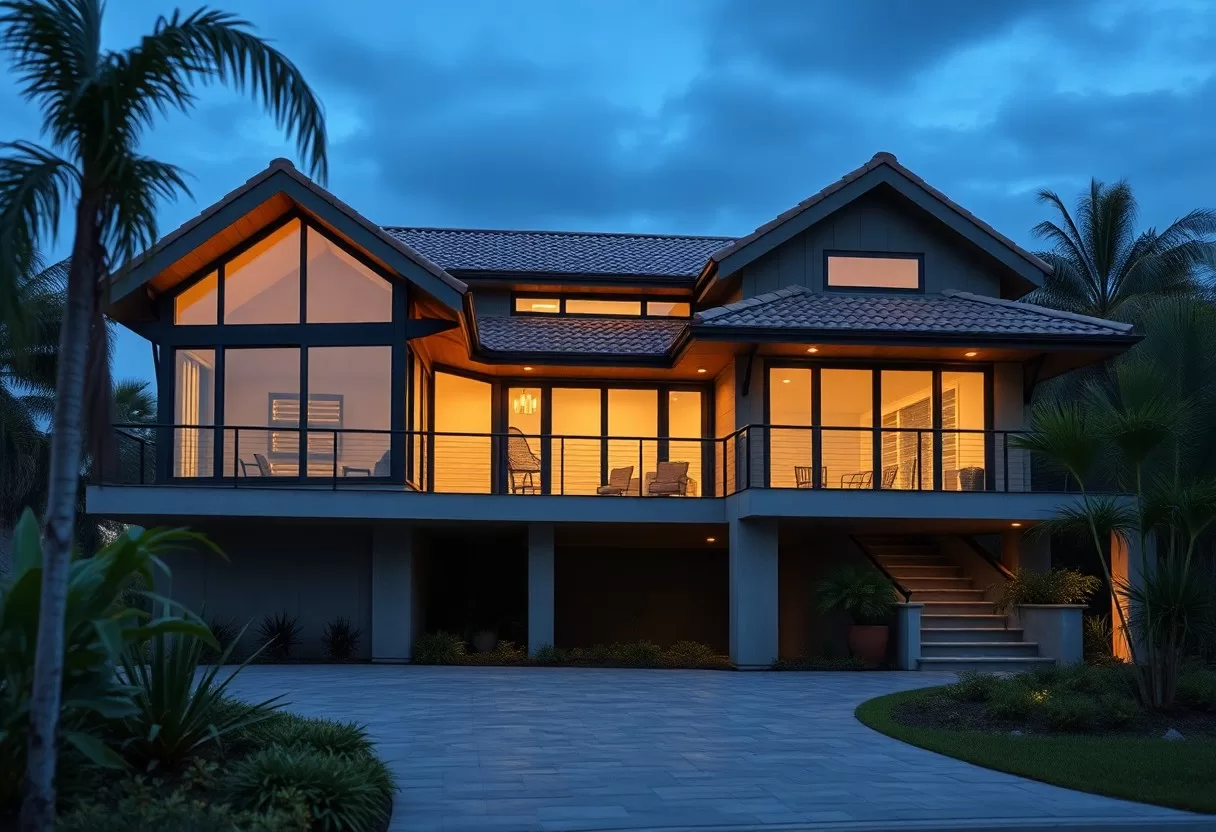
Utilizing the right materials and construction techniques is important for building homes that withstand climate challenges. Consider integrating advanced designs that focus on durability, flexibility, and environmental resilience. For detailed strategies, refer to Building a Resilient Home Structure for Natural Disaster …. Implementing innovative construction methods, such as elevated foundations and hurricane ties, will enhance your home’s safety while optimizing for long-term sustainability.
Flood-Resistant Materials
Selecting flood-resistant materials significantly reduces water damage risks. Use concrete, pressure-treated wood, or engineered flooring that withstands moisture. Incorporating water-resistant barriers and special coatings can prevent rot and mold, ensuring a healthier living environment after flood events. Based on regional flood risk assessments, customizing your choices can bolster safety.
Fire-Resistant Materials
Using fire-resistant materials is vital for enhancing your home’s fire safety. Opt for non-combustible roofing, such as metal or tile, and install fiber-cement siding which can resist flames for longer periods. The incorporation of fire-retardant treated wood in your construction can also mitigate fire spread effectively.
Additionally, consider installing tempered glass windows and using fire-resistant insulation materials, which can help protect your home during wildfires. Built-in fire breaks, landscaping with fire-resistant plants, and choosing materials that comply with local fire codes significantly increase your home’s chances of surviving fire-related incidents. Statistically, homes with protective materials are less likely to suffer extensive damage, offering a critical advantage during wildfires.
Landscaping for Resilience
Effective landscaping not only enhances the aesthetic of your home but also plays a vital role in creating a resilient environment against climate threats. Incorporating elements such as proper drainage systems and strategically placed vegetation can significantly mitigate the impacts of floods, storms, and erosion. To explore more about resilient practices, check out Resilient Residential Construction | NAHB.
Native Plant Selection
Choosing native plants for your landscaping offers multiple benefits, including reduced water needs and better adaptation to local climate conditions. Native plants thrive in their environment, providing important habitats for local wildlife while minimizing the need for chemical fertilizers or pesticides. This choice supports biodiversity and contributes to a healthier ecosystem around your home.
Natural Barriers and Containment
Implementing natural barriers-such as berms, living fences, or rock gardens-can significantly enhance your property’s ability to withstand floods and soil erosion. These features can channel water away from your home, protect against high winds, and serve as firebreaks. Utilizing materials like native stone and vegetation incorporates natural aesthetics and functionality into your landscape design.
Natural barriers and containment practices serve as your first line of defense against environmental hazards. For instance, creating a berm with native soil can redirect stormwater runoff, keeping it away from your foundation. Moreover, strategically placing dense shrubs along the perimeter of your property can act as windbreaks, reducing wind damage during storms. These approaches not only fortify your home but also provide beautiful landscapes that blend harmoniously with the surrounding environment.
Energy Efficiency and Sustainability
Your home’s design should prioritize energy efficiency and sustainability to reduce both environmental impact and utility costs. Incorporating materials and technologies that optimize energy use can be an effective strategy. This not only supports a greener planet but also enhances your home’s resilience against climate change, making it a healthier space for you and your family.
Renewable Energy Solutions
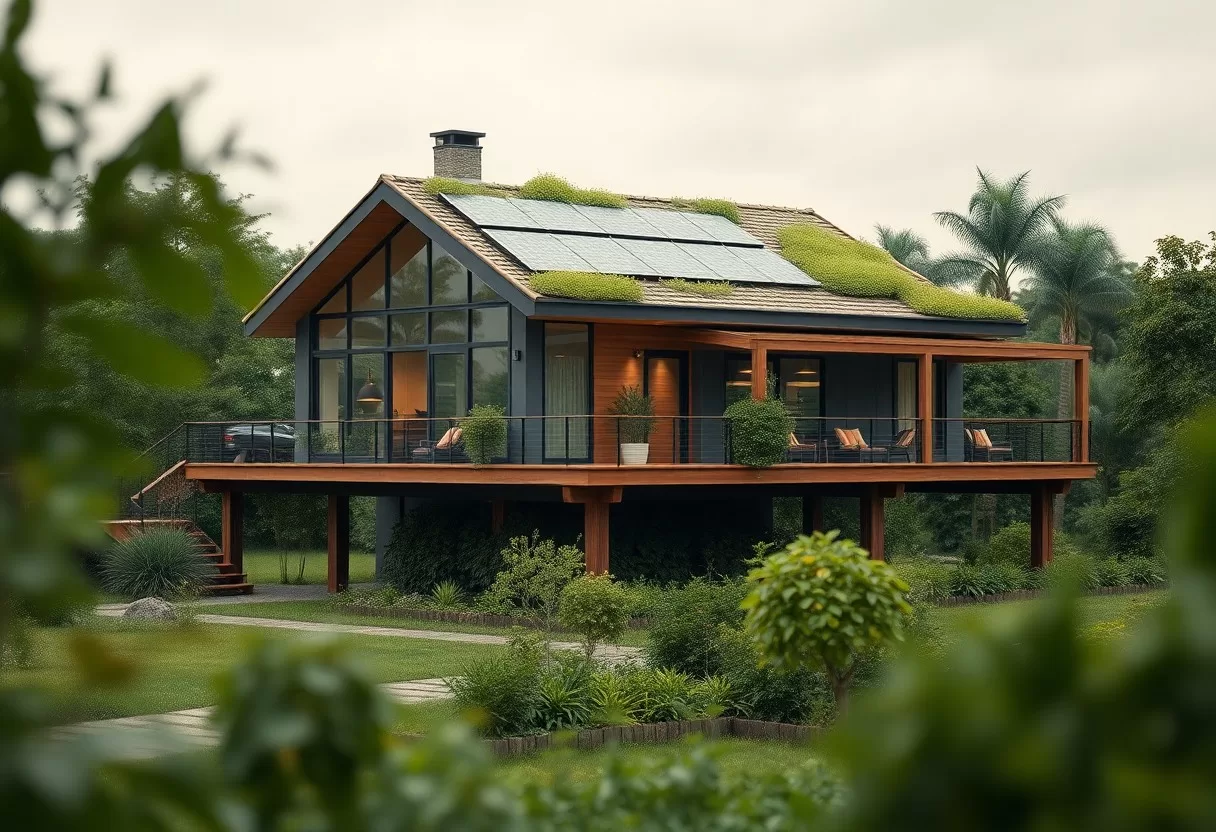
Implementing renewable energy solutions like solar panels can significantly decrease your reliance on non-renewable resources. By harnessing solar energy, you can reduce your energy bills and contribute to a sustainable future. Many homeowners report an energy cost reduction of up to 50% after installing solar systems, making it a valuable investment.
Insulation and Ventilation
Effective insulation and ventilation play a vital role in maintaining a comfortable indoor environment while minimizing energy consumption. By insulating walls, roofs, and floors, you can prevent heat loss in winter and keep your home cooler in summer, significantly reducing the need for heating and cooling. Proper ventilation further ensures a healthy air quality and prevents moisture buildup, which can lead to mold and structural damage.
Insulation options include materials like fiberglass, foam board, and spray foam, with varying R-values that determine their effectiveness. For instance, fiberglass insulation can have R-values between 2.9 and 4.3 per inch, while spray foam can reach 6.0 or higher. Select the right type for your climate, and pair it with efficient ventilation systems like heat recovery ventilators (HRVs) to exchange stale indoor air with fresh outdoor air without losing heating or cooling. This combination not only improves your home’s energy efficiency but also enhances overall comfort and reduces your carbon footprint.
Community Planning and Preparedness
Effective community planning and preparedness lay the groundwork for resilience against climate-related disasters. By fostering collaboration among local governments, businesses, and residents, you can create a unified approach to mitigate risks associated with floods, fires, and storms. Consider participation in community workshops and emergency preparedness drills to enhance your neighborhood’s response capabilities.
Infrastructure Improvements
Investing in infrastructure improvements strengthens your community’s defense against climate-related events. This includes upgrading stormwater systems to manage heavy rainfall and installing barriers to mitigate flooding. Prioritizing durable roads and bridges can prevent damage during storms, ensuring vital transportation routes remain accessible when needed most.
Emergency Response Strategies
Your community’s emergency response strategies must be comprehensive to effectively address potential climate threats. This entails developing actionable plans that clearly outline evacuation routes, communication protocols, and resource distribution during disasters. Regular training sessions for first responders and community members are important to ensure everyone knows their role when the time comes.
Building upon these strategies, regular assessments of local emergency response plans are necessary. You should evaluate past events to identify strengths and weaknesses and refine protocols accordingly. Engaging local organizations and volunteers can enhance resource availability and distribution during emergencies. Establishing liaisons with nearby communities can foster mutual aid agreements, ensuring support during crises. Effective communication through alerts and community meetings also helps maintain readiness and keeps residents informed and prepared for adverse weather events.
Final Words
Conclusively, implementing these strategies for designing climate-resilient homes not only safeguards your property against floods, fires, and storms but also enhances your overall quality of life. By carefully considering site selection, utilizing appropriate materials, and integrating sustainable practices, you can create a living space that withstands environmental challenges. Your proactive approach today ensures a safer, more durable home for the future, helping you and your family to thrive in an ever-changing climate.
FAQ
Q: What are effective strategies for designing homes to withstand flooding?
A: Key strategies include elevating the home above flood levels, using flood-resistant materials, and incorporating proper drainage systems. Elevated foundations, piers, or pilings can help minimize water damage. Additionally, waterproof barriers and sloped landscaping can redirect water away from the property.
Q: How can homes be designed to resist fire damage during wildfire events?
A: Implementing fire-resistant materials, maintaining defensible space, and choosing non-combustible roofs are effective. Installing screens on vents and using double-paned windows can also reduce fire risk. Regular landscape maintenance, like clearing dead vegetation, can further protect the home.
Q: What design features can help homes withstand severe storms?
A: Strengthening roof and window designs, such as using impact-resistant glass and secure fasteners, can improve storm resilience. Installing shutters and reinforcing doors will provide additional protection. It’s also beneficial to minimize overhangs and use wind-resistant landscaping to reduce wind forces on the structure.