
The Rise of Designer Ceilings – Turning the Fifth Wall Into a Focal Point
With the increasing desire for unique home designs, designer ceilings are emerging as a remarkable trend that transforms your space. By focusing on the often-overlooked fifth wall, you can create an inviting atmosphere that elevates your interior decor. Whether you opt for intricate moldings, bold colors, or unique textures, a stylish ceiling can serve as a striking focal point, enhancing your home’s overall aesthetic and increasing its value.
Key Takeaways:
- Designer ceilings are becoming a popular way to enhance interior aesthetics, transforming the often overlooked fifth wall into a prominent design element.
- Innovative materials and techniques, such as coffered and decorative ceilings, allow for customization and personalization, catering to diverse styles and preferences.
- Incorporating lighting integrated into ceiling designs can create dynamic visual effects and improve the overall ambiance of a space.
The Evolution of Ceiling Design
Historical Perspectives
The evolution of ceiling design can be traced back to ancient civilizations, where ceilings served not only a functional purpose but also a decorative one. In ancient Egypt, ceilings were often painted with celestial motifs, reflecting the culture’s deep connection to the cosmos. Greece and Rome introduced detailed coffered ceilings, showcasing craftsmanship and elevating the visual appeal of their grand structures. The Renaissance saw ceilings adorned with frescoes, transforming them into canvases for celebrated artists. These early adaptations set the stage for modern innovations, where aesthetics fuse seamlessly with functionality.
Modern Innovations
Today, ceiling design has transcended traditional limits, becoming a playground for creativity and technology. You can now find options like suspended ceilings, which not only hide wiring but also allow for acoustic optimization, and 3D panel designs that add depth and texture to any room. The incorporation of LED lighting into ceilings offers dynamic ambiance control, allowing you to change the mood of a space with ease. Furthermore, materials like fiberglass and metal provide durability while unleashing potential for unique patterns and colors, making ceilings a critical focal point in modern interior design.
Modern innovations continue to push the boundaries of ceiling design with eco-friendly solutions and smart technology integration. For instance, biophilic designs bring natural elements into your ceilings, incorporating materials such as reclaimed wood and living plant installations to enhance aesthetic appeal and improve air quality. Additionally, with smart ceilings equipped with IoT sensors, you can manage lighting and temperature settings to optimize comfort and energy efficiency. Creative use of textures and colors, alongside these technological advancements, ensures that your ceilings are not merely functional but also artistic expressions, embodying individuality in your space.
Understanding the Concept of the Fifth Wall
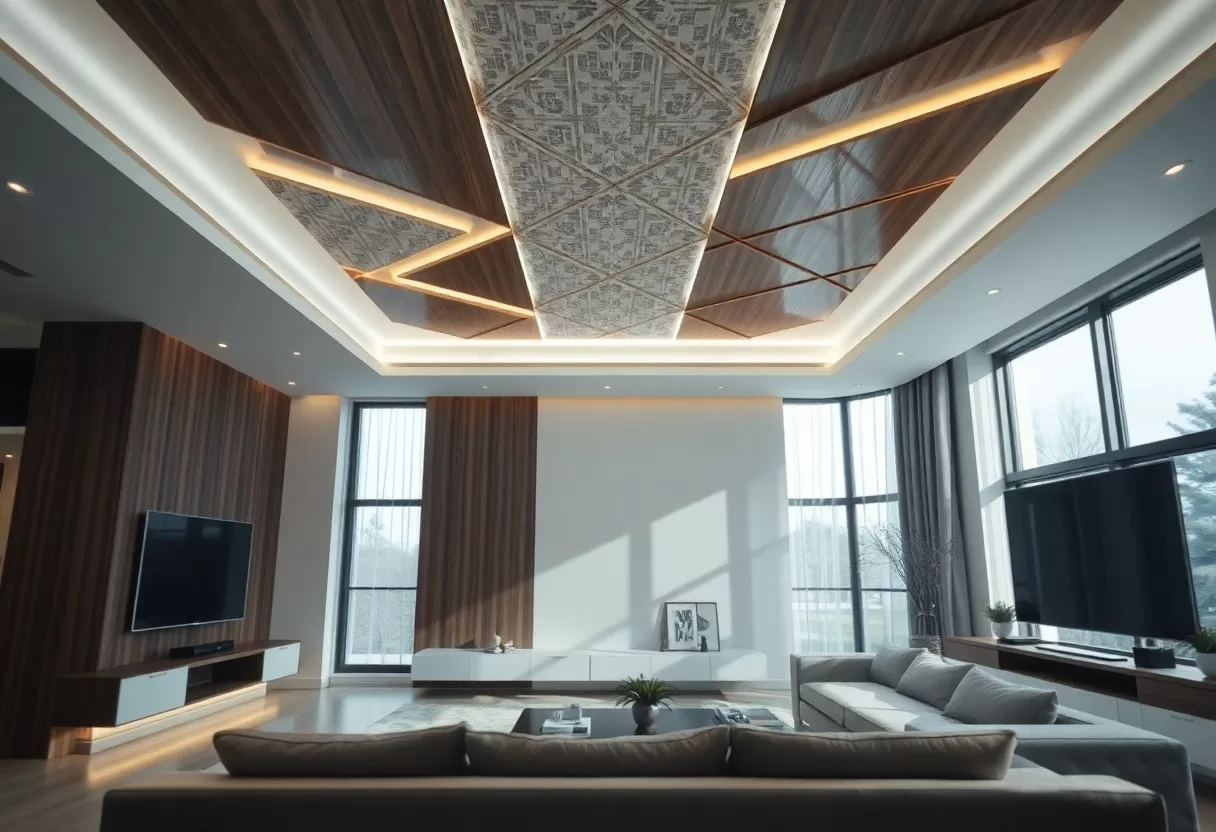
The fifth wall, often overlooked in traditional interior design, refers to your ceiling, which can dramatically influence the ambiance of a space. By embracing this concept, you can enhance your home’s aesthetic appeal, transforming it into a visually stunning environment. Discover ideas on Decorative Ceilings: Gilded, Glazed & Plaster Finishes that elevate your fifth wall.
Defining the Fifth Wall
The term “fifth wall” captures the idea of the ceiling as an integral component of a room’s design, similar in importance to walls and flooring. Emphasizing the ceiling allows for unique design choices that significantly influence your perception of space. Embracing decorative elements can redefine the atmosphere, making it an artful canvas.
Its Role in Interior Design
Incorporating your ceiling into the overall interior design strategy enhances cohesion and visual interest. By emphasizing this often-neglected surface, you create a sense of harmony and depth within a room. Textures, colors, and patterns applied to the ceiling can complement furnishings and lighting, providing a unified aesthetic experience.
Focusing on the fifth wall allows for a fresh perspective on design. Utilizing techniques such as coffered, beamed, or painted ceilings can draw the eye upward, creating an illusion of space while accentuating your room’s architectural features. Integrating lighting solutions, such as recessed or pendant fixtures, can highlight these designs further, turning your ceiling into a compelling focal point that engages and captivates anyone who enters your space.
Materials and Techniques for Designer Ceilings
Choosing the right materials and techniques for your designer ceiling can significantly influence its overall appeal and functionality. Innovative options range from traditional plaster to modern materials like metal and wood, each offering unique aesthetics and durability. Your selection should reflect your style while also considering the intended ambiance of the space. Additionally, recent advancements in technology have made it easier to achieve intricate designs without compromising structural integrity.
Popular Materials Used
Among the most popular materials for designer ceilings, gypsum board stands out for its versatility, while wood provides warmth and elegance. Metal tiles and acrylic panels are gaining traction for their reflective properties that enhance lighting. Additionally, sustainable materials like bamboo and reclaimed wood are favored for eco-conscious designs, combining style with responsibility, making your ceiling not just a visual treat but also a statement of your values.
Innovative Techniques in Ceiling Design
Explore innovative techniques such as coffered ceilings, which add depth through recessed grids, or tray ceilings, which create a layered effect. These techniques allow you to manipulate light and shadow, enhancing the perception of height and space. Additionally, incorporating LED lighting into your ceiling design offers dynamic illumination options that can change the mood of your environment or highlight architectural features, proving that the ceiling can be a canvas for creativity.
You can also consider using 3D wall panels or acoustic ceiling tiles, which not only improve sound quality but add texture and visual interest. Techniques like faux finishes can transform the appearance of traditional materials, imitating luxurious textures at a fraction of the cost. Advanced digital printing technology allows for customized designs, from intricate patterns to personal artwork, ensuring your ceiling reflects your uniqueness. Combining these methods can elevate your ceiling from a mere structural component to a stunning focal point that complements the entire room.
Enhancing Aesthetics and Functionality
Designer ceilings not only elevate the visual appeal of your space but also enhance its functionality. By incorporating innovative materials and design elements, you create a seamless blend of beauty and purpose. For instance, integrated lighting can highlight architectural features, while unique textures add depth and interest, turning an otherwise standard ceiling into a captivating feature that transforms the entire room.
Visual Impact
The visual impact of a designer ceiling can be transformative, drawing the eye upward and creating a sense of space. Dramatic colors, intricate patterns, or elegant moldings elevate your decor, making your ceiling a stunning focal point. A well-designed ceiling can harmonize with your overall design scheme, reflecting your personal style and setting the mood for the room.
Acoustic Considerations
Good acoustic design is necessary for comfortable living environments. Your choice of materials and ceiling configuration can dramatically affect sound quality. Utilizing acoustically absorbing materials can help reduce echo and noise levels, creating a more serene atmosphere. For instance, specialty tiles or suspended ceilings can greatly minimize sound reverberation, making your space more enjoyable.
In residential or commercial settings, addressing acoustic considerations is vital for enhancing user experience. Materials like acoustic panels or textured ceilings can absorb sound, preventing distractions in open spaces or ensuring privacy in home offices. Studies indicate that properly designed ceilings can reduce noise distractions by up to 30%. By prioritizing acoustics in your ceiling design, you not only foster a more pleasant environment but also improve the overall functionality of your space.
Trends in Designer Ceilings
In recent years, designer ceilings have transitioned from mere afterthoughts to stunning focal points in home design, showcasing innovative materials and bold aesthetics. Homeowners increasingly opt for features such as textured finishes and intricate moldings, often utilizing advanced technologies like 3D printing to create customized shapes and designs that reflect personal style. Eco-friendly options, including reclaimed wood and sustainable materials, are also gaining traction, aligning with the growing emphasis on sustainability in interior design.
Current Trends
At present, you can observe a surge in the popularity of geometric patterns and bold colors in ceiling designs. Tin tiles and metal accents are making a resurgence, bringing a vintage feel with modern flair. Furthermore, integrating lighting elements directly into ceiling designs not only enhances ambiance but also emphasizes architectural features, making ceilings multifunctional and dynamic.
Future Predictions
Looking ahead, you can expect designer ceilings to evolve further with the integration of smart technology and environmentally sustainable practices. Advances in biophilic design, which fosters connections to nature, might inspire new patterns that incorporate greenery and natural forms, resulting in calming yet striking aesthetics in your space.
Moreover, as technology continues to advance, predicting the use of augmented reality in ceiling design becomes feasible. Imagine adjusting your ceiling’s appearance with a swipe on your smartphone, switching from minimalist designs to more elaborate motifs without the need for physical renovation. As sustainability remains a priority, we might see more eco-conscious materials, enhancing indoor air quality while reducing ecological footprints, making designer ceilings not just beautiful but also responsible choices for modern living.
Case Studies: Successful Designer Ceilings
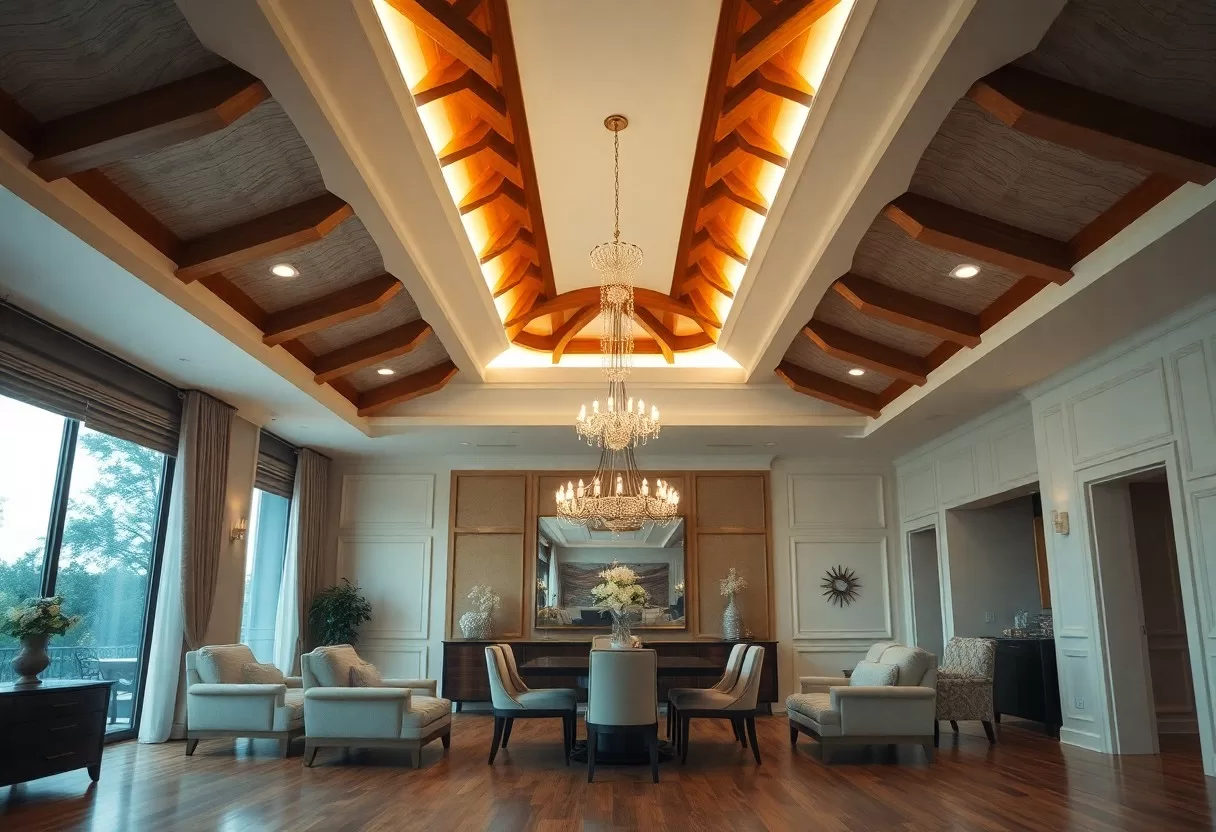
Examining real-world applications of designer ceilings reveals fascinating trends and transformations. The following case studies illustrate how innovative designs have turned the fifth wall into a powerful design element.
- Residential Project: A 3,000 sq. ft. home in California featured a coffered ceiling with integrated LED lighting, increasing perceived ceiling height by 12 inches and adding $25,000 to home value.
- Museum Installation: The Museum of Contemporary Art in New York utilized a sculptural ceiling that created an immersive visitor experience, leading to a 20% increase in foot traffic.
- Restaurant Design: A Chicago eatery adopted a bold mural ceiling that enhanced brand identity and boosted diner satisfaction scores by 30%.
- Office Renovation: A tech firm’s open-plan office used acoustic panels on the ceiling to reduce noise levels by 40%, resulting in 15% higher employee productivity.
For additional insights, refer to Tineke Triggs on designing the most impactful wall in your home.
Residential Projects
In recent residential projects, the integration of designer ceilings has markedly defined spaces. For instance, a recent renovation in a historic Victorian home combined intricate plasterwork with modern lighting to create an elegant yet functional atmosphere. Homeowners reported a 35% increase in positive guest feedback, underscoring the impact of high-quality ceiling design.
Commercial Spaces
Commercial spaces have also embraced designer ceilings, utilizing them to influence ambiance and aesthetics significantly. High-traffic areas like cafes and offices increasingly incorporate unique ceiling designs to improve customer experience and employee satisfaction.
One noteworthy example includes a high-end retail store that employed a suspended ceiling grid with varying heights, promoting a sense of dynamism in the environment. This design choice contributed to a 25% increase in sales, showcasing how effectively crafted ceilings can entice customers and enhance overall commercial performance.
Conclusion
Taking this into account, you can transform your space by elevating the design of your ceiling, allowing it to serve as a striking focal point. Designer ceilings not only enhance the aesthetic appeal of your home but also offer a unique opportunity for personal expression. By choosing innovative materials and styles, you can create an environment that reflects your taste and sets your space apart, ensuring that even the often-overlooked fifth wall becomes an integral part of your interior design narrative.
FAQ
Q: What are designer ceilings and how do they differ from traditional ceilings?
A: Designer ceilings are innovative treatments that elevate the standard ceiling into a captivating design element. Unlike traditional flat ceilings, designer options may incorporate textures, patterns, or decorative materials, creating a unique focal point that enhances the aesthetic of a room. They can include features like coffered designs, dropped ceilings, or artistic moldings.
Q: How can one incorporate designer ceilings into various interior styles?
A: Designer ceilings can be seamlessly integrated into multiple interior styles by selecting appropriate materials and designs. For instance, a modern space may benefit from sleek, linear designs or metallic finishes, while a rustic setting might use exposed wooden beams or textured plaster. Tailoring the ceiling design to complement the overall decor can significantly enhance the visual appeal of the space.
Q: Are designer ceilings a cost-effective option for home renovations?
A: While the initial investment for designer ceilings can vary, they often add significant value to a property and can enhance the overall ambiance, making them a worthwhile consideration. Budget-friendly options, such as painted designs or simple moldings, allow homeowners to achieve a designer look without overspending, thereby providing flexibility in renovation costs.