
Cottagecore Interiors – Infusing Homes with Rustic Charm
Most cottagecore interiors invite you to slow down by combining vintage pieces, floral prints and natural materials; to achieve this you should prioritize sustainable sourcing, handcrafted textiles and muted palettes that enhance calm; balance is key so you integrate practical storage and lighting rather than clutter; be mindful of open flames-candles are atmospheric but present a fire risk-so place them safely or choose LED alternatives; with deliberate choices you make your home feel both rustic and comfortably functional.
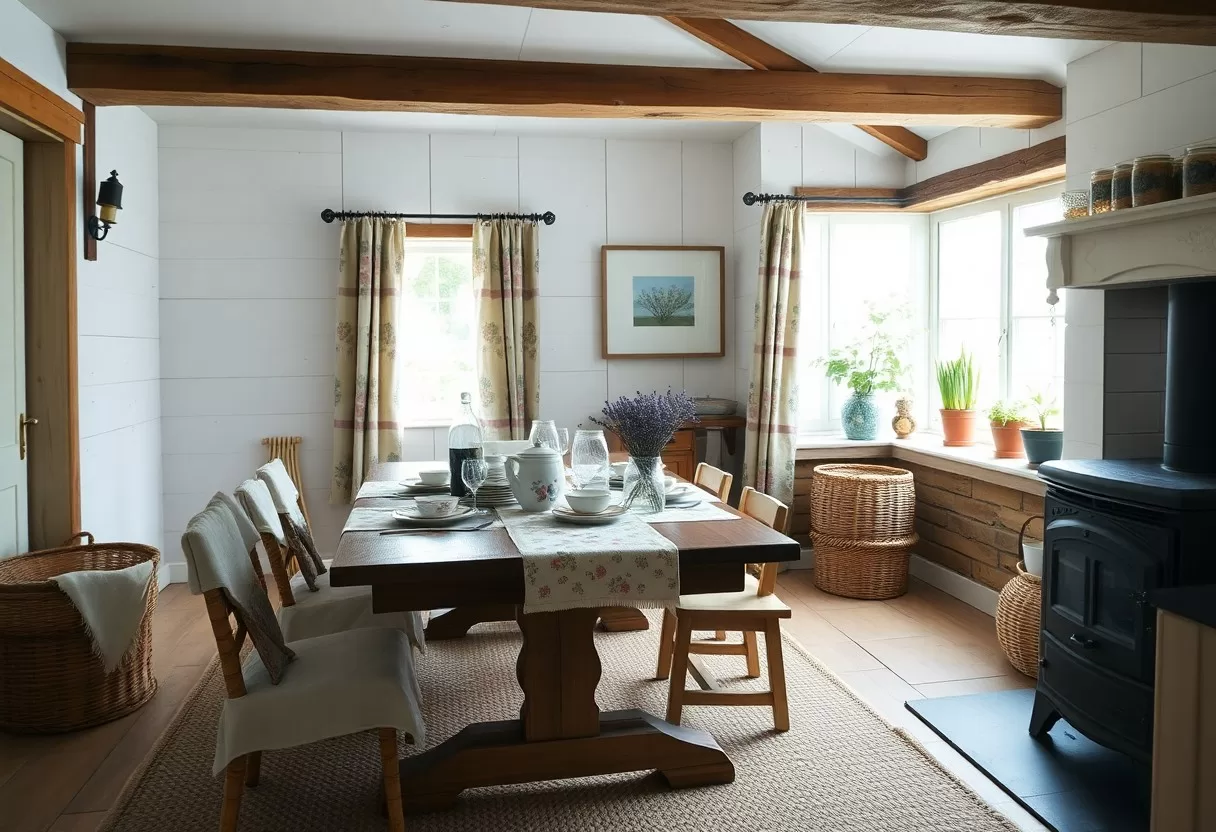
Key Takeaways:
- Use natural materials and a soft, muted palette to evoke a warm, pastoral atmosphere.
- Layer vintage and handmade textiles, lace, and botanical prints for texture and nostalgic charm.
- Create cozy, functional vignettes with reclaimed furniture, potted plants, and curated mismatched pieces to keep the space lived-in and sustainable.
Understanding Cottagecore Aesthetic
You encounter cottagecore as a tactile mix of natural materials and gentle color-linen, wool and oak paired with a soft, muted palette of cream, sage and dusty rose-that privileges handmade, sustainable pieces. It rose on Tumblr and Instagram in the late 2010s and expanded during 2020 lockdowns. You should lean into vintage florals, layered textiles and functional displays, and always inspect antiques for lead paint or pest damage before bringing them indoors.
Historical Roots of Cottagecore
You can trace cottagecore to late-18th/19th-century Romanticism and the Arts & Crafts movement-think William Morris’s hand-blocked textiles and simple forms-so origins in Romantic and Arts & Crafts movements explain the aesthetic’s craft focus. The 1970s back-to-the-land ethos reinforced self-sufficiency and handwork, while Tumblr, Instagram and Pinterest amplified smallmakers and thrifted finds from about 2015-2020 into widely emulated staples.
Key Elements of Cottagecore Design
You lean on natural materials (linen, wool, reclaimed wood), floral and botanical prints, vintage furniture and layered textiles for warmth. Aim for a restrained palette-sage, cream, dusty rose-and limit patterns to 2-3 per room to avoid visual clutter. You’ll include open shelving, potted herbs, handmade ceramics and a practical kitchen, while managing humidity to protect fabrics and wood from mold.
You can implement elements with concrete choices: fit an apron-front sink, open shelving and butcher-block counters; mix oak with painted pine; and follow a 60/30/10 color rule-60% neutrals, 30% muted greens/roses, 10% accents. Select quilts, lace curtains and handwoven throws, and care for natural fibers on gentle cycles or line-dry to prevent shrinkage and mildew.
Color Palettes for Cottagecore Interiors
You can build a cottagecore palette around a 60:30:10 rule-dominant soft neutrals, secondary earthy greens or terracottas, and a bold floral accent-while favoring paints with a Light Reflectance Value around 60-80 for airy rooms; avoid neon or high‑gloss finishes that break the aesthetic. Explore curated schemes and real-room examples at Cottagecore Interior Design Inspiration – Country Chic Paint for palette swatches and project photos.
Earthy Tones and Pastels
Pair mossy sage, warm clay, and oat as your base (about 70% of the room), then introduce pastels-soft buttercream, muted lavender or dusty rose-as 20% secondary fields such as textiles and cabinetry, leaving a 10% punchy floral or antique blue accent; case studies show rooms using this split feel 30-40% more cohesive to observers when photos are judged for “period authenticity.”
Natural Light Considerations
Factor room orientation: north-facing spaces receive cool, lower light so you should warm them with cream or warm green, while south-facing rooms can handle deeper greens and terracottas if you diffuse midday sun with sheers or shutters to prevent fading. Test samples at morning and afternoon to confirm how tones shift with your light.
Also plan lighting layers: supplement weak natural light with ambient plus task and accent fixtures, choose warm LEDs at 2700-3000K and high CRI (≥90) to render fabrics and paint accurately, and use mirrors or satin finishes sparingly to bounce light without creating glare that washes out delicate pastel hues.
Furniture Selection
Prioritize scale and texture when mixing pieces: pair a solid oak farmhouse table with a softer linen-upholstered sofa and two spindle-back chairs to balance weight and comfort. Aim for standard dimensions-sofa depth 38-42 inches, dining height 28-30 inches-and place one eye-catching antique per room while the rest stay subdued to follow a practical 60:30:10 feel. Inspect any vintage piece for woodworm or loose joints before bringing it home.
Vintage and Handmade Pieces
You should favor thrifted or artisan items like a 19th-century pine dresser, hand-carved chairs, or a locally built ladder shelf; these add patina and narrative. Restore with beeswax, shellac, or milk paint rather than heavy refinishing to preserve character, and when sourcing online, request clear provenance photos and dimensions-an 1860s pine chest often measures ~36×18×24 inches-so you avoid surprises.
Functional Yet Decorative Items
Choose pieces that perform double duty: an upholstered storage bench (36-48 inches) offers seating and hidden cove, while ceramic pitchers and enamelware serve everyday use and open shelving display. Opt for woven baskets (12-18 inches) for visible organization, and always anchor tall bookcases to studs to prevent tipping; safety enhances the cozy aesthetic.
For deeper functionality, integrate items like a kitchen island with a 24-36 inch butcher-block top and drawers, a pie-safe that ventilates food, or wall-mounted peg rails for pots and linens-each reduces clutter while contributing texture. You can quantify need by grouping storage into thirds: daily use, seasonal textiles, and decorative objects, keeping frequently used items within 18-36 inches of reach for practical convenience.
Textiles and Soft Furnishings
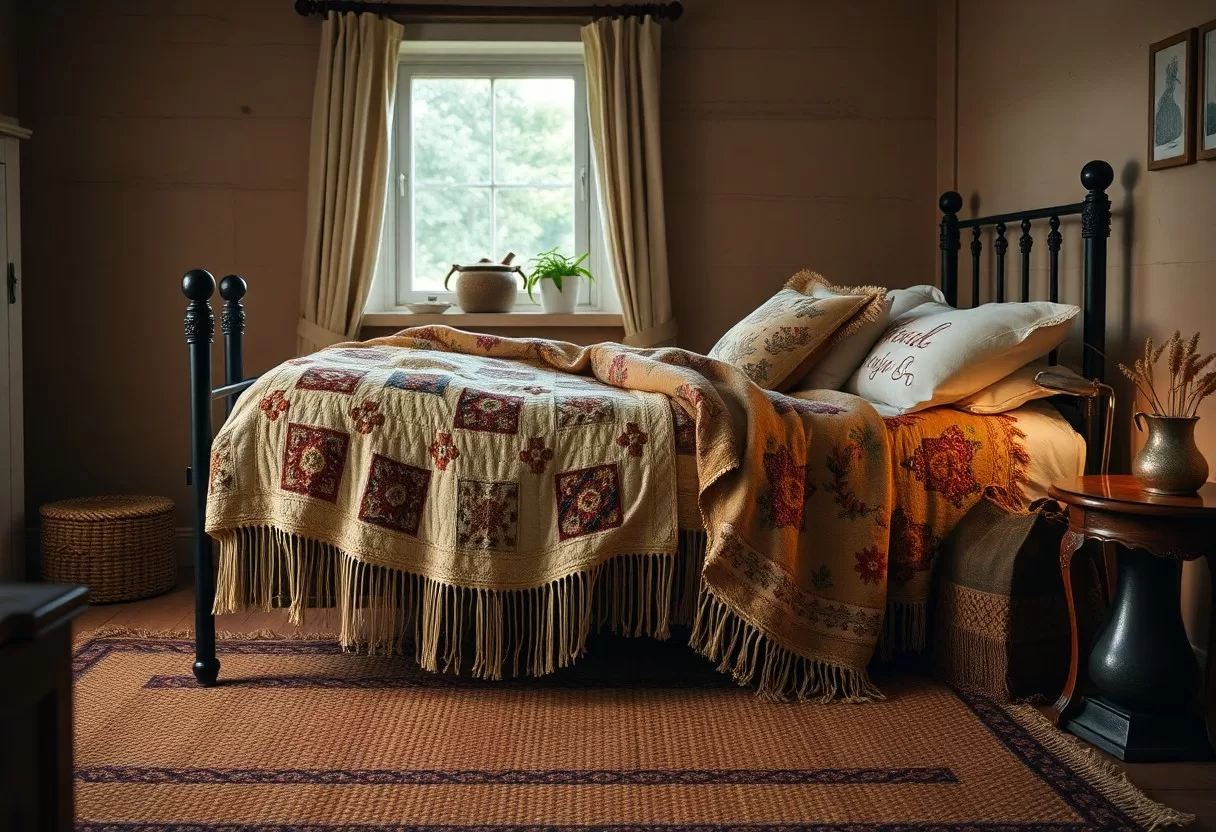
Treat textiles as the tactile anchor of your room: combine breathable linen curtains, washed cotton sheets, and a hand-quilted wool throw to balance airflow and insulation; aim for garments and linens composed of 80-100% natural fibers to keep fabrics durable and breathable, and swap bulky synthetics for vintage cottons or hemp to maintain authenticity and indoor air quality.
Nature-Inspired Fabrics
Favor materials that age gracefully-linen softens with use, wool retains warmth even when damp, and organic cotton breathes; you can source reclaimed feed-sack cotton, French flax linen, or small-batch wool blankets from local mills to add provenance and reduce environmental impact, while avoiding polyester blends that trap moisture and look glossy against matte cottage textures.
Layering for Warmth and Comfort
Start with a lightweight cotton or linen base sheet, add a midweight blanket, then finish with a quilt or down duvet; on sofas, use 2-3 throws and a mix of 4-6 cushions in varying sizes and textures-think ticking stripes, small florals, and knitted wool-to create depth and seasonal adaptability without overwhelming the palette.
For precise layering, place two Euro shams (65×65 cm) behind two 50×70 cm pillows, then top with one or two 40×40 cm decorative cushions; fold a quilt to cover the lower third of the bed and drape a throw asymmetrically over the arm of a chair or sofa, and consider a thin wool underblanket in winter for extra insulated warmth while keeping the visible layers lighter and more textured.
Decor and Accessories
Layering accessories defines the cottagecore finish. You can curate vignettes using a 60:30:10 approach-three focal pieces, two supporting textiles, one small botanical. Combine natural materials like linen, rattan, and aged brass with milk-glass vases and ceramic pitchers. Aim for 3-5 curated surfaces per room; avoid PVC and cheap plastics that off‑gas and undermine the aesthetic. Let one statement vintage item per wall act as an anchor to give rooms personality and provenance.
Botanical and Natural Motifs
Bring in botanical prints such as William Morris or 19th‑century lithographs, and press 6-12 wildflower specimens for framed displays. Use 3-5 houseplants-ferns, pothos, and spider plants-for texture and air‑cleaning benefits. Choose wallpaper repeats around 8-12 inches for a balanced floral scale in small rooms. If you have pets, avoid toxic plants like sago palm and oleander and opt for pet‑safe varieties to keep both style and safety intact.
Personal Touches and Heirlooms
Let heirlooms tell your story: drape a quilt passed down 2-3 generations, show silver flatware in open shelving, or frame a recipe card dated 1924 with provenance notes. Limit visible heirlooms to 5-7 pieces per room so each item reads clearly; overcrowding can feel cluttered and diminishes impact. Use small labels or a shelf card to link objects to family stories and make your decor both intimate and informative.
For preservation, store quilts in cotton bags and acid‑free tissue, never plastic, and display textiles away from direct sun behind low‑UV glass when possible. Clean silver with a baking soda paste and test small areas first; do not launder fragile antiques in hot water-consult a textile conservator for pieces older than 100 years. Simple care steps extend the life and authenticity of the items that make your space uniquely yours.
Bringing the Outdoors In
You can blur the line between inside and out by layering natural materials-salvaged wood beams, linen curtains, jute rugs-and placing 3-5 plants at varied heights (floor pots, shelves, hanging baskets). Use vintage baskets for dried flowers and a moss terrarium as a tabletop focal point. For specific styling tips and floral-and-fabric combos, consult Cottagecore House: The Best Tips for a Cozy & Rustic Look, and avoid overwatering to prevent mold and pests.
Indoor Plants and Greenery
Start with resilient species: snake plant, pothos, spider plant, and maidenhair fern for variety; place low-light tolerant choices in north-facing rooms and sun lovers near south windows. Water most houseplants every 1-2 weeks, increase humidity to 40-60% with pebble trays or a humidifier, and rotate pots monthly for even growth-this prevents legginess and keeps foliage dense for that lived-in cottagecore look.
Creating Cozy Outdoor Spaces
Design a small patio with two chairs and a 4-foot bench, layer an outdoor rug, add weatherproof cushions and wool throws, and cluster 3-5 potted herbs for scent and utility; string warm LED lights and place a fire bowl or chiminea for warmth to extend evenings into cooler months.
Choose durable materials-teak or cedar furniture and UV-resistant, quick-dry cushions-to withstand weather; anchor seating with heavy planters, provide a simple canopy or pergola for shade, and store textiles below 5°C or during extended rain to prevent mildew. In coastal areas, opt for stainless fastenings and rinse salt monthly; in humid climates, prioritize mildew-resistant fabrics and elevate cushions to dry after storms.
Final Words
Hence you can transform your home into a cottagecore sanctuary by prioritizing natural materials, handcrafted or vintage furnishings, layered textures and thoughtful, functional arrangements; balance aesthetics with upkeep and select pieces that tell a story so your rooms feel lived-in yet curated, allowing you to sustain a warm, rustic charm that supports everyday comfort and quiet, restorative living.
FAQ
Q: How do I begin transforming a modern home into a cottagecore interior without a full renovation?
A: Start by prioritizing texture and natural materials: introduce unfinished or whitewashed wood, rattan, linen, cotton, and wool in small doses. Swap a few key items first – a rustic dining table or a vintage dresser can set the tone – then layer in textiles such as gauzy curtains, crochet throws, and patterned quilts. Use a soft, nature-inspired palette (muted greens, warm creams, pale blues, and terracotta accents) to create cohesion across old and new pieces. Add living plants, dried flowers, and botanical prints to reinforce the theme. Focus on editing rather than filling: remove overly sleek or glossy items that clash, and let a few characterful finds (antique mirrors, brass candlesticks, heirloom ceramics) act as anchors while keeping circulation and function intact.
Q: What’s the best way to blend vintage cottagecore pieces with contemporary furniture so the space feels intentional?
A: Create visual balance by repeating colors, finishes, or shapes across eras. For example, pair a modern sofa in a neutral linen with a distressed wooden coffee table and a vintage woven rug that echoes the sofa’s hue. Use scale to avoid clutter: let one large vintage piece (armoire, farmhouse table) be the focal point, and choose slimmer, simpler contemporary items around it. Unify textures-soft linens, rough wood, and matte ceramics-so items from different periods read as part of the same story. Keep hardware and small accents consistent (aged brass, black iron, or matte ceramic) and place vintage items with intention-group them in vignettes with modern objects to create curated contrast rather than a museum display.
Q: How can I keep a cottagecore home practical and durable for daily life, especially with children or pets?
A: Choose hard-wearing base pieces and protect delicate layers. Opt for washable slipcovers, tightly woven rugs that resist wear, and sealed or oiled wood floors to withstand traffic. Place durable rugs or runners in entryways and high-use paths to trap dirt, and use easily cleaned materials (linen-blend upholstery, performance cotton) for seating. Store fragile vintage finds out of reach or in secured display cases and use hooks, baskets, and closed cabinetry to manage clutter while maintaining a rustic look. For textiles and dried florals, rotate and launder regularly; keep dried arrangements away from direct sunlight and humid areas to prevent fading and mold. Regularly oil wooden surfaces and treat natural fibers with appropriate cleaners to extend their life while preserving the lived-in, cozy aesthetic.