
What Happens When You Skip a Home Inspection? This Story Might Scare You
Many homeowners wish to save time and money by skipping a home inspection, but this decision can lead to devastating consequences. Without a thorough inspection, you risk overlooking serious structural issues that could cost you thousands down the line. Imagine discovering mold, electrical faults, or plumbing disasters after you’ve moved in—these surprises can turn your dream home into a nightmare. In this post, we’ll explore a cautionary tale that highlights the dangers of forgoing this important step, reinforcing why you should always prioritize a home inspection before making such a significant investment.
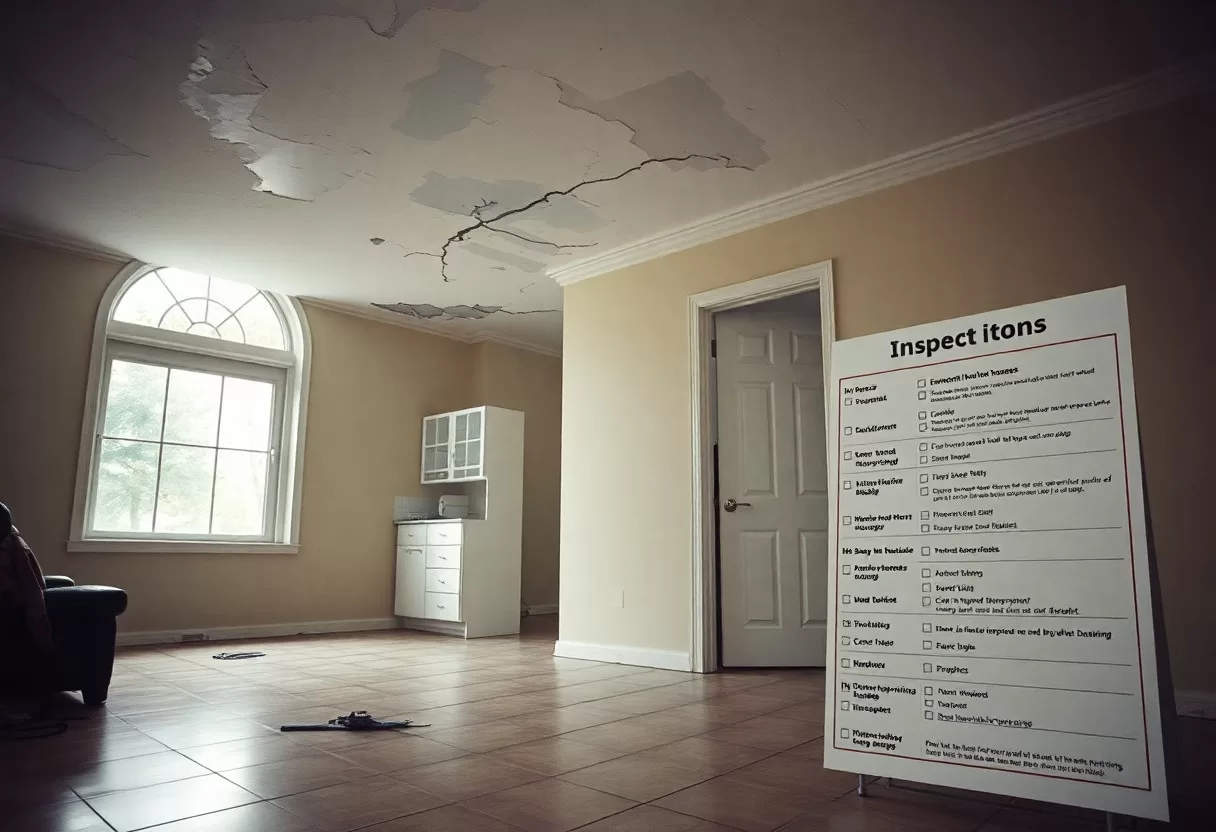
The Cost of Cutting Corners: Financial Ramifications
Skipping a home inspection can lead to significant financial headaches down the line. Many homeowners find themselves facing unexpected repairs that could have been identified before purchasing the property. Instead of negotiating repairs with the seller or adjusting the purchase price, you may suddenly face exorbitant costs that can disrupt your budget and diminish your investment.
Unexpected Repairs: What Homeowners Wish They Knew
Homeowners often regret not having a thorough inspection, as they are blindsided by costly repairs that arise shortly after moving in. Issues like roof leaks, faulty plumbing, or electrical problems can quickly drain your wallet. Many homeowners have faced bills in the thousands, wishing they had taken the time to evaluate the property properly before committing.
The Long-Term Financial Toll of Ignoring Inspections
Ignoring a home inspection can lead to a cascading series of financial burdens. Not only do neglected repairs need addressing, but the potential depreciation of your home’s value can seriously affect your investment. Homeowners often end up paying significantly more in the long run, as urgent repairs can accumulate faster than anticipated, leading to an uncertain financial future.
Over time, the impact of skipping inspections can compound. You may find your home requiring extensive renovations, leading to an average of $15,000 to $25,000 in repairs for serious issues like structural damage or unsafe electrical systems. Homeowners typically lose out on potential equity and are stuck in a cycle of ongoing repairs that offset any savings they may have gained from initially forgoing that inspection. Understanding these long-term costs is vital to making informed decisions and ensuring your home remains a sound investment.
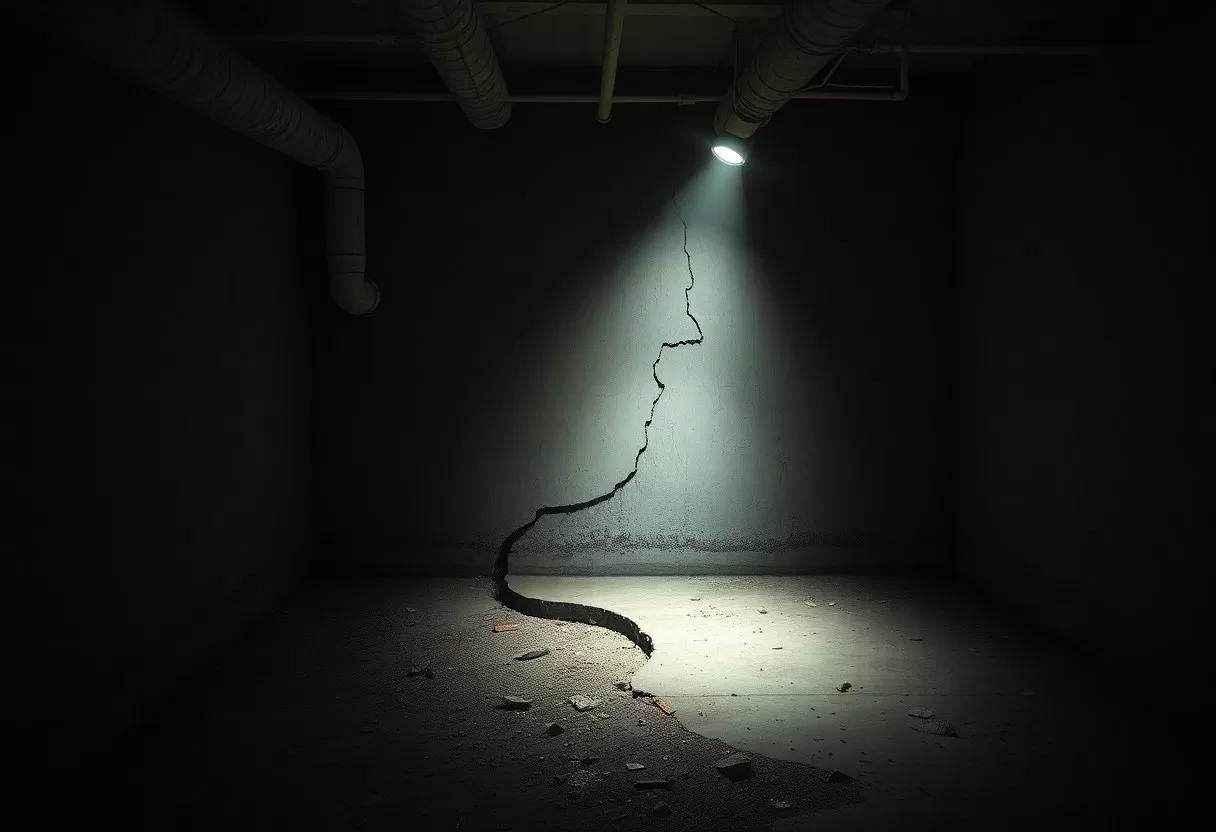
The Dangers Lurking Beneath the Surface
Many issues can remain hidden until they become serious problems, costing you extensive time and money. Your dream home may be hiding dangers such as outdated wiring, pest infestations, or plumbing leaks. These issues can escalate quickly, leading to costly repairs and potential safety hazards.
Common Hidden Issues: Mold, Structural Damage, and More
Mold growth can silently take hold in damp basements or under sinks, while structural damage can stem from termites or poor building practices. These problems often go unnoticed during casual walkthroughs, allowing hazardous conditions to flourish undetected. If you forgo a home inspection, you might become the unfortunate owner of a property riddled with unseen issues that severely impact its value and livability.
Stories from Homeowners: Regret in Hindsight
Homeowners often share haunting tales of regret after skipping inspections. One family discovered extensive mold in their walls shortly after moving in, leading to health complications and costly remediation. Another couple found their new home laden with termite damage, resulting in a hefty repair bill that far exceeded their budget. These stories serve as stark reminders of the risks associated with bypassing due diligence.
Each homeowner’s story reveals a common theme: what seemed like a cost-saving decision can turn into a financial nightmare. Skipping a home inspection often leads to unexpected expenses that can cripple your budget. As countless individuals have learned, the allure of a smooth transaction can quickly turn sour when hidden flaws come to light. Ignorance may seem blissful, but for many, the reality check that follows can be anything but pleasant.
The Emotional Toll of Skipping Inspections
The consequences of skipping a home inspection go beyond financial loss; they can deeply affect your emotional well-being. Imagine the excitement of moving into your new home, only to be overwhelmed by dread when unexpected issues arise. You may find yourself grappling with anxiety and regret, particularly if a major malfunction or hidden hazard emerges shortly after you take possession. The feeling of having put your trust in a property that reveals itself to be a money pit is devastating, leaving you questioning your judgment and the future you envisioned.
Buyer’s Remorse: When Decisions Come Back to Haunt You
That exhilarating rush of buying a house can quickly turn into a pit of despair when you realize that skipping an inspection has led to a major repair you didn’t foresee. The thrill of ownership shifts to a haunting reminder with every leaky pipe or faulty electrical system you encounter, making you wish you had prioritized due diligence. Many homeowners later wish they had taken a moment to thoroughly assess the property, foreseeing the financial and emotional strain that a seemingly small oversight can cause.
The Stress of Homeownership: Managing Unexpected Issues
Owning a home entails a level of responsibility which can become overwhelming when those unexpected issues crop up. Whether it’s costly repairs or safety hazards, the emotional stress can manifest in various ways, from sleepless nights to constant worry about finances. You’re faced with making tough decisions: how to allocate savings for urgent repairs or whether to live with a problem that may only worsen over time. Understanding the risks associated with skipping an inspection may prevent the heartache of unanticipated complications that feel like an insurmountable burden.
In addition to financial drain, managing these sudden issues without a prior inspection amplifies feelings of stress and frustration. You might find yourself scrambling for contractors, dealing with timelines, and facing the potential of living in a home that does not meet safety codes. The emotional fatigue accumulates as you juggle your daily responsibilities while trying to navigate these unforeseen challenges. Inadequate preparation can lead to longer-lasting psychological impacts, making you feel trapped in a scenario you never anticipated, further solidifying the importance of diligence in the home-buying process.
The Role of Home Inspections in the Buying Process
Home inspections play a vital role in your purchasing journey, acting as a safety net before you finalize your investment. By highlighting potential issues, inspections provide valuable insights into the condition of the property, which can influence your decisions significantly. Understanding the state of the property ensures you make an informed choice, protecting you from unexpected surprises after the sale.
Protecting Your Investment: Why Inspections Matter
Investing in a home is a monumental decision that requires careful evaluation. A home inspection serves as an important tool in safeguarding your investment by identifying hidden problems with the property. Issues such as plumbing leaks, electrical faults, or mold can lead to costly repairs down the line. With a thorough inspection, you gain peace of mind and ensure your hard-earned money isn’t placed at risk.
Navigating the Deal: How Inspections Can Strengthen Your Position
A well-documented inspection report can be a powerful negotiating tool when you’re making an offer on a home. By presenting this report to the seller, you can advocate for necessary repairs or adjustments to the sale price based on the findings. For instance, if the inspector uncovers a malfunctioning roof, you can negotiate a lower price or request that the seller repair it before closing. This proactive stance not only helps you secure a better deal, but it also demonstrates your commitment to making a wise investment.
Essentially, navigating the deal relies heavily on the leverage gained from your inspection findings. For example, if the inspection reveals multiple areas needing attention, you can approach the seller with confidence, equipped with evidence to support your requests. Offering an informed proposition often leads to an amicable resolution, ensuring that both you and the seller find common ground. In the competitive housing market, such negotiation power can make all the difference.
Alternatives to Home Inspections: Are They Worth It?
While some homeowners consider forgoing a professional inspection, other alternatives exist that might help ease your decision. Options like pre-inspections by sellers or walkthroughs with contractors can provide partial insights. However, these alternatives often lack depth and thoroughness, failing to uncover hidden problems that a professional might detect. Relying on these methods can leave you vulnerable to costly repairs down the line.
DIY Checks: What You Can Do vs. What You Can’t
You can perform basic checks like testing faucets, observing walls for cracks, and inspecting the roof for shingles that are missing or curling. However, serious issues like electrical or plumbing faults require trained eyes. Many homeowners lack the expertise to identify these hidden dangers, making DIY checks limited in scope. You could easily miss crucial red flags that could lead to significant problems later on.
The Risks of Relying on Seller Disclosures
Seller disclosures provide valuable information, but they can also be misleading. Sellers may unintentionally omit issues or, in some cases, even disclose information that downplays the severity of a problem. Trusting these disclosures without a proper inspection can result in inheriting undisclosed, expensive repairs. In fact, an estimated 20-30% of property transactions involve undisclosed issues that would be caught in a professional inspection, leaving buyers in precarious situations.
Summing up
Ultimately, skipping a home inspection can lead to unexpected and costly surprises, impacting both your finances and peace of mind. You might encounter hidden issues—like structural damage or faulty systems—that could have been uncovered with a thorough inspection. This could mean expensive repairs down the line or even jeopardize your investment. By understanding the potential pitfalls of forgoing an inspection, you empower yourself to make informed decisions about your real estate journey and safeguard your investment in the long term.
Q: What are the potential consequences of skipping a home inspection before buying a property?
A: Skipping a home inspection can lead to several unforeseen issues after the purchase. Buyers may encounter serious problems that were not visible during a casual viewing. Common issues include hidden structural damage, electrical problems, plumbing leaks, or pest infestations. These problems can lead to costly repairs that could have been identified beforehand had an inspection been conducted. Furthermore, buyers may feel overwhelmed by the unexpected financial burden and may find themselves struggling to negotiate with sellers over these unaddressed issues.
Q: Can skipping a home inspection affect my mortgage approval?
A: Yes, failing to have a home inspection can impact mortgage approval in certain cases. Lenders want assurance that the property is a sound investment. If significant problems are discovered post-purchase, it can jeopardize the property’s value, leading banks to reconsider financing options. In some instances, lenders may require an inspection as a condition for approving the loan or may demand additional safeguards or repairs before proceeding with the loan. Thus, not conducting an inspection can complicate securing necessary funding.
Q: What are the emotional impacts of purchasing a home without an inspection?
A: The emotional consequences of buying a home without an inspection can be significant. Homebuyers often feel a sense of anxiety and stress when unexpected repairs arise, particularly if discovered shortly after closing. These feelings may include regret over the decision to skip the inspection, frustration over unanticipated costs, or even fear of living in a potentially unsafe or unstable home. Ultimately, ensuring peace of mind is one of the key benefits of a home inspection, which can be lost when this step is overlooked.