
Mistakes People Make When Decorating Their Living Room (and Easy Fixes)
Most people overlook key aspects that can significantly enhance their living room’s aesthetic and functionality. You may find yourself struggling with furniture placement, clashing color schemes, or neglecting lighting. These mistakes can diminish the overall vibe of your space, making it feel uninviting. Fortunately, there are simple solutions that can transform your living room into a harmonious and welcoming environment. By addressing these common pitfalls, you can create a space that reflects your style and enhances your daily living experience.
Key Takeaways:
- Overly matching colors and patterns can create a dull space; incorporate contrasting elements for visual interest.
- Neglecting proper lighting can lead to an uninviting atmosphere; use a mix of ambient, task, and accent lighting.
- Ignoring scale and proportion results in awkward furniture arrangements; choose pieces that fit the room size and layout.
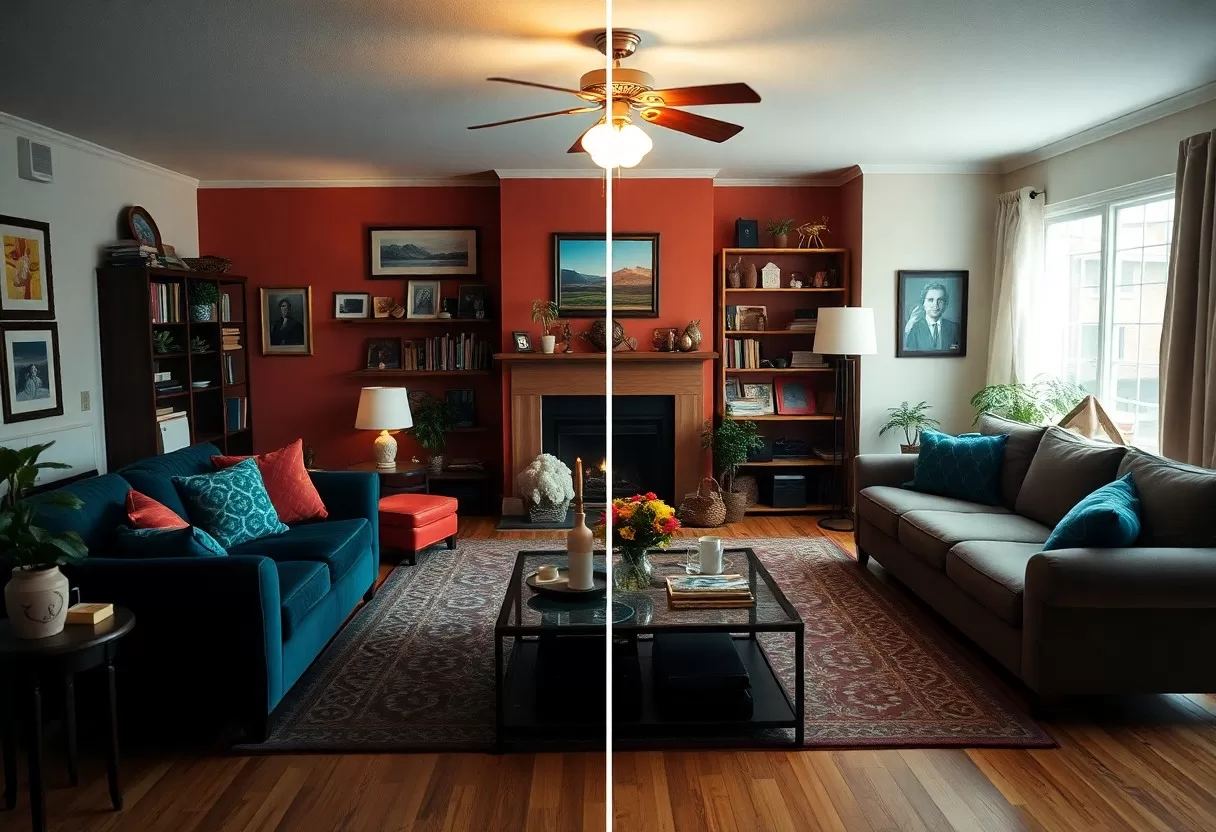
Common Mistakes in Living Room Decoration
When decorating your living room, certain missteps can compromise the overall aesthetic and functionality of the space. Understanding these common mistakes allows you to make informed decisions that enhance both style and comfort. You can effectively transform your room by identifying and addressing these pitfalls.
Overcrowding the Space
Overcrowding is a frequent issue that leads to a cramped, uncomfortable environment. It’s tempting to fill every corner with furniture and decor, but too many items can make the room feel disorganized and chaotic. Aim for a balance by selecting fewer, larger pieces that allow for easy movement and visual breathing room.
Misplacing Furniture
Incorrect furniture placement can hinder flow and functionality. For instance, avoiding conversation areas by pushing seating against walls or blocking pathways limits interaction and makes the space feel less inviting. Instead, place sofas and chairs to encourage dialogue, positioning them thoughtfully to create a welcoming atmosphere.
Effective furniture placement considers both function and form. Try to anchor your seating arrangements around a central focal point, such as a coffee table or television. This layout not only promotes communication but also enhances traffic flow. Aim for at least 18 inches between furniture pieces to allow easy movement. Additionally, avoid the temptation to shove everything against the walls, as this can make the room feel disconnected. Position your furniture to create cozy nooks that invite conversation and comfort, enhancing the overall livability of your space.
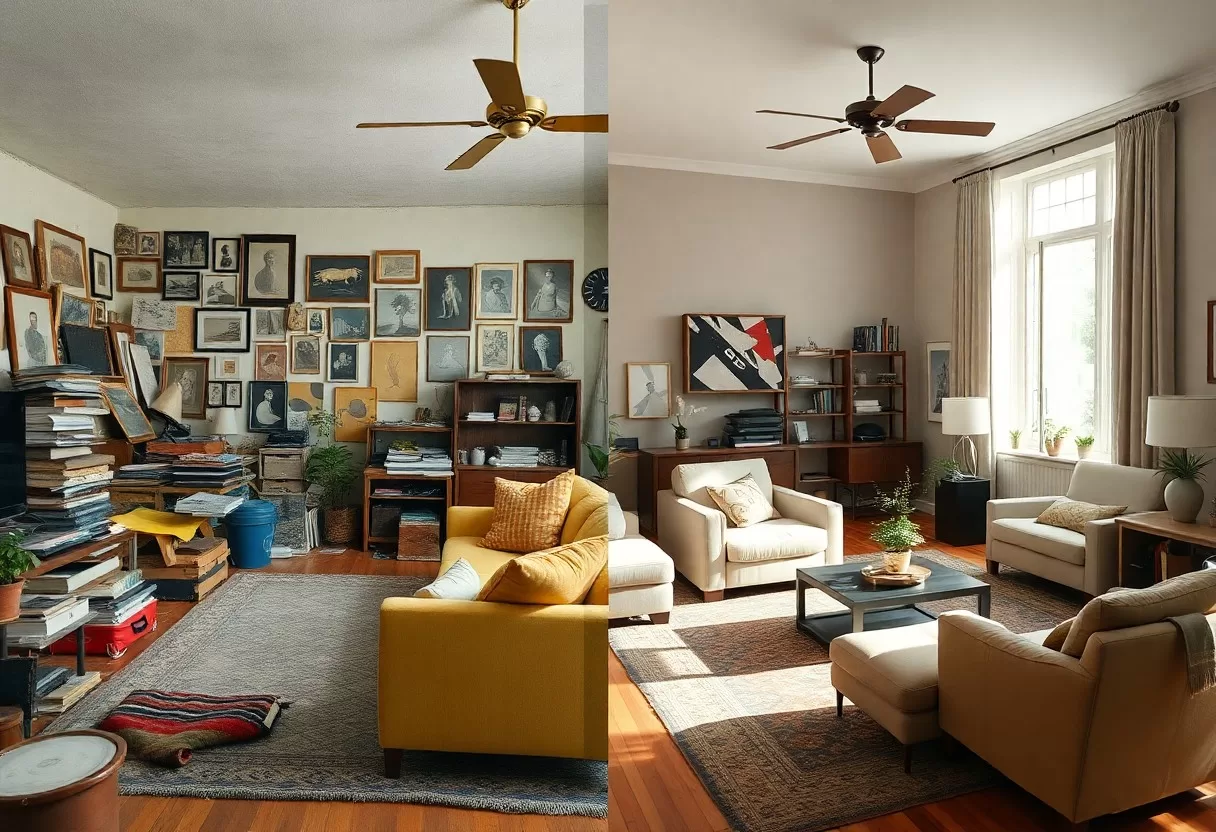
Ignoring Color Schemes
Choosing the right color scheme is necessary for creating a harmonious living room. Ignoring this aspect can lead to a jarring space that feels disconnected and uninviting. Consider using a color wheel to identify complementary hues and establish a palette that reflects your style while enhancing mood. Aim for a balanced mix that includes neutral tones alongside bolder accents for depth and interest.
Clashing Colors
Clashing colors can ruin the ambiance of your living room. When shades compete for attention, it creates visual chaos. Instead of combining too many bold colors, limit your palette to three or four harmonious shades that play well together. Think about balancing bolds with neutrals to ground the space.
Lack of Cohesion
A lack of cohesion can make your living room feel disjointed. Aim for a unified look by selecting colors, patterns, and materials that connect with each other. For instance, if your sofa features a geometric pattern, consider integrating similar shapes in other decor elements, like cushions or artwork. This balance helps in creating a seamless flow throughout the room, allowing each piece to complement rather than compete with others.
Neglecting Lighting
Lighting often gets overlooked when designing your living room, but it plays a significant role in creating the right atmosphere and enhancing decor. Without appropriate lighting, your space can feel uninviting, flat, or even chaotic. Ensure you incorporate various light sources to achieve balance, including ambient, task, and accent lighting, to elevate your living area effectively.
Insufficient Natural Light
Many living rooms suffer from a lack of natural light, making them feel dark and cramped. If your space has small windows or is oriented poorly, consider using mirrors to reflect light and brighten the area. You can also opt for light-colored curtains or blinds to maximize daylight while still providing privacy.
Poor Choice of Fixtures
The fixtures you choose can dramatically affect how your living room feels. Opting for overly ornate or mismatched fixtures can disrupt the harmony of your design. Instead, select light fixtures that complement your decor style and provide adequate illumination. For instance, a sleek floor lamp in a minimalist setting can create a stylish focal point while brightening up your space.
Choosing the wrong fixtures can not only make your living room look disorganized but can also affect functionality. For example, large chandeliers in low-ceiling spaces might feel overwhelming, while too few light sources can lead to shadowy corners. Aim for a cohesive aesthetic by mixing different types of fixtures—like pendant lights, sconces, and table lamps—to achieve layered lighting. Also, focus on the style of the fixtures; modern designs work well in contemporary settings, while vintage lamps can enhance a classic vibe. Ensure the brightness levels are suitable for various activities, from reading to entertaining.
Focusing Solely on Trends
Chasing the latest trends can lead to a living room that feels less like home and more like a showroom. While incorporating trendy elements can modernize your space, relying solely on them often results in a look that quickly becomes outdated. You’re better off investing in timeless pieces that blend with current trends instead of dipping entirely into fads that may fade within a season.
Temporary Styles
Temporary styles can give your living room a fresh feel, but they often lack longevity. Items like oversized patterned furniture or bold wallpaper can draw attention, yet you may find these choices feel dated in a few months. Instead, opt for accessories that can be easily swapped out, ensuring your investment remains relevant over time.
Personal Preference vs. Fashion
Your unique taste should guide your decorating decisions rather than merely following what’s trending. While current fashion might suggest specific colors, patterns, or arrangements, your living room must reflect your style. Balancing personal preference with elements of fashion helps create a space that feels both inviting and stylish.
Choosing between personal preference and fashion is imperative in designing your living room. Relying too heavily on trends could mean abandoning your style, leading to a space that lacks warmth and authenticity. Instead, embrace a mix: select trendy decor that resonates with you and enhances your personal aesthetic. For instance, if you love a minimalist look but see bold, vibrant accents trending, consider incorporating those colors subtly through cushions or wall art that reflect your personality without compromising your vision.
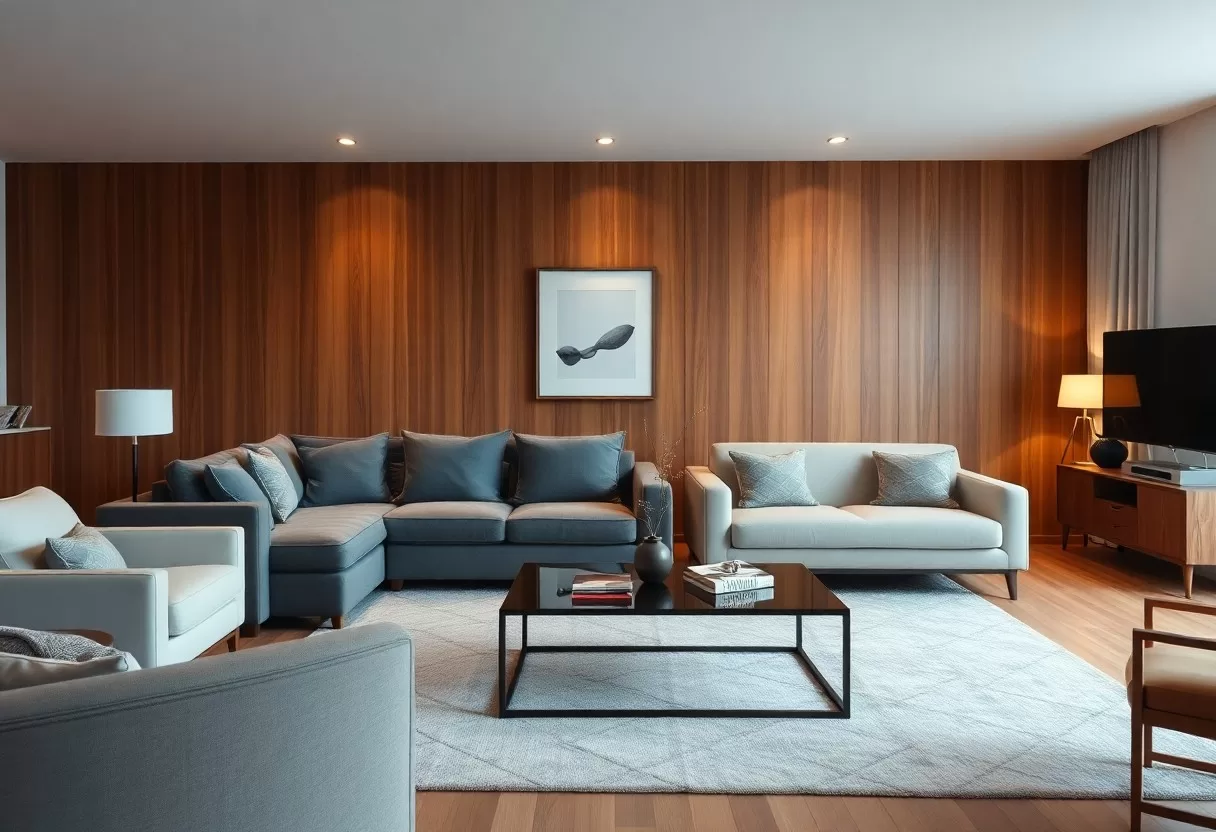
Underestimating Scale and Proportion
When decorating your living room, scale and proportion can significantly influence the overall harmony of the space. A common mistake is selecting pieces that either overwhelm the room or get lost in it. This misjudgment can lead to an unwelcoming atmosphere or an underwhelming aesthetic, making your living room feel either cluttered or sparsely furnished. Aim for items that complement each other in size and functionality to enhance overall flow and comfort.
Oversized or Undersized Furniture
Choosing furniture that is either oversized or undersized can disrupt the visual balance in your living room. Oversized furniture can make a space feel cramped and uninviting, while undersized pieces may lack presence. Always evaluate the dimensions of your room before making a purchase, considering at least two-thirds of the room’s height and one-third of its width for effective furniture placement.
Balance between Elements
Achieving balance between elements is imperative for a well-decorated living room. Mix different styles, textures, and colors while ensuring that no single element dominates the space. Aim for a cohesive look by combining larger, heavier components with lighter, more delicate ones. For instance, pair a large sectional with a sleek glass coffee table to create contrast and maintain visual interest.
Balance isn’t merely about even distribution; it’s about creating an intricate relationship among your decorative pieces. For example, if you have a large entertainment unit on one side, consider placing a tall plant or a bookshelf on the opposite side to visually counterbalance it. Elements like art and accessories should also contribute to this equilibrium. Arrange objects in odd numbers and vary the heights to enhance both aesthetics and dynamics, creating a livelier and more inviting atmosphere.
Skipping Personal Touches
Neglecting to add personal touches to your living room can result in a space that feels static and uninviting. Incorporating elements that reflect your personality will not only enhance the aesthetic appeal but also create a sense of comfort. Whether it’s through artwork, unique accessories, or color schemes that resonate with you, these personalizations transform your living room into a sanctuary that tells your story.
Lack of Individuality
A living room void of individuality can appear bland and generic. Avoid following cookie-cutter designs and instead embrace styles, colors, and decor that resonate with your personal taste. This not only distinguishes your space from others but also fosters a unique atmosphere where you feel connected and at ease.
Not Incorporating Memories
Items that hold sentimental value can enhance your living space and evoke cherished memories. Whether it’s a family heirloom, a photograph from a special occasion, or souvenirs from travels, integrating these pieces creates depth and character in your design, making it feel truly yours.
Incorporating memories into your living room decor connects your space with your personal history, making it a living tapestry of your experiences. A shelf filled with travel souvenirs, framed photos from significant events, or art created by loved ones can serve as conversation starters, adding warmth and intimacy. Consider rotating these items to keep the look fresh while continuously celebrating your personal narrative, ensuring the living room remains a vibrant reflection of who you are.
To wrap up
Summing up, avoiding common mistakes in your living room decor can significantly enhance your space. Focus on scale, color harmony, and functional layouts to create an inviting atmosphere. Additionally, consider the balance of furniture and accessories to prevent clutter. For more insights, check out Living Room Decorating Dos & Don’ts: Easy Fixes for …. By making these simple adjustments, you can achieve a well-styled living room that reflects your personal taste and meets your needs.
FAQ
Q: What are common color scheme mistakes in living room decorating?
A: Many people choose a color scheme that doesn’t complement the natural light or the size of the room. A solution is to test paint samples on the wall before committing and consider using a monochromatic palette or analogous colors for a cohesive look.
Q: How can furniture arrangement impact the living room’s usability?
A: Poor furniture arrangement can block pathways and make the space feel cramped. To fix this, create a focal point, such as a fireplace or a television, and arrange seating to encourage conversation, ensuring there’s adequate space for movement.
Q: What are the pitfalls of overdecorating and how can it be avoided?
A: Overdecorating can lead to a cluttered look and overwhelm the space. A simple fix is to choose fewer statement pieces and prioritize quality over quantity. Incorporate functional items that also serve as décor for a more streamlined appearance.