
Under‑Stair Storage Solutions – Clever Ways to Maximise Hidden Space
Many homeowners overlook the under-stair void, but you can convert it into tailored storage that maximizes space, improves organization, and boosts home value. With clear planning, you should measure accurately, check for hidden wiring and load-bearing elements to avoid hazards, and select durable finishes so your solution is both practical and long-lasting.
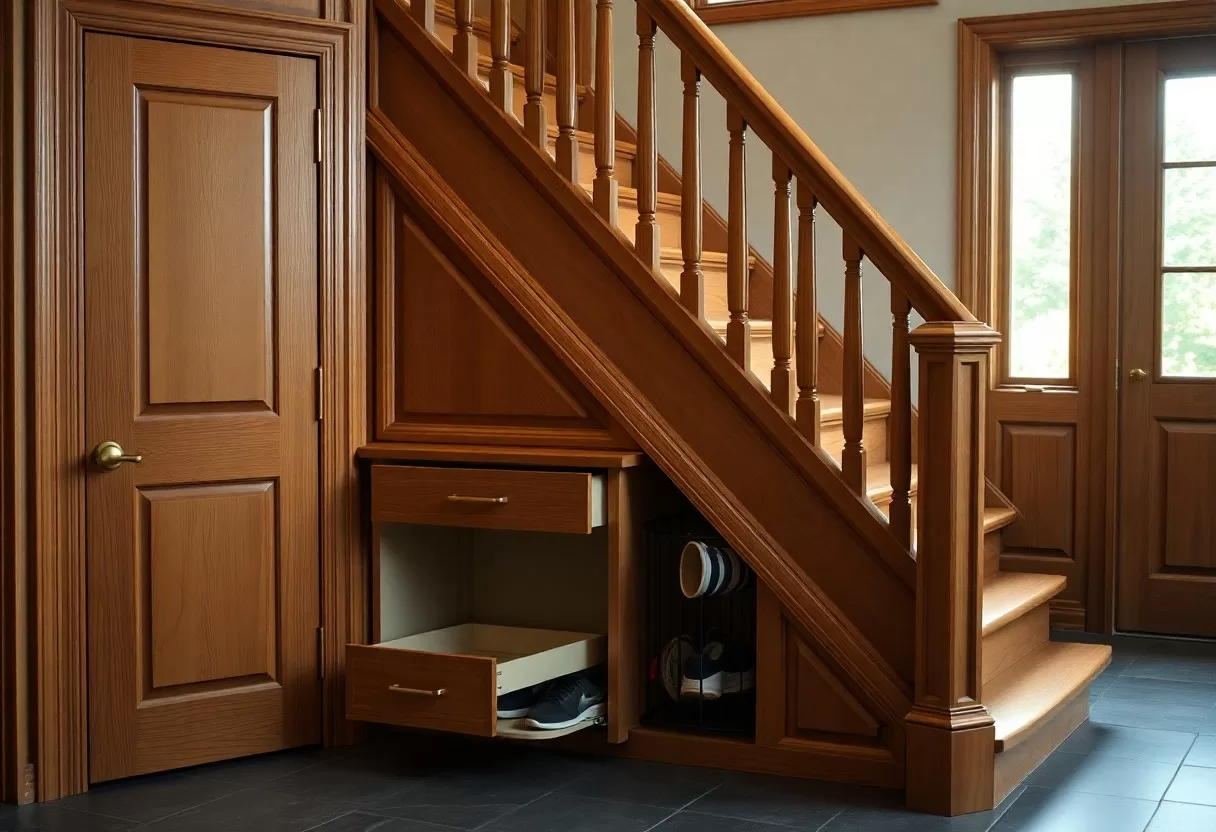
Key Takeaways:
- Tailor the layout to specific needs-pull-out drawers, cubbies, or a mini-pantry keep items organized and accessible.
- Use custom or modular solutions to fit the angled space-angled drawers, sliding trays and hinged doors maximize usable volume.
- Integrate lighting, ventilation and cohesive finishes so the space is functional, easy to use and blends with the home.
Understanding Under-Stair Spaces
Beneath most residential staircases you’ll find a triangular void typically between 0.5-3 m² that varies by rise, run and layout; you’ll often face sloping ceilings, supporting stringers and service runs (water, gas, electrical) that limit usable volume. Measuring clearances and identifying load-bearing elements first lets you plan drawers, shelving or a compact WC safely. Watch for mould, damp or exposed wiring when assessing the space, as these demand remediation before fit-out.
Common Challenges
You frequently contend with low headroom near risers (often under 1.5-1.8 m), irregular depths and obstructive structural members that complicate fitments. Access to plumbing or electrical trunks can restrict permanent installations, and fire-safety or ventilation requirements may force design compromises. Expect to compromise between full-height storage and walk-in options, and budget extra for custom joinery when off-the-shelf units won’t fit.
Benefits of Maximizing Space
Converting under-stair voids can free up 1-2 m² elsewhere, streamline daily routines and reduce clutter: pull-out drawers, a pantry or bike storage reclaim hallway or kitchen floor area. You can typically store 20-40 pairs of shoes or 10-15 coats in a well-planned cupboard, and built-ins improve aesthetics while making maintenance simpler-boosting functionality without extending your footprint.
For example, turning a 2 m² under-stair into a fitted pantry or utility cupboard often increases usable kitchen storage by around 25-30%, cutting countertop clutter and appliance overflow. You can also add features like integrated lighting, ventilation fans or a condensation barrier to protect stored items; these small investments prevent mould and extend the life of both stored goods and the joinery.
Creative Storage Ideas
Mix pull-out drawers, built-in cabinets and open niches to exploit every angled void under stairs; for example a 2m run can house a 600mm-wide pull-out pantry, a 1m shoe cubby and vertical broom storage. Use multi-height shelving for books and baskets, install hooks or a flip-down desk for occasional use, and incorporate hidden niches for charging stations. Maximise depth to at least 300mm where possible and anchor units to stringers for safety.
Shelving and Cabinets
Install adjustable shelving with depths between 200-400mm so you can store magazines, shoes or folded linen; floating shelves suit display while enclosed cabinets hide clutter. Choose plywood or MDF with veneer for moisture resistance, fit 250-300mm-high cubbies for kids’ items, and use glass-front cabinets for curated displays. Secure cabinets to studs and add soft-close hinges to reduce slamming and finger injuries.
Built-in Drawers
Fit full-extension, ball-bearing runners to give you access to the entire drawer-standard widths run 300-600mm and depths 300-500mm, so you can stack linens, tools or seasonal clothing neatly. Use soft-close slides to prevent trapped fingers and select runners rated at least 50kg for heavy storage. Anchor drawer carcases to the stair stringer and use dividers to keep small items organised.
For durability use 12-18mm plywood or hardwood for drawer boxes and joinery such as dovetail or reinforced butt joints; undermount soft‑close slides hide hardware and typically offer full extension with ratings of 45-80kg, while side‑mounted ball‑bearing slides are easier to fit and handle 50-70kg. Size drawers by function: toe‑kick drawers 100-150mm for shoes, standard 150-300mm for linens. When you install, fasten carcases into the stringer with screws into studs, shim for square, and fit anti‑tilt catches so drawers cannot be pulled out fully and fall.
Functional Decor Solutions
Utilizing Design Elements
Consider using continuous wood grain or matching paint across doors and risers to make the under‑stair run read as part of the room; studies suggest cohesive finishes can increase perceived space by up to 15%. You can add 3000K LED strips at 120 lm/ft for task visibility and safety, and specify low‑voltage lighting to reduce fire risk. For storage, use 30-40 cm deep open cubbies for books and shoes or a contrasting back panel to create visual depth.
Multi-purpose Furniture
Opt for built‑in benches with three deep drawers or a pull‑out desk that accommodates a 32 cm laptop and a 60 cm work surface; a storage ottoman typically adds 50-80 L of usable volume. You should specify drawer runners rated ≥40 kg for longevity and choose soft‑close hardware to protect contents and fingers. Consider seating rated for 100+ kg if you intend to sit on integrated benches.
In a tight 60-90 cm deep cavity you can fit a fold‑down desk that opens to 60 cm depth with vertical file slots 30 cm wide; one London flat renovation converted a 1.8 m under‑stair span into seating plus four drawers and increased storage by 35%. Use plywood or MDF faces for durability, metal drawer boxes for smooth operation, and always test load‑bearing components during installation to ensure safe, long‑lasting performance.
DIY Under-Stair Projects
Transform a tucked-away void into functional storage by planning simple DIY builds that fit your stair run; you can follow inspiration like 17 Unique Under the Stairs Storage & Design Ideas for layouts and finishes. Prioritise a measured plan-measure twice-check for load-bearing walls, and phase work into demolition, framing, storage install and trim for predictable results.
Step-by-Step Guides
Start with precise templates for angled cabinets, then cut and assemble on-site: mark rises, build a plywood carcass, fit sliding drawers on soft-close runners, and finish with trim and paint; a typical small run takes two weekends for one person with intermediate skills.
Step-by-Step Checklist
| Phase | Action |
| Survey & Plan | Measure height, depth, and slope; sketch cabinet modules |
| Demo & Prep | Remove infill, check wiring/plumbing, frame openings |
| Build | Cut carcasses, fit drawer runners, secure to stringer |
| Finish | Install doors/drawers, apply trim, caulk and paint |
Tools and Materials Needed
You’ll typically need a circular saw, jigsaw, cordless drill, impact driver, tape measure, level, clamps and PPE, plus plywood (18mm for carcasses), 6mm backing, drawer runners and hinges; power tools require PPE and safe setup to avoid injury.
For durability choose cabinet-grade 18mm birch or MDF for painted surfaces and hardwood faces for visible trim; use soft-close runners rated for the expected load (20-40kg per drawer) and stainless screws in damp areas. If electrical or structural changes are involved, factor in inspection costs and consult a pro for structural alterations.
Organizing Tips
Segment items by frequency: keep everyday things at eye level and stow occasional items deeper. Use clear bins, slim pull-out drawers and labeled shelves to prevent clutter, and fit low-profile lighting for visibility. Install hooks for bags and a small charging station to keep surfaces free. Knowing you can reclaim roughly 1.5 m² of usable floor space in a 4 m stair run by applying these space-saving tactics.
- Labels: date and contents on bins for quick retrieval.
- Clear bins (20-30L): stackable and let you see what’s inside.
- Zones: designate ‘daily’, ‘seasonal’ and ‘utility’ areas.
- Visibility: add LED strips or motion sensors for dark voids.
Maintaining Order
Set small routines: spend 10 minutes each week returning items to zones and run a 30-minute purge every three months to remove duplicates. Use dividers and transparent bins to keep stacks stable, and label both front and top for quick access. You should test drawer glides annually and tighten fittings to prevent sagging; routine checks stop minor issues becoming structural problems.
Seasonal Storage Considerations
Plan a rotation: store out-of-season clothing, sports gear and holiday décor in labeled bins and swap them every six months. Use vacuum-seal bags to reduce volume by up to 70-75% for soft goods, but keep delicate fabrics in breathable covers. Place silica gel packets to control humidity and avoid conditions above 60% relative humidity that promote mold. This keeps items usable and quick to access.
Use clear totes for ornaments and wrap glass in acid-free tissue or bubble wrap; place fragile boxes on the lowest shelves and heavy bins under stairs to keep the center of gravity low. Coil string lights on a 30 cm spool or dedicated reel to prevent tangles, and remove batteries from toys and décor to avoid corrosion. Keep a photographed inventory on your phone and label bin lids with dates for faster seasonal swaps.
Professional Solutions
When DIY options run out, you can turn to professionals who deliver engineered layouts, warranties and code-compliant installations; explore practical ideas like 10 Unique Ways To Use the Space Under Your Stairs for proven concepts, then apply them to your dimensions and traffic patterns to avoid common pitfalls.
Custom Built-ins
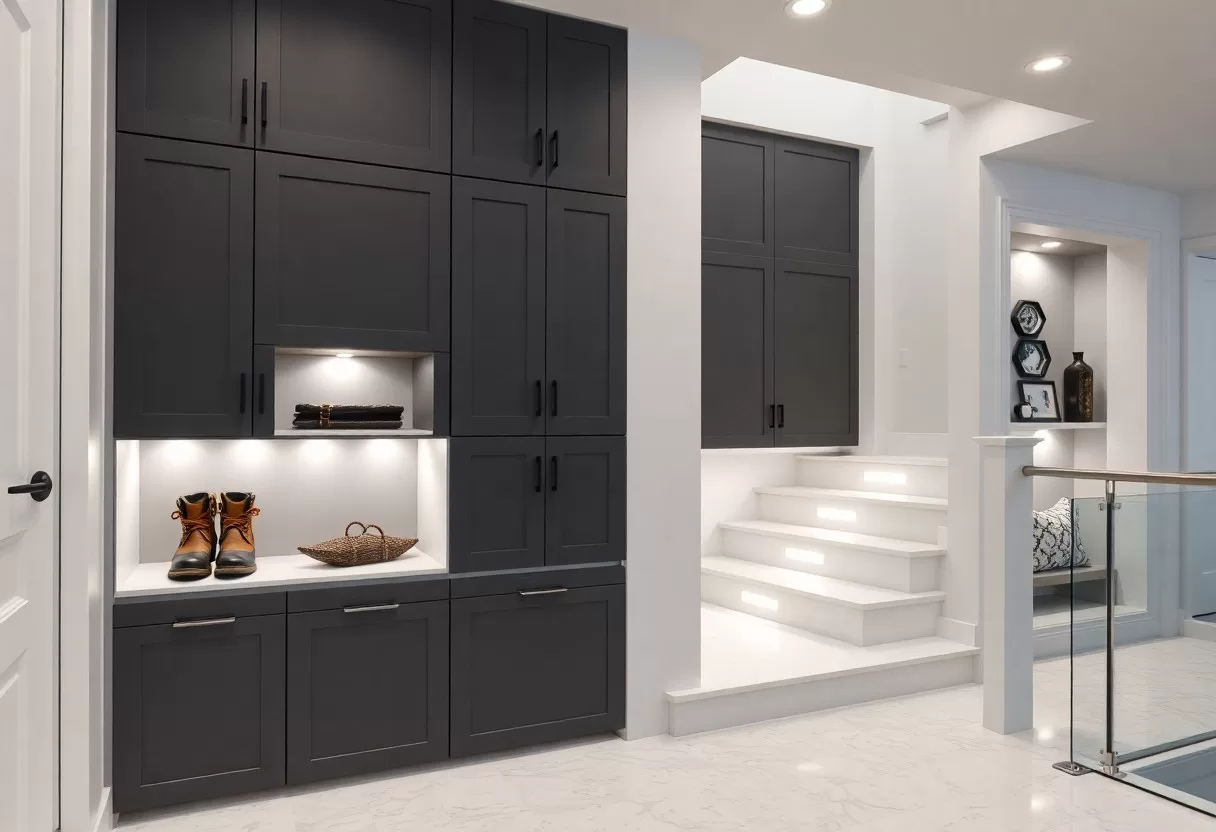
You can order custom built-ins that match trim, floors and paint, using features like full-extension drawers, soft-close hinges and integrated LED lighting; expect projects to range from about $1,500-$8,000 depending on materials, and plan for precision measuring to get seamless fits around stringers and supports.
Hiring a Designer
Engaging a designer gives you scaled plans, 3D renderings and a coordinated timeline; typical fees run from 5-20% of project cost or a flat $500-$5,000, and the designer will advise on structural changes, finishes and permit needs so your under-stair solution performs long-term.
Expect a designer to provide measured drawings, material samples and contractor bids within 2-6 weeks, then oversee construction for another 4-8 weeks; you should also require them to confirm fire separation, ventilation and electrical clearances when converting space to a closet, pantry or powder room to avoid safety and permit issues.
To wrap up
To wrap up, you can transform under‑stair voids into efficient, tailored storage by assessing your needs, selecting built-in drawers, pull-out units or concealed cabinets, and specifying durable finishes and smart hardware. With strategic planning and consistent organization you’ll maximize hidden space, improve access, and increase the functional value of your home.
FAQ
Q: What under-stair storage layouts work best for small homes or apartments?
A: Under-stair storage can be tailored to fit tight footprints by choosing compact, multi-functional layouts. Pull-out drawers and full-extension trays make deep, narrow voids accessible without wasted space; stackable cubbies or modular shelving suit shoes, baskets and seasonal items; shallow open shelves work well for books and display pieces; and a built-in wardrobe with hanging space converts the area into a mini coat or utility closet. For very narrow or sloping cavities, consider tapered shelving or custom-fit trays that match the stair pitch. Measure available depth, riser height and door swing clearance before planning, and use vertical dividers or adjustable shelf systems to adapt storage as needs change.
Q: What structural, safety and regulatory issues should I check before converting under-stair space?
A: Verify whether the stair stringer or adjacent walls are load-bearing and avoid cutting structural members without professional guidance; consult a structural engineer or qualified contractor if in doubt. Confirm there are no concealed services (electrical, plumbing, HVAC) in the area, and relocate or protect them if needed. Check local building codes for requirements related to fire separation, egress, and smoke detector placement-some jurisdictions restrict enclosed spaces under stairs that could affect escape routes. Provide adequate ventilation for enclosed cupboards, and install lighting and electrical outlets only after ensuring circuits comply with regulations. Use treated, moisture-resistant materials at ground-floor locations to prevent mould, and add child-safety latches or magnetic locks where appropriate.
Q: Which materials, hardware and organization strategies best maximize functionality and style?
A: Choose materials that balance durability and appearance: plywood with a veneered face or painted MDF for hidden storage, hardwood or solid panels where the finish will be visible. Fit full-extension, soft-close drawer slides and concealed hinges for smooth operation; push-to-open mechanisms work well for a seamless look. Install LED strip lighting with motion sensors for hands-free illumination and labeled bins or modular inserts for small-item retention. Use vertical dividers, pull-out shoe racks, tilt-out bins or sliding pantry shelves to keep items accessible and organized. Match cabinet fronts, skirting and paint to surrounding stair trim to integrate the unit visually, and plan cable channels and ventilation if the space will house electronics or chargers.