
Circular Building Design – Using Recycled Materials and Reused Components for Sustainability
With the urgent need for sustainable practices in construction, you can significantly reduce environmental impact through circular building design. By utilizing recycled materials and reused components, your projects not only minimize waste but also conserve resources and energy. This approach highlights a positive shift towards a sustainable future, empowering you to make responsible choices that benefit both your business and the planet. Explore the potential of circular design to enhance your construction practices and contribute to a more sustainable built environment.
Key Takeaways:
- Circular building design emphasizes the use of recycled materials and reused components to minimize waste and reduce environmental impact.
- Implementing sustainable practices in construction leads to lower resource consumption and promotes a more efficient use of materials.
- Incorporating a circular approach enhances building longevity and adaptability, supporting future renovations and reducing the need for new materials.
Principles of Circular Building Design
Circular building design revolves around optimizing resource utilization, prioritizing renewable materials, and ensuring that buildings have extended lifecycles. This approach seeks to create structures that are not only efficient in their construction but also promote reuse and recycling at every stage, from planning to deconstruction. Essentially, each component is designed to serve multiple functions, minimizing waste and fostering a regenerative ecosystem.
Key Concepts and Definitions
At the heart of circular building design are concepts like resource efficiency, lifecycle assessment, and cradle-to-cradle principles. Resource efficiency emphasizes reducing material consumption, while lifecycle assessment evaluates the environmental impacts of building materials from production to disposal. Cradle-to-cradle principles advocate for systems that allow materials to be perpetually cycled back into use, avoiding landfill and waste altogether.
Importance of Sustainability
Focusing on sustainability in building design leads to significant environmental benefits. By prioritizing recycled materials and components, you decrease the demand for virgin resources, effectively reducing carbon footprints and minimizing ecological degradation. Sustainable practices also align with global efforts to combat climate change and promote biodiversity, ensuring that your projects contribute positively to the community.
Moreover, integrating sustainability into your design not only meets regulatory requirements but also enhances the value and resilience of your projects. Buildings that utilize sustainable methods often experience lower operational costs due to energy efficiency and decreased waste management expenses. Additionally, these practices can improve occupant health and well-being, creating spaces that people prefer to live and work in. By committing to sustainability, you position your projects as leaders in the industry, appealing to environmentally conscious clients and stakeholders.
Recycled Materials in Construction
Incorporating recycled materials into your building projects not only reduces waste but also promotes sustainability. These materials can be sourced from various industries, offering both environmental and economic benefits. By utilizing recycled components, you can minimize the consumption of new resources, thus conserving energy and reducing emissions associated with production.
Types of Recycled Materials
Many materials can be effectively reused in construction. Some prevalent types of recycled materials include:
- Recycled concrete from demolished structures
- Steel salvaged from old buildings and vehicles
- Glass used in tiles or insulation
- Wood reclaimed from furniture and construction debris
- Plastic materials repurposed for various applications
Knowing the array of available options enhances your decision-making process and allows for creative problem-solving in sustainable design.
| Material | Application |
| Recycled concrete | Foundation aggregates |
| Steel | Structural frameworks |
| Glass | Decorative surfaces |
| Wood | Flooring and framing |
| Plastic | Insulation and piping |
Benefits and Challenges
Employing recycled materials brings notable benefits, including cost savings and reduced environmental impact, while also presenting challenges such as availability and quality control. You will find that the lifecycle assessment of these materials often indicates significant reductions in greenhouse gas emissions compared to traditional materials.
These benefits extend into both the economic and environmental realms. Utilizing recycled materials can result in lower project costs and support local recycling industries. However, challenges arise in sourcing consistent quality and ensuring that the materials meet necessary building codes. It’s vital to assess the durability and performance of recycled components, as not all materials perform equally in structural applications. Still, the advantages often outweigh these hurdles, encouraging innovation and collaboration within the sustainable construction community.
Reusing Components in Building Projects
Incorporating reused components in your building projects can lead to significant sustainability benefits. By sourcing materials like salvaged lumber, reclaimed windows, and repurposed fixtures, you not only divert waste from landfills but also create unique spaces with character. For more insights on this topic, check out Reused – Reusable Products | We live our Material Cycle.
Deconstruction vs. Demolition
Opting for deconstruction rather than demolition allows for the careful removal and preservation of usable building materials. This method can lead to a higher recovery rate of materials, reducing waste generation significantly. For instance, deconstruction can achieve a reuse rate of up to 85% of a structure’s components, compared to less than 5% during traditional demolition.
Case Studies of Reused Components
Analyzing successful case studies demonstrates the viability of integrating reused components in modern construction. For example, the Baltimore Office Project reclaimed 90% of its materials through deconstruction, while the TreeHouse in Texas utilized 60% reclaimed wood in its structure, showcasing innovation in sustainability.
- Baltimore Office Project: Deconstructed a building, diverting 90% of materials from waste streams.
- TreeHouse, Texas: Engineered with 60% reclaimed wood, emphasizing sustainability.
- The Bullitt Center, Seattle: Achieved 25% of its materials from reused sources, leading in green building.
- Reclaimed Roof Tiles Project: Reused 5000+ roof tiles in a commercial space renovation.
- Brooklyn Reclaimed Lumber: Supplied 2500 square feet of reclaimed wood for residential builds.
Examining these case studies reveals the increasing feasibility of reusing components and how it can effectively reduce overall resource consumption. The Baltimore Office Project’s success in diverting materials from waste showcases how deconstruction not only serves environmental goals but also inspires cost-effective building practices. Such examples underline the potential for you to adopt similar methods in your own projects, promoting a sustainable approach to construction.
Designing for Disassembly
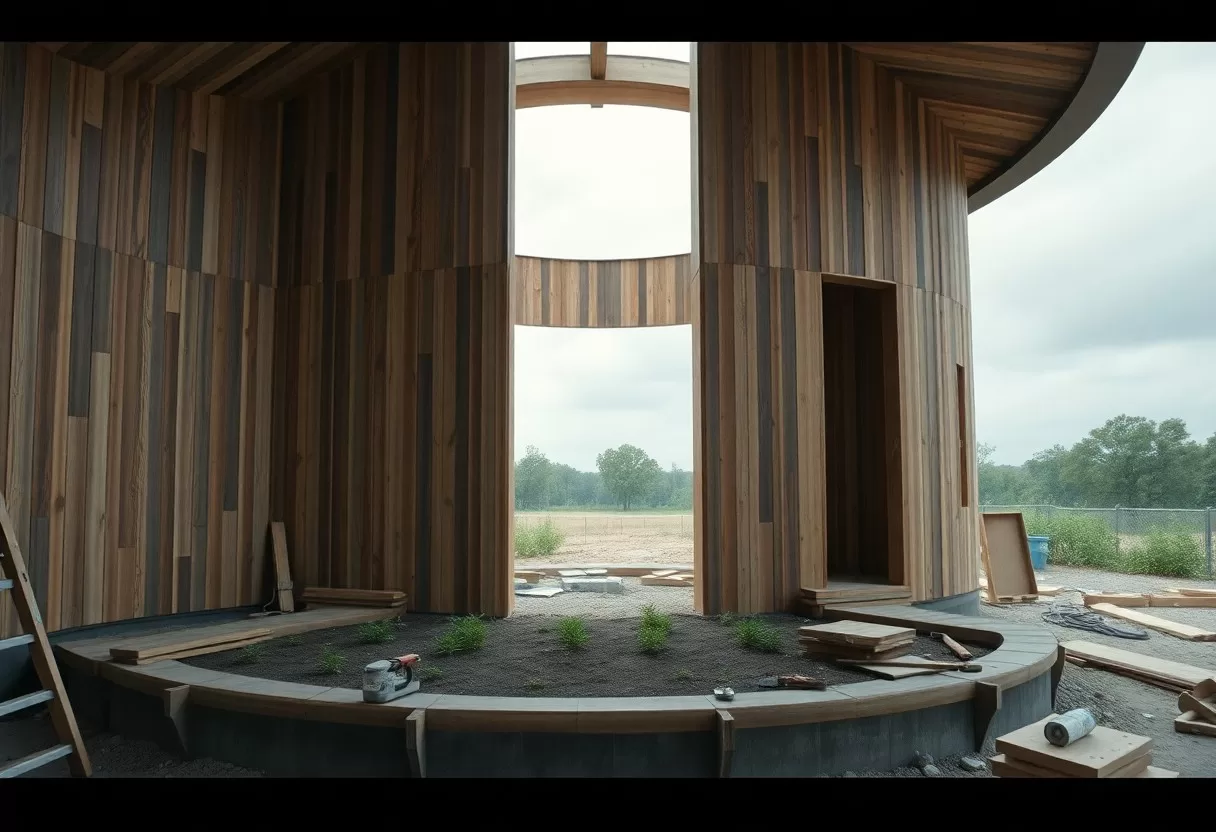
When designing for disassembly, the focus shifts towards creating buildings that can easily be taken apart at the end of their life cycle. You can implement modular components, allowing sections of a structure to be replaced or reused without significant demolition. Fasteners rather than adhesives facilitate easy disassembly, ensuring that materials remain intact for reuse. By prioritizing adaptability, your design can extend the lifespan of materials and reduce landfill contributions, making sustainability an integral aspect of construction.
Strategies for Future Reuse
To enhance your building’s potential for future reuse, consider standardizing components among various projects. Using uniform sizes and materials simplifies the disassembly process. Furthermore, design elements like removable façades and interchangeable interior modules enable you to repurpose spaces effectively. Maintaining thorough documentation of materials and construction methods can aid future users in understanding how to dismantle and reallocate components.
Impact on Building Longevity
Designing with disassembly in mind significantly influences a building’s longevity by facilitating timely repairs and upgrades. Structures engineered for easy disassembly allow you to replace outdated or damaged components without major renovations. Consequently, your buildings remain functional and relevant longer, reducing the pressure to construct new ones.
Ensuring that your building can be easily disassembled not only supports sustainability but also positively impacts its longevity. By allowing for simple upgrades and repairs, you extend the life of the structure significantly. For instance, buildings designed with removable panels or interchangeable components can adapt to changing needs without extensive renovations. This approach minimizes waste and decreases the frequency of complete rebuilds, leading to long-term savings in materials and resources. Moreover, buildings that can evolve with their inhabitants are more likely to maintain their value in the marketplace.
Innovations in Circular Design
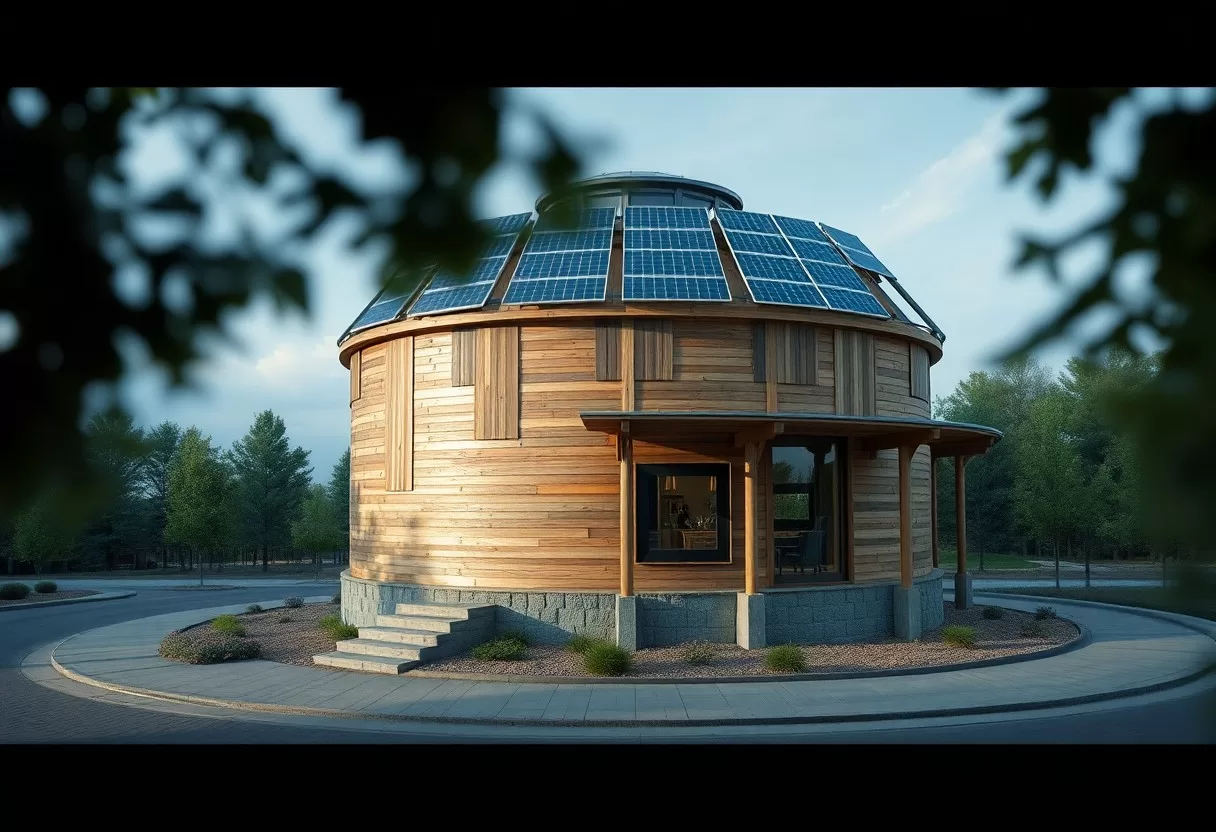
The field of circular design is rapidly evolving, with innovative approaches that prioritize sustainability and resource efficiency. Designers are increasingly adopting new methodologies and tools that facilitate the integration of recycled and reused materials into construction. By leveraging advanced techniques, such as digital fabrication and parametric design, you can create buildings that minimize waste while optimizing performance.
Technology and Material Science
Advancements in technology and material science are driving the circular design revolution. You can utilize smart materials, which adapt to environmental conditions, and bio-based composites that have a lower carbon footprint. Innovations such as 3D printing and modular construction allow for precise material usage, thus significantly reducing waste and supporting the principles of circularity.
Emerging Trends in Sustainable Practices
Emerging trends in sustainable practices highlight a shift towards more responsible construction methods. You might explore the growing popularity of building with reclaimed wood, upcycled metals, and even repurposed industrial materials. This practice not only reduces demand for virgin resources but also gives new life to materials previously destined for landfills.
Among the notable trends, you should consider biophilic design, which integrates natural elements into buildings to enhance well-being and energy efficiency. Moreover, Circular Economy Principles are being adopted across industries, impacting regulations and design policies, thus nurturing an environment favoring sustainability. For example, initiatives promoting zero-waste designs are gaining traction, encouraging you to rethink your entire building lifecycle from material sourcing to end-of-life disposition. Furthermore, grassroots movements advocating for local sourcing empower communities to engage in sustainable practices. These trends signify a paradigm shift, influencing how you approach building design and construction in the most sustainable manner possible.
Regulatory Framework and Standards
Compliance with existing regulatory frameworks is necessary for implementing circular building design. Regulations vary by region, but many local governments are increasingly adopting standards that promote sustainability. You can explore more about sustainable practices in Circular Construction for Eco-Building, which outlines how legislation is evolving to support eco-friendly initiatives.
Policies Supporting Circular Economy
Many countries are developing policies that favor the circular economy, aimed at reducing waste and promoting resource efficiency. These policies often provide incentives for using recycled materials, such as tax breaks and grants for sustainable projects, motivating you to adopt circular principles within your architectural practices.
Certifications and Guidelines
The certification systems available, like LEED and BREEAM, are necessary in guiding your sustainable designs. These frameworks assess the impact of your projects on the environment, encouraging you to integrate recycled materials effectively. By obtaining certifications, you not only validate your commitment to sustainability but also enhance your project’s marketability.
Certifications such as LEED and BREEAM provide comprehensive guidelines that help architects and builders adhere to established standards for environmental performance. By following these guidelines, you can improve the lifecycle of your materials and ensure your building contributes positively to its surroundings. Furthermore, obtaining such certifications often involves rigorous documentation and compliance checks, which can strengthen your position in competitive bidding scenarios, affirming your commitment to sustainability in a tangible way.
Conclusion
Presently, embracing circular building design through the use of recycled materials and reused components enhances sustainability in your projects. By integrating these practices, you substantially reduce waste and the demand for new resources, contributing to a more eco-friendly environment. Prioritizing this approach not only decreases your carbon footprint but also promotes economic efficiency, ultimately leading to more resilient structures. As you advance in your architectural journey, consider how these sustainable methods can shape your designs and benefit future generations.
FAQ
Q: What are the benefits of using recycled materials in circular building design?
A: Utilizing recycled materials in circular building design significantly reduces waste, conserves natural resources, and lowers carbon emissions associated with manufacturing new materials. It promotes a sustainable approach by extending the lifecycle of products and encourages innovative construction practices.
Q: How can reused components contribute to sustainability in building projects?
A: Reused components minimize the need for new materials, thus decreasing demand and the environmental impact of resource extraction. They can also enhance the unique aesthetic of a building, provide historical value, and reduce overall project costs while supporting local economies by promoting deconstruction over demolition.
Q: What challenges are associated with implementing circular building design?
A: Challenges include the need for specialized knowledge in assessing material quality, sourcing reliable suppliers, and navigating regulations that may not account for circular practices. There may also be limitations in the availability of suitable recycled materials and resistance to change within traditional construction methods.