
Ceiling Chic – Why Accent Ceilings Are the Fifth Wall in Home Design
It’s often overlooked, but your ceiling can dramatically influence your space’s overall aesthetic. Accent ceilings not only add visual interest but also create a sense of depth, making your rooms feel more expansive and inviting. By incorporating designs such as colors, textures, and patterns, you can transform your ceiling into the fifth wall in home design, echoing your style and enhancing the atmosphere. Delve into the importance of accent ceilings and discover how they can elevate your home to greater heights.
Key Takeaways:
- Accent ceilings enhance the overall aesthetic of a space, adding depth and character.
- They can be achieved through various techniques, including paint, wallpaper, or molding, allowing for creative expression.
- Incorporating an accent ceiling can define areas within an open floor plan, contributing to a more cohesive design.
The Concept of Accent Ceilings
Accent ceilings transform ordinary spaces into extraordinary environments by drawing the eye upward with distinctive designs and materials. These ceilings often feature bold colors, unique textures, or intricate patterns, serving as a focal point that enhances the overall aesthetic of your room. By treating your ceiling as the fifth wall, you can create visual interest and a personalized touch, setting the stage for a thoughtful and cohesive design throughout your home.
Defining Accent Ceilings
Accent ceilings are decorative ceilings that deviate from the surrounding structure, either through contrasting colors, materials, or patterns. This design choice elevates the visual appeal of a room, signaling a departure from conventional ceiling designs. You often employ these elements in spaces like dining rooms, living areas, or bedrooms to create impact and intrigue, making the ceiling a vital part of your interior design narrative.
Historical Context of Ceiling Design
Ceilings have long been a critical element in architectural design, reflecting cultural trends and technological advancements. In ancient Egypt, you would find intricately painted ceilings symbolizing the heavens above, while the Renaissance period showcased ornate plasterwork and frescoes that signified wealth and sophistication. Over the centuries, as construction techniques evolved, ceiling styles shifted, from the coffered ceilings of the Baroque era to the minimalist designs of the mid-20th century. Each era exudes its distinct flavor, influencing contemporary accent ceiling trends.
In the 18th and 19th centuries, the rise of decorative ceiling techniques, such as *stencil painting* and *raised plaster*, illustrated the growing appreciation for ornamental design in homes. Victorian homes often boasted grand, ornate ceilings, while Art Deco introduced geometric patterns and metallic finishes. Today, you draw inspiration from these historical styles to create accent ceilings that resonate with your personal aesthetic, blending classic charm with modern sensibilities. The continuous evolution emphasizes that your ceiling’s design can tell stories as rich and varied as the history of architecture itself.
Design Principles for Accent Ceilings
Accent ceilings transform any room, adding depth and character while drawing the eye upward. To create a cohesive look, focus on design principles such as balance, scale, and proportion. Ensuring that your ceiling treatment complements your overall decor is vital to achieving a harmonious space. Consider the function of the room and your personal style when selecting your accent ceiling elements, enhancing the atmosphere without overwhelming the design.
Color and Texture Choices
Color and texture play pivotal roles in accent ceilings, influencing light and mood. Bold hues can make a statement, while softer shades can create a peaceful ambiance. Consider using textured materials like wood, metal, or plaster to add visual interest. For instance, a soft blue hue can evoke tranquility, while a metallic finish may inject glamour and sophistication, reflecting light beautifully throughout the space.
Patterns and Shapes
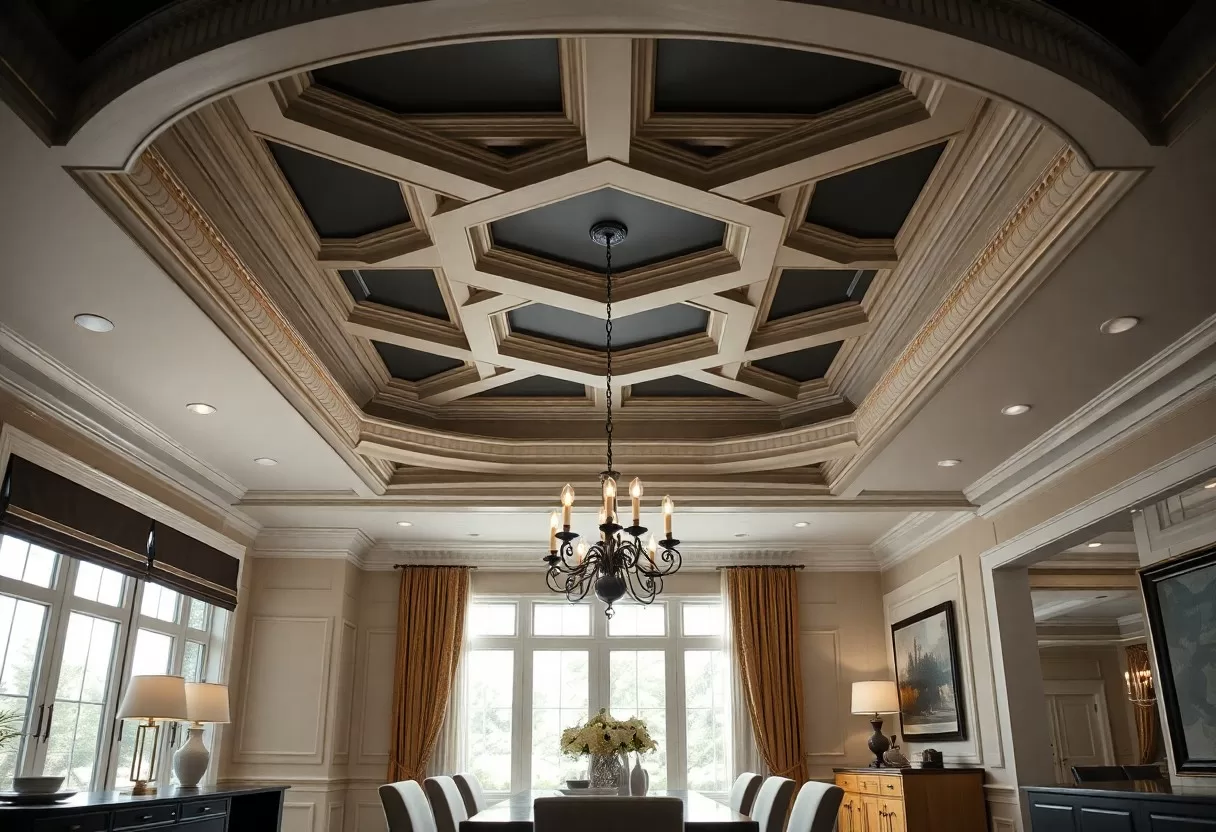
Patterns and shapes can dramatically alter the perception of a room, adding intrigue and uniqueness to your ceiling design. Geometric shapes can create a modern aesthetic, while organic forms often lend a softer, more traditional feel. Implementing designs like coffered ceilings, beams, or stenciled motifs can enhance architectural features and infuse your personality into the space.
Geometric patterns, such as chevrons or herringbones, can offer a striking focal point, while organic shapes like scallops or waves can invoke a sense of flow and softness. Consider creating a custom stenciled mural or using wallpaper to achieve intricate designs that add flair without overwhelming the decor. Cohesion between ceiling patterns and other elements in the room, like furnishings and artwork, will enhance visual interest and maintain a unified style throughout your home.
Materials Used in Accent Ceilings
Choosing the right materials for accent ceilings can significantly enhance your design vision and elevate the aesthetic appeal of your space. From traditional wood beams to sleek metal panels, the options are vast and varied, enabling you to tailor your ceiling to your personal style and functional needs. The material you select should not only complement your existing décor but also withstand the wear and tear of daily life.
Common Materials and Their Benefits
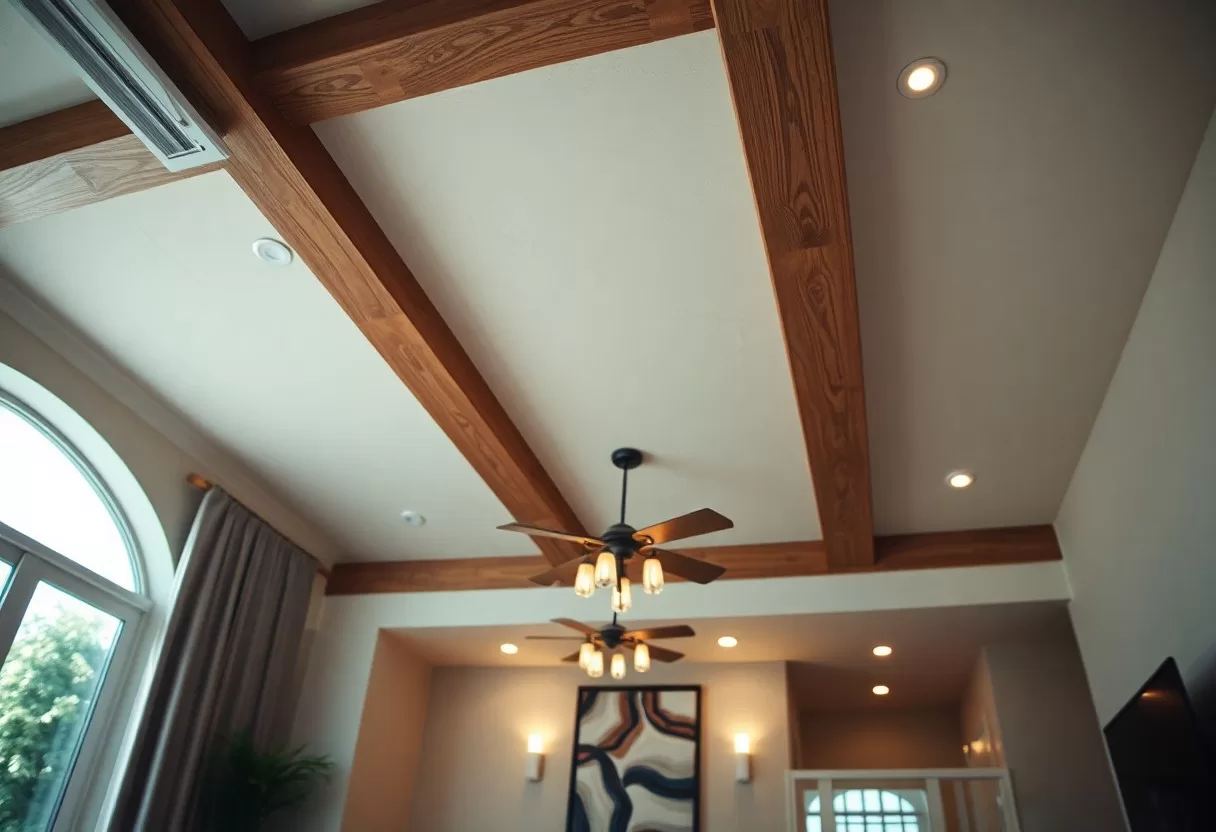
Wood, plaster, and drywall are among the most commonly used materials for accent ceilings. Wood adds warmth and texture, making it ideal for rustic or traditional settings, while plaster allows for intricate designs and molds for a classic look. Drywall is versatile and budget-friendly, providing a smooth canvas for paint and finishes. Each material brings unique benefits, offering options for every style and budget.
Innovative Materials for Modern Spaces
Modern design often embraces innovative materials like acoustic panels, metal tiles, and vinyl wraps. These materials not only enhance aesthetics but also improve functionality. Acoustic panels help manage sound in open spaces, while metal tiles reflect light, creating a striking visual effect. Vinyl wraps can mimic more expensive materials at a fraction of the cost, making them a savvy choice for budget-conscious homeowners seeking a chic touch.
Acoustic panels, while mainly functional, can also serve as artistic statements, allowing you to incorporate texture and color into your design seamlessly. Metal tiles can come in various finishes, from brushed to mirrored, and can enhance the luminosity of a room through light reflection. Vinyl wraps offer a flexible and cost-effective solution, transforming ordinary ceilings into luxury looks, and they are easily maintainable, making them perfect for spaces prone to wear. Overall, these materials provide cutting-edge solutions that align with contemporary aesthetics while enhancing practicality.
Room-Specific Accent Ceiling Ideas
Living Room Inspirations
Transform your living room by opting for a bold color or intricate pattern to draw the eye upward. A deep navy or rich emerald can create a cozy, intimate atmosphere, while geometric patterns add a modern twist. Incorporating wood beams or coffered designs enhances architectural depth, providing a striking contrast against lighter walls. Strategic lighting, like recessed fixtures or a stunning chandelier, further elevates the ceiling’s impact, making your living space feel luxurious and inviting.
Kitchen and Dining Area Highlights
Your kitchen and dining areas benefit immensely from a well-thought-out accent ceiling, setting the tone for gathering and culinary creativity. Consider a bright farmhouse-style shiplap or painted beadboard to evoke warmth and charm. Patterns like tile mosaics or painted murals can introduce personal flair, stimulating conversation during meals. A decorative range hood or pendant lights accentuated against the ceiling draws attention and enhances functionality.
In kitchens and dining areas, the ceiling serves as the perfect canvas for expressing your unique style. A vibrant, painted ceiling can complement cabinetry or backsplash, tying the room together. For an open-concept layout, employing a creative ceiling design helps define spaces without enclosing them, offering an airy feel while still delineating functional areas. Adding adjustable lighting enhances the ambiance, allowing you to switch between casual brunches and formal dinners seamlessly, making your kitchen not just a workspace but a heartwarming gathering hub.
DIY vs. Professional Installation
Choosing between a DIY approach and hiring a professional for your accent ceiling project can significantly impact the final result. While DIY can be a cost-effective and rewarding choice, it requires skill, time, and the right tools. Assessing your comfort level with various materials and techniques will help you decide whether your project is best suited for a weekend warrior or a seasoned expert.
When to Go DIY
If you have experience with home improvement projects and the right tools, consider a DIY accent ceiling. Simple designs like painting or applying peel-and-stick wallpaper can be manageable. You save on labor costs and gain satisfaction from your work, plus, it allows for personal expression that enhances your space.
Benefits of Hiring a Professional
Hiring a professional offers access to expertise that can elevate your project significantly. Knowledgeable installers bring years of experience, ensuring that design elements are perfectly executed. They often have industry contacts for sourcing materials at better prices, and their precision minimizes the risk of costly errors.
Professionals not only minimize your stress but also enhance the quality of the work done. With their trained eyes, they can identify potential issues before they arise, guaranteeing a smoother finish and adherence to timelines. If you opt for intricate designs or materials like coffered ceilings or specialty moldings, their expertise ensures precision and adherence to safety standards, ultimately transforming your ceiling into a true focal point without the hassle of DIY pitfalls.
Maintenance and Care for Accent Ceilings
Regular Cleaning
Dust and grime can accumulate on your accent ceiling, diminishing its visual appeal. Use a microfiber cloth or a feather duster for gentle cleaning; avoid harsh chemicals that can discolor surfaces. If your ceiling features intricate textures or materials, a soft-bristle brush can effectively reach into nooks and crannies.
Addressing Damage
Promptly dealing with any signs of damage is necessary to maintaining the integrity of your design. For painted ceilings, touch up chips or scratches with the original paint to prevent larger repair work. In cases of water damage, inspect underlying structures and replace materials before repainting.
Periodic Upgrades
Accent ceilings can benefit from occasional updates. Switching out lighting fixtures or adding accent trim can breathe new life into the design. Consider seasonal decor changes, such as seasonal lights or temporary art pieces, keeping your ceiling fresh and relevant to your home’s style.
Summing up
Summing up, accent ceilings can transform your space, making them an integral part of your home design. By treating your ceiling as the fifth wall, you add depth, character, and sophistication to your rooms. Utilizing bold colors, textures, or patterns can create a striking visual impact that reflects your personal style. Your ceiling can elevate your overall aesthetic, proving that every surface in your home deserves attention. For more insights, check out The Fifth Wall: Creative Ceilings Take Rooms to New Heights.
FAQ
Q: What is an accent ceiling?
A: An accent ceiling is a design feature that draws attention to the ceiling of a room, often using color, texture, or patterns to enhance the overall décor and create a focal point.
Q: Why are accent ceilings referred to as the fifth wall in home design?
A: Accent ceilings are termed the fifth wall because, in interior design, the ceiling is as important as the four walls. It influences the overall aesthetic and ambiance of a space.
Q: What types of materials can be used for accent ceilings?
A: Various materials can be utilized for accent ceilings, including paint, wood paneling, wallpaper, coffered designs, and decorative tiles, allowing for diverse design options.
Q: How can accent ceilings enhance a room’s atmosphere?
A: Accent ceilings can change the perception of a room’s size, height, and mood, using color and texture to create warmth, drama, or elegance that reflects the homeowner’s style.
Q: Are accent ceilings suitable for every room in the house?
A: Yes, accent ceilings can enhance any room, from living rooms to bedrooms and kitchens, but the choice of design and materials should align with the room’s function and decor style.