
Garden Meets Home – Integrating Outdoor Spaces into Your Floor Plan
Over the years, integrating your outdoor spaces into your floor plan has become an crucial element of modern home design. By thoughtfully incorporating gardens and patios into your living areas, you can create a seamless connection between your indoors and outdoors. This approach not only enhances your home’s aesthetic appeal but also promotes a more enjoyable lifestyle.
Key Takeaways:
- Incorporating large windows or doors enhances natural light and connects indoor and outdoor areas.
- Designing seamless transitions, such as outdoor terraces or patios, increases usable living space.
- Using natural materials and colors fosters a harmonious relationship between home and garden.
Benefits of Integrating Outdoor Spaces
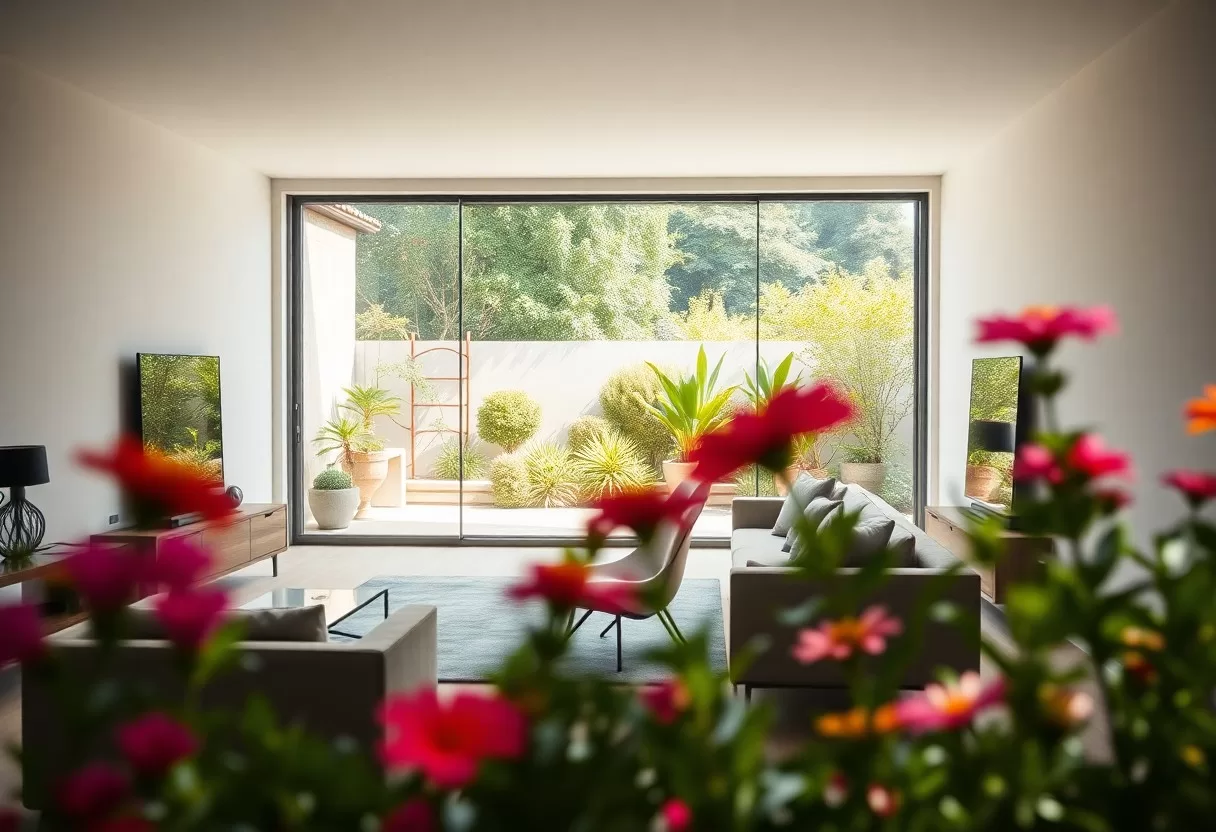
Integrating outdoor spaces into your home’s design not only enhances your living environment but also provides a range of benefits that can significantly improve your quality of life. You’ll find that these spaces can improve aesthetics, increase property value, and promote a healthier lifestyle—all while creating a seamless transition between nature and your interior. By blending these areas, you cultivate a more functional, inviting atmosphere that elevates your everyday experience.
Enhancing Aesthetic Appeal
Blending your indoor and outdoor spaces transforms your home’s visual landscape, making it more appealing and cohesive. You can create a beautiful flow with elements like expansive windows, sliding glass doors, or outdoor rooms filled with plants and natural materials that echo your interior design. Vibrant gardens, patios, and balconies offer a feast for the eyes, drawing attention to both the inside and outside of your home.
Improving Living Quality
Access to outdoor environments has been shown to enhance your overall well-being. By incorporating outdoor spaces, you enjoy fresh air, natural light, and opportunities for physical activity, promoting a healthier and more balanced lifestyle. The connection with nature can also reduce stress, improve mood, and increase creativity, leading to a higher quality of life in your own home. Studies indicate that homes with integrated outdoor areas can significantly improve residents’ mental health and foster a sense of community, especially in urban settings.
Design Considerations
Strategically linking your indoor and outdoor spaces enhances both functionality and aesthetic appeal. You need to assess how the layout influences movement, the relationship between spaces, and how natural light can be maximized. Consider integrating consistent flooring materials, large windows, and effective transitions like sliding doors to improve visual harmony and engagement with nature. Prioritizing the design elements that align with your lifestyle ensures that your home and garden coexist seamlessly.
Flow and Accessibility
The connection between your home and garden should promote effortless movement. Design pathways that encourage exploration while ensuring easy access to both areas. For instance, wide walkways and direct lines to main entry points create a natural flow, while well-placed seating encourages relaxation and socializing. Make sure transitions between these spaces are clear and inviting, allowing you and your guests to move freely from indoors to outdoors.
Climate and Environment
Your local climate plays a significant role in shaping your design choices for outdoor spaces. Understanding seasonal patterns helps you select appropriate plants, materials, and features that withstand specific weather conditions. For example, in humid areas, you may want to incorporate shaded patios, while in arid regions, drought-resistant landscaping may be more suitable. Adapting your design to your environment ensures a sustainable and enjoyable outdoor living experience.
Consider how temperature fluctuations impact outdoor comfort. In regions with extreme heat, investing in shaded outdoor areas with pergolas or awnings not only creates a pleasant environment but also protects furniture from sun damage. Similarly, in cooler climates, integrating windbreaks and heated elements such as fire pits can extend your use of outdoor spaces year-round. Assessing these climatic factors helps optimize your home design for year-round enjoyment while promoting energy efficiency.
Types of Outdoor Spaces
Creating a seamless transition between your home and outdoor areas expands your living space and enhances your overall lifestyle. Various outdoor spaces can be integrated into your floor plan, each serving different functions and aesthetics. Consider the following categories:
- Gardens and Landscaping
- Patios and Decks
- Balconies and Terraces
- Outdoor Kitchens
- Pools and Water Features
Knowing how to blend these spaces effectively will elevate your home’s appeal and functionality.
| Type of Outdoor Space | Description |
|---|---|
| Gardens and Landscaping | Enhances the beauty of your property and fosters a connection with nature. |
| Patios and Decks | Creates versatile areas for entertaining and relaxation. |
| Balconies and Terraces | Maximizes small spaces with scenic views and cozy seating. |
| Outdoor Kitchens | Equips you with cooking facilities for al fresco dining experiences. |
| Pools and Water Features | Provides luxury and recreational options to your outdoor environment. |
Gardens and Landscaping
Your garden can be more than just an aesthetic feature; it’s a personal sanctuary. Incorporating native plants can reduce maintenance while adding biodiversity to your space. Design elements like paths, raised beds, and ornamental features can enhance the experience of your outdoor area, making it a natural extension of your home.
Patios and Decks
Patios and decks serve as key spots for outdoor gatherings and relaxation. You can choose materials like stone, wood, or composite options that resist the elements while blending with your home’s aesthetic. Ample seating, fire pits, or outdoor lighting can transform these spaces into ideal locations for entertaining friends or enjoying a quiet evening under the stars.
Considerations for the layout and materials of patios and decks can significantly impact their functionality. Ensure adequate space for furniture arrangements, pathways for traffic flow, and consider integrating features like built-in seating or shade structures. Adding greenery around these spaces softens the hardscape, making them inviting and enhancing your outdoor experience.
Architectural Features
Incorporating specific architectural features elevates the integration of your outdoor spaces with your home. These elements not only enhance visual appeal but also create fluid transitions between interior and exterior environments, maximizing natural light and the overall ambiance of your living areas. Think about how strategic design can unify your different spaces, fostering an inviting atmosphere that reflects your lifestyle.
Large Windows and Doors
Large windows and doors serve as portals connecting your indoor sanctuary to the outdoors. Expansive glass panes invite natural light, allowing picturesque views of your garden while creating an illusion of a larger space. By choosing sliding or bi-fold doors, you enhance accessibility, making it easier to enjoy your outdoor area with minimal barriers.
Open Floor Plans
Open floor plans facilitate a seamless connection between different living areas and the outdoors. This layout removes walls between kitchen, dining, and living spaces, promoting interaction and movement. You can enhance this effect by strategically placing your outdoor seating areas just beyond expansive glass doors, allowing for unobstructed flow and an inviting atmosphere for both family and guests. Offering visual continuity encourages you to utilize both indoor and outdoor spaces throughout the year, enriching your daily experiences at home.
Materials and Finishes
Choosing the right materials and finishes is vital in harmonizing your indoor and outdoor spaces. Consider elements that not only enhance aesthetics but also stand up to the environment. Opt for materials that mirror the natural surroundings and complement your home’s architecture. Incorporating textures and colors that echo nature creates a cohesive visual narrative throughout your space.
Sustainable Choices
Sustainable materials, such as bamboo, reclaimed wood, and recycled metal, can significantly reduce your environmental footprint. These options’re not only eco-friendly but can also offer durability and unique character to your outdoor areas. By prioritizing sustainable choices, you contribute to environmental preservation while enhancing the beauty and value of your home.
Weather-Resistant Options
Weather-resistant materials ensure your outdoor spaces stand the test of time against elements like rain, sun, and snow. Composite decking, treated woods, and specialized masonry products protect against rot, fading, and deterioration, making them ideal for outdoor applications.
Composite decking, for instance, combines recycled plastics and wood fibers, providing a sturdy, low-maintenance surface that won’t splinter or warp. On the other hand, treated wood, such as cedar or redwood, repels moisture and insects, lasting longer in harsh conditions. For vertical elements, stone or brick provides excellent insulation and weather resistance, enhancing both the structure and durability of outdoor walls. Integrating these weather-resistant products ensures that your outdoor spaces remain inviting and functional throughout the seasons. Choose wisely to guarantee longevity and beauty for years to come.
Maintenance and Care
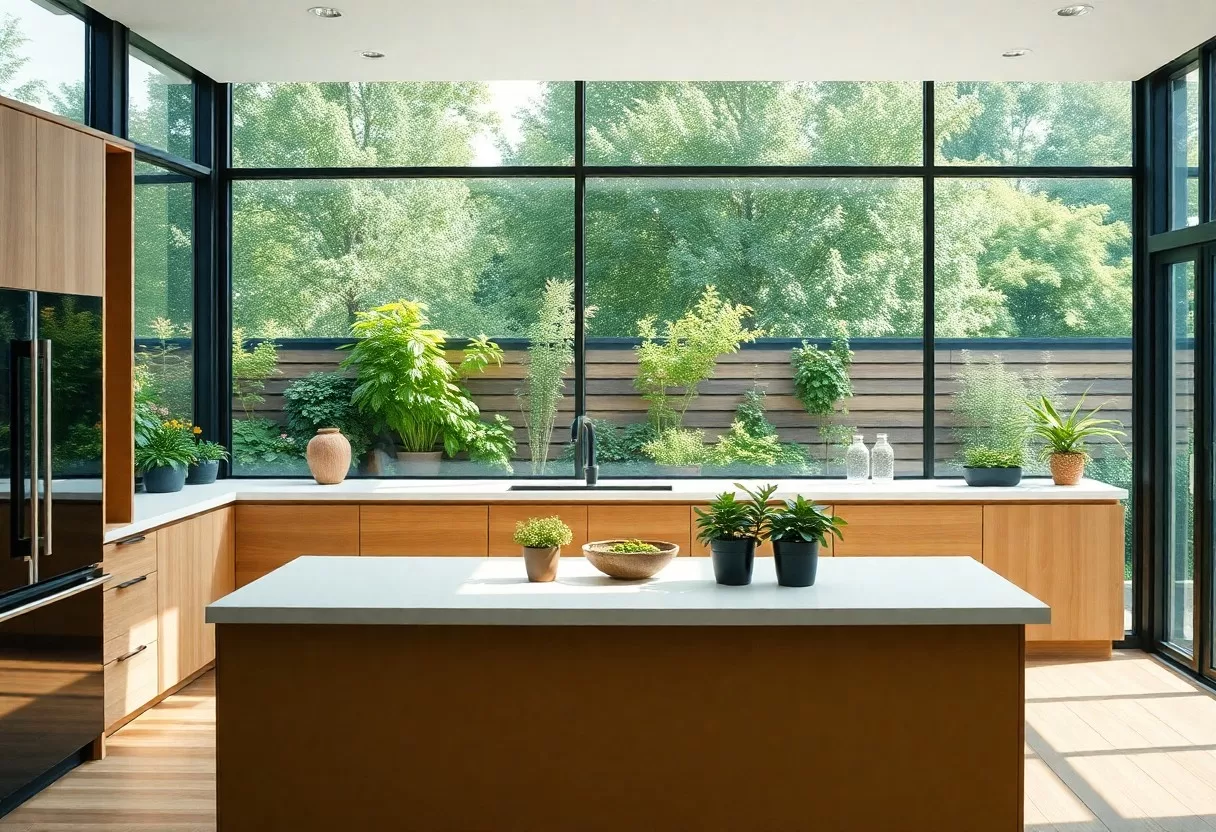
Effective maintenance ensures your outdoor spaces remain an extension of your home rather than an afterthought. Regular tasks such as cleaning, pruning, and seasonal planting keep your garden vibrant and inviting. Integrating features like irrigation systems and strategically choosing low-maintenance plants can streamline care. For tips on Designing a Multifunctional Outdoor Space, consider sustainability and ease of upkeep in your planning.
Seasonal Considerations
Adapting your outdoor spaces for each season enhances their usability and visual appeal. Spring and summer invite vibrant blooms and outdoor dining, while fall can be celebrated with cozy fire pits and seasonal décor. Winter landscaping, such as evergreen plants, can add life even in the colder months, ensuring your garden remains engaging year-round.
Long-Term Planning
Long-term planning involves envisioning how your outdoor spaces will evolve over time. You should consider not just current preferences, but also future needs as your lifestyle changes. This foresight includes selecting durable materials, incorporating adaptable designs, and gradually introducing elements that reflect shifting aesthetics and functionalities.
A well-thought-out long-term plan will account for your family’s growth, environmental changes, and maintenance capabilities. For instance, consider using resilient plants that can thrive with minimal care, and explore hardscaping options that will withstand weather variations. Incorporating flexible layouts allows for easy adjustments as your needs transform, ensuring your outdoor area remains a cherished part of your living experience.
Conclusion
With this in mind, integrating outdoor spaces into your floor plan enhances both your home’s aesthetic and your quality of life. You can create seamless transitions between indoor and outdoor areas, promoting natural light and fresh air throughout your living space. By carefully considering elements such as layout, materials, and landscaping, you ensure your home reflects your lifestyle and embraces nature. This harmonious blend allows you to enjoy the benefits of outdoor living while maintaining a comfortable indoor environment.
FAQ
Q: How can I effectively integrate my garden into my indoor living space?
A: To integrate your garden into your indoor living space, consider large windows or glass doors that provide a visual connection and easy access. Incorporating natural materials and colors in your interior design, alongside plants or indoor gardens, can create a seamless transition between indoors and outdoors. Open floor plans that connect living areas to outdoor spaces also enhance this integration.
Q: What are some design elements to consider when merging outdoor spaces with my floor plan?
A: Key design elements include using sliding or bi-fold doors to blur boundaries, selecting furnishings that can withstand both indoor and outdoor conditions, and maximizing natural light. Utilizing pathways or decks that extend from indoor rooms to the garden adds functionality. Incorporating landscaping features, such as a small courtyard or terrace, can enhance the visual appeal and create a cohesive design.
Q: How can I ensure privacy while integrating my garden into my home?
A: To maintain privacy while integrating your garden, consider the placement of tall plants, hedges, or trellises that create natural barriers. Use strategic landscaping that obstructs views from neighboring properties while still allowing ample light and air. Additionally, outdoor screens or pergolas can provide functional privacy while enhancing the aesthetic of your outdoor space.