
Maximizing Space – The Best Furniture Layouts for Small Apartments
Most small apartments can feel cramped, but with the right furniture layouts, you can optimize your living space to enhance both functionality and style. By strategically placing furniture, you can create distinct areas for relaxing, dining, and working, making your apartment feel larger and more inviting. Utilizing multifunctional furniture and considering the flow of movement are necessary tips that empower you to maximize every square foot. Join us as we explore effective layouts that will transform your small space into a well-organized and practical haven.
Key Takeaways:
- Opt for multi-functional furniture, such as sofa beds or storage ottoman, to maximize utility while minimizing space.
- Consider an open layout to create a sense of flow, allowing furniture to be arranged in a way that connects various living areas.
- Utilize vertical space with tall bookshelves or wall-mounted shelves, drawing the eye upward and creating more floor space.
- Choose smaller scale furniture pieces that fit the proportions of the room to avoid overwhelming the space.
- Incorporate mirrors strategically to reflect light and give the illusion of a larger area.
Optimizing Layout: The Power of Flow
Creating a seamless flow in your small apartment enhances both movement and visual appeal. By strategically positioning your furniture to optimize pathways and sightlines, you can make even the tiniest rooms feel open and inviting. Consider how you navigate each space and arrange pieces to reduce obstacles, promoting a natural rhythm that supports your lifestyle.
Understanding Movement in Space
Analyzing the way you move throughout your apartment is vital. You want pathways to be clear and intuitive, leading from one area to another without unnecessary turns or interruptions. For example, ensuring that seating areas are positioned to facilitate conversation while allowing easy access to other rooms creates a welcoming environment.
Balancing Aesthetics and Functionality
Creating a balance between aesthetics and functionality is about more than just looks. Choose furniture that complements your personal style while serving practical purposes. For instance, a beautiful coffee table can double as a storage solution, keeping clutter at bay while enhancing your décor.
In your pursuit of balance, consider the dual purpose of each piece in your home. Furniture should not only fit aesthetically with your design themes but also add value through utility. An elegant side table can hold a lamp and books while providing a space for beverages, combining beauty with practicality. By selecting furnishings that align with your personal taste and functional needs, you can maximize your space without compromising on style.
Multifunctional Magic: Furniture That Does It All
Maximizing space in small apartments hinges on the magic of multifunctional furniture. These innovative pieces save room while serving multiple purposes, allowing you to maintain both style and functionality. By choosing the right items, you can transform your living area into a versatile haven, ensuring every inch of your home is utilized efficiently.
Identifying Key Pieces for Versatility
Start by pinpointing key furniture pieces that serve multiple functions, like a sofa bed, which can easily transition from seating to sleeping space. Consider a storage ottoman that not only offers a place to rest your feet but also conceals items like blankets or magazines. Tables with adjustable heights or those that nest neatly can further enhance your layout.
Creative Solutions for Dual-Purpose Furniture
Explore endless possibilities with dual-purpose furniture solutions that redefine function. For example, a folding dining table can be set up for meals, then tucked away to create more space when entertaining. A wall-mounted desk serves as both an office area and a decorative shelf when closed. Innovative designs such as Murphy beds not only save room but also enable you to transform your living spaces swiftly.
These dual-purpose pieces streamline your apartment’s utility, making it easy to adapt your environment to different needs. For instance, a dining table that folds against the wall can be used for meals while freeing up valuable floor space when not in use. Combine style and practicality by selecting furniture that complements your decor while offering an array of functions, ensuring your small apartment remains comfortable and organized.
Zoning the Open Concept: Creating Distinct Areas
Creating distinct areas within an open-concept space not only enhances functionality but also adds a sense of organization and purpose. By zoning different sections, such as your living, dining, and sleeping areas, you create a cohesive flow while maximizing usability. Use smart layouts to visually separate each zone, ensuring that your small apartment feels spacious rather than cluttered.
Using Furniture to Define Spaces
Furniture plays a pivotal role in defining spaces without the need for physical walls. A well-placed sofa can act as a divider between the living area and dining space, while bookshelves or open shelving can further separate functional zones. Opt for lower pieces that maintain an open feel; for instance, a narrow console table can delineate areas while not obstructing sight lines.
Visual Cues: Rugs, Color, and Lighting
Utilizing visual cues such as rugs, color schemes, and lighting can dramatically impact the perception of space in your apartment. Rugs not only provide comfort but also serve as a boundary for specific areas, like a cozy reading nook or dining zone. Complement these with distinct color palettes for each space and layered lighting that enhances functionality and ambiance.
For instance, placing an area rug under your dining table defines that space while adding warmth. Adding contrasting colors in adjacent zones can differentiate areas, giving each its unique character. Layering lighting—such as warm overhead fixtures for dining and soft table lamps for living—creates an inviting atmosphere while highlighting the boundaries of each zone. Balancing these elements ensures your small apartment feels well-organized and visually expansive, making it both stylish and functional.
Storage Secrets: Maximizing Vertical and Hidden Spaces
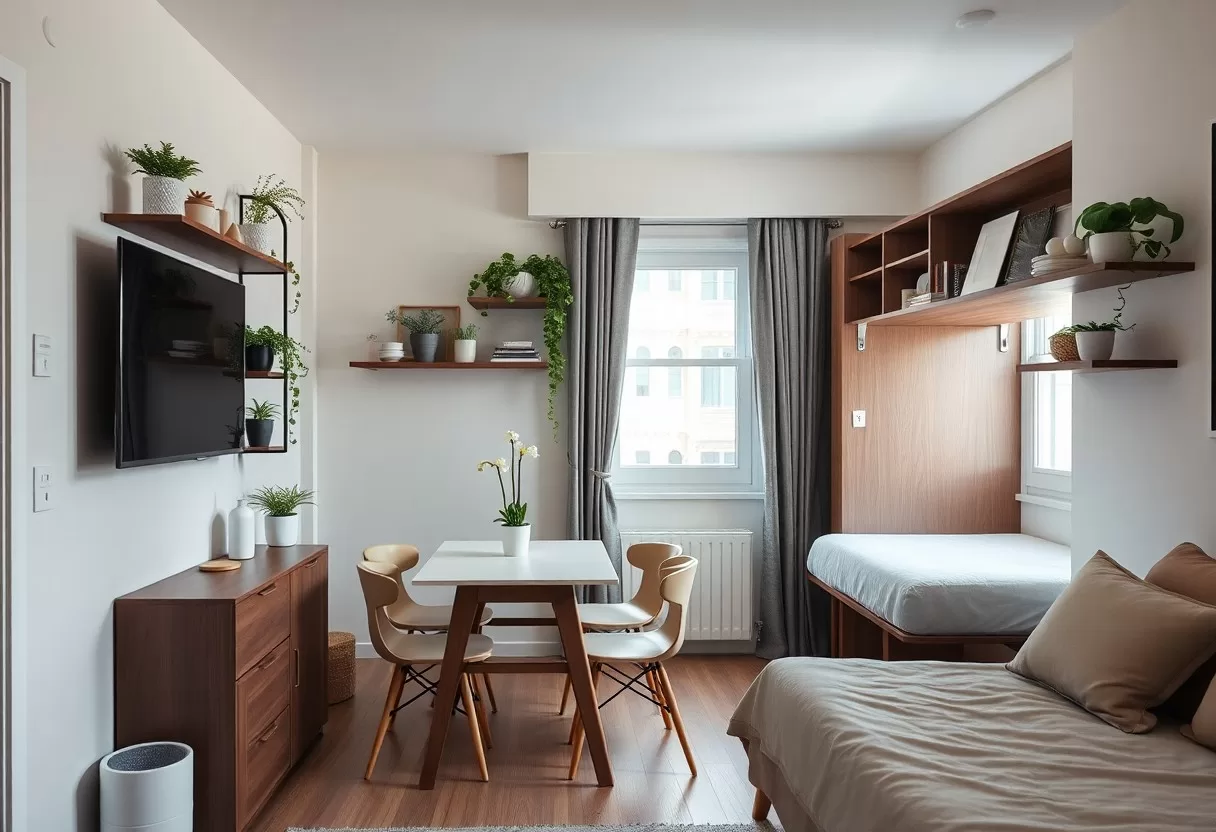
Transform your small apartment by utilizing vertical and hidden storage solutions. Opt for tall shelving units that draw the eye upward, creating the illusion of higher ceilings while providing abundant storage. Use baskets or stylish boxes on top of cabinets to stow away items, keeping clutter to a minimum. Under-bed storage containers can hide seasonal clothing or extra linens, maximizing every inch of your space. Additionally, wall-mounted racks and hooks allow you to display and organize items like bikes or kitchen utensils without sacrificing floor space.
Innovative Storage Solutions for Small-Space Living
Choose innovative storage solutions that seamlessly blend functionality with style to enhance your small living area. Floating shelves are a perfect way to showcase decor while providing practical storage. A foldable dining table can double as a workstation or a decorative console when not in use. Look for multifunctional ottomans that can be used for seating and offer hidden compartments for additional storage. These smart choices elevate your space, allowing for an organized and aesthetically pleasing environment.
Incorporating Built-Ins and Multifunctional Design
Incorporating built-ins and multifunctional design enhances both efficiency and beauty in your apartment. Built-in shelves or cabinets optimize wall space, offering bespoke storage solutions that reflect your style. Consider a murphy bed that folds away into the wall, freeing up precious floor space during the day. Hidden storage options, such as storage benches or sofas with compartments, provide practical alternatives while maintaining a tidy look. Custom designs tailored to your space allow for a more cohesive and streamlined feel, maximizing every square foot.
Custom-built pieces can redefine how you interact with your space. For instance, a built-in desk can eliminate the need for bulky furniture, creating a dedicated area for work that seamlessly blends into your living room. By matching your storage to the specific dimensions of your apartment, you avoid the one-size-fits-all approach and achieve a refined layout that promotes flow and ease. You’ll find that cleverly designed spaces elevate your comfort without compromising aesthetics, proving that style and practicality can coexist harmoniously.
Personal Touches: Making Small Spaces Reflect Your Style
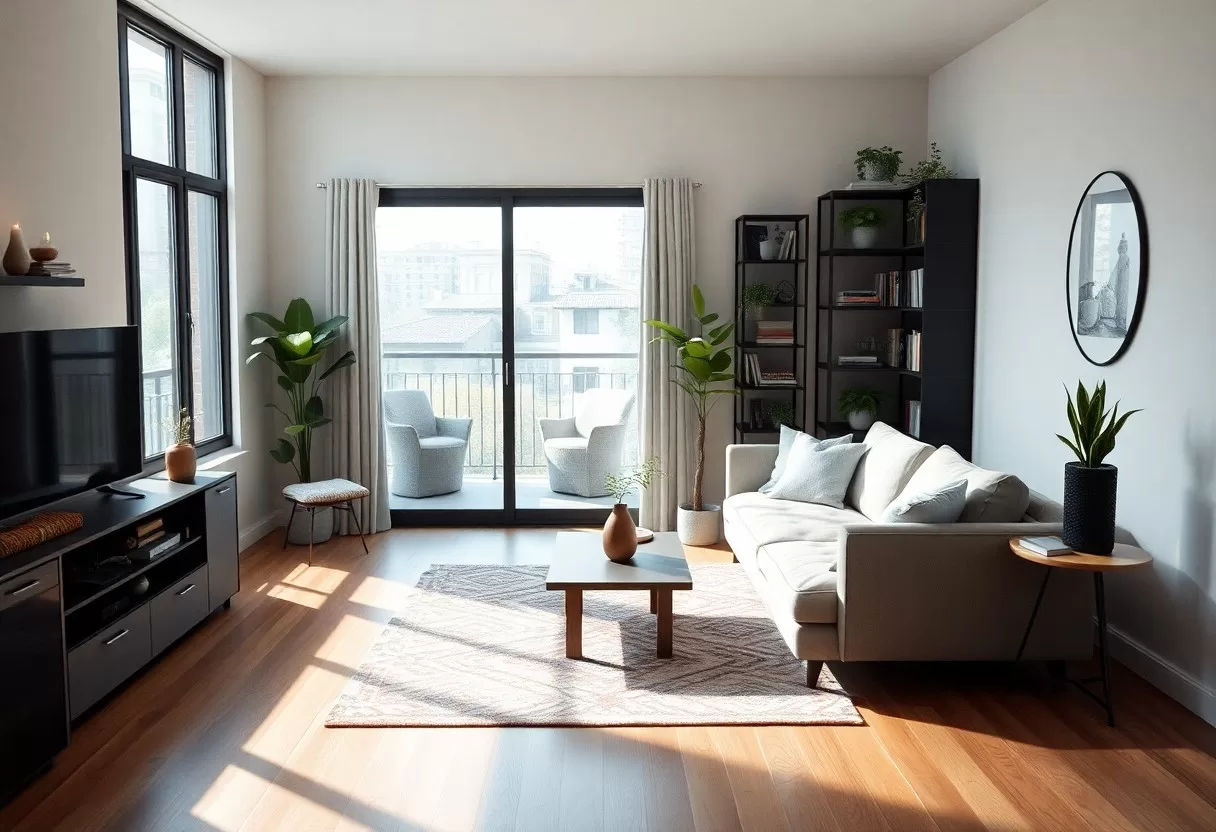
Your small apartment can be a true reflection of your personality with the right personal touches. Carefully chosen décor and accessories not only enhance the ambiance but also create a cozy atmosphere that feels uniquely yours. Incorporating elements such as art, photographs, and plants can provide warmth and individuality, transforming your space into a joyful sanctuary.
Choosing Décor and Accessories Wisely
Selecting the right décor and accessories is key to making a small space feel expansive and personalized. Focus on pieces that serve dual purposes or have sentimental value—like a striking wall-mounted shelf displaying your favorite books and photos. Opt for light, neutral colors for larger items and add vibrant accents through accessories to create an inviting and dynamic environment.
Designing for Comfort Without Clutter
Curating a comfortable atmosphere in a small space means being intentional about your selections while avoiding clutter. Prioritize comfort items such as airy fabrics, plush cushions, and layered lighting that invite relaxation. Additionally, strategic placement of décor can help maintain a sense of openness and flow throughout your living area.
To truly enhance comfort without succumbing to clutter, consider the scale and function of each item you choose. Furniture that allows for easy movement and is not oversized will make your apartment feel more spacious. Utilize multi-functional pieces that offer seating, storage, or even a work surface when needed. Embrace a minimalist mindset and limit décor to a few meaningful items that evoke joy rather than overwhelm your space, allowing your personality to shine through while maintaining a serene retreat.
Final Words
With this in mind, maximizing space in your small apartment requires thoughtful furniture layouts that prioritize functionality and flow. By strategically placing furniture to create defined areas and utilizing multi-functional pieces, you can enhance both comfort and usability. You should consider personalizing your space with vertical storage solutions and lighter color palettes to further open up your environment. Ultimately, designing your layout with intention will allow you to make the most of every square foot, making your small apartment feel spacious and inviting.
FAQ
Q: What are the most effective furniture layouts for a small apartment?
A: In small apartments, furniture layouts that prioritize open space are ideal. Consider using multi-functional furniture, such as a sofa bed or an ottoman with storage. Arranging furniture against walls can create pathways and visual space, while floating furniture in the middle of a room can define areas for dining or living. Experimenting with different arrangements, such as a L-shape or U-shape layout, can help you determine the best flow for your specific area.
Q: How can I maximize storage in a small apartment while maintaining an appealing layout?
A: Storage solutions like built-in shelves, vertical storage units, and under-bed storage can be effective in small spaces. Additionally, using furniture that offers storage options, such as coffee tables with shelves or benches with compartments, can be beneficial. Organizing areas by using stylish baskets or containers can enhance the look while keeping items accessible. Prioritizing items that serve dual purposes minimizes clutter and maximizes floor space.
Q: What role does color play in making a small apartment feel more spacious?
A: Light colors can greatly influence the perception of space. Painting walls in shades like white, light gray, or pastel tones can create an airy feel. Additionally, using similar colors for furniture and decor can provide visual continuity, which enhances the illusion of space. Mirrors strategically placed can also reflect light and create the impression of a larger area. Adding pops of color in accessories can provide vibrancy without overwhelming the space.
Q: How can I define different areas in a small apartment without using physical barriers?
A: Defining areas in a small apartment can be achieved using area rugs, furniture arrangements, and lighting. For instance, placing a rug under a dining table can create a defined dining area, while a sofa can separate a living area from a workspace. Lighting fixtures, like pendant lights or floor lamps, can highlight specific zones, drawing attention to different activities without the need for partitions. These strategies enhance functionality while maintaining an open flow.
Q: Are there any specific styles of furniture that work best in small spaces?
A: When identifying furniture for small apartments, look for pieces that are sleek and low-profile. Mid-century modern and Scandinavian designs often complement smaller spaces well, as they emphasize functionality and simplicity. Furniture with legs can create an illusion of more space, allowing for visibility of the flooring. Additionally, modular furniture that can be easily reconfigured or stored away increases versatility, adapting to changing needs or preferences as required.