
Battery‑Powered Houses – Residential Energy Storage Systems Explained
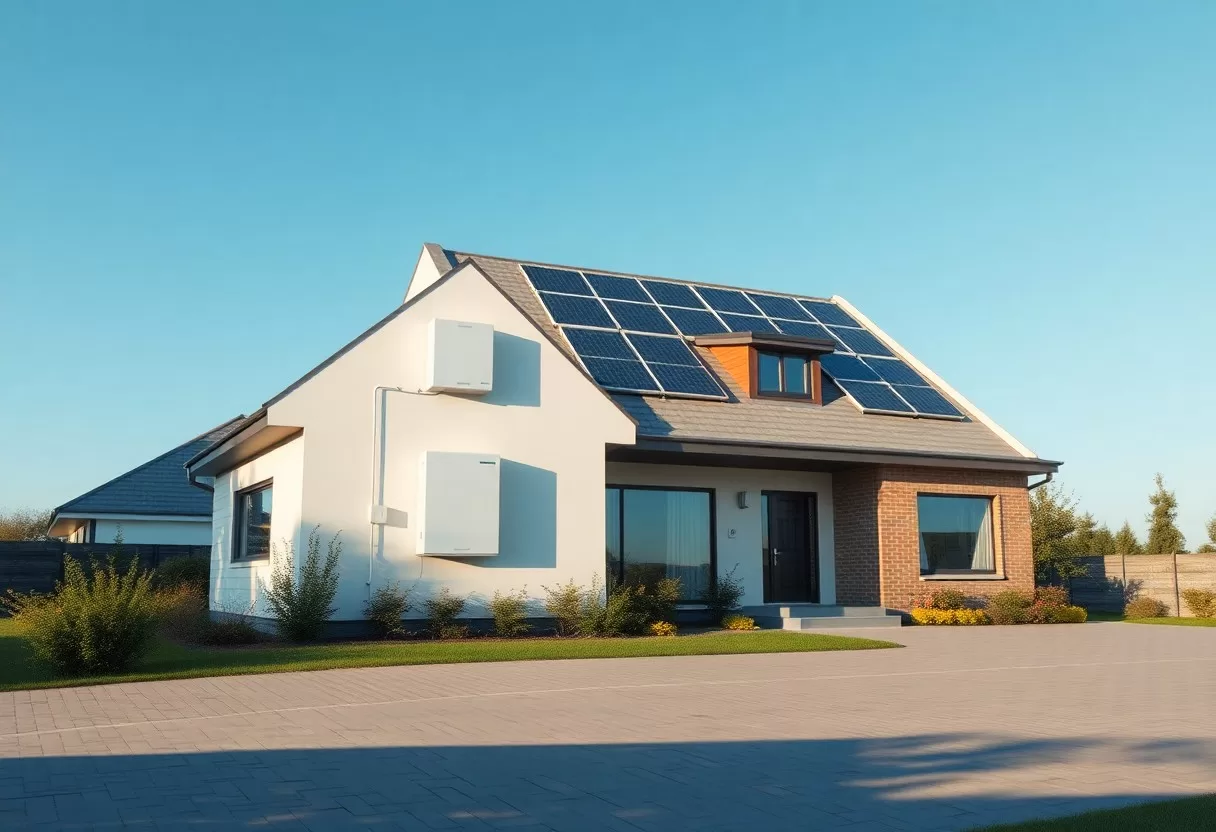
Over the past few years, battery-powered houses have emerged as a sustainable solution for your energy needs, allowing you to harness and store renewable energy efficiently. With residential energy storage systems, you can reduce reliance on the grid, lower your electricity bills, and even safeguard against power outages. However, understanding the potential challenges, such as safety concerns and maintenance requirements, is important for ensuring a reliable energy supply. This post will guide you through the key aspects of battery-powered homes and how they can enhance your energy independence.
Key Takeaways:
- Battery-powered houses utilize residential energy storage systems to store electricity from renewable sources.
- These systems enable homeowners to reduce reliance on the grid and increase energy independence.
- Battery storage can help optimize energy use, allowing for usage during peak times or outages.
- Incentives and advancements in technology are making battery storage more accessible and cost-effective.
- Proper integration with solar panels enhances the efficiency and benefits of energy storage systems.
Understanding Battery‑Powered Houses
Definition and Importance
Battery-powered houses utilize residential energy storage systems to store energy from renewable sources or the grid, providing access to electricity when demand peaks or when the power supply is low. This is vital for reducing energy costs and enhancing energy independence, allowing you to manage your energy use more efficiently.
Key Components of Residential Energy Storage Systems
The main components of residential energy storage systems include batteries, inverters, charging systems, and monitoring software. These elements work together to capture, store, and manage energy, ensuring your home can optimize its power supply based on demand and availability.
Your battery storage system typically involves lithium-ion batteries, widely recognized for their efficiency and longevity, providing anywhere from 5 to 15 kWh of stored energy. An inverter converts the stored DC electricity to AC, which is compatible with home appliances. The charging system seamlessly integrates with your solar panels or the grid, while monitoring software allows you to track energy usage, adjust settings remotely, and analyze consumption patterns. Together, these components enhance your home’s resilience and sustainability.
Types of Battery Storage Technologies
Home battery storage systems come in various technologies, each with strengths suited to different needs. The most common types include:
- Lithium-Ion Batteries
- Lead-Acid Batteries
- Nickel-Cadmium Batteries
- Flow Batteries
- Sodium-Ion Batteries
Recognizing the advantages and limitations of each can guide you in selecting the best option for your home. For more information, visit Home battery storage explained.
| Lithium-Ion Batteries | High energy density, longer lifespan, and efficiency. |
| Lead-Acid Batteries | Cost-effective but shorter cycle life and efficiency. |
| Nickel-Cadmium Batteries | Durable and reliable but less common due to disposal issues. |
| Flow Batteries | Scalable and suitable for large storage needs. |
| Sodium-Ion Batteries | Emerging technology with potential for lower costs. |
Lithium-Ion Batteries
Lithium-ion batteries are the most prevalent choice for home energy storage due to their high energy density and efficiency. They offer longer lifespans and cycle counts compared to other types, making them ideal for daily use. Their compact design allows for flexibility in installation, fitting easily into various home setups.
Lead-Acid Batteries
Lead-acid batteries remain popular for residential use due to their lower initial cost. However, they have a shorter lifespan and lower depth of discharge, meaning you can only use a fraction of their capacity without damaging them. As a result, they may not be as efficient or reliable in the long run.
Though lead-acid batteries are often the go-to for budget-conscious homeowners, their performance can be limiting. They typically last 3 to 5 years, with a cycle life of around 500 to 1,000 cycles. Additionally, they require maintenance, including regular checks on electrolyte levels and potential equalization charging to prolong life. As technology advances, newer alternatives may provide longer-lasting and more adaptable options for your energy storage needs.
Benefits of Energy Storage in Homes
Integrating energy storage systems in your home brings numerous advantages, enhancing your overall energy management and promoting sustainability. You can utilize stored energy during peak hours, reducing reliance on the grid and managing energy costs effectively. This capability not only bolsters energy resilience but also contributes to a decreased carbon footprint, making your home environmentally friendly.
Energy Independence
With energy storage, you gain the ability to produce and store your own electricity, allowing for increased energy independence. This autonomy means less dependence on utility companies and protection against fluctuations in energy prices. You can maintain power during outages, ensuring your home remains functional even when the grid is down.
Cost Savings and Efficiency
Implementing residential energy storage systems can lead to significant cost savings. By storing energy generated during off-peak times or from solar panels, you reduce your electricity bills. Systems with advanced features, like time-of-use settings, allow you to take advantage of lower rates, maximizing your savings. On average, homeowners can save up to 30% on their electricity costs by optimizing their energy use with storage solutions.
Moreover, these systems increase the efficiency of your energy consumption. For instance, during peak hours when energy costs can soar, you can draw from your stored energy, keeping your electricity expenses lower. Homeowners who invest in solar energy coupled with storage can see a return on investment within a few years, especially as utility rates continue to climb. As technology evolves, more households are finding that energy storage not only enhances financial savings but also aligns with their commitment to reducing environmental impacts.
Challenges and Considerations
While battery-powered houses offer numerous benefits, they also present several challenges and considerations that homeowners must address to ensure effective implementation. These include initial investments, ongoing maintenance requirements, and the lifespan of the batteries themselves, which can significantly impact your overall energy strategy.
Initial Investment
The initial investment for residential energy storage systems can be substantial, ranging from $5,000 to over $15,000 depending on the system size and capacity. While various incentives may help offset costs, it’s imperative to evaluate your long-term energy savings against this upfront expenditure.
Maintenance and Lifespan
Maintenance and lifespan are critical considerations when investing in battery storage. Most lithium-ion batteries last between 10 to 15 years, with some requiring periodic checks and software updates to ensure optimal performance. Neglecting these aspects can lead to diminished efficiency and potentially costly replacements.
Regular maintenance inspections should be incorporated into your energy storage plan to monitor battery health, perform software updates, and address any issues promptly. This proactive approach not only extends the lifespan of your system but also maintains efficiency, ensuring you maximize your investment over time. Battery warranties typically cover less than the life expectancy, so understanding your maintenance needs and potential repairs can prevent unexpected costs down the line.
Integration with Renewable Energy Sources
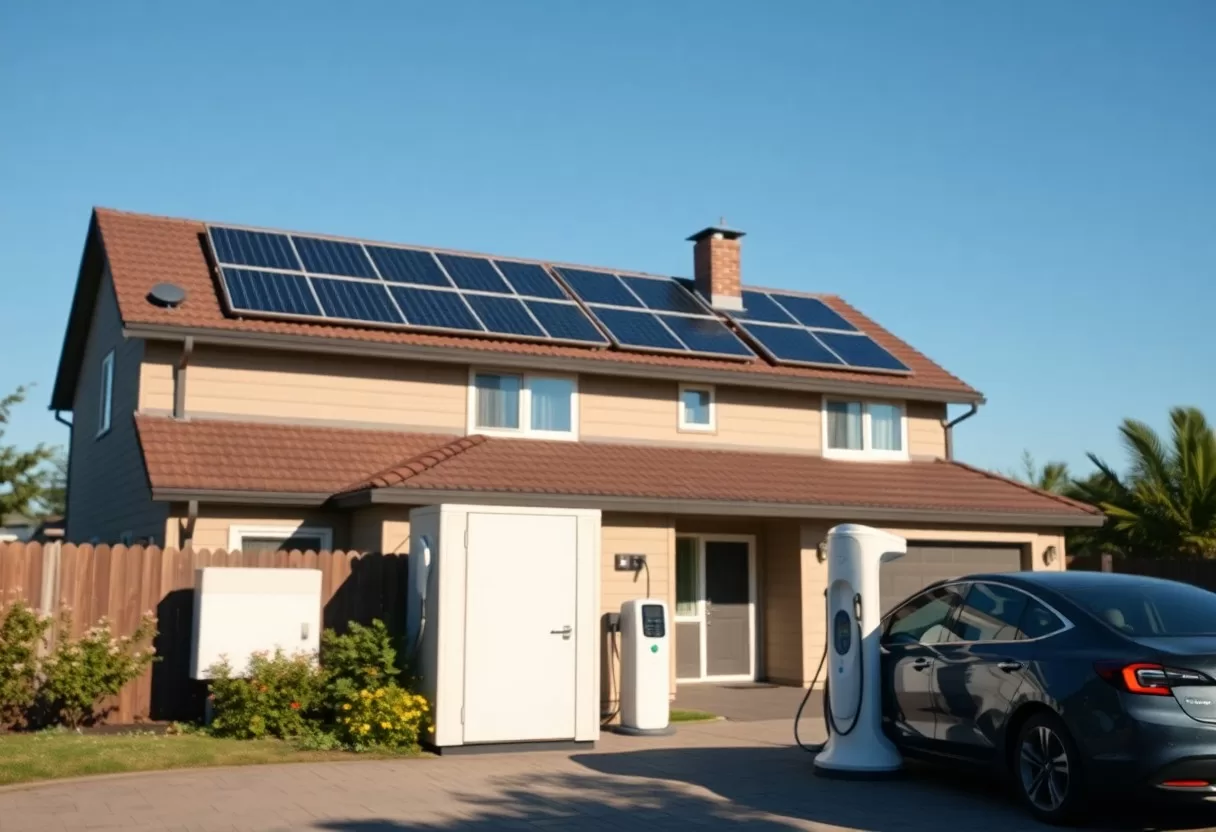
Integrating battery storage with renewable energy sources maximizes your energy efficiency and sustainability. By utilizing residential energy storage solutions, you can store excess energy generated during peak production times for later use, reducing reliance on the grid and lowering your energy bills.
Solar Power Systems
Your solar power system can greatly benefit from battery storage. By storing solar energy generated during the day, you ensure that you have a reliable power supply at night or during cloudy weather, increasing your home’s energy independence and reducing wastage.
Wind Energy Compatibility
Battery storage systems are well-suited for wind energy applications, providing stability and efficiency. When your wind turbine generates electricity, any excess can be stored in batteries, allowing you to draw on that stored power when wind conditions are low, thus maintaining a consistent energy flow.
Combining battery storage with wind energy allows you to harness variable wind conditions effectively. As wind patterns fluctuate, having a battery system means you can store energy during high-output periods and use it during lulls. This not only enhances your energy reliability but also optimizes your investment in wind technology, allowing for a more balanced and sustainable energy strategy.
Future Trends in Residential Energy Storage
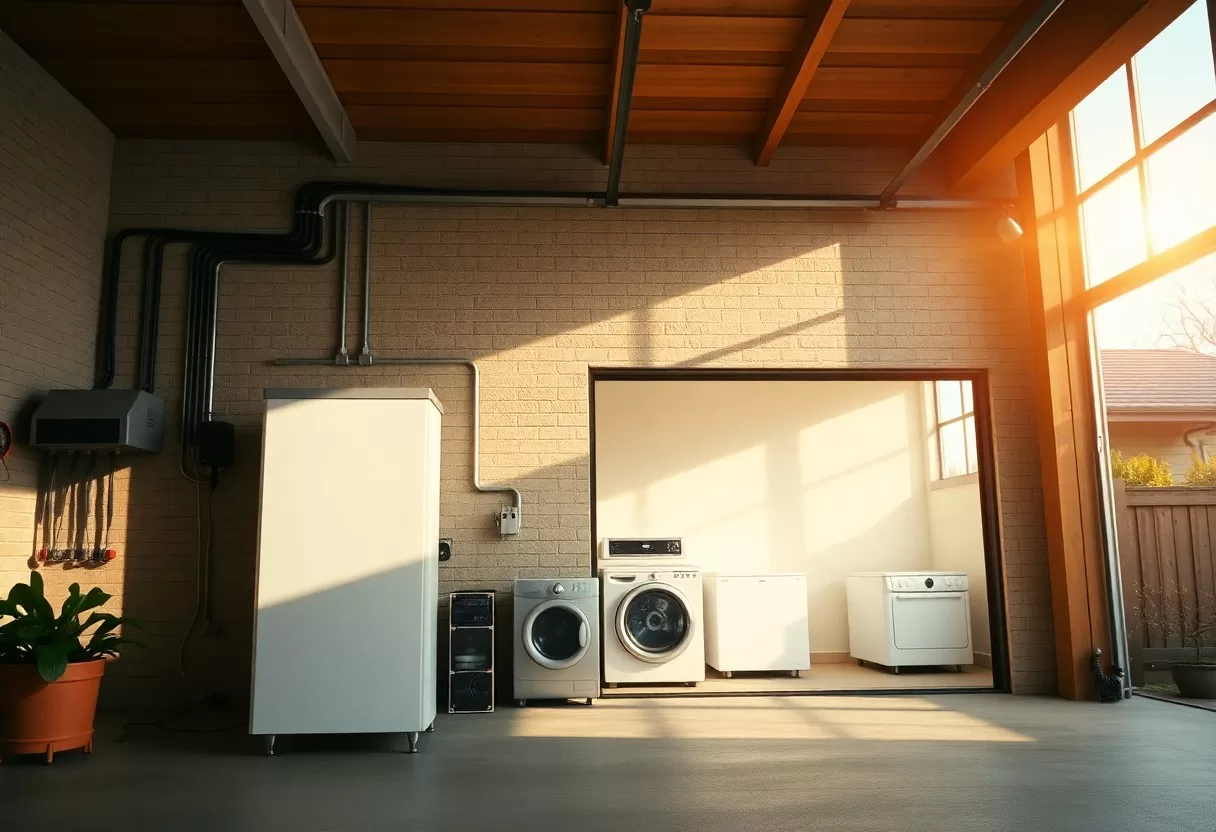
As the demand for sustainable energy solutions grows, residential energy storage systems are evolving rapidly. You can expect advancements in battery technology, including increased efficiency and lower costs. New business models, such as energy-as-a-service, may reshape how you utilize and pay for these systems. Additionally, the integration of smart home technologies is likely to enhance energy management capabilities, allowing you to optimize usage and monitor consumption seamlessly.
Advancements in Technology
Technological innovations are set to redefine your experience with residential energy storage. The emergence of solid-state batteries promises enhanced safety and higher energy densities compared to traditional lithium-ion solutions. Furthermore, systems that incorporate artificial intelligence will allow for predictive analytics, enabling you to optimize your energy consumption based on usage patterns and weather forecasts.
Policy and Market Developments
Policies designed to encourage clean energy adoption are driving market growth in residential storage solutions. Government incentives and rebates provide you with financial benefits that can offset initial investment costs. In many regions, net metering and feed-in tariffs are further bolstering the appeal of energy storage systems, enabling you to sell excess energy back to the grid.
Recent changes in legislation and utility regulations have made energy storage systems more accessible and beneficial for homeowners. For example, in California, the Self-Generation Incentive Program (SGIP) offers substantial rebates for the installation of battery systems. Similarly, states like Massachusetts and New York are introducing ambitious targets for energy storage deployment, ensuring a robust market environment. These initiatives not only enhance your financial returns from home energy storage but also contribute to broader energy resiliency and sustainability goals. The shift toward increased regulatory support is paving the way for more comprehensive adoption of these technologies in residential settings.
Conclusion
As a reminder, battery-powered houses equipped with residential energy storage systems offer you the ability to harness renewable energy efficiently while reducing reliance on the grid. These systems empower you to manage your energy consumption effectively, optimize utility costs, and ensure a reliable power supply during outages. By investing in such technology, you enhance your home’s sustainability and support a greener future, all while enjoying the convenience of energy independence.
FAQ
Q: What are battery-powered houses?
A: Battery-powered houses utilize energy storage systems, primarily lithium-ion batteries, to store electricity generated from renewable sources, such as solar panels. This stored energy can be used during peak hours, at night, or during power outages, enhancing energy independence and reliability.
Q: How do residential energy storage systems work?
A: Residential energy storage systems charge during periods of low electricity demand or when excess renewable energy is produced. The stored energy can then be utilized during high-demand periods, reducing reliance on the grid and potentially lowering energy bills. These systems often include inverters to convert DC electricity stored in batteries into AC power suitable for home use.
Q: What are the benefits of installing a battery storage system in my home?
A: Installing a battery storage system provides multiple benefits, including energy cost savings by maximizing self-consumption of solar energy, increased energy resilience during outages, potential for grid services participation, and reduced carbon footprint by utilizing renewable energy effectively.