
Artificial Turf – The Low-Maintenance Lawn Solution You’ve Been Looking For
Many homeowners struggle to maintain a lush, green lawn while juggling busy schedules and varying weather conditions. If you’re tired of constant mowing, watering, and applying fertilizers, artificial turf could be the practical solution you’ve been seeking. This low-maintenance alternative not only saves you valuable time and money but also contributes to water conservation and eliminates harmful chemical usage. In this post, we will explore the numerous benefits of artificial turf and why it might just be the perfect fit for your home.
Key Takeaways:
- Artificial turf offers a low-maintenance alternative to traditional grass, eliminating the need for mowing, watering, and fertilizing.
- It provides a consistently green and lush appearance year-round, making it an attractive option for enhancing landscaping and recreational areas.
- Artificial turf is eco-friendly, conserving water and reducing the use of pesticides and fertilizers, contributing to a more sustainable environment.
The Environmental Impact of Artificial Turf
Artificial turf presents a range of environmental benefits, offering sustainable alternatives to traditional grass lawns. By reducing the need for water, pesticides, and fertilizers, it contributes to conserving natural resources and minimizes chemical runoff into ecosystems. You can take pride in knowing that choosing artificial turf helps to promote a healthier environment while also enhancing the aesthetic appeal of your outdoor spaces.
Reducing Water Consumption in Drought-Prone Areas
In regions facing water scarcity, artificial turf serves as an excellent solution for conserving this vital resource. By installing artificial grass, you eliminate the need for regular watering, which can account for up to 50% of residential water usage. Your decision not only alleviates pressure on local water supplies but also helps support overall sustainability initiatives in drought-stricken areas.
Mitigating Pesticide and Fertilizer Use
Switching to artificial turf means saying goodbye to harmful pesticides and fertilizers used in maintaining natural grass. This transition not only protects your lawn from pests and diseases but also shields the surrounding environment from chemical runoff, which can contaminate water sources. By opting for artificial turf, you are actively contributing to a reduction in chemical usage and enhancing the safety and quality of your local ecosystem.
Artificial turf significantly reduces the need for synthetic pesticides and fertilizers, providing a safer alternative for families and pets who enjoy your lawn. Traditional turf maintenance typically involves applying up to 10 times the amount of nitrogen per year compared to what the environment can naturally filter, leading to soil degradation and water quality issues. With artificial turf, you can create a beautiful, low-maintenance landscape that minimizes environmental harm while also saving money on lawn care products and services. Your choice promotes a greener lifestyle, aligning with ecological awareness and responsibility.
The Cost-Benefit Analysis of Going Artificial
Investing in artificial turf can be an eye-opening journey as you weigh the costs and benefits. Though the upfront installation costs are higher than traditional grass, the long-term savings on maintenance, water use, and lawn care make artificial turf an enticing choice. Several homeowners report reductions in annual landscaping expenses, with many finding that their initial investment pays off within a few short years, especially in drought-prone areas where water conservation is necessary.
Upfront Investments vs. Long-term Savings
The initial cost of artificial turf typically ranges from $5 to $20 per square foot, depending on the quality and style you choose. While this may seem steep compared to natural grass, the longevity of synthetic grass—usually lasting over 15 years—can lead to significant long-term savings. This is especially true when you consider reduced water bills and elimination of mowing, fertilizing, and pest control costs. Calculating your long-term expenditures versus your upfront investment can reveal substantial financial benefits.
Evaluating Maintenance Costs: Artificial vs. Traditional
Maintenance costs can vary significantly between artificial turf and traditional grass lawns. With natural grass, you may find yourself spending up to $500 annually on fertilizers, pest control, and landscaping services, depending on the size of your yard and local conditions. In contrast, the upkeep for artificial turf is minimal. Occasional rinsing, a periodic groom for infill materials, and the odd repair might only set you back $200-$300 per year, keeping your budget intact while providing an attractive lawn year-round.
Evaluating maintenance costs reveals a stark contrast—natural grass requires ongoing investments in resources like water and chemicals, while artificial turf allows you to minimize these expenses significantly. The average homeowner saves about 56,000 gallons of water each year when opting for artificial grass over traditional lawns. Not only does this lower your utility bills, but it also contributes to environmental sustainability. Regular upkeep with synthetic grass requires far less time and effort, freeing up your weekends for enjoyment rather than yard work.
Performance and Aesthetic Benefits of Artificial Turf
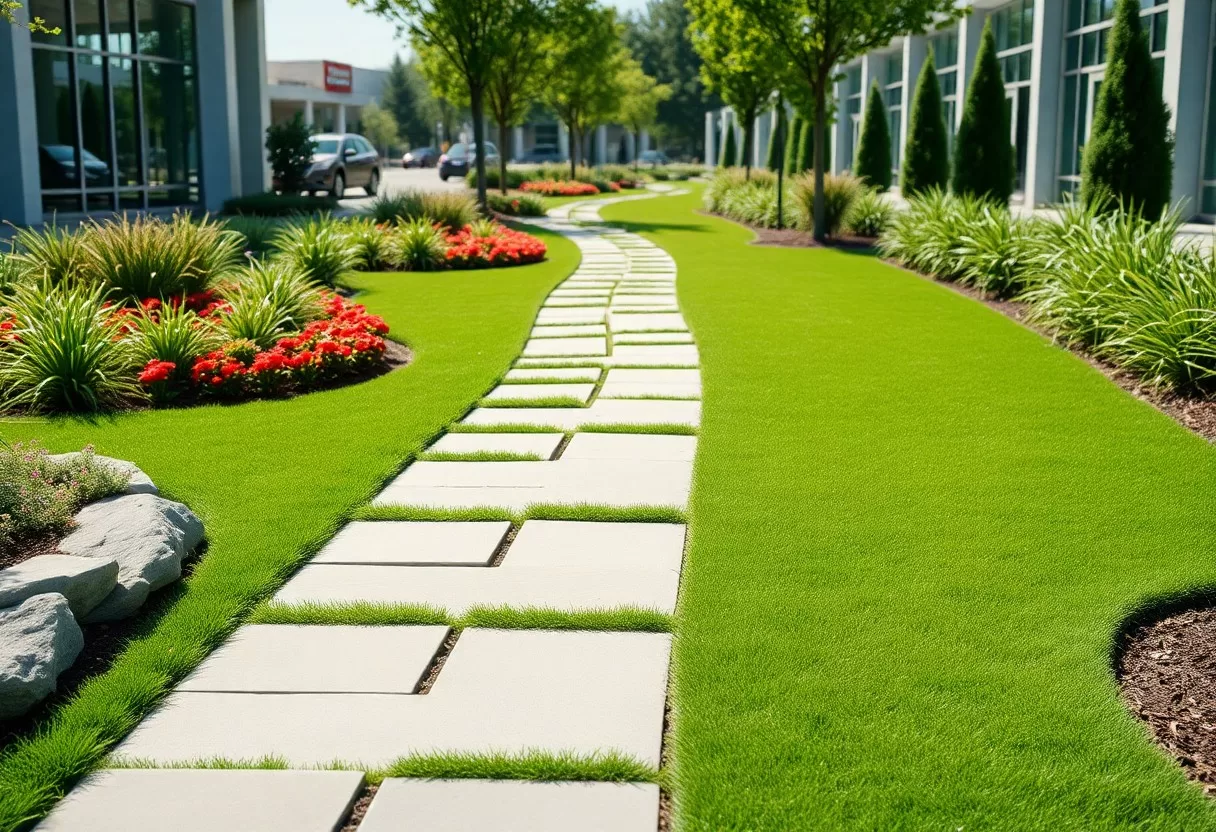
Artificial turf not only enhances your landscape’s look but also provides exceptional performance. The advanced technology behind synthetic grass ensures a surface that resists wear and tear while delivering the vibrant green appearance typical of natural lawns. Your yards will remain lush regardless of weather conditions, reducing the hassle of dead patches and muddy spots commonly associated with real grass. With minimal upkeep, you can enjoy a beautiful lawn that maintains its aesthetic appeal throughout the seasons.
Year-Round Green: The All-Weather Appeal
With artificial turf, you can achieve a stunning lawn 365 days a year. This all-weather solution thrives in various climates, resisting fading, wilting, and excessive wear from foot traffic. Even in droughts or intense summers, your lawn maintains its vibrant color and plush feel, letting you enjoy your outdoor space without the worry of seasonal changes or water restrictions.
Customized Solutions for Every Landscape
Your landscape is unique, and artificial turf can be tailored to suit your individual needs. Various styles, colors, and pile heights offer options to mirror the natural grass look you prefer, while specialized surfaces can be designed for specific purposes like sports, play areas, or ornamental spaces.
Understanding that every yard has its character, customized solutions for artificial turf involve selecting turf types that match not just the aesthetic but also the functional requirements of your space. For a pet-friendly area, you might opt for a more durable turf that resists wear and cleans easily, while a putting green requires a finer blade with a specific texture. This range of choices allows you to transform your landscape into a personalized retreat that meets practical needs while staying beautiful and inviting.
Debunking the Myths: Addressing Common Concerns
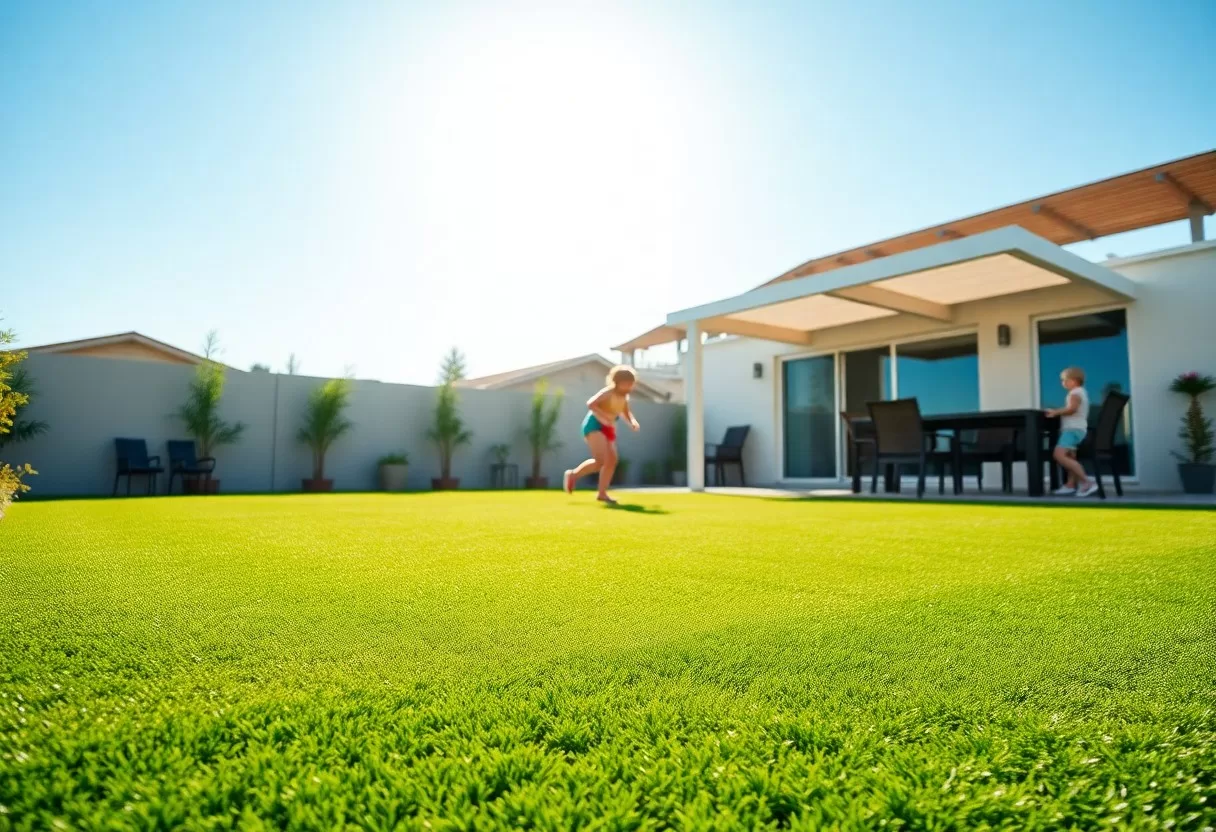
Many misconceptions surround artificial turf, often deterring homeowners from making the switch. Dispel the myths by understanding the facts. You might have heard that synthetic grass promotes heat retention or releases harmful chemicals, but these claims rarely reflect the reality of modern turf technology. Today’s artificial lawns are designed with advanced materials that prioritize safety and performance, ensuring you can enjoy a beautiful and functional space without worry.
Safety and Health Implications of Turf Materials
Concerns regarding potential health risks associated with artificial turf materials, particularly infill options, are common. Many manufacturers now utilize non-toxic, environmentally friendly materials that adhere to safety standards. Look for products that are certified and specifically designed to minimize any risk of exposure to harmful substances, ensuring peace of mind for you and your family.
Longevity and Warranty Insights
The lifespan of artificial turf can be impressive, often ranging from 10 to 25 years depending on the quality and maintenance. Warranties offered by manufacturers typically span 8 to 15 years, covering issues such as fading, matting, and excessive wear. This longevity makes artificial turf an appealing option for homeowners seeking a durable, low-maintenance solution.
Choosing high-quality turf is necessary for maximizing its longevity. Premium brands often come with extensive warranties, protecting you from premature deterioration. For instance, many products incorporate UV stabilization technology, which significantly slows down fading and degradation from sunlight exposure. Additionally, regular maintenance, such as grooming and cleaning, can further enhance the lifespan of your lawn, allowing you to enjoy a beautiful, vibrant landscape for many years.
Adapting to Modern Living: Beyond Lawns
Artificial turf emerges as an adaptable solution that fits seamlessly into contemporary lifestyles, reshaping how you think about green spaces. Its versatility enables you to create vibrant outdoor areas, from minimalist courtyards to functional pet zones. Whether you’re maximizing small yards or beautifying balconies, artificial turf meets the demand for low-maintenance greenery that enhances your outdoor living experience, offering a practical answer for urban dwellers and busy families alike.
Innovative Uses in Urban Spaces and Playgrounds
Urban environments increasingly embrace artificial turf for innovative applications beyond traditional lawns. Parks, rooftops, and playgrounds often utilize this robust material to create safe, clean, and visually appealing spaces. In playgrounds, the impact-absorbing qualities of artificial grass ensure a safer environment for children to play while maintaining the aesthetic beauty of urban landscapes, all without the hassle of upkeep.
The Role of Artificial Turf in Sustainable Landscaping
Artificial turf plays a significant part in sustainable landscaping practices, revolutionizing how you approach environmentally-friendly outdoor designs. With no need for watering, artificial grass eliminates water waste, which is especially vital in drought-prone areas. It also reduces the reliance on chemical fertilizers and pesticides, fostering a healthier ecosystem around your home.
By incorporating artificial turf into your landscaping projects, you contribute to sustainability while enjoying a beautiful, green space. The material’s durability reduces wear and tear, extending the lifespan of your outdoor installations and decreasing the need for replacements. Additionally, some artificial turf products are made from recycled materials, further promoting eco-friendliness. This combination of durability and environmental consciousness positions artificial turf as a key player in the move toward greener urban living and responsible outdoor spaces.
Conclusion
So, if you’re searching for a low-maintenance lawn solution, consider artificial turf as a practical and attractive option for your outdoor space. With its durability, minimal upkeep, and year-round greenery, artificial grass can transform your lawn into a beautiful, hassle-free area that requires little effort to maintain. By choosing this innovative solution, you can enjoy all the benefits of a lush lawn without the extensive work usually involved in traditional grass care. Embrace the ease and efficiency of artificial turf for a worry-free yard that complements your lifestyle.
Q: What are the main benefits of installing artificial turf compared to natural grass?
A: Artificial turf offers numerous advantages over natural grass. First and foremost, it requires significantly less maintenance; there’s no need for mowing, watering, or fertilizing, which saves both time and money. Additionally, it remains lush and green throughout the year, regardless of weather conditions. This makes it an excellent choice for areas with extreme climates or for homeowners who prefer a low-maintenance option. Furthermore, it reduces the risk of pests and allergies commonly associated with natural grass, providing a healthier environment for families and pets.
Q: Is artificial turf environmentally friendly?
A: While some may consider artificial turf less environmentally friendly than natural grass due to its synthetic materials, it can actually offer several environmental benefits. For example, it eliminates the need for chemical fertilizers and pesticides, which can harm local ecosystems. Additionally, because artificial turf does not require watering, it significantly reduces water consumption, an necessary factor in areas experiencing drought. Furthermore, many companies are now producing turf made from recycled materials, enhancing its sustainability. Ultimately, when properly maintained, artificial turf can be a responsible choice for environmentally-conscious homeowners.
Q: How long does artificial turf last, and what kind of warranties are typically offered?
A: The lifespan of artificial turf can vary, but high-quality products usually last between 15 to 25 years, depending on usage, maintenance, and the materials used in manufacturing. Many manufacturers offer warranties that range from 8 to 15 years, covering aspects such as UV stability and material degradation. Homeowners should always review the warranty details while selecting their turf to ensure they are protected against defects and premature wear. Regular upkeep, like brushing and cleaning, can further enhance the longevity of the turf, ensuring that it continues to look good and perform well for many years.