
Art Deco Revival – Bringing Roaring‑’20s Glamour into Contemporary Homes
Revival of the Art Deco style offers you a chance to infuse your home with the luxurious charm and bold elegance reminiscent of the Roaring ’20s. Characterized by intricate geometric patterns, rich materials, and vibrant colors, this aesthetic not only elevates your decor but also creates a sense of timeless glamour. By incorporating Art Deco elements, you can transform your living space into a stylish retreat that echoes the opulence of a bygone era while remaining firmly rooted in modern design.
Key Takeaways:
- Art Deco revival emphasizes bold geometric patterns, luxurious materials, and rich color palettes to recreate 1920s elegance.
- Modern adaptations incorporate sleek lines and contemporary design elements while maintaining the opulence characteristic of the era.
- Mixing vintage Art Deco pieces with modern décor can create a dynamic and sophisticated home environment.
The Origins of Art Deco
Historical Context
The Art Deco movement emerged during the early 20th century, gaining prominence in the 1920s and 1930s. This period, marked by post-World War I optimism and economic prosperity, embraced modernity and innovation. The Roaring Twenties cultivated a culture of luxury, reflected in fashion, art, and architecture. The 1925 Exposition Internationale des Arts Décoratifs et Industriels Modernes in Paris played a pivotal role in defining the Art Deco style, showcasing its unique blend of elegance and functionality.
Key Characteristics
Art Deco is characterized by its bold geometric shapes, vibrant colors, and luxurious materials. You’ll notice intricate detailing and symmetrical designs that create a sense of harmony and order. Key motifs often include zigzags, chevrons, and stylized florals, offering a distinct visual appeal. The style often combines traditional craftsmanship with modern technology, exemplifying an era where art met industry.
Distinctiveness is at the heart of Art Deco. You see a fusion of textures—polished metals, rich woods, and glass—hallmarking the opulence of the time. The nuanced color palette spans from deep jewel tones to metallics, each accentuating form and function. With strong influences from diverse cultures including African, Egyptian, and Native American art, Art Deco transcends mere decoration; it tells a story of aspiration, reflecting both the glamour of the Jazz Age and a hopeful gaze toward the future.
Influences on Modern Design
Modern design draws heavily from the aesthetic foundations laid by the Art Deco movement. Influences include bold geometry, opulent materials, and vibrant colors that resonate with today’s desire for both style and comfort. This resurgence is reflected in current trends, where Art deco makes an elegant comeback in furniture, architecture, and decor, inviting you to incorporate timeless glamour into your living space.
Color Palettes and Textures
Color palettes inspired by Art Deco emphasize rich tones such as deep blues, emerald greens, and luxurious golds. You will find contrasting textures like polished metals, shiny lacquers, and sumptuous fabrics that evoke the opulence of the Roaring Twenties. These combinations create a visually striking environment, making your home feel both vibrant and sophisticated.
Iconic Patterns and Motifs
Familiar patterns and motifs define the Art Deco style, with geometric shapes, chevrons, and sunburst designs playing a prominent role. These elements not only enhance visual interest but also infuse your space with a sense of historical luxury. Consider incorporating these iconic designs into wallpapers, textiles, and furnishings to pay homage to this glamorous era.
Exploring iconic patterns like zigzags and stylized floral designs, you’ll notice how they imbue your home with dynamism and elegance. The sunburst motif, with its radiating lines, symbolizes energy and modernity, offering a captivating focal point. Incorporating such motifs often involves layering them in unique ways—think of a chevron rug paired with geometric wallpaper, creating a cohesive yet eclectic look that celebrates Art Deco’s rich heritage while feeling fresh and contemporary.
Furnishing with Art Deco
To embrace the Art Deco aesthetic, your home furnishings should reflect the movement’s signature elegance and sophistication. Incorporate pieces that feature rich materials like walnut, chrome, and glass, which were prevalent in this era. Opt for furniture with geometric shapes, bold lines, and a mix of vibrant colors to establish a sense of opulence reminiscent of the Roaring Twenties.
Furniture Essentials
Invest in key Art Deco furniture pieces such as sleek sofas with velvet upholstery, angular coffee tables, and stylish armchairs that emphasize bold silhouettes. Look for items that often combine metal detailing with luxurious fabrics to achieve the striking contrast characteristic of the style.
Decorative Accents
Enhance your space with decorative accents that capture the spirit of the Art Deco era. Items like geometric mirrors, crystal chandeliers, and vintage art pieces work to create a layered and visually dynamic atmosphere. These details not only serve as focal points but also infuse your home with a sense of historical flair.
Incorporating decorative accents goes beyond mere aesthetics; they serve to reflect your personality while celebrating the Art Deco legacy. Select features like a zebra-patterned rug or a vintage-style bar cart to add a playful touch. Statement lighting, such as a brass pendant or an intricately designed wall sconce, can dramatically elevate your space. Remember to focus on pieces that showcase intricate craftsmanship and geometric designs, as they encapsulate the essence of the style beautifully.
Art Deco in Architecture
Art Deco architecture showcases a bold fusion of decorative elements, geometric forms, and luxurious materials, all embodying the spirit of the Roaring Twenties. This movement transformed urban landscapes, introducing a sense of glamour and modernity to buildings, from skyscrapers to residences. Key features include ornate façades, intricate metalwork, and vibrant color schemes that create a striking visual impact, emphasizing the optimism and innovation of the era.
Notable Examples
Iconic structures like the Chrysler Building and the Empire State Building exemplify Art Deco’s grandeur with their soaring heights and elaborate embellishments. The Miami Beach Architectural District, with its pastel-hued facades and streamlined forms, serves as another testament to this style’s enduring appeal. Each of these buildings not only captures the essence of the era but also reflects the architectural ingenuity that continues to inspire contemporary design.
Integrating Art Deco Elements
To bring Art Deco aesthetics into your home, consider incorporating bold geometric patterns, rich textures, and luxurious materials such as marble and brass. You can blend these elements with modern furnishings to create a unique space that celebrates the elegance of the past while remaining functional and stylish for today’s needs.
Begin by selecting a color palette that includes deep jewel tones or metallics to evoke a luxe atmosphere. Statement furniture pieces, like geometric coffee tables or mirrored cabinets, serve as focal points. Incorporate Art Deco-inspired lighting fixtures, featuring chrome or glass designs, to add character and warmth. Accessories such as abstract sculptures, patterned textiles, and vintage-style artwork can further enhance the overall design, seamlessly melding historical charm with modern living.
Tips for Incorporating Art Deco in Modern Spaces
Integrating Art Deco elements into your home elevates aesthetics while celebrating the rich history of the style. Focus on key design elements that resonate with this glamorous movement:
- Incorporate bold geometric patterns in textiles.
- Use mirrored surfaces to add depth and reflect light.
- Select furniture with luxurious materials like velvet and chrome.
- Choose lighting fixtures that highlight artistic designs.
- Accessorize with vintage pieces for authenticity.
Assume that blending these elements can create a stylish retreat that honors both past and present.
Combining Styles
Merging Art Deco with modern design requires a thoughtful approach. You can juxtapose sleek, contemporary lines with Art Deco’s bold curves or intricate detailing. For example, pairing a modern sofa with Art Deco-inspired throw pillows can bridge the gap between two styles while maintaining a cohesive look.
Balancing Glamour and Function
Art Deco’s glamour shouldn’t overshadow functionality in your space. Choose pieces that fulfill your needs while showcasing sophisticated design. For instance, select a stylish coffee table that doubles as storage, maintaining visual appeal without sacrificing practicality.
Quintcrucially, balancing glamour and function means ensuring that your Art Deco elements serve a purpose. Opt for striking furniture that enhances your lifestyle, such as an elegant side table that also serves as a reading nook. Look for multi-functional pieces, like a chic ottoman that offers both seating and storage. This way, you can maintain the aesthetic while keeping your space organized and inviting.
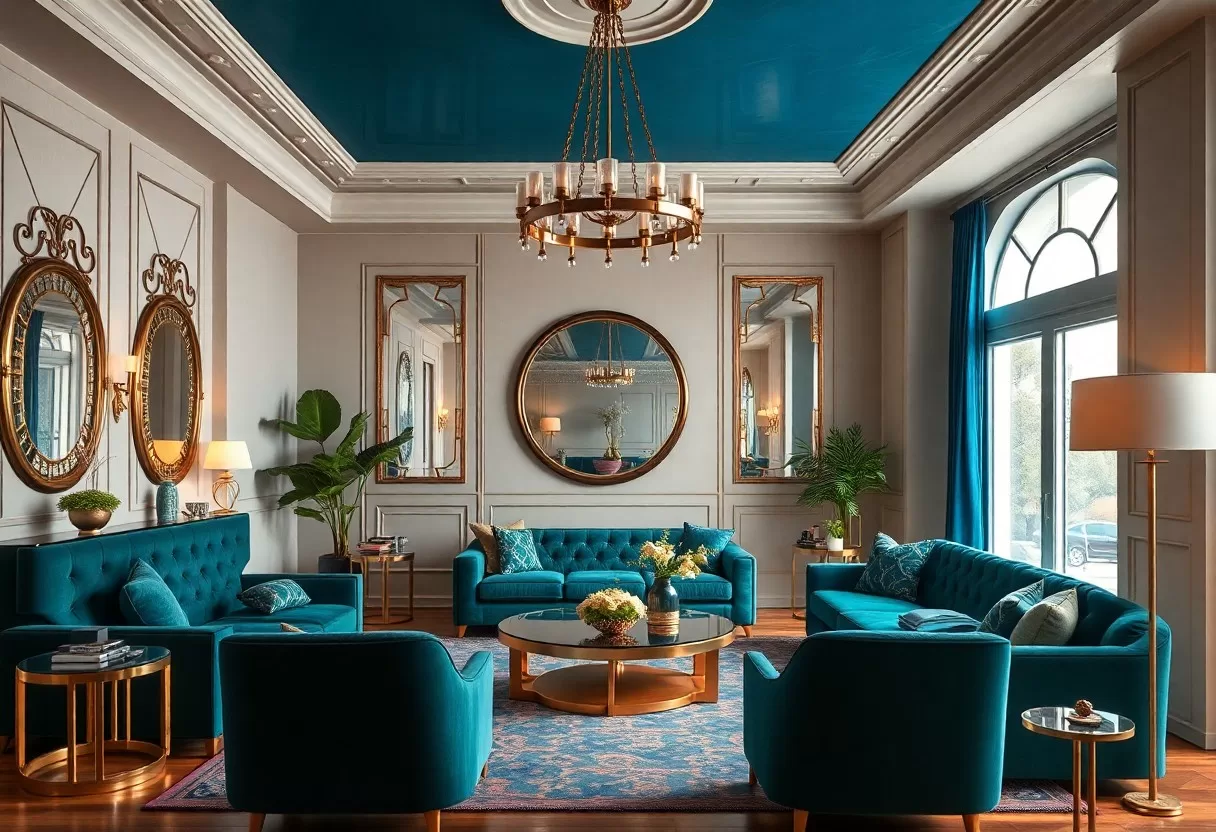
Art Deco Revival Trends
The resurgence of the Art Deco aesthetic is evident in contemporary design, characterized by bold geometric patterns, luxurious materials, and vibrant color palettes. You’ll find pieces that embrace chrome, glass, and rich woods, often featuring intricate details that showcase craftsmanship. This revival transforms not just individual rooms, but entire homes, inviting elegance and sophistication reminiscent of the Roaring ’20s.
Current Popularity
Art Deco design maintains a strong presence in today’s market, with sales of vintage furniture and accessories soaring. Social media platforms, particularly Instagram and Pinterest, have fueled this trend, showcasing luxurious interiors that seamlessly blend old-world charm with modern sensibilities. You can easily incorporate these elements into your home through carefully curated decor and furniture choices that pay homage to this iconic style.
Future Forecasts
The Art Deco revival is anticipated to grow even stronger, with trends predicting a fusion of classic Deco with sustainable practices. Designers are embracing eco-friendly materials while retaining the opulence of the era. This blend will likely attract a younger demographic eager to invest in unique, timeless pieces for their homes.
The future of Art Deco suggests a shift towards a more sustainable and personalized approach. As consumers become more conscious of their choices, expect designers to innovate by using recycled materials and ethically sourced products while maintaining the glamour of the Art Deco era. Customizable pieces that reflect individual style will also gain traction, allowing you to create a unique atmosphere that honors the opulence of the past while being mindful of contemporary demands. This balance between sustainability and grandeur promises to keep Art Deco relevant for years to come.
Final Words
The Art Deco revival allows you to infuse your contemporary home with the opulence and flair of the Roaring ’20s. By embracing geometric patterns, rich materials, and bold colors, you can create a space that reflects both elegance and modernity. Incorporating Art Deco elements not only enhances your home’s aesthetic but also connects you with a vibrant historical narrative. As you explore this design style, you can elevate your living space into a unique and sophisticated environment that celebrates timeless glamour.
FAQ
Q: What is Art Deco Revival?
A: Art Deco Revival is a design movement that reintroduces the bold, geometric shapes, rich colors, and luxurious materials characteristic of the 1920s Art Deco style into modern home decor. It emphasizes elegance and sophistication, often integrating vintage elements with contemporary aesthetics.
Q: How can I incorporate Art Deco elements into my home?
A: Incorporating Art Deco elements can be achieved through various means such as selecting furniture with bold lines and curves, using geometric patterns in textiles and wallpapers, and choosing accessories like mirrors and lighting fixtures that feature metal finishes and crystal accents.
Q: What color palette is typical for Art Deco Revival?
A: The typical color palette for Art Deco Revival includes rich and vibrant colors such as deep blues, emerald greens, and burgundy, often accented with metallics like gold, silver, and chrome. These colors can be utilized in furnishings, wall art, and decor to achieve the desired glamorous effect.