
The Secret to Arranging Furniture for Comfort and Flow
Furniture placement can make a significant difference in your home’s ambiance and functionality. By prioritizing comfort and flow, you can transform your living space into a welcoming haven. Consider the natural pathways in your rooms and how to maximize space while ensuring easy movement. Position your seating to promote conversation and relaxation, and always keep in mind the scale and proportion of your furnishings for an inviting atmosphere. With thoughtful arrangements, you enhance both the aesthetics and practicality of your space.
Key Takeaways:
- Prioritize traffic flow by allowing clear pathways between furniture.
- Incorporate varying heights and textures to create visual interest and comfort.
- Group furniture into conversation areas to encourage interaction and relaxation.
Understanding Space and Layout
Space and layout are crucial considerations for creating a comfortable and inviting environment. By assessing the dimensions and characteristics of your room, you can ensure each piece of furniture serves its purpose while facilitating movement and interaction. An effectively laid-out space enhances the overall functionality and aesthetic appeal, allowing you to maximize your home’s potential.
Measuring Your Room
Accurate measurements of your room are the foundation of effective furniture arrangement. Start by measuring the length and width, noting any architectural features like windows and doors. Aim for a balance between open space and furniture placement, allowing enough room for movement. To visualize arrangements, consider using graph paper or room design software for a scaled layout.
Defining Purpose and Function
Each room should reflect its intended purpose, guiding your furniture choices and layout. For instance, a living room designed for socializing requires ample seating, while a home office needs a functional desk setup. Consider the activities you envision taking place; this knowledge informs the arrangement and enhances the space’s usability.
When defining purpose and function, think about how you use the space daily. If you entertain frequently, position seating to facilitate conversation and provide a central gathering point. Alternatively, if you prioritize quiet study or work, ensure your desk is situated away from distractions. Tailoring your layout to your lifestyle allows for both comfort and efficiency, creating a harmonious living environment that meets all your needs.
Creating Comfort Zones
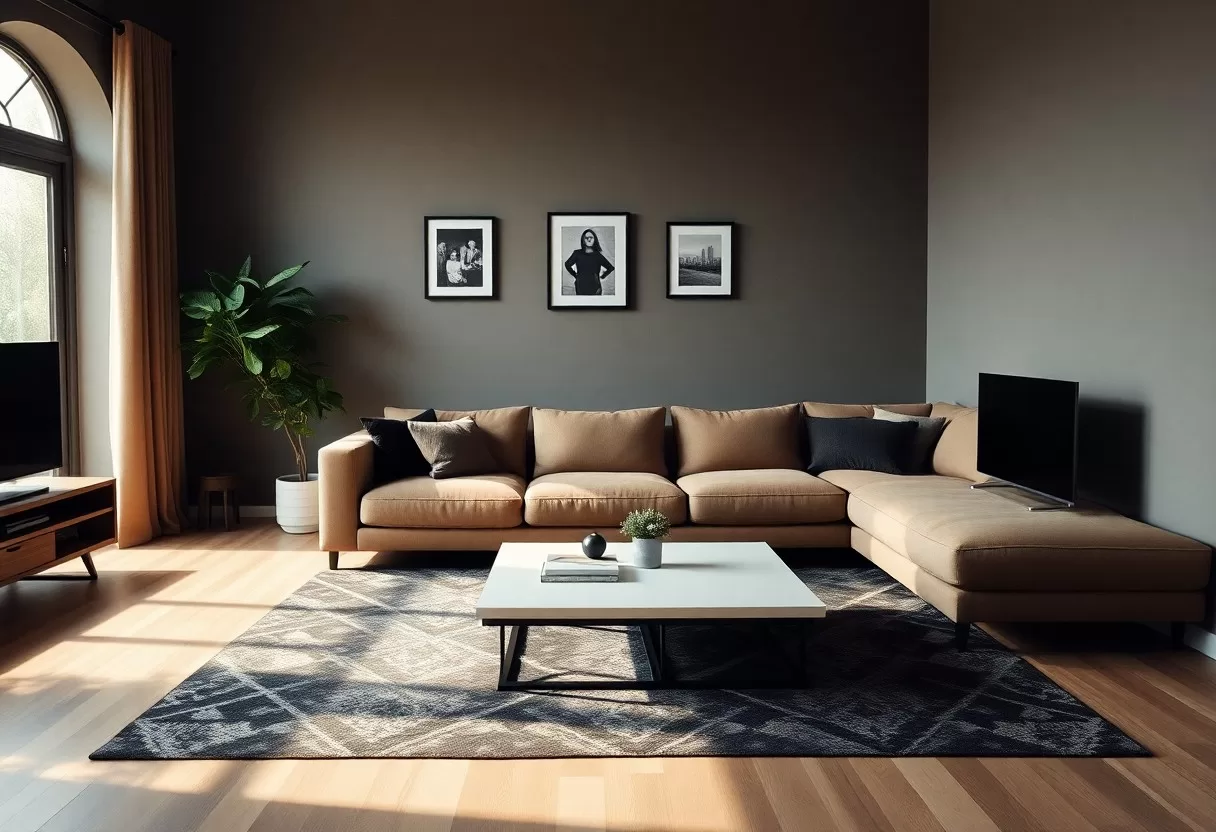
To transform your space into a sanctuary, focus on creating *comfort zones* that invite relaxation and interaction. Arrange your furniture in small, intimate groupings that encourage conversations and warmth. Use soft textures, warm colors, and strategic lighting to help delineate these areas, guiding movement and enhancing the overall sense of homeliness.
Identifying Social Spaces
Start by *identifying social spaces* in your home that naturally draw people together. Position your seating to face each other, facilitating conversation. Incorporate elements like area rugs to visually anchor these spaces, making it easy for guests to feel connected and welcome.
Designing Personal Retreats
Crafting *personal retreats* involves selecting areas in your home where you can unwind and recharge. Think of cozy nooks or reading corners, where privacy and comfort reign supreme. Use comfortable seating, soft lighting, and personal touches like artwork or plants to enhance the tranquility.
In designing personal retreats, prioritize your preferences and needs. Consider adding a plush armchair, a side table for your favorite beverage, and a bookshelf filled with inspiring reads. Soft textiles such as a throw blanket can foster warmth, while indoor plants can purify the air and enhance relaxation. Aim for a layout that feels secluded yet inviting, allowing you to escape the daily hustle while feeling connected to your home’s overall flow.
The Importance of Flow
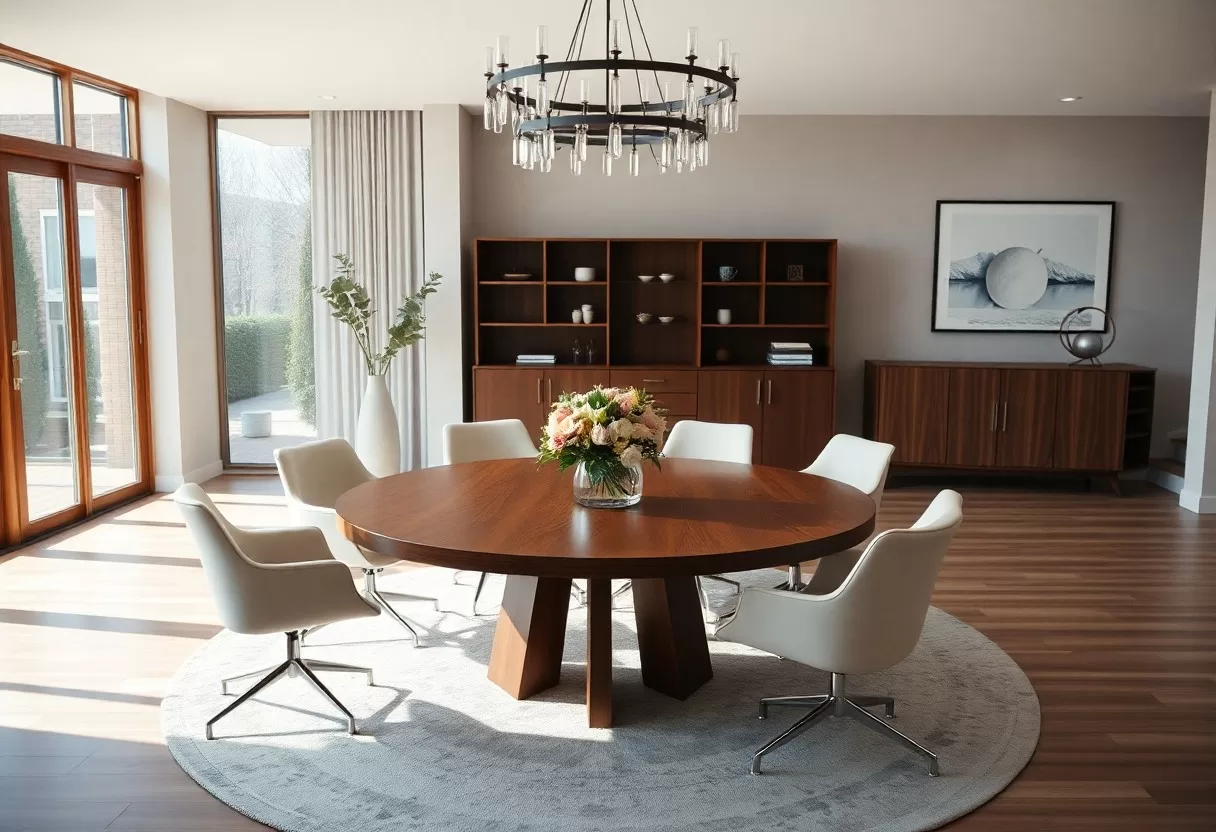
Flow serves as the unseen force that guides your space’s energy, enabling seamless movement and interaction. Achieving a harmonious flow means strategically positioning furniture and decor to facilitate natural transitions from one area to another. Your layout should promote usability without sacrificing aesthetic appeal, making it necessary for comfort and overall satisfaction in your environment.
Pathways and Movement
Establishing clear pathways is vital for ensuring easy movement throughout your space. Aim for at least 24 inches of clearance between furniture pieces, allowing you to navigate effortlessly without obstruction. Create visual cues with rugs or lighting that define movement lines, helping guests intuitively find their way and enhancing social interaction.
Balancing Open and Closed Spaces
To maintain an inviting atmosphere, strike a balance between open and closed spaces. Open areas encourage interaction and movement, while closed spaces offer privacy and intimacy. A mix of both allows you to cater to various activities—social gatherings or quiet retreats—ensuring your environment serves multiple purposes and meets different needs.
Creating the right balance involves thoughtful placement of furniture that defines spaces without completely isolating them. For instance, using a sectional sofa can delineate an open area while providing a cozy nook for conversation. Complement this with strategic shelving or partitions to maintain separation while allowing light and energy to flow freely. Aim for a layout that encourages flexibility, allowing you to adapt your space for different occasions, from lively get-togethers to intimate evenings at home.
Choosing the Right Furniture
Choosing the right furniture involves assessing both functional needs and aesthetic appeal. Consider the activities you regularly engage in and select pieces that not only fit these needs but also enhance the overall ambiance of your space. Prioritize comfort without sacrificing style, ensuring that the furniture you select encourages relaxation and engagement within your comfort zones.
Scale and Proportion
When selecting furniture, pay attention to scale and proportion to ensure harmony in your space. Furniture that is too large can overwhelm a room, while pieces that are too small can get lost and fail to create a cohesive look. Aim for a balanced aesthetic where the size of your furniture complements the dimensions of the room, facilitating a sense of flow and comfort.
Styles that Complement
Your furniture style should reflect and enhance the existing design elements in your space. Opt for styles that share colors, shapes, or materials with other pieces, creating a sense of unity. For instance, if your space features rustic wooden accents, consider incorporating furniture with similar textures or finishes to maintain a coordinated look. This creates a welcoming environment that feels thoughtfully curated.
In choosing complementary styles, think about how different finishes and designs work together. An eclectic mix can work if there’s a unifying theme or color palette. For example, pairing mid-century modern chairs with a contemporary glass table can add interest while keeping the atmosphere cohesive. Utilizing accessories like throw pillows or rugs that echo your furniture style can reinforce connections between pieces, enhancing the overall design narrative of your room.
Arrangement Techniques
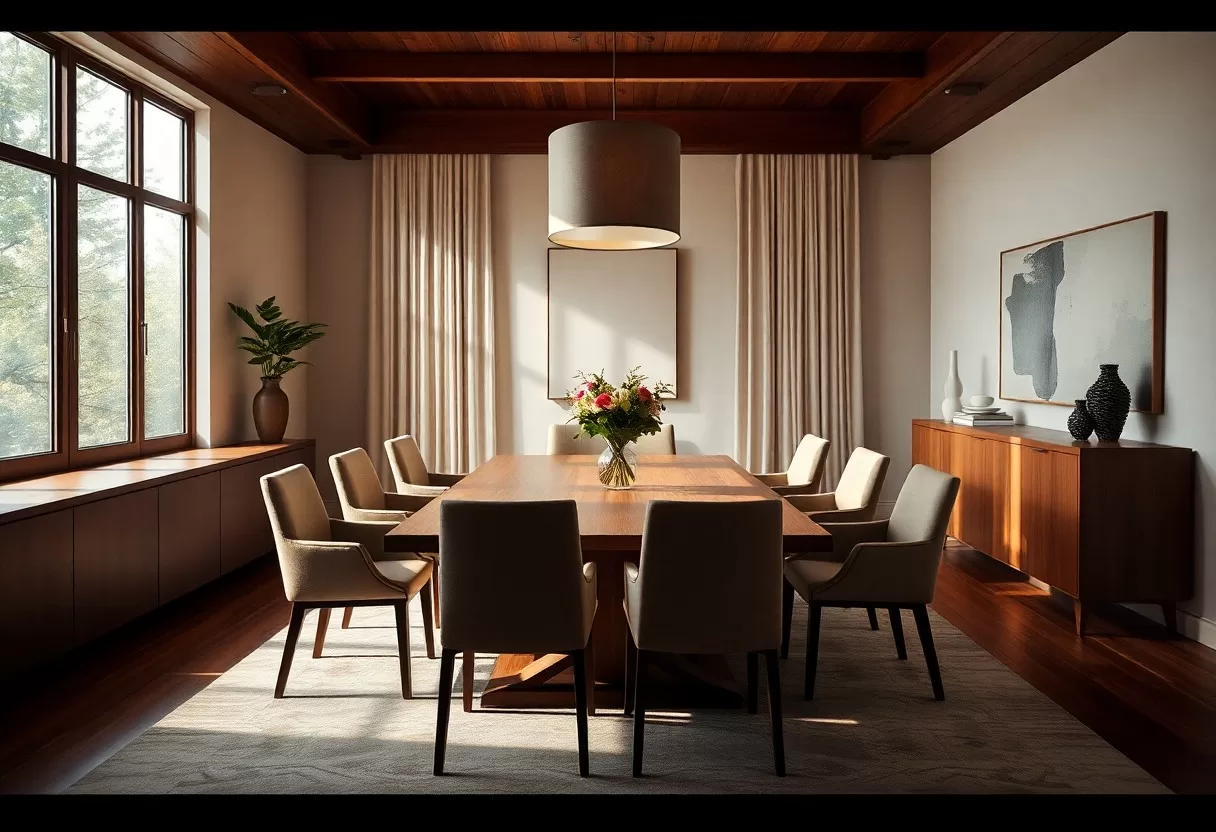
Effective furniture arrangement requires knowledge of several key techniques that enhance comfort and spatial flow while maximizing utility. By leveraging your room’s dimensions and considering the intended functions, you can create spaces that feel inviting. Prioritize natural movement patterns, ensuring there is enough room for easy navigation. To achieve this, visualize how you and your guests will interact with the space before making any permanent decisions.
Focal Points and Anchor Pieces
Your room’s focal point serves as the visual anchor, guiding the entire arrangement. This could be a fireplace, large window, or an impressive piece of art. Position your primary seating around this focal point to create balance and draw attention. Anchor pieces, such as a sturdy coffee table or sectional sofa, help ground the space and establish a cohesive look.
Experimenting with Layouts
Don’t shy away from experimenting with different layouts. Each arrangement can dramatically change the ambiance of the room, enhancing either intimacy or openness. Consider using tape to outline furniture placements on the floor, allowing you to visualize the flow and distance between pieces without heavy lifting.
By experimenting with layouts, you invite discovery of what feels right in your space. Test various configurations and pay attention to how the room functions with each change. For instance, a U-shaped seating arrangement fosters conversations while a more linear setup promotes openness and flow. Move furniture around intuitively, always considering factors like natural light, sightlines, and passageways. Consult design apps for virtual layouts, or take a more hands-on approach with wooden blocks or furniture templates to find the best layout that balances aesthetics with comfort. Your ideal arrangement may be just a few adjustments away.
Accessorizing for Comfort and Style
To elevate your space, accessorizing combines personal taste with functional elements that promote comfort. Select items like cushions, throws, and art that not only reflect your style but also create a welcoming atmosphere. Incorporating unique pieces, such as handcrafted items or family heirlooms, adds character, making your space feel cozy and lived-in. Choose a color palette that harmonizes with your furniture arrangement while ensuring each accessory complements the overall aesthetic.
Soft Furnishings and Textures
Incorporating soft furnishings and diverse textures can transform your environment, enhancing both comfort and visual appeal. Layering materials, such as plush rugs, velvety cushions, and lightweight throws, invites tactile exploration while establishing a warm ambiance. Choose fabrics like linen or cotton for breathability, and consider rich materials like wool for added warmth during colder months. These elements help denote areas within your space, promoting flow and functionality.
Lighting and Ambience
The right lighting plays a pivotal role in creating a comfortable and inviting atmosphere. Aim for a mixture of ambient, task, and accent lighting to cater to various needs. Use floor lamps for cozy reading corners, pendant lights to highlight dining areas, and dimmers to adjust brightness according to time or mood. A well-lit space not only enhances visual comfort but also sets the perfect ambience for relaxation or social gatherings.
For example, strategically placing table lamps near seating areas can provide gentle illumination that encourages conversations. Incorporating warm-toned bulbs fosters a comforting environment. To enhance your space’s character, consider decorative fixtures, such as vintage lampshades or unique chandeliers, which can serve as focal points while also contributing to the overall lighting scheme. Lighting can be layered to create depth, so think about how each source interacts with others to achieve a cohesive look.
Conclusion
Ultimately, achieving comfort and flow in your space requires thoughtful attention to layout and functionality. You should consider the natural pathways within your room, ensuring furniture placement encourages movement while promoting relaxation. By prioritizing scale, balance, and personal taste, you can create an inviting atmosphere that reflects your style. For more guidance, check out 26 Expert Tips to Help You Arrange Furniture in Every Room.
FAQ
Q: How can I determine the best layout for my furniture?
A: Begin by measuring the dimensions of your room and noting any architectural features like windows and doors. Create a simple floor plan on graph paper or use an online room planner. Experiment with different arrangements, focusing on creating clear pathways for movement and ensuring that conversation areas feel inviting and accessible.
Q: What are some tips for creating a comfortable seating arrangement?
A: Position seats to face each other to promote conversation, ensuring a comfortable distance of about 8 to 10 feet. Use varied seating options, such as sofas, chairs, and ottomans, to create a relaxed atmosphere. Providing adequate side tables and lighting can enhance comfort, making the space more functional.
Q: How can I improve the flow of multiple furniture pieces in one room?
A: Use furniture grouping to define areas within the room. Arrange larger pieces against the walls to open up the center for movement. Aim for at least 2 to 3 feet of space between furniture pieces for easy passage. Adding rugs can help visually separate spaces, contributing to both flow and comfort.