
Arbor Revival – How Garden Arbors Transform Outdoor Living
Outdoor spaces can be enhanced significantly with the addition of garden arbors, which create inviting entryways and provide important support for climbing plants. By incorporating these structures into your landscape, you can define areas, enhance aesthetic appeal, and offer a sense of seclusion within your yard. Whether you’re looking for shade, visual interest, or a backdrop for gatherings, garden arbors serve as a functional and decorative element that can elevate your outdoor living experience.
The Aesthetic Appeal of Garden Arbors
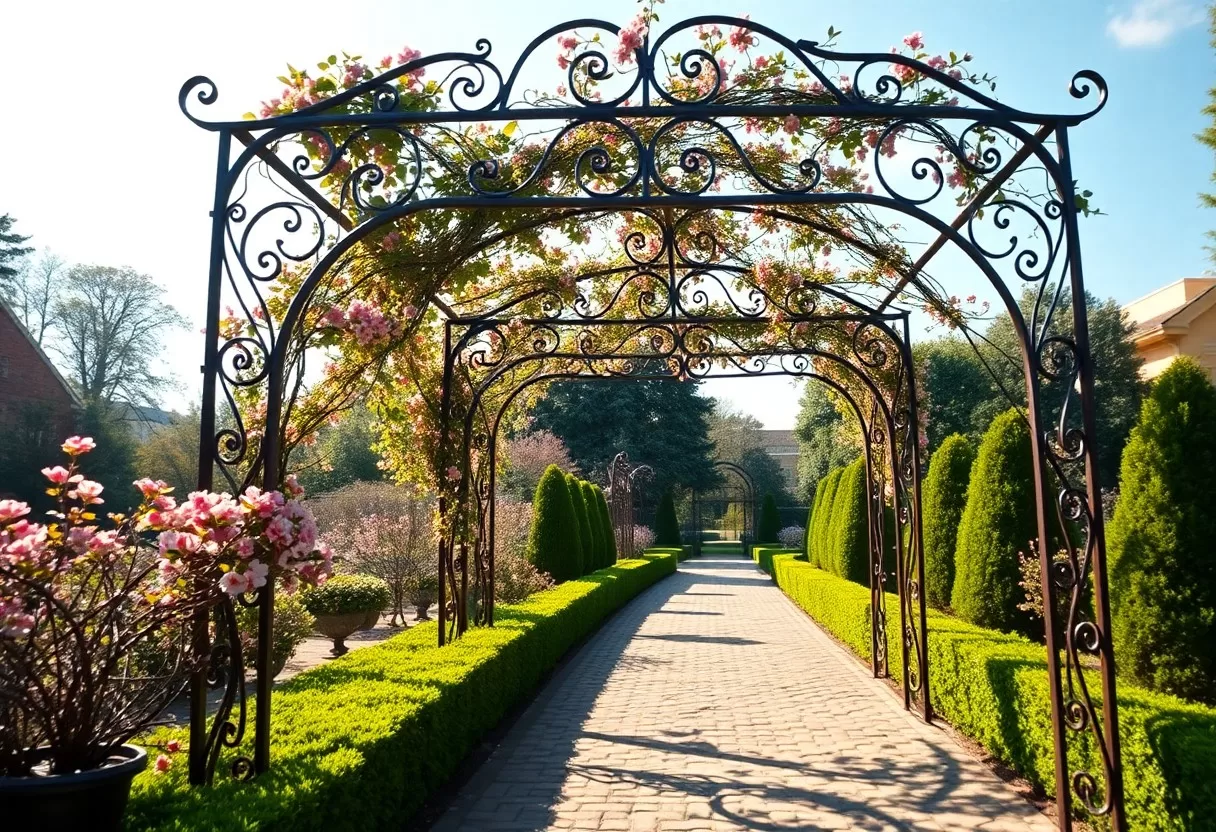
Garden arbors add a distinctive charm to outdoor spaces, effortlessly blending functionality with elegance. Their designs range from rustic wooden structures to modern metal frames, allowing you to choose an arbor that complements your garden’s overall style. By introducing natural materials and architectural features, arbors serve as exquisite backdrops for climbing plants, creating a lush, inviting atmosphere that enhances your outdoor aesthetic.
Creating Stunning Focal Points
Incorporating a garden arbor can transform an ordinary garden into a visually captivating landscape. By positioning your arbor strategically, you create a stunning focal point that draws the eye, providing a sense of balance and harmony within your garden layout. Whether adorned with flowering vines or surrounded by seating, your arbor becomes a natural centerpiece, inviting exploration and appreciation.
Enhancing Landscaping with Vertical Elements
Vertical elements like arbors effectively maximize your garden’s space, drawing the eye upward and creating a sense of height and openness. By incorporating climbing plants, you not only add greenery but also enhance texture and color to your landscape design. This verticality fosters visual interest, making gardens feel more expansive while offering the added benefit of increased privacy and enclosure.
Using arbors as vertical elements allows for creative landscaping solutions. For example, adding fragrant climbing roses or vibrant clematis can infuse your garden with inviting aromas and colors. A well-placed arbor can effectively screen an unattractive view or create a cozy nook for relaxation. In gardens with limited ground space, choosing climbing plants offers a sustainable way to bring greenery into the air, transforming small outdoor areas into lush retreats. With the right placement and plant selection, your arbor can enhance not only your garden’s beauty but also its ecological diversity.
Functional Benefits of Arbors in Outdoor Spaces
Garden arbors provide more than just aesthetic beauty; they serve vital functional purposes in outdoor living. By defining spaces and enhancing usability, they encourage more frequent use of your garden. Incorporating arbors into your landscaping helps create inviting pathways and outdoor rooms, fostering social interactions and personal retreats. These structures also support climbing plants, adding greenery and texture while providing additional shade, contributing to a more comfortable outdoor experience.
Defining Outdoor Rooms and Pathways
Arbors act as natural dividers that delineate distinct outdoor spaces, effectively transforming your garden into multiple functional areas. You can create a cozy seating nook or a dining area by strategically placing an arbor along a pathway. This not only guides visitors but also adds a sense of intimacy and organization to your landscape, enhancing both flow and accessibility.
Providing Shade and Shelter
As effective structures for shade, garden arbors can significantly enhance your outdoor living experience during warmer months. They can shelter you from direct sunlight, making outdoor activities more enjoyable. The presence of climbing vines, such as wisteria or grapevines, can augment the cooling effect, creating a refreshing green canopy. This transformation offers a comfortable spot to relax with a book or entertain guests, while also protecting outdoor furniture and plants from sun damage.
To maximize the utility of your arbor, consider the placement and types of plants you choose to grow. Vines that develop dense foliage provide excellent ceiling cover, and properly oriented arbors can block harsh afternoon sun. Pairing your arbor with seating arrangements or outdoor dining sets not only ensures functional use but also creates an inviting atmosphere for gatherings. The combination of shade and aesthetic appeal creates versatile outdoor spaces that you can enjoy throughout the day, enhancing both comfort and lifestyle.
The Role of Arbors in Plant Health and Growth
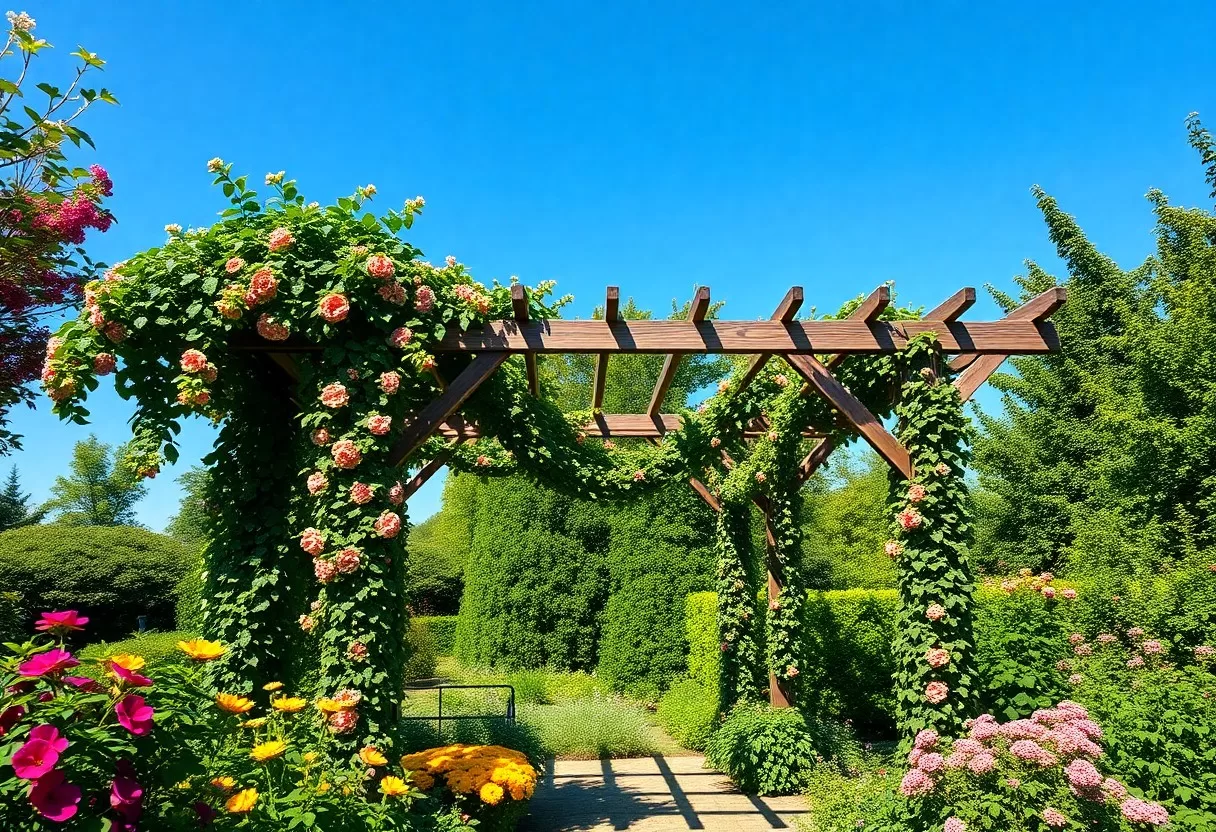
Arbors serve a significant function in enhancing plant health and growth, acting as support structures that promote vertical gardening. They allow plants to climb, stretching towards sunlight while improving air circulation, which reduces the risk of fungal diseases. By creating microclimates, arbors can also help maintain optimal temperatures and humidity levels for thriving plant life.
Supporting Climbing Plants and Vines
Utilizing arbors for climbing plants and vines maximizes vertical space in your garden, supporting varieties such as clematis, jasmine, and grapes. These plants can flourish when guided up and around the framework of your arbor, leading to healthier growth and increased flowering or fruit production.
Encouraging Biodiversity in Gardens
Incorporating arbors into your garden design promotes biodiversity by attracting a variety of pollinators and beneficial insects. The structure creates sheltered spaces where different species can thrive, leading to a healthier ecosystem. You may notice an increase in butterflies, bees, and even small birds, enhancing the vibrancy of your outdoor space.
By planting diverse species around and on your arbor, you continually support various life forms. The presence of nectar-rich flowers and fruit-bearing plants encourages not just pollinators but also other wildlife, such as ladybugs and lacewings, integral to natural pest management. This variety fosters a resilient garden ecosystem, less dependent on chemical interventions, and contributes positively to local ecological health. Embracing this diversity ultimately leads to a thriving garden that offers both aesthetic and environmental benefits.
Design Considerations for Building the Perfect Arbor
Arbor design involves a careful balance of aesthetics, functionality, and site conditions. Consider the scale and style of your garden; a small, intricate arbor may get lost in a vast landscape, while a grand structure could overwhelm a petite space. Enhancing your outdoor living requires attention to sunlight exposure, as well as aligning the arbor’s placement with your pathways and seating areas. The selection of climbing plants will influence not only the visual appeal but also the arbor’s durability and long-term function.
Material Choices: Wood, Metal, and More
Your choice of materials significantly impacts both the appearance and longevity of the arbor. Wood is traditional, offering warmth and a natural look, but may require regular maintenance to prevent rot. Metal, such as aluminum or wrought iron, provides a modern twist with added durability and less upkeep. Options like vinyl bring weather resistance, while composite materials blend aesthetics with low maintenance. Each choice has its own benefits; evaluating your climate and design goals will lead you to the best option.
Architectural Styles: Matching with Home Aesthetics
Your arbor should complement your home’s architectural style to create a cohesive outdoor environment. A colonial-style arbor harmonizes with traditional homes, featuring symmetrical lines and classic materials, while a modern arbor often incorporates sleek metal and geometric shapes to resonate with contemporary designs. Rustic homes benefit from arbors constructed with natural wood, evoking a sense of warmth and organic beauty. Mimicking roofing details or colors from your home can also enhance visual alignment, ensuring your outdoor space feels intuitively connected to your living environment.
For instance, if your home has a Victorian design, consider an arbor adorned with intricate scrollwork and classic motifs to maintain the elegant flair. A Craftsman-style abode pairs beautifully with a timber-frame arbor that mirrors the home’s exposed structural elements. By tailoring your arbor’s design to reflect your home’s unique characteristics, you create a seamless transition from indoor to outdoor spaces, enriching your overall living experience.
Transforming Outdoor Experiences Through Arbors
Arbors seamlessly elevate your outdoor living experience, creating inviting transitions between garden spaces. By strategically placing an arbor, you can frame views, define pathways, and add structural interest, turning your garden into a delightful sanctuary. Whether you choose to grow climbing vines or hang decorative elements, arbors invite exploration and relaxation, making every moment spent outdoors feel special.
Creating Intimate Gathering Spaces
With an arbor at the heart of your garden, you can easily create intimate gathering spaces for family and friends. An arbor draped with flowering vines provides a picturesque backdrop for your gatherings, enhancing conversations and encouraging connection. Design your space with seating arrangements under the arbor to promote comfort and enjoyment, ensuring your outdoor area becomes the favored spot for socializing.
Boosting Property Value and Curb Appeal
Incorporating an arbor not only enhances your outdoor space but also significantly boosts property value and curb appeal. Potential buyers are drawn to well-designed landscapes, and arbors serve as focal points that add aesthetic charm. Studies show that well-maintained gardens can increase property value by up to 15%, making arbors a strategic investment for your home.
Arbors serve as visual anchors, drawing attention and enhancing the overall landscape design. They can elevate the perceived value of your property by creating a sense of luxury and outdoor sophistication. A well-placed arbor can make your garden appear larger and more cohesive, encouraging buyers to envision themselves enjoying the space. Pair the arbor with other landscaping improvements, such as pathways or lighting, to maximize curb appeal and ensure your home stands out in the market.
To wrap up
Drawing together your outdoor space, garden arbors enhance the aesthetic appeal and functionality of your garden. You can create inviting pathways, provide shade, and establish focal points that elevate your outdoor living experience. By incorporating arbors, you not only add structure but also foster a sense of tranquility and beauty in your landscape design. As you consider ways to enrich your garden, let an arbor be your starting point for transforming your outdoor sanctuary into a vibrant, welcoming environment.
FAQ
Q: What is an arbor and how does it enhance outdoor spaces?
A: An arbor is a garden structure often used as a focal point or entrance to a garden or pathway. It enhances outdoor spaces by providing vertical interest, creating shaded areas, and supporting climbing plants, which adds beauty and structure to the landscape.
Q: How can I incorporate an arbor into my existing garden design?
A: Incorporating an arbor can be achieved by placing it strategically at garden entrances, over paths, or near seating areas. It can be adorned with flowering vines or hanging decor to harmonize with existing plants, resulting in a more inviting and cohesive garden design.
Q: What materials are ideal for building or purchasing a garden arbor?
A: Popular materials for garden arbors include wood, metal, and vinyl. Wood offers a natural look and can be painted or stained, while metal provides durability and a contemporary feel. Vinyl is low-maintenance and resistant to weathering, making it a practical choice for long-term use.