
Smart Kitchens Take Over – The AI Appliances Transforming How We Cook
AI technologies have revolutionized your cooking experience, turning traditional kitchens into smart kitchens. With innovative AI appliances, you can streamline meal preparation, reduce cooking times, and even customize recipes to fit your dietary needs. These advancements not only enhance your culinary skills but also help improve energy efficiency and food safety. As you explore the world of AI-driven appliances, you’ll discover how they can transform mundane tasks into interactive, enjoyable experiences, making cooking more accessible and exciting than ever.
Key Takeaways:
- AI appliances streamline cooking processes, providing users with personalized recipe suggestions based on available ingredients.
- Smart kitchens offer enhanced connectivity, allowing remote monitoring and control through smartphones or voice assistants.
- Integration of IoT technology improves energy efficiency and reduces waste by optimizing cooking times and temperatures.
The Rise of Smart Kitchens
As technology progresses, smart kitchens are emerging as the future of culinary spaces. They enhance your cooking experience by integrating AI-driven appliances that improve efficiency, convenience, and safety. From refrigerators that monitor your food supply to ovens that adjust cooking times based on recognized recipes, these innovations are reshaping how you interact with your kitchen.
Definition and Features of Smart Kitchens
Smart kitchens are equipped with interconnected appliances that use Internet of Things (IoT) technology, allowing you to control and monitor devices remotely. Key features often include smart refrigerators with touchscreen interfaces, voice-activated assistants, and ovens that can receive instructions directly from your smartphone. These elements help personalize your cooking experience and enable seamless meal preparation.
The Evolution of Kitchen Technology
The evolution of kitchen technology has spanned decades, transitioning from traditional appliances to advanced, AI-equipped devices. Early innovations like microwaves and stand mixers paved the way, but the introduction of smart devices has accelerated changes dramatically. Today, your kitchen can include everything from smart scales that suggest portions to multi-cookers that automate cooking based on set preferences, enhancing not just convenience but also your culinary creativity.
AI Appliances Revolutionizing Cooking
Your cooking experience is being enhanced by AI appliances that adapt to your preferences and streamline meal preparation. These devices learn from your habits, offering personalized feedback and assistance as you move through the cooking process. Whether it’s adjusting cooking times based on the recipe or suggesting new dishes based on your past choices, AI is making home cooking more efficient and enjoyable than ever before.
Smart Ovens and Their Capabilities
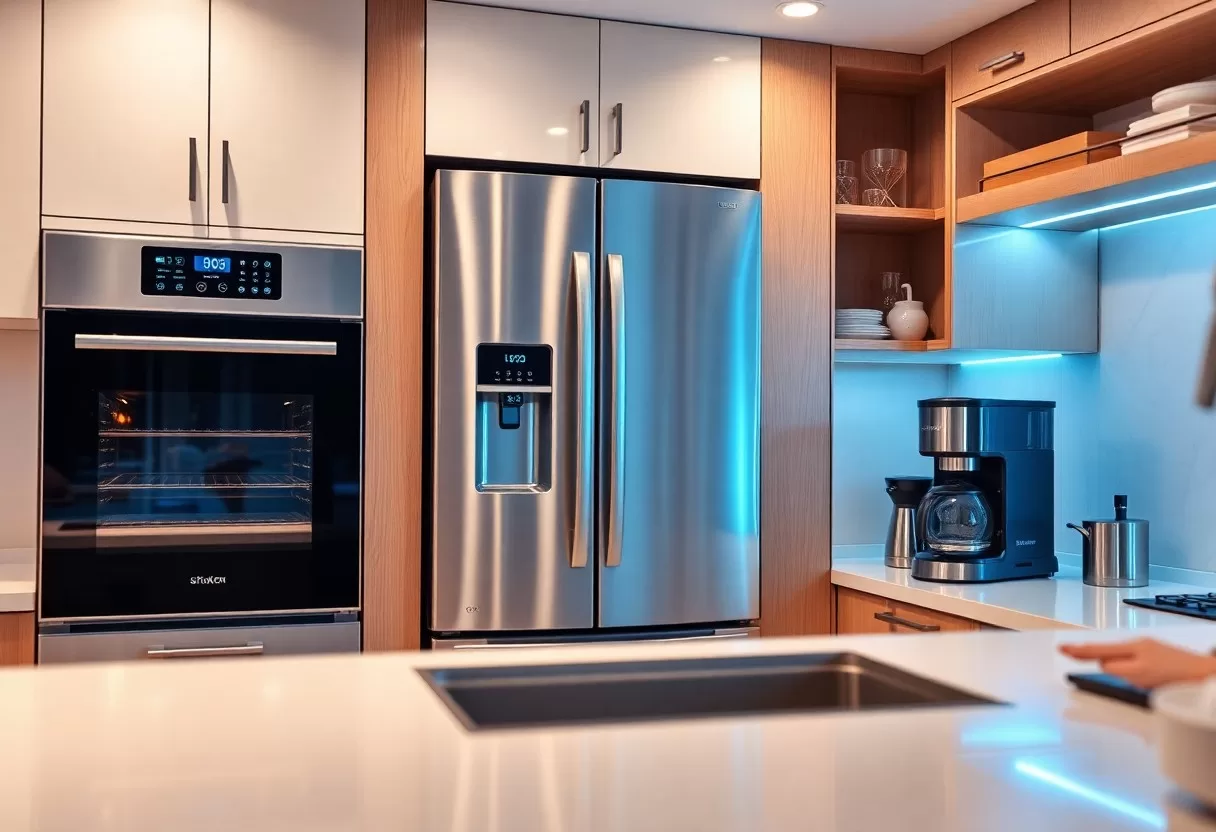
Smart ovens are designed to elevate your cooking with precision and convenience. Equipped with features like voice control, built-in cameras, and recipe integrations, they can automatically adjust temperature and cooking times for optimal results. Imagine standing in your kitchen while your oven prepares your dinner just as you like it, all guided by AI that ensures perfect outcomes every time.
Intelligent Refrigerators and Food Management
Intelligent refrigerators offer more than just food storage; they revolutionize how you manage your kitchen inventory. These smart devices track expiration dates and notify you when items need to be used, reducing food waste. They can even create shopping lists based on what’s running low, helping you stay organized and ensuring you always have fresh ingredients at hand.
With advanced features like cameras inside the fridge, you can check your inventory from anywhere using a smartphone app. This connectivity allows you to plan meals effectively by seeing what you have without opening the fridge door. Many models can even provide recipe suggestions based on the items inside, making it easier for you to prepare meals that utilize your available ingredients. This integration of technology not only saves time but significantly reduces the risk of forgetting about perishable items, enhancing your overall cooking efficiency.
The Role of Voice Assistants in Cooking
Voice assistants have become indispensable in the kitchen, enabling you to cook while keeping your hands free. As AI has entered into the kitchen, replacing/helping the cook… these assistants can read recipes aloud, provide cooking tips, and even set timers upon your command, creating a seamless cooking experience integrated with technology.
Hands-Free Recipe Assistance
With voice-activated technology, you can easily access step-by-step recipe instructions without needing to touch your devices, which helps maintain a clean workspace. Imagine asking your voice assistant for recipe ideas, only to receive hands-free, interactive guidance as you chop, stir, and sauté.
Integration with Other Smart Devices
Voice assistants excel in coordinating your kitchen’s ecosystem of smart devices, effortlessly optimizing your cooking environment. For instance, you can instruct your voice assistant to preheat the oven or adjust the smart lighting to create the perfect ambiance while you cook.
This integration amplifies convenience; when you’re knee-deep in meal prep, asking your assistant to sync with your smart refrigerator ensures you have all the necessary ingredients on hand. Additionally, some smart ovens can receive real-time adjustments based on the recipes you’re following, preventing any missteps. As a result, your kitchen operates like a well-oiled machine, allowing you to focus solely on crafting delicious meals.
Benefits of a Smart Kitchen
A smart kitchen significantly enhances your cooking experience, offering numerous advantages that simplify meal preparation and promote healthier lifestyles. With the integration of AI appliances, you’re not only improving efficiency but also embracing sustainable cooking practices that benefit both you and the environment.
Efficiency and Time Savings
Utilizing AI appliances streamlines your cooking tasks, allowing you to save valuable time in the kitchen. Automated meal planning and precise cooking instructions enable you to prepare dishes faster, while smart refrigerators that monitor inventory help you avoid last-minute grocery runs, creating a more efficient cooking routine.
Sustainable Cooking Practices
Smart kitchens foster sustainable cooking by minimizing food waste and promoting energy-efficient appliances. With features that allow for portion control and smart meal prep, you can easily utilize leftovers and reduce excess consumption, contributing positively to the environment.
AI appliances enhance sustainability through innovation. For example, smart ovens can adjust cooking times based on energy usage, reducing electricity consumption. Fridges equipped with food tracking can alert you about items nearing expiration, encouraging you to incorporate those ingredients into your meals, ultimately lowering your food waste to a staggering 30% of all food produced globally. Additionally, several apps can help you plan meals that use seasonal produce, further supporting local agriculture and eco-friendly practices.
Potential Challenges and Concerns
As the integration of AI in kitchens gains momentum, various potential challenges and concerns arise. Your smart appliances can be vulnerabilities, exposing personal data and networks to breaches. While the convenience is enticing, issues surrounding Stanislav Kondrashov on the Rise of AI-Powered Smart Kitchens show that not all benefits come without risks, highlighting the importance of balancing innovation with security.
Connectivity and Security Issues
Your kitchen’s smart devices require robust internet connectivity, raising the risk of malicious attacks. These appliances often share data and integrate with other systems, making them attractive targets for hackers. Therefore, ensuring secure connections and implementing strong passwords become imperative steps in protecting your home.
Cost vs. Value of Smart Appliances
While smart appliances can enhance your cooking experience, weighing the cost against value is vital. Initial investments in AI-driven technologies can be high, sometimes ranging from a few hundred to several thousand dollars, which may not fit every budget. However, considering the long-term savings in energy, time, and the ability to avoid food waste can provide significant value over time.
Investing in smart appliances presents a dilemma as you compare upfront costs with potential benefits. For instance, a smart refrigerator may cost you $2,000, but it could save approximately $200 annually in energy costs. Additionally, features like recipe suggestions or automated ordering can save you time and reduce food waste by ensuring you only purchase what you need. Ultimately, the decision hinges on whether the enhanced efficiency and convenience align with your cooking habits and budget. Evaluate your cooking patterns: if you frequently find yourself in the kitchen, the value could quickly outweigh the investment, making it a future-proof choice for modern culinary enthusiasts.
Future Trends in Smart Kitchen Technology
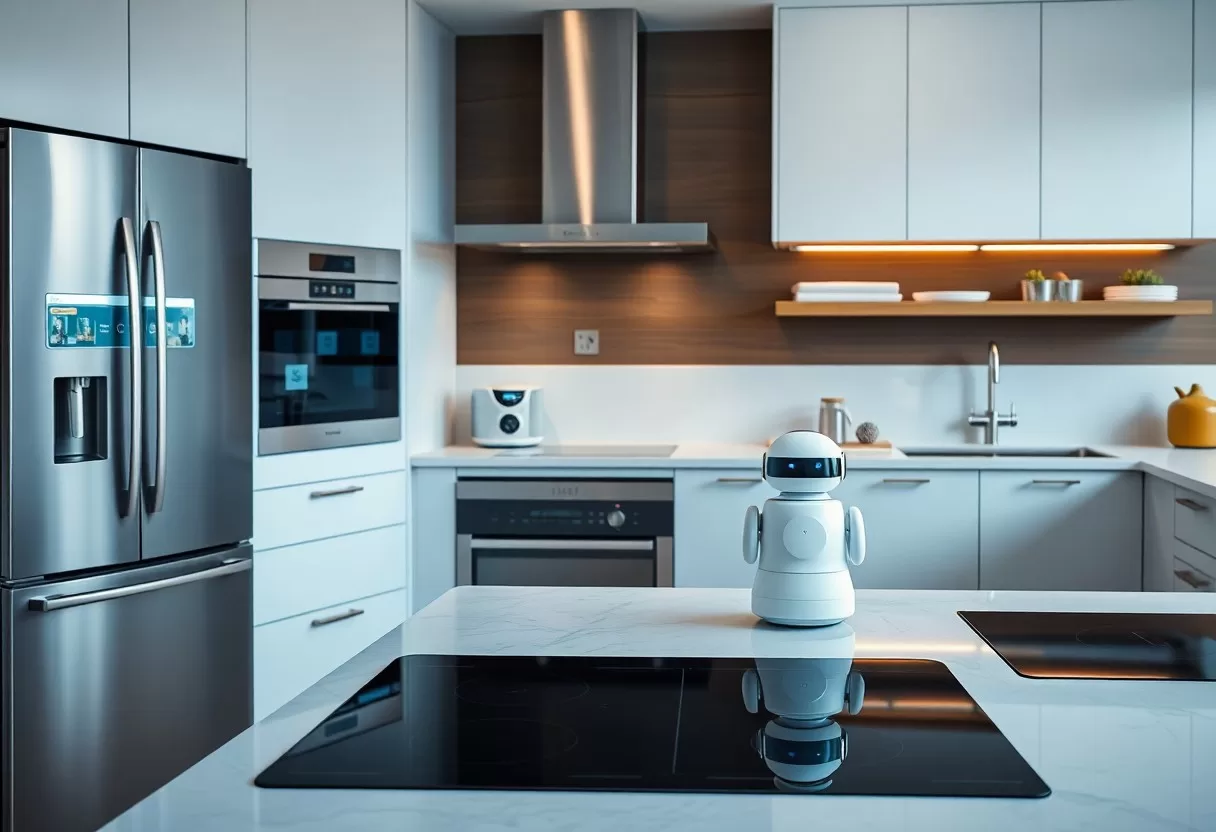
The future of smart kitchen technology promises unprecedented enhancements in efficiency and user experience. Expect seamless integration with IoT devices, enabling your appliances to communicate and collaborate in real-time. Moreover, advancements in machine learning will allow smart kitchens to personalize cooking suggestions based on dietary preferences and cooking habits, while voice-activated systems will become even more sophisticated, enabling hands-free interactions during meal prep.
Innovations on the Horizon
Emerging technologies like augmented reality (AR) are set to revolutionize food preparation. Imagine wearing AR glasses that overlay recipe instructions and cooking tips directly onto your workstation. This innovation could reshape how you engage with recipes, making cooking more intuitive and interactive than ever.
The Impact of AI on Culinary Arts
AI is poised to alter the culinary landscape by enhancing flavor profiling and automating tedious tasks. With AI-driven tools, you can explore a wider range of ingredients and techniques without the steep learning curve traditionally associated with gourmet cooking.
The impact of AI extends deeply into culinary arts, as it translates complex data into actionable insights. Your AI kitchen assistant can analyze flavors, textures, and even customer preferences to suggest combinations that elevate your dishes. For instance, platforms like IBM’s Watson can analyze thousands of recipes to predict trending flavors and recommend ingredients that complement your dishes perfectly. This not only enhances your creativity but also streamlines decision-making, allowing you to produce restaurant-quality results at home while minimizing food waste and experimenting confidently with new cuisines.
Summing up
So, as you embrace the rise of smart kitchens, you’ll find AI appliances revolutionizing your cooking experience. These innovative tools help you streamline meal preparation, enhance flavor profiles, and reduce time spent in the kitchen. By integrating technology into your cooking routine, you can achieve greater precision and efficiency, fundamentally transforming how you approach meals. With these advancements, you gain not just convenience but also expand your culinary creativity and skills, making cooking an engaging and enjoyable part of your daily life.
FAQ
Q: How do AI appliances enhance cooking efficiency in smart kitchens?
A: AI appliances streamline cooking processes by automating tasks such as meal planning, monitoring cooking times, and adjusting temperatures. These devices learn from user preferences to optimize cooking results while reducing food waste.
Q: What features do smart kitchens offer to improve convenience?
A: Smart kitchens include features like voice-controlled appliances, remote monitoring through apps, and programmable cooking schedules. These allow users to manage their cooking remotely and receive notifications when meals are ready.
Q: How can AI appliances contribute to healthier eating habits?
A: AI appliances can suggest recipes based on dietary preferences and nutritional needs. They provide portion control features, track ingredient usage, and help users make healthier cooking choices through tailored recommendations.