
How AI Is Revolutionizing Architectural Design – A Look At Innovations Shaping Our Cities
Most architects today are embracing AI technologies to transform their design processes, leading to smarter, more sustainable buildings that cater to your needs. These innovations streamline workflows, enhance creativity, and offer data-driven insights that improve urban planning. By understanding how artificial intelligence shapes architectural design, you’ll see the positive impact on your city’s infrastructure and community well-being. Join us as we explore the cutting-edge advancements and the exciting future of architecture influenced by AI.

Key Takeaways:
- AI is enhancing the design process by enabling architects to analyze vast amounts of data, leading to more informed decision-making and innovative solutions.
- Generative design tools powered by AI allow for the exploration of numerous design iterations quickly, fostering creativity and efficiency.
- AI-driven simulations and visualizations improve the understanding of environmental impacts, helping to create sustainable urban designs.
- Integration of AI in building management systems optimizes operational efficiency and maintenance, ensuring smarter resource management in urban environments.
- Collaborative platforms utilizing AI facilitate communication among various stakeholders, improving project coordination and delivery timelines.
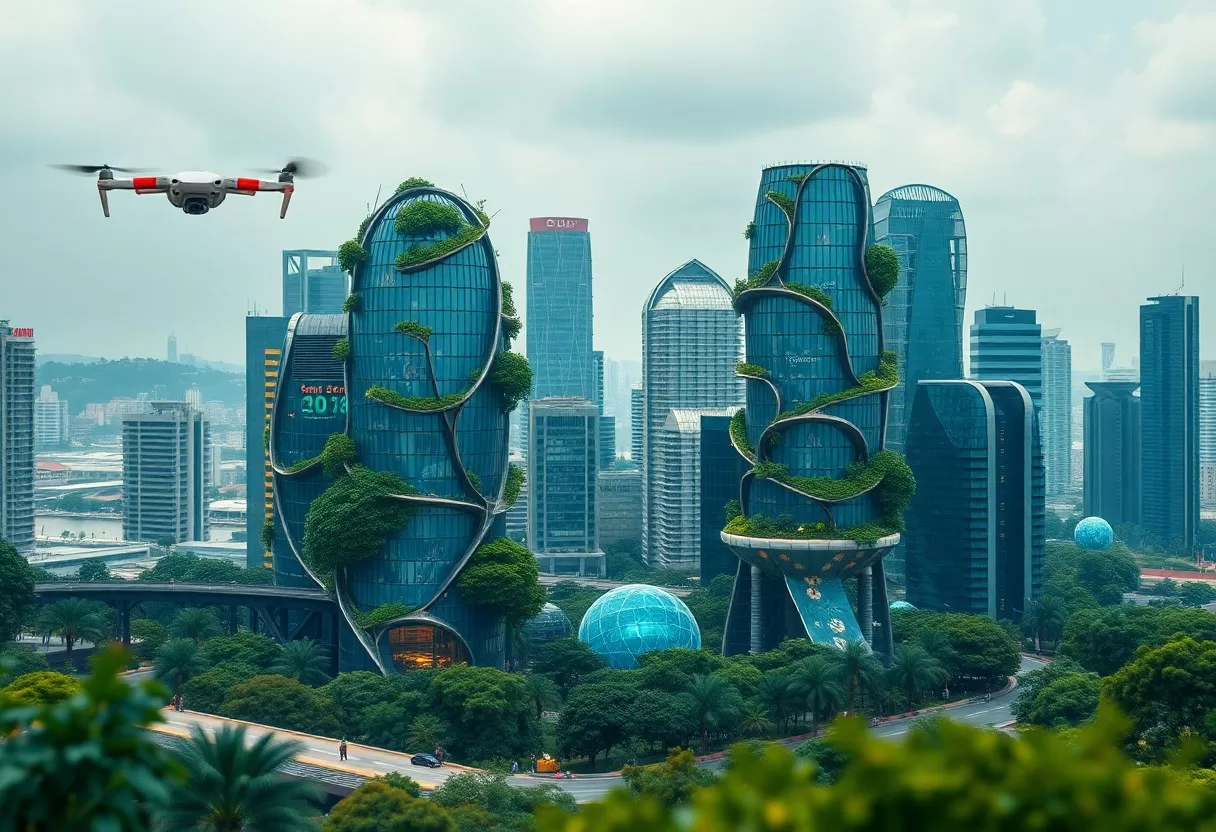
Redefining Form and Function with AI
Architectural design is experiencing a profound transformation as AI seamlessly integrates creativity and functionality. The potential for innovation is limitless, enabling you to rethink conventional boundaries in design. With AI’s ability to analyze and interpret user interactions, you can create spaces that are not just visually appealing, but also tailored to the precise needs of its occupants, merging form and function like never before.
Generative Design: Where Algorithms Meet Aesthetics
In generative design, AI algorithms enable you to explore countless design options in mere hours. By inputting parameters such as material type, budget, and spatial requirements, you can produce forms that might not have been conceived through traditional methods. This holistic approach allows for bold experimentation, where aesthetics and utility coalesce into innovative solutions tailored to specific contexts.
Optimizing Space Utilization Through AI Models
AI models excel in space optimization, offering insights that enhance efficiency in architectural design. With advanced analytics, you can assess existing spaces and determine the ideal configuration for functionality, natural light, and pathways. This not only maximizes usable area but also improves the overall occupant experience, leading to environments that feel more spacious and cohesive.
By employing AI-driven simulations, you can visualize different spatial arrangements, assessing their effectiveness before implementation. For instance, a recent case study demonstrated how AI helped a commercial development reduce wasted space by 25%, translating into significant cost savings and increased occupant satisfaction. Such models leverage historical data and user behavior patterns, ensuring that every inch of design is utilized to its fullest potential while addressing both aesthetic values and practical requirements.
Enhancing Sustainability in Architectural Practices
Architects are increasingly leveraging AI to embed sustainability into their designs, ensuring that new buildings align with eco-friendly standards. Innovative algorithms analyze energy consumption patterns, allowing you to create structures that minimize their carbon footprint. From optimizing natural lighting to improving airflow, the integration of AI significantly enhances your ability to design efficient spaces. Learn more about How AI is Reshaping Architecture. Design Automation … and its potential impact on your projects.
Energy Efficiency: AI’s Role in Eco-Friendly Buildings
AI algorithms can predict energy requirements and suggest optimal layouts that reduce energy consumption significantly. By analyzing data from various climate zones, systems can guide you in selecting energy-efficient HVAC solutions, leading to sustainable energy use.
Material Selection and Waste Reduction through Smart Technologies
AI tools offer advanced material selection techniques, allowing you to choose environmentally friendly options while reducing construction waste. Through data analysis, you can efficiently repurpose existing materials or select sustainable alternatives, aligning your projects with green building standards.
Incorporating smart technologies in material selection not only cuts costs but also fosters sustainability. For instance, algorithms can assess the lifecycle impact of materials, providing you with insights on durability and recyclability. This approach can reduce your project’s environmental impact by maximizing resource efficiency and minimizing waste. By utilizing predictive models, you can refine supply chains, ensuring that materials are used judiciously, further promoting a waste-free construction process.
Elevating Urban Planning with Predictive Analytics
Predictive analytics is reshaping urban planning by providing planners with powerful tools to forecast future trends and challenges that cities may face. By analyzing historical data, as well as real-time inputs, AI models can project population growth, traffic patterns, and even environmental changes. This innovative approach allows you to design more adaptable and resilient urban spaces, ensuring that your city can handle unexpected demands while improving overall quality of life.
Data-Driven Decision Making for Smart Cities
In smart cities, data-driven decision making is transforming how infrastructure projects are prioritized and executed. AI algorithms sift through vast datasets, evaluating factors such as demographic shifts, economic indicators, and environmental impacts. By leveraging this information, you can implement smarter resource allocation, ensuring that services are deployed where they are most needed and addressing community needs effectively.
Future-Proofing Urban Infrastructure through AI Insights
AI insights are necessary for future-proofing urban infrastructure, enabling you to anticipate and mitigate potential challenges proactively. Leveraging advanced simulations, AI can evaluate the durability of materials, forecast maintenance cycles, and suggest innovative building techniques that can withstand climate change impacts or urbanization pressures.
For example, in cities like Los Angeles, AI-driven insights have led to the development of adaptive traffic systems that learn from real-time data, reducing congestion by 25%. This kind of forward-thinking infrastructure design not only saves on costly repairs and upgrades but also creates more sustainable urban environments. With predictive analytics informing maintenance schedules and repair planning, you can also extend the lifespan of critical services like water supply and public transportation systems, ultimately ensuring that urban life remains efficient and user-friendly well into the future.
The Collaboration Between Human Creatives and AI
Human creatives and AI are entering uncharted territory in architectural design. By blending human intuition with AI computational power, architects can explore innovative solutions previously deemed impossible. This collaboration leads not only to more efficient processes but also to unique design outcomes that reflect a synthesis of artistic vision and technological prowess.
Redefining the Architect’s Role in a Tech-Driven Era
Your role as an architect is evolving, moving from traditional craftsmanship to becoming a tech-savvy innovator. AI empowers you to take on more complex challenges and address sustainability issues while enhancing creativity. Architects now focus on overseeing AI tools that generate design options, rather than solely executing ideas, enabling deeper exploration of concepts.
Successful Integration of AI Tools in Design Processes
Successful integration of AI tools enhances your design process by streamlining workflows and fostering innovation. Utilizing AI-driven software not only automates mundane tasks but also allows you to focus on creative problem-solving and strategic decision-making, ultimately leading to better outcomes for your projects.
For instance, implementing tools like generative design software enables you to produce numerous design iterations based on specific inputs, enhancing your creative exploration. According to a recent study, firms that adopted AI tools reported a 30% decrease in project timelines and a notable improvement in collaborative efforts among team members. Projects like the Toyota Woven City are great examples of successful AI integration. Here, AI algorithms help in the planning and testing of urban layout while maintaining human oversight, creating a seamless blend of technology and human touch that defines modern architectural practices.
Ethical Considerations and Challenges Ahead
As AI becomes integral to architectural design, ethical considerations are paramount. Issues surrounding data use, algorithmic bias, and environmental impact require careful examination. Addressing these challenges ensures that innovation doesn’t outpace ethical responsibilities, forming a foundation for sustainable and equitable urban environments.
Navigating Privacy Concerns in AI-Driven Projects
Privacy concerns loom large in AI-driven architectural projects, particularly when sensitive data is involved. Collecting personal data for urban planning purposes raises questions about consent and data security. You must consider how to safeguard citizen data while leveraging AI’s capabilities for community enhancement.
Balancing Innovation and Cultural Preservation
Preserving cultural heritage amid rapid urban innovation demands a delicate balance. You may find that as technologies evolve, it becomes vital to integrate modern design with historical context to maintain a city’s unique identity. This consideration can involve collaborating with local communities to ensure that advancements enhance rather than overshadow cultural landmarks.
Consider a city like Barcelona, where modern architectural ventures coexist alongside centuries-old structures. The challenge lies in utilizing AI to propose designs that complement these historical sites while accommodating contemporary needs. By embracing community input and historical preservation tactics, you can harness AI’s potential to create spaces that reflect a city’s rich narrative, rather than erase it. Engaging local artisans and cultural historians could yield hybrid designs that celebrate the past and welcome the future, making urban landscapes both functional and meaningful. Balancing these elements will lead to more cohesive, culturally rich environments that resonate with residents and visitors alike.
To wrap up
Summing up, AI is dramatically reshaping the landscape of architectural design, empowering you to create more efficient, sustainable, and innovative urban environments. By leveraging machine learning, generative design, and smart materials, you can enhance your projects while streamlining workflows and increasing collaboration. As these technological advancements continue to evolve, you have the opportunity to stay at the forefront of architectural innovation, ensuring that your designs not only meet current demands but also anticipate future needs in our rapidly changing cities.