
Affordable Housing Solutions – Innovative Trends For Budget-Friendly Living
Many individuals and families face the challenge of finding affordable housing in a rapidly changing economy. As you navigate this complex landscape, understanding innovative solutions can empower you to make informed decisions that support your budget. From sustainable tiny homes to community land trusts, these trends offer a variety of options tailored to your needs.
Key Takeaways:
- Emerging construction techniques, such as modular and prefab homes, are significantly reducing building costs and time, making affordable housing more accessible.
- Community-based initiatives and co-housing models are fostering collaboration among residents, leading to lower expenses and stronger neighborhood ties.
- Technology-driven solutions, such as digital platforms for rental agreements and maintenance, streamline processes and provide transparency for tenants and landlords.
- Sustainable design practices in affordable housing promote energy efficiency, which leads to long-term cost savings for residents.
- Policy reforms and innovative financing options, like social impact bonds and micro-loans, are helping to expand the availability of affordable housing projects.
Redefining Affordability: Creative Financing Models
Innovative financing models are crucial for making affordable housing a reality. These approaches not only alleviate the burden on buyers but also address the gaps in traditional financing methods. Partnering with local governments, nonprofits, and community organizations, you can access flexible financing options that adapt to your financial circumstances, ultimately paving the way for sustainable, long-term homeownership.
Shared Equity Agreements: Bridging the Wealth Gap
Shared equity agreements offer an intriguing solution to housing affordability by allowing you to co-invest with a third party, typically a government or nonprofit entity. In this model, you purchase a home while a partner contributes a portion of the down payment, reducing your financial burden. This arrangement not only lowers your initial investment but also enables you to benefit from any future equity gain, making homeownership accessible to those otherwise priced out of the market.
Tiny Home Communities: Maximizing Land Use
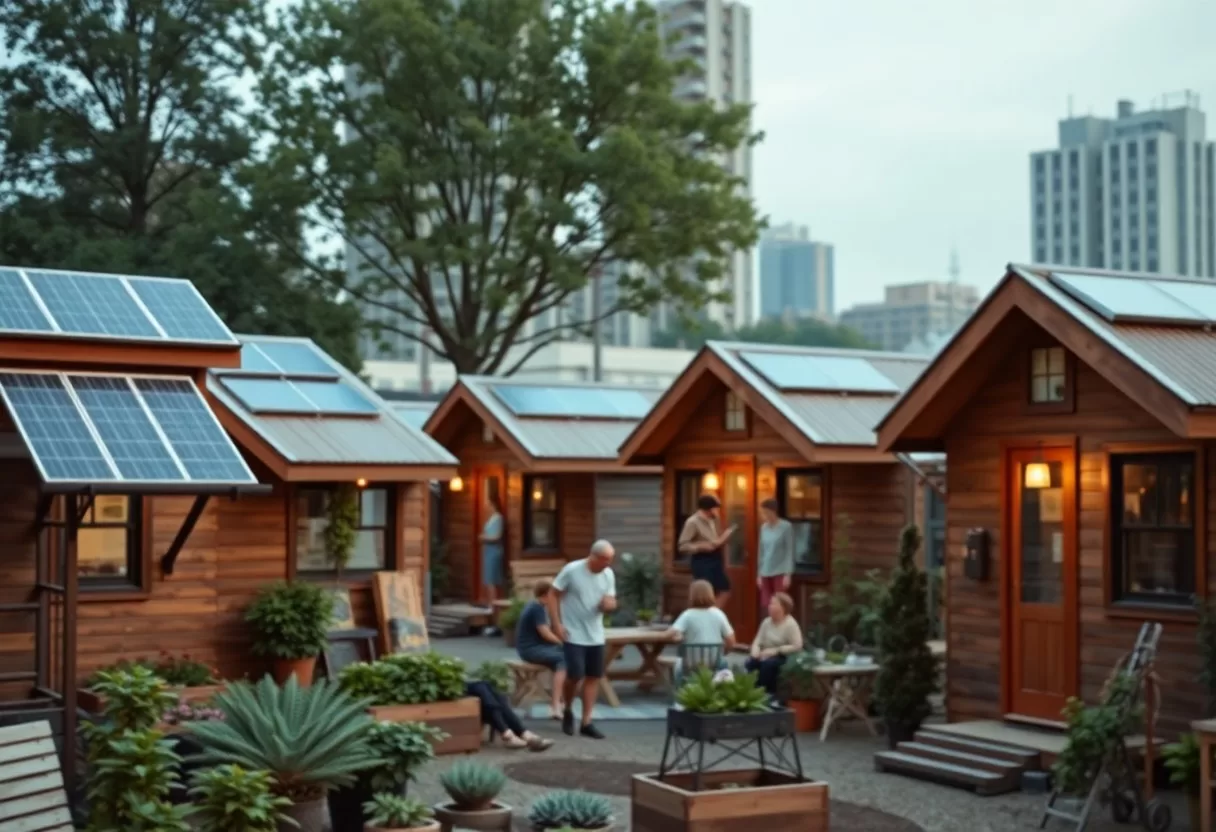
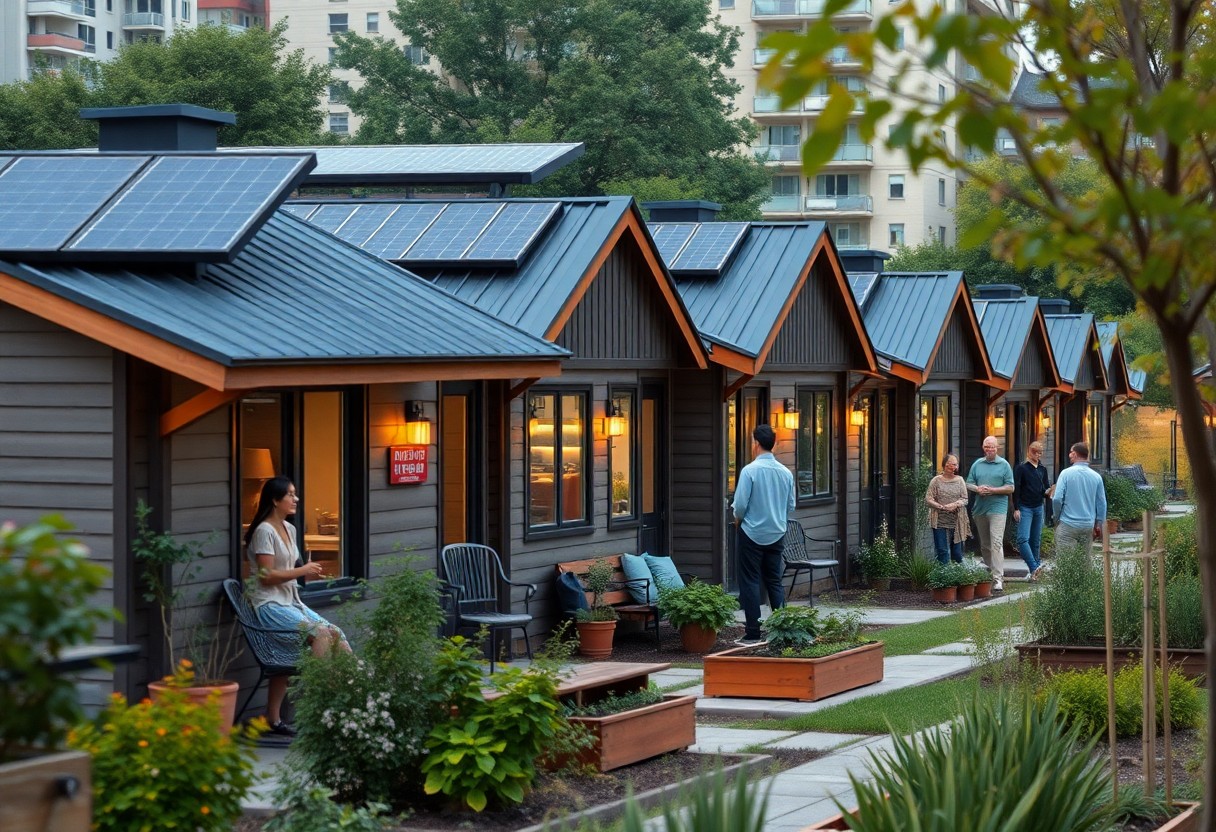
Tiny home communities present an innovative approach to affordable housing, utilizing limited space efficiently. By constructing small, streamlined homes on shared land, you benefit from lower costs and a sense of community. These developments often include communal amenities, which enhance your living experience and create a supportive environment for residents, fostering connections among neighbors.
According to the National Association of Home Builders, tiny homes can cost as little as $20,000 to build, significantly less than traditional homes. Communities may cluster these homes around shared infrastructure like gardens and common areas, leading to lower land utilization costs and a minimized environmental footprint. Homes typically range from 100 to 400 square feet, accommodating crucial living needs without excess, thus ensuring affordability without compromising on community living. As urban areas continue to face housing shortages, tiny home communities can provide a scalable and responsive solution to meet the growing demand for budget-friendly living options.
The Role of Technology in Affordable Housing
Technology is reshaping how affordable housing solutions are developed and delivered, allowing for faster construction, greater efficiency, and creative living options. Digital tools streamline project management, while building information modeling enhances design accuracy and reduces waste. With smart technologies, you can now enjoy budget-friendly homes equipped with energy-efficient systems that lower monthly expenses. These innovations are transforming the landscape, making affordable housing more attainable for a broader range of individuals and families.
Modular Construction: Speeding Up Production
Modular construction drastically reduces the time needed to complete a housing project by prefabricating components off-site. This process takes advantage of assembly-line efficiency, enabling builders to reach completion in a fraction of the time compared to traditional methods. As a result, you can move into your new home sooner, while developers can reduce costs, making affordable housing options more available and practical.
Smart Homes for Budget Living: Efficiency Meets Savings
Integrating smart technology into affordable housing optimizes energy use and enhances comfort, allowing you to save significantly on utility bills. Smart thermostats, LED lighting, and advanced insulation systems are just a few examples of how modern homes can function more efficiently. By investing in these technologies, you can achieve a better quality of life without stretching your budget.
Smart homes provide a wealth of benefits, translating technology into tangible savings for you. For instance, smart thermostats learn your temperature preferences and adjust accordingly, resulting in energy savings of up to 10-20% annually. Similarly, smart lighting can automatically turn off when you leave the room, further cutting down on energy waste. With these systems in place, the cost of living decreases while ensuring your home remains comfortable and convenient, making smart choices synonymous with financial sense.
Community-Centric Approaches to Housing
Community-centric approaches to housing empower residents to actively participate in creating and sustaining accessible living environments. By fostering collaboration among neighbors, these initiatives encourage shared resources and strengthen social bonds, ultimately enhancing the quality of life. Your involvement in such projects not only contributes to affordable living options but also fosters a sense of belonging and community spirit.
Co-Housing Initiatives: Building Together
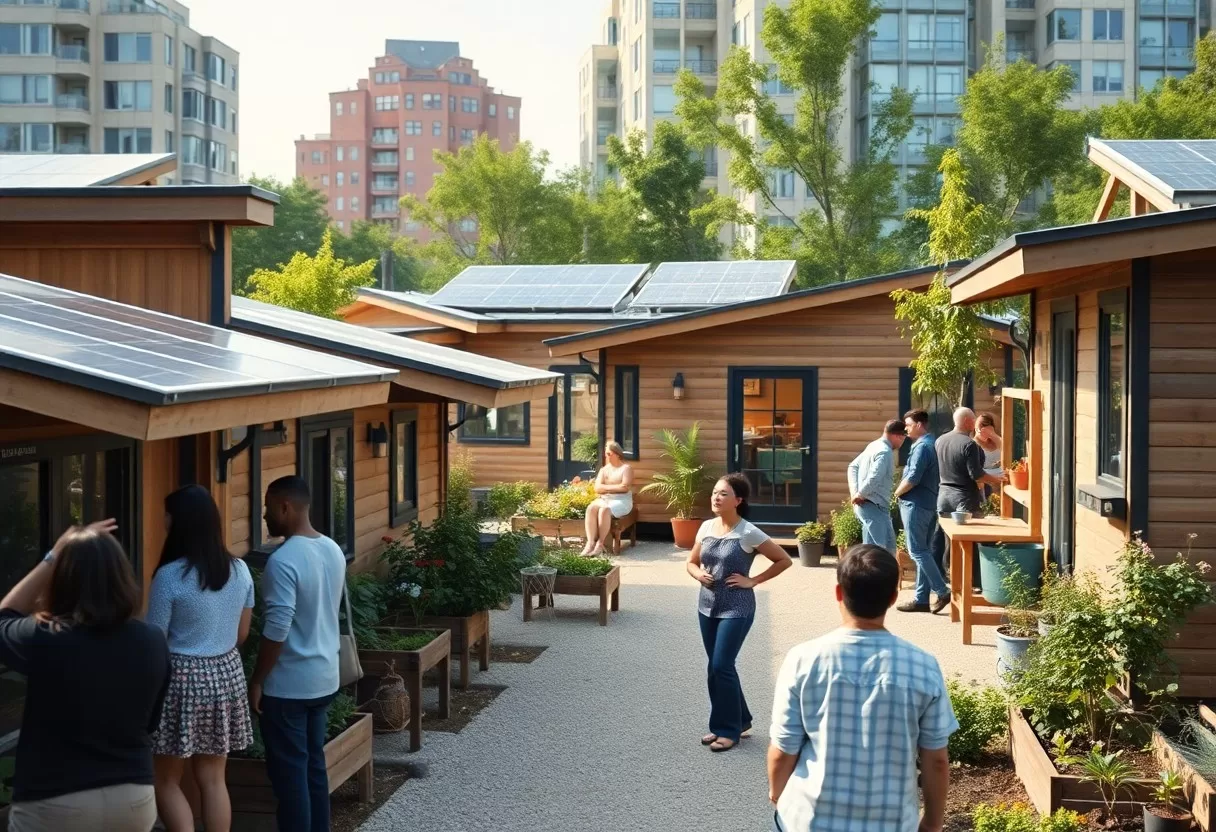
Co-housing initiatives encourage individuals and families to live in shared spaces where resources are pooled for greater economic efficiency. By designing homes around a shared common area, you can enjoy both privacy and community interaction, which leads to cost savings on utilities and maintenance. Moreover, co-housing fosters cooperation and accountability among residents, creating a more supportive living environment.
Land Trusts: Securing Long-Term Affordability
Land trusts work to ensure that housing remains affordable for future generations by removing land from the speculator’s market. With a focus on community ownership, you can gain access to homes that not only meet your budget but are also protected from real estate fluctuations. This model maintains long-term affordability while empowering local residents to shape their neighborhoods.
Established land trusts, such as the Champlain Housing Trust in Vermont, have demonstrated the effectiveness of this model. By purchasing property and holding the land in trust, they allow homeowners to buy only the structures while leasing the land at a low cost. As a result, residents build equity while keeping their housing affordable long-term. The trust model also allows for community investment, as local members influence decisions that affect their living conditions, ensuring that housing solutions are tailored to community needs.
Government Policies Paving the Way for Accessibility
Government initiatives play a significant role in enhancing accessibility to affordable housing. Policies like inclusionary zoning, which require developers to allocate a percentage of units for low-income families, provide pathways to increase the availability of budget-friendly homes. Additionally, by promoting financial incentives for builders focused on affordable housing, policies encourage new construction and rehabilitation projects. Learn more about these Affordable Housing Solutions: Exploring Cheap … that can help you secure a place for your family.
Zoning Changes: Breaking Down Barriers
Recent zoning changes aim to eliminate longstanding barriers that have limited the development of affordable housing. These reforms allow for higher-density construction and mixed-use developments in areas traditionally reserved for single-family homes. By easing restrictions, local governments open doors for more varied housing types, enabling you to find affordable options in desirable neighborhoods.
Housing Vouchers vs. Direct Investment: Evaluating Effectiveness
Housing vouchers and direct investment represent two approaches to addressing the affordable housing crisis, each with its strengths. Vouchers provide immediate assistance by allowing you to rent housing at market rates, while direct investment leads to the creation of new affordable units. Understanding which method offers better long-term sustainability can inform policies and empower you to advocate for effective solutions.
Evaluating the effectiveness of housing vouchers versus direct investment reveals specific outcomes that can significantly impact your housing situation. Vouchers can foster individual choice, enabling you to select a home that suits your needs. However, the underlying issue of limited housing stock may persist. On the other hand, direct investment creates new affordable units but requires substantial resources and lengthy planning processes. Balancing these strategies can lead to a more holistic approach, addressing both immediate needs and long-term solutions to the housing shortage you might face.
Lessons from Global Innovations in Housing
Examining international housing innovations offers valuable insights that can be applied locally. From Nordic countries prioritizing eco-friendly designs to strategies in emerging economies overcoming resource constraints, diverse approaches empower you to rethink solutions and adapt them to your unique context.
The Scandinavian Model: Sustainable Affordability
The Scandinavian model exemplifies sustainable affordability through ingenious designs and energy-efficient practices. Governments actively invest in eco-friendly architecture and public transportation systems, reducing overall living costs. In countries like Sweden, the integration of green spaces and communal facilities enhances quality of life while keeping housing within reach for many families.
Lessons from Developing Nations: Innovative Solutions Under Pressure
Developing nations showcase creative solutions that arise from necessity. Limited resources have motivated communities to adopt innovative building techniques and adaptive reuse of materials. Countries such as India and Brazil illustrate how informal settlements can evolve into organized communities, providing insights into efficient land use and resilience under socio-economic pressures.
In places like India, the concept of “self-built” housing has gained popularity, where families expand their homes incrementally as finances permit. This model fosters a sense of ownership while addressing immediate housing needs. Similarly, Brazil’s favela revitalization initiatives promote community-led housing projects that utilize local resources, transforming impoverished areas into vibrant neighborhoods. These practical examples showcase how resilience and creativity can lead to sustainable housing solutions, even in the most challenging environments, providing a roadmap for you to consider in your community initiatives.
Conclusion
Drawing together diverse approaches to affordable housing solutions, you can explore innovative trends that enhance budget-friendly living. By considering options like modular construction, co-housing, and community land trusts, you can identify ways to secure housing that fits your financial needs while promoting sustainability. Embracing these advancements not only enriches your living experience but also contributes to a more inclusive community. Your proactive engagement in these trends can help shape a future where quality housing is accessible to all.