
Year‑Round Harvests – Extend Growing Seasons With Indoor Lights and Cold Frames
Most gardeners want to maximize their yields and enjoy fresh produce throughout the year. By utilizing indoor lights and cold frames, you can extend your growing season significantly, protecting your plants from harsh weather conditions while ensuring an optimal environment for growth. These methods not only allow you to grow during winter months but also enhance your gardening skills and overall productivity. Investing in these techniques can transform your garden into a continuous source of nourishment, offering you the benefits of fresh harvests no matter the season.
Key Takeaways:
- Indoor lights increase plant growth potential by providing consistent lighting conditions throughout the year.
- Cold frames can help protect plants from harsh weather, extending outdoor growing seasons.
- Combining both methods can maximize harvests and mitigate seasonal limitations for various crops.
Understanding Indoor Gardening
Indoor gardening allows you to grow plants year-round, utilizing a controlled environment that sidesteps seasonal limitations. You can cultivate various plants, from herbs to vegetables, regardless of outdoor conditions. By harnessing indoor gardening techniques, you gain the flexibility to grow your favorite crops while ensuring optimal growth conditions.
Benefits of Indoor Growth
Indoor gardening provides numerous advantages, such as enhanced environmental control, reduced exposure to pests, and the ability to grow a diverse range of plants. Enjoy longer growing seasons, protect your crops from harsh weather, and save on space while ensuring easy access to fresh produce at any time.
Types of Indoor Growing Lights
Various indoor growing lights are available to support your gardening efforts, including LED, fluorescent, and HID lights. Each type has unique benefits and ideal applications; for instance, LEDs are energy-efficient and have a long lifespan, while HID lights provide intense brightness for fast growth. Understanding these options helps you choose the right setup for your specific plants.
| Indoor Growing Lights | Benefits |
| LED | Energy-efficient with long lifespans. |
| Fluorescent | Ideal for seedlings and low-light plants. |
| HID | Provides intense light for rapid growth. |
| CFL | Compact and suitable for small setups. |
| Incandescent | Less effective for plant growth. |
Choosing the right type of indoor lights is necessary for your garden’s success. LED lights offer remarkable energy efficiency and longevity, making them popular among indoor gardeners. Fluorescent lights are affordable and suitable for seedlings, while HID lights stand out for their high output, supporting large plants. Each light type has its strengths, so evaluating their features will help you create an optimal growing environment for your indoor garden.
- LED lights are energy-efficient and long-lasting.
- Fluorescent options are great for seedlings.
- HID lights provide intense brightness.
- CFL lights are compact and suitable for small setups.
- Incandescent bulbs are less effective for growth. Perceiving the details related to indoor light types can enhance your gardening strategy.
| Light Type | Best For |
| LED | All types of plants. |
| Fluorescent | Low-light and young plants. |
| HID | Vegetative and flowering plants. |
| CFL | Compact spaces. |
| Incandescent | General use, not effective for growth. |
Utilizing Cold Frames
What Are Cold Frames?
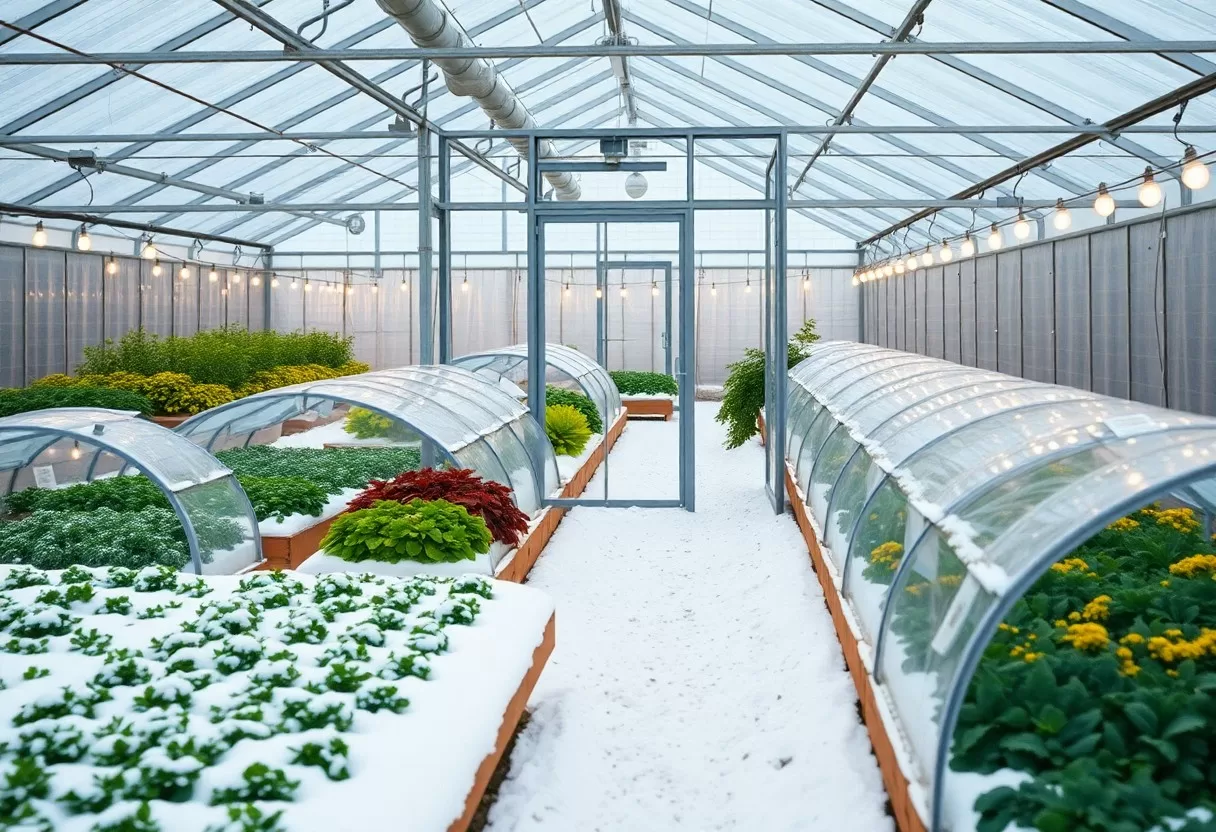
Cold frames are simple structures that provide a protective environment for plants, often constructed with a wooden frame and a transparent top, such as glass or plastic. They act as mini greenhouses, allowing sunlight to enter while trapping heat, which helps to extend your growing season. Cold frames are particularly useful for starting seedlings in early spring or for protecting tender crops during late fall and winter months.
Benefits of Cold Frames for Extension
Using cold frames significantly increases your ability to grow a variety of plants year-round. By utilizing cold frames, you can start seedlings earlier in the season and maintain growth in cooler temperatures. They create a controlled microclimate that enhances your growing conditions, allowing for earlier harvests of greens, herbs, and even some vegetables. This method can boost productivity significantly, giving you the potential to harvest several weeks or even months before traditional outdoor planting would allow.
With cold frames, you can achieve impressive results by harnessing seasonal sunlight while minimizing frost risk. Studies show that yields can increase by up to 50% when using cold frames compared to unprotected plants. Additionally, you can easily adapt cold frame designs to fit your garden’s aesthetic and your specific growing needs, making them a versatile addition to any gardening toolkit. They also help in hardening off seedlings, preparing them for outdoor life while providing a protective barrier against harsh weather conditions.
Choosing the Right Plants
Selecting suitable plants is fundamental for maximizing your indoor gardening and cold frame efforts. Indoor options should thrive under artificial light conditions, while cold frame choices must withstand fluctuating temperatures. Look for plants that suit your climate and space, focusing on those that can offer continuous harvests or fast growth cycles. Incorporating both perennial and annual plants can ensure a balanced approach, allowing for the longevity and variety of your gardening endeavors.
Best Indoor Plants for Year-Round Harvest
Herbs like basil, mint, and parsley flourish indoors and provide a continuous supply for your kitchen. Leafy greens such as spinach and lettuce grow quickly and can be harvested multiple times, while compact tomatoes and peppers add flavor without taking up much space. Choose varieties suited for low-light conditions or those that perform well under your specific indoor lighting system.
Seasonal Plant Selection for Cold Frames
Cold frames extend your growing season significantly by protecting plants from harsh weather. Opt for hardy greens like kale and arugula, which can endure cooler temperatures, alongside root crops such as carrots and beets. You can also grow early season vegetables, including peas and radishes, in spring, allowing for an early harvest.
Cold frames enable planting during shoulder seasons, bridging the gap between winter and spring growing cycles. For early spring, consider sowing snap peas and lettuce as they establish quickly in a warmer environment. As temperatures begin to drop in fall, transplant spinach and winter squash to utilize the remaining warmth in the soil. This strategy ensures you capitalize on the unique conditions cold frames provide, leading to a more efficient harvest cycle.
Light Requirements for Successful Growth
Your plants thrive on light, which is important for photosynthesis. Understanding the specific light requirements of your chosen varieties will enhance their growth and productivity. Different plants have varying needs—some prefer direct sunlight, while others flourish in partial shade or low light. Providing optimal light conditions can lead to healthier plants, increased yields, and the ability to grow more diverse crops throughout the year.
Light Duration and Intensity
Most plants require around 12 to 16 hours of light per day to grow effectively. The intensity of light also matters; high-light plants need full-spectrum light or specific grow lights positioned close to them, while low-light varieties do well under softer illumination. Monitoring light distance and duration will prevent issues like leggy growth or burnt leaves, ensuring robust development.
Timing Your Planting Schedule
Successful harvesting hinges on perfect timing. Knowing when to sow seeds or transplant seedlings based on light conditions can greatly influence plant health. Coordinating your planting schedule with light availability maximizes growth potential, allowing you to harvest year-round.
Align your planting schedule with seasonal changes and indoor light patterns. For instance, starting sowing seeds indoors 6 to 8 weeks before the last frost provides ample time for seedlings to develop under controlled lighting. Use a calendar or growth chart to plan plantings for both early spring and late summer as seasons shift. Consider incorporating grow lights for extending daylight hours during darker months, supporting stronger plant growth and preventing seasonal slowdowns.
Maintaining Optimal Conditions
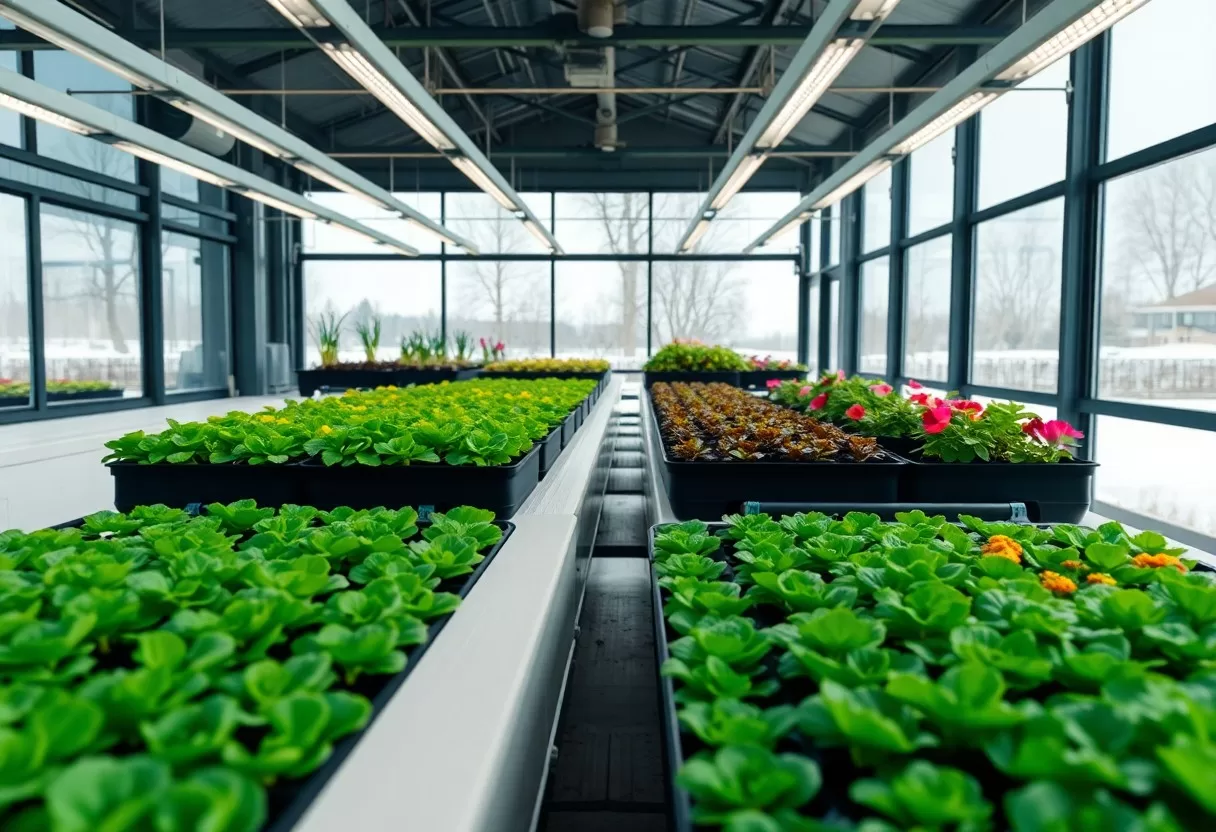
Maintaining optimal conditions within your cold frames and indoor gardens is necessary for achieving year-round harvests. This involves regulating factors such as temperature, humidity, soil quality, and fertilization to create a thriving environment for your plants. By paying close attention to these variables, you can maximize your yields and ensure healthy growth during all seasons.
Temperature and Humidity Control
Controlling temperature and humidity is vital for plant health. Aim for a temperature range of 65-75°F during the day and around 55-65°F at night. Humidity levels should be kept between 40-60%, as excessive moisture can lead to mold and diseases.
Temperature and Humidity Control
| Factor | Optimal Range |
|---|---|
| Day Temperature | 65-75°F |
| Night Temperature | 55-65°F |
| Humidity | 40-60% |
Soil and Fertilization Tips
Quality soil is the foundation of your indoor garden or cold frame. Use a well-balanced potting mix rich in organic material. Incorporate compost for nutrients and consider organic fertilizers that promote root health and growth. Regular soil testing helps you maintain the right pH and nutrient levels.
- Quality soil is necessary for strong plants.
- Use organic fertilizers to promote growth.
- Regular soil testing ensures optimal health.
Utilizing compost and organic matter enriches your soil, providing necessary nutrients while improving structure. Aim for a pH of 6.0-7.0 for most vegetables. Rotate crops to prevent depletion of specific nutrients. Any soil amendments should support your plants’ specific needs and growing conditions.
- Compost enriches soil health.
- Maintain a pH of 6.0-7.0 for optimal growth.
- Crop rotation prevents nutrient depletion.
Troubleshooting Common Issues
Even with diligent care, issues may arise in your cold frames and indoor gardens. Common problems include temperature fluctuations, inadequate light exposure, and pest infestations. Season-Extending with Row Covers and Cold Frames can help mitigate some of these challenges. Regularly monitoring your plants and conditions will enable you to make timely adjustments, ensuring your system remains productive throughout the season.
Pests and Disease Management
Pests and diseases can threaten your indoor and cold frame gardens. Regularly inspect your plants for signs of trouble, such as discolored leaves or unusual spots. An early intervention, like introducing beneficial insects or applying organic fungicides, can help keep your plants healthy and thriving.
Addressing Nutrient Deficiencies
Nutrient deficiencies may manifest in various ways, such as yellowing leaves or stunted growth. To address these imbalances, test your soil regularly and amend it with appropriate fertilizers. Organic options like compost, fish emulsion, or seaweed extracts can restore nutrients while promoting a healthy growing environment.
Understanding the specific nutrient needs of your plants is vital for maintaining vigor. For instance, nitrogen promotes leafy growth, while phosphorus supports root and flower development. Incorporating slow-release fertilizers can ensure a steady supply of nutrients throughout the growing season, reducing the risk of deficiencies and fostering a thriving garden ecosystem.
Final Words
Now you can take full control of your growing seasons by utilizing indoor lights and cold frames. These techniques allow you to extend your harvests throughout the year, enabling you to enjoy fresh produce regardless of the weather. By implementing these methods, you can create an optimal environment for your plants, ensuring they thrive and yield abundant crops. With a little planning and the right resources, you can enhance your gardening experience and ultimately elevate the productivity of your garden.
FAQ
Q: What types of indoor lights are best for year-round growing?
A: For year-round growing, LED grow lights and fluorescent lights are the best options. They provide the necessary spectrum for plant growth while being energy-efficient. LEDs use less power and produce less heat, making them ideal for small indoor spaces.
Q: How do cold frames help in extending the growing season?
A: Cold frames protect plants from harsh weather while allowing sunlight to enter. They create a mini-greenhouse effect, trapping heat and keeping temperatures higher than the outside environment. This enables early planting in spring and prolonged growth into fall and winter.
Q: What vegetables can I grow year-round indoors?
A: Popular vegetables for year-round indoor growing include lettuce, spinach, herbs such as basil and parsley, and radishes. These plants thrive under indoor lights and can be harvested continuously throughout the year.
Q: How should I organize my indoor growing space for maximum efficiency?
A: Organize your space by grouping plants with similar light and water needs. Use shelving to maximize vertical space and place lights at appropriate distances to ensure all plants receive adequate light. Maintain good airflow to prevent mold and pests.
Q: Can cold frames be used in conjunction with indoor lights?
A: Yes, cold frames can complement indoor lights by providing additional protection and warmth during cooler months. Using both allows for a seamless transition between indoor and outdoor planting while maximizing growth potential across seasons.